



All About Organic Gemstones
Pearl, Coral, Amber, Ammonite, and Bones in Modern Jewelry
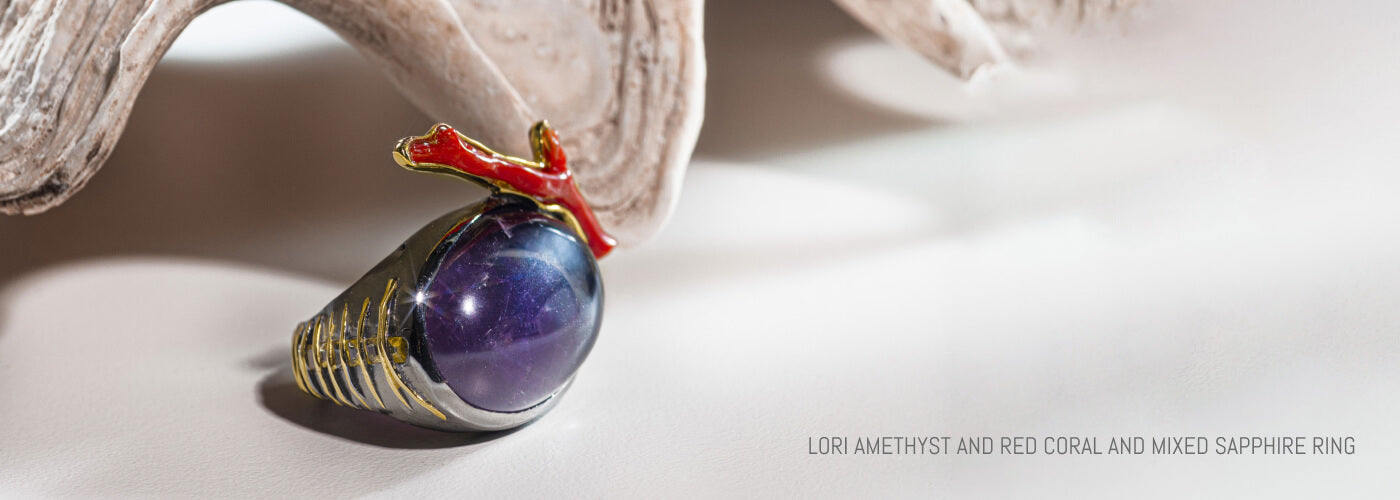
In the vast world of gemstones, it's the organic ones that truly stand out, telling tales of the earth and sea. We're talking about pearls, coral, amber, ammonite, and bones — each with its own unique story and natural allure.
Organic gemstones are crafted not from the earth's depths but born from life itself. Imagine gems that aren't just dug up but have grown, lived, or even breathed. These gems have a life story that sets them apart.
While most gemstones are minerals formed over eons under intense pressure and heat, organic gems take a different route. They come from living organisms or are formed by biological processes.
Pearls are the glossy product of oysters' hard work. Coral grows in the ocean's depths like an underwater garden. Amber is fossilized tree resin that has captured tiny snippets of ancient life. Ammonites are the remnants of prehistoric sea creatures turned to stone. Bones carry the legacy of animals that once roamed the earth.
This blend of life history and natural beauty makes organic gemstones uniquely fascinating, bridging the gap between the natural world and our desire to keep its beauty close.
These gems have more than just looks; they carry weight in history and culture. They've adorned kings and queens, been buried as treasures, and worn as symbols of status and protection.
Today, they're still making waves in the fashion world, celebrated for their ecological footprint and one-of-a-kind beauty. It's about making a statement with pieces that are as eco-friendly as they are enchanting.
Pearls whisper of the ocean's calm, forming layer by layer inside oysters. Coral takes us to the vibrant life under the sea with its rich colors and textures. Amber is like nature's time capsule, trapping ancient secrets within its golden depths. Ammonites connect us to the distant past with their spiral shapes. Bones remind us of the animal kingdom's enduring beauty and strength.
The Controversy Behind Organic Gemstones: Ethical Dilemma or Sustainable Future?
The conversation around organic gemstones touches on deep ethical concerns tied to today’s environmental agenda. The crux lies in the balance between appreciating natural beauty and preserving the ecosystems from which these materials come.
One pressing issue is the environmental impact of coral harvesting. Coral reefs are crucial for marine biodiversity, acting as the ocean's lungs and supporting coastal protection and fisheries. Extracting coral for jewelry risks damaging these delicate ecosystems, leading to habitat loss and biodiversity decline.
Critics question whether the aesthetic value of coral jewelry can outweigh the environmental cost of its extraction. This sparks an ongoing debate within conservation circles.
Pearl farming, too, has its ethical dilemmas. While it's promoted as a more sustainable alternative to wild pearl harvesting, concerns about the welfare of mollusks and the potential for environmental degradation remain.
The debate extends to the impact of pearl farms on local ecosystems, including water pollution and the spread of diseases among wild and farmed mollusk populations. The question arises: Can pearl farming be managed in a way that truly minimizes harm to marine environments?
The collection of amber and ammonite raises questions about the balance between commercial interests and scientific value. These organic gemstones provide invaluable insights into Earth's history, but their popularity in jewelry can lead to overexploitation.
The ethical debate here revolves around how to ensure that the pursuit of these gems does not strip future generations of the chance to study and learn from these natural archives.
Finally, the use of bones and ivory in jewelry brings to the fore issues of wildlife conservation and animal rights. Despite international regulations like the CITES agreement, the illegal trade of ivory continues to pose a threat to elephant populations.
This situation forces a reconsideration of how animal-derived materials are used in jewelry, pushing for ethical sourcing practices that do not contribute to the endangerment of species.
These ethical and sustainability concerns surrounding organic gemstones are real and pressing. They challenge consumers, designers, and policymakers to think critically about the origins of the materials they cherish and the impact of their choices on the planet.
The ongoing debate emphasizes the need for transparent sourcing practices, stricter regulations, and a collective move towards more sustainable and ethical jewelry production methods.
Sustainable Practices at German Kabirski: Respecting Nature with Every Gemstone
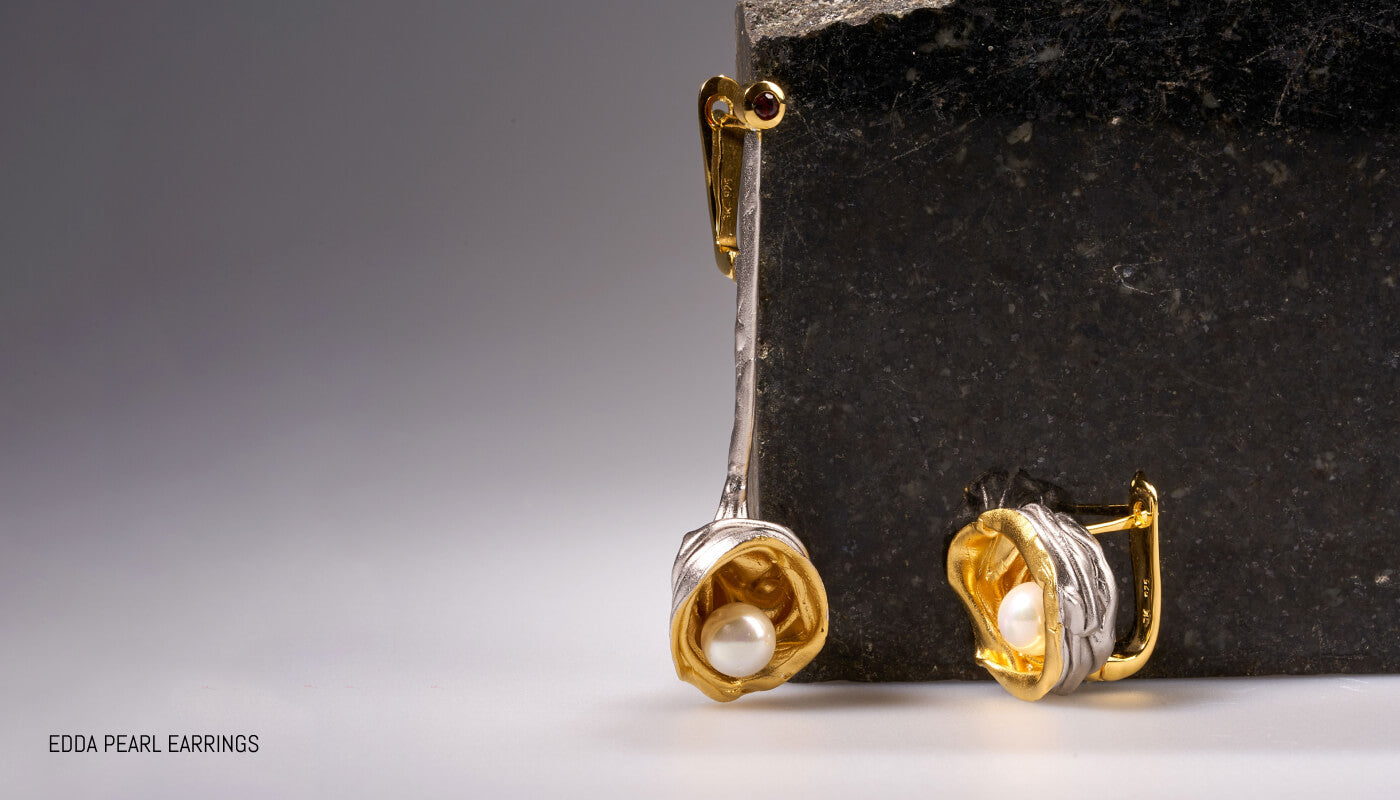
At German Kabirski, our commitment to the environment and ethical practices is at the core of everything we do, especially when it involves organic gemstones. We understand the concerns surrounding the use of natural resources in jewelry making, particularly the impact on marine life and ecosystems.
That's why our approach to incorporating organic materials like coral into our designs is deeply rooted in sustainability and respect for nature.
When it comes to coral, we steer clear of contributing to the depletion of coral reefs, which are vital for marine biodiversity. Our solution is to repurpose existing coral pieces, sourced from second-hand jewelry collected at Asian flea markets.
This method allows us to breathe new life into old materials without further harming ocean life. These repurposed corals are transformed into exclusive, one-of-a-kind pieces, ensuring uniqueness without mass production or new extraction.
This practice not only aligns with our eco-conscious values but also adds a layer of unique history and story to our jewelry.
Ivory is a material we have chosen not to use in any of our designs. The ethical implications and the tragic impact of ivory trade on elephant populations are issues we take seriously.
By excluding ivory from our materials list, we stand against wildlife exploitation and contribute to the global effort to protect these majestic animals.
Our use of pearls is carefully considered, with a commitment to sourcing from vetted suppliers known for their sustainable practices. We engage in thorough checks to ensure that our suppliers adhere to high environmental standards and ethical treatment of marine life.
This diligence allows us to offer our customers beautiful pearl pieces that they can wear with pride, knowing they support responsible and sustainable jewelry production.
At German Kabirski, we share your concerns about ecology and sustainability. We're constantly seeking ways to minimize our environmental footprint and make positive contributions through our creations.
It's not just about making beautiful jewelry; it's about doing so in a way that honors and preserves the natural world for future generations.
Natural Pearls in German Kabirski Designs
At German Kabirski, our fascination with pearls transcends traditional boundaries. We're passionate innovators, constantly exploring unconventional ways to showcase their beauty in modern jewelry.
Our designs break the mold, combining creativity with the natural charm of pearls to craft pieces that are truly avant-garde.
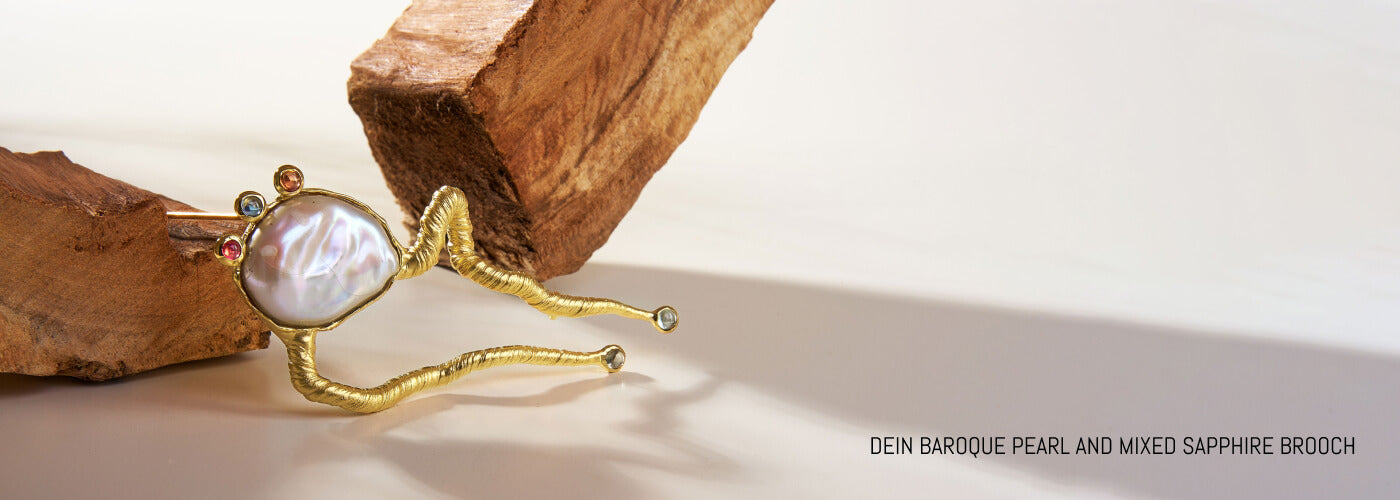
We predominantly use freshwater pearls, celebrated for their variety and accessibility. Freshwater pearls come in an array of shapes from the perfectly round to the intriguingly irregular baroque pearls, each adding a unique texture and form to our creations.
Round pearls bring classic elegance into unconventional settings, while baroque pearls lend themselves to one-of-a-kind artistic statements.
We also embrace the delicate beauty of keshi pearls, known for their lustrous, all-nacre structure. Micropearls add refined elegance and subtle sophistication to bold designs.
On rare occasions, we incorporate exotic sea pearls like those from Tahiti or South Sea into exclusive gold collections.
We are currently working on a collection featuring micropearls — highlighting their delicate allure in ways that challenge traditional jewelry norms.
By focusing on micropearls, we showcase our dedication to detail and our commitment to pushing the boundaries of jewelry design.
At German Kabirski, pearls are more than just an adornment; they're a canvas for creativity. Each design becomes a statement of innovation and elegance.
Stay tuned for our micropearl collection and experience the next chapter in redefining modern jewelry with natural pearls.
Repurposing Red and Black Corals for German Kabirski On-Off Jewelry Pieces
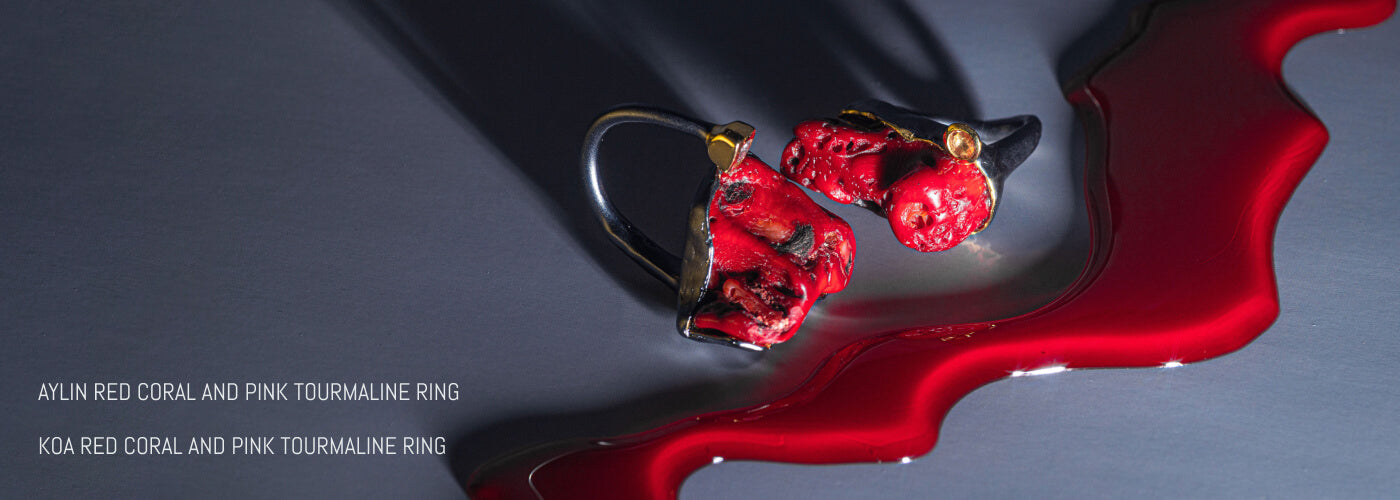
At German Kabirski, our approach to jewelry design is anything but ordinary, especially when incorporating elements like red and black corals. These materials, rich in history and allure, offer endless artistic possibilities.
By working exclusively with repurposed corals sourced from antique markets, we ensure our creations are unique and environmentally conscious.
Red Coral
Red coral (Corallium rubrum) is found primarily in the Mediterranean Sea and the Atlantic. Distinguished by its striking red or pink skeleton, it has been valued in jewelry and folklore for centuries.
Its harvesting is regulated to prevent overexploitation and protect marine environments.
Black Coral
Black coral, from the order Antipatharia, features a chitin-based skeletal structure that gives its dark color. Some species can live for thousands of years, making them among the oldest marine organisms.
It is prized in elegant jewelry designs and, like red coral, is strictly regulated to protect deep-sea ecosystems.
Our commitment to repurposing red and black corals reflects our dedication to innovation, sustainability, and ethical jewelry design. Each one-off piece becomes a statement about preserving the beauty of the natural world.
With our production base in Bangkok, we continue exploring these materials’ rich heritage — transforming them into modern masterpieces for the daring jewelry lover.
Prehistoric Elegance: Ammonite and Fossils in German Kabirski Designs
German Kabirski's collection stands apart through its embrace of not just unique materials, but pieces of history itself. Ammonite fossils, alongside a carefully selected range of other ancient fossils, are central to this distinctive approach. These ancient relics, including the spiral-shaped ammonites and various other fossilized forms, offer a glimpse into the prehistoric past, bringing the beauty of ancient marine life to modern jewelry.
Our selection of fossils goes beyond ammonites, incorporating a variety of prehistoric specimens. Each fossil is chosen for its ability to tell a story — whether it's the age-old spirals of an ammonite or the detailed imprint of an ancient plant or animal. These pieces are set into jewelry that honors their unique characteristics, transforming them into one-of-a-kind designs.
The use of such fossils is not just about adornment, but making a statement of appreciation for the earth's vast history. Integrating ammonites and other fossils into our designs, German Kabirski aims to create jewelry that is not merely worn but experienced.
By doing so, we provide our customers with the opportunity to carry a piece of the earth's history with them — making each jewelry item a conversation starter and a testament to the timeless allure of nature's creations.
Nature's Legacy: The Future of Organic Gemstones in Modern Jewelry
As we reach the end of our exploration into the fascinating world of organic gemstones, it's clear that these natural treasures offer more than just aesthetic value; they carry with them stories of the earth, the sea, and life itself.
German Kabirski's commitment to incorporating pearls, corals, ammonites, and other fossils into jewelry designs not only showcases a reverence for the natural world but also paves the way for a more sustainable and ethical approach to jewelry making.
By choosing repurposed materials, engaging with ethical suppliers, and valuing the unique beauty of each organic gem, we underscore a broader movement towards responsible fashion and environmental stewardship.
The journey of organic gemstones from nature to adornment is filled with challenges and considerations, yet it remains a testament to human creativity and nature's unmatched artistry.
As we look to the future, the role of organic gemstones in jewelry will undoubtedly evolve, guided by ongoing debates around sustainability and ethics.
However, one thing remains certain: the allure of organic gemstones, with their rich textures, vibrant colors, and deep historical roots, will continue to inspire and captivate.
Through innovative design and mindful practices, we can honor the legacy of these natural wonders, ensuring they remain a cherished part of our cultural heritage and personal expression for generations to come.
1 comment
Truly enjoyed the information you shared , about organic gemstones. Thank you.
Silvia Beasley
Share your comment
This site is protected by hCaptcha and the hCaptcha Privacy Policy and Terms of Service apply.