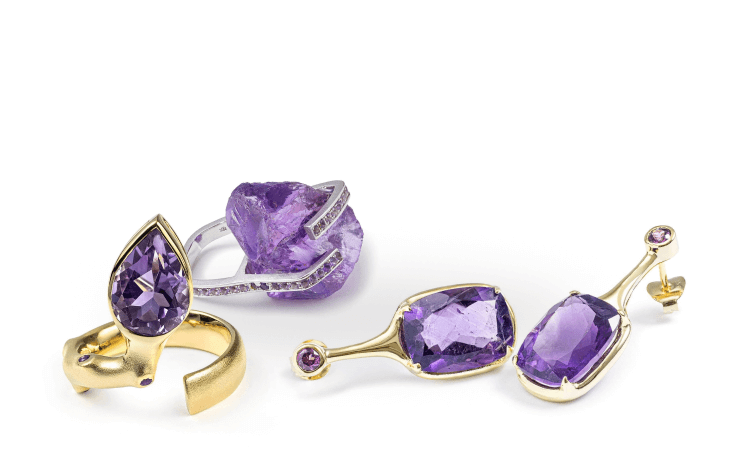


What Are Raw Gemstones in Modern Jewelry?
Explore raw gemstone jewelry: uncut stones, natural inclusions, and wabi-sabi beauty. See why modern designers and collectors choose rough crystals over perfect cuts.
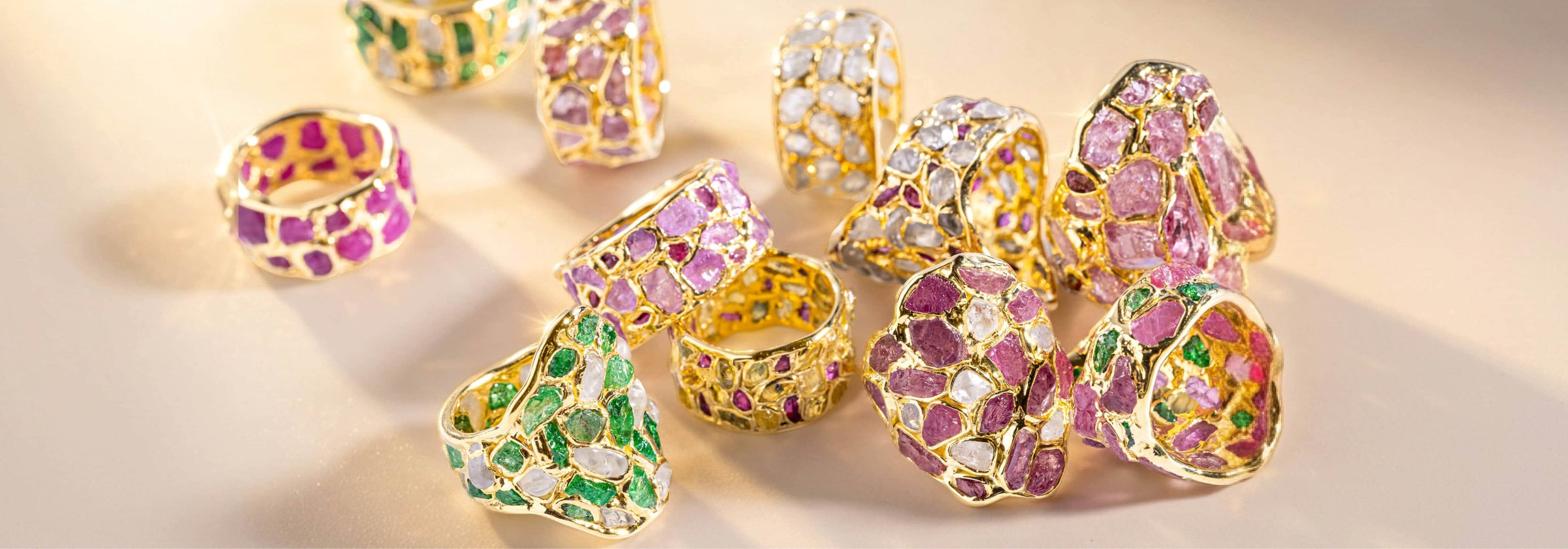
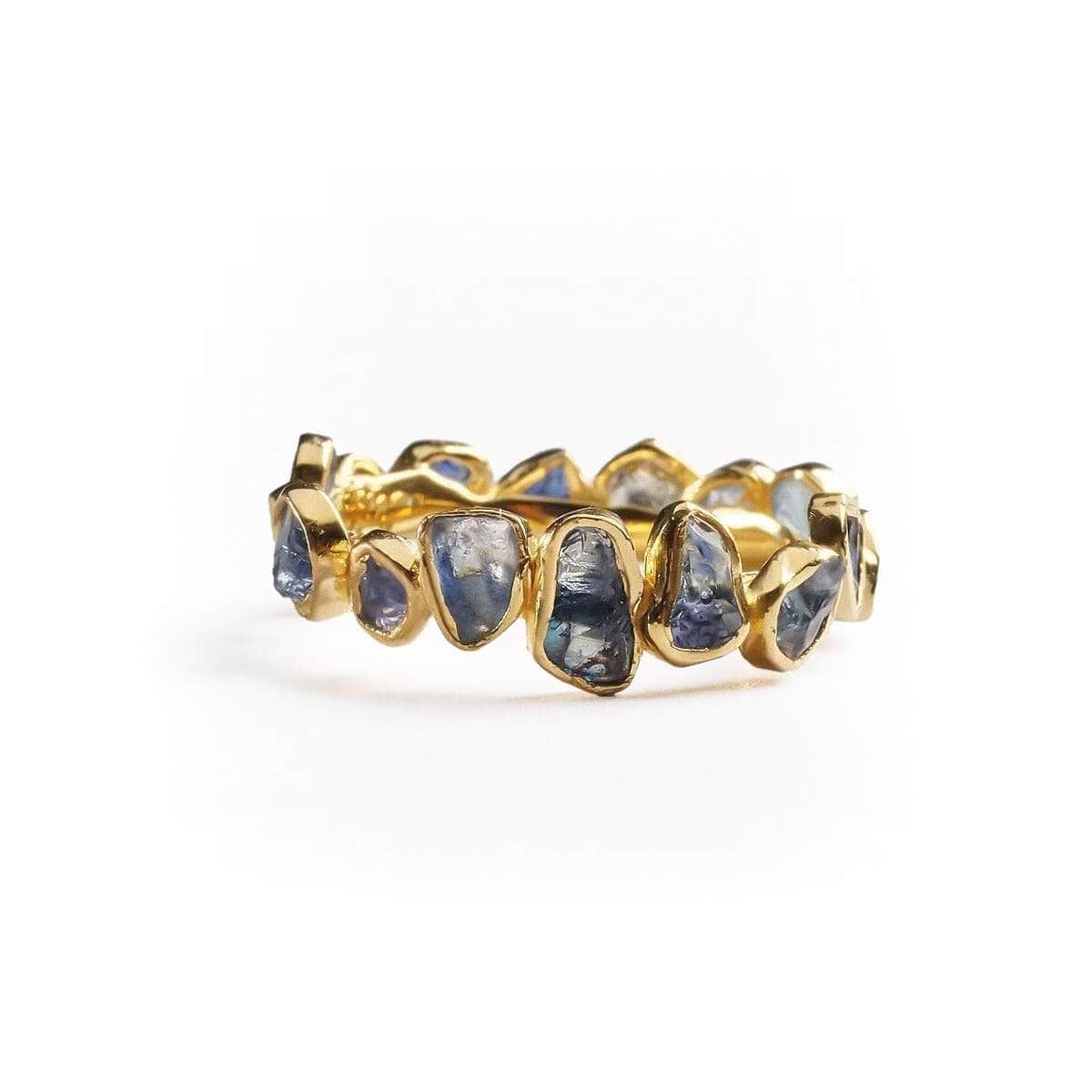
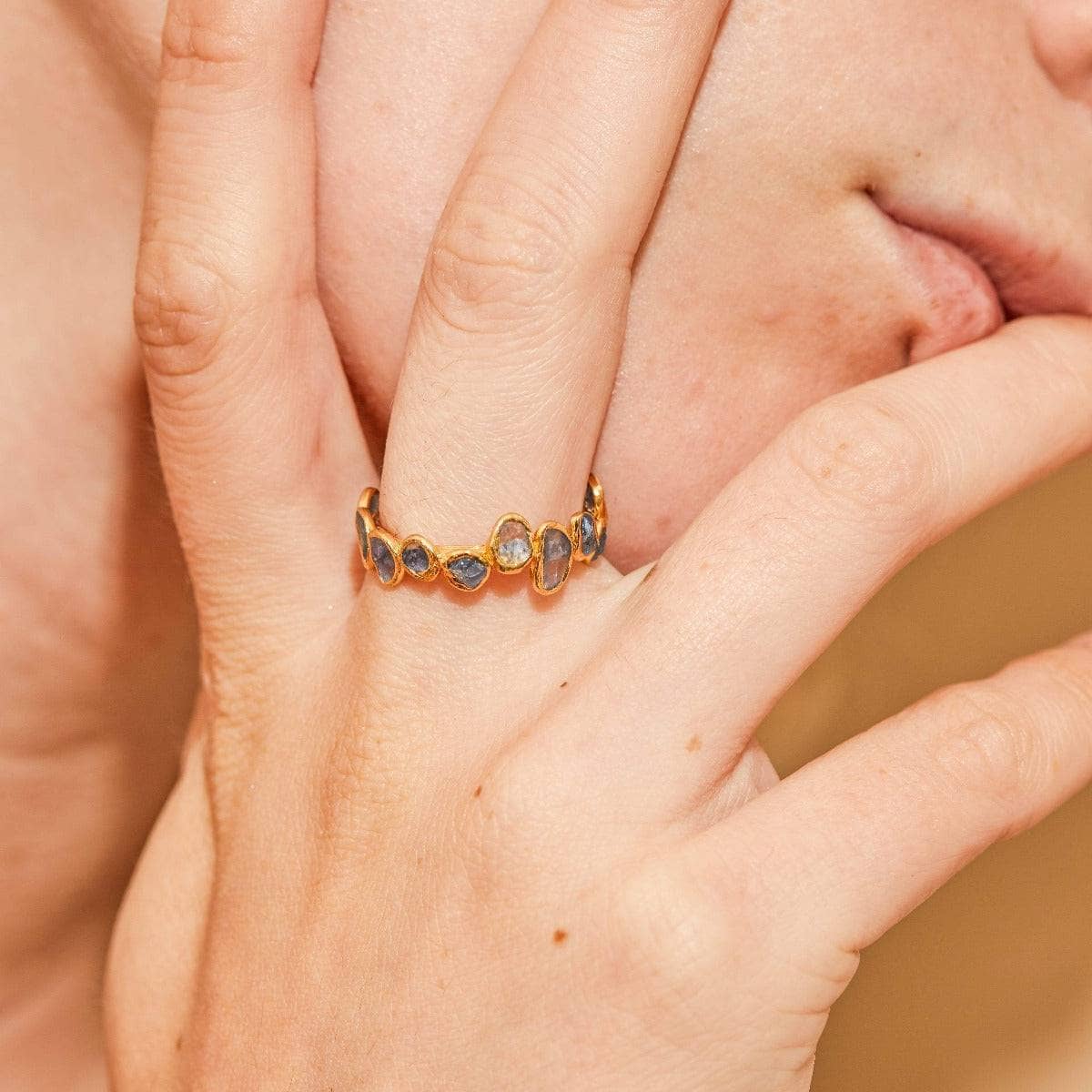
A raw gemstone is a stone that has been left in its natural or minimally processed state, without traditional cutting into precise facets and polished surfaces.
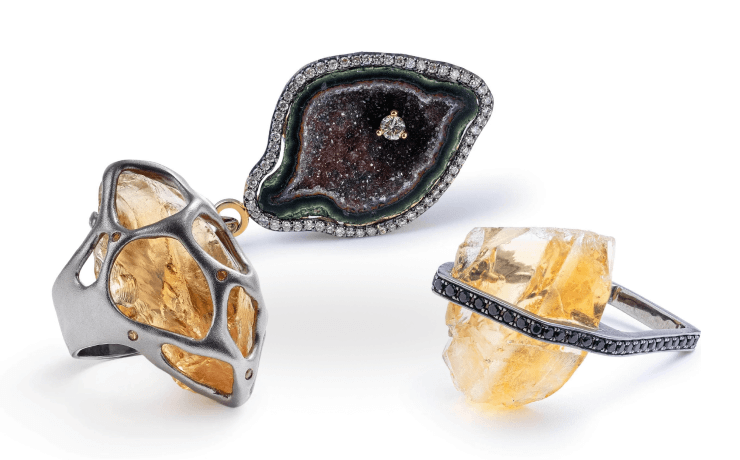
Instead of chasing perfect symmetry, raw gemstones show their original texture, edges, and internal structure, often looking more like small fragments of geology than conventional jewelry stones.
“Raw” or “rough” describes a gemstone’s physical form—how little it has been cut or polished—not its origin. A raw-looking stone is not automatically proof that it is mined, natural, or untreated.
A natural raw gemstone formed geologically and may retain its original crystal shape, surface texture, color zoning, and inclusions, even if it has been cleaned or lightly shaped for use in jewelry.
Raw gemstones keep their natural texture and irregular forms, while polished gemstones are cut into specific shapes and faceted to maximize sparkle and optical perfection.
Polished stones look smooth, precise, and “finished,” whereas raw stones feel more organic, sometimes jagged or asymmetric, with visible inclusions and rough edges that emphasize character over flawlessness.
People who work with crystal energy often believe raw gemstones carry more direct, “unfiltered” energy because they remain closer to their natural state.
While this is a matter of personal belief rather than science, many wearers choose raw crystal jewelry specifically for its perceived stronger connection to the stone’s original vibration and healing properties.
Inclusions, natural surface textures, and irregular shapes are common in raw gemstones and can give each stone its individual character. Inclusions are internal features that may reflect part of a gemstone’s natural growth history, while natural surface textures can preserve more of the stone’s original appearance.
Fractures, cleavage, and surface-reaching cracks are different from inclusions. They are not automatically desirable and may affect durability, setting security, or how a piece should be cared for, so each stone needs to be considered on its own.
Raw gemstone jewelry appeals to collectors who value natural variation, unusual crystal forms, visible inclusions, and texture.
This individuality, combined with the emotional narrative around natural energy and authenticity, makes raw gemstone pieces feel more personal and art-like, especially when designed by artists who treat jewelry as wearable contemporary art rather than traditional status symbols.
Raw gemstone jewelry can appear in repeated designs or as one-of-a-kind pieces; the use of raw stones does not by itself determine how many pieces are produced.
Because natural stones can vary in shape, texture, inclusions, color zoning, and other visible characteristics, examples of the same design may still have noticeable individual variation, which adds to their appeal for collectors searching for individuality.
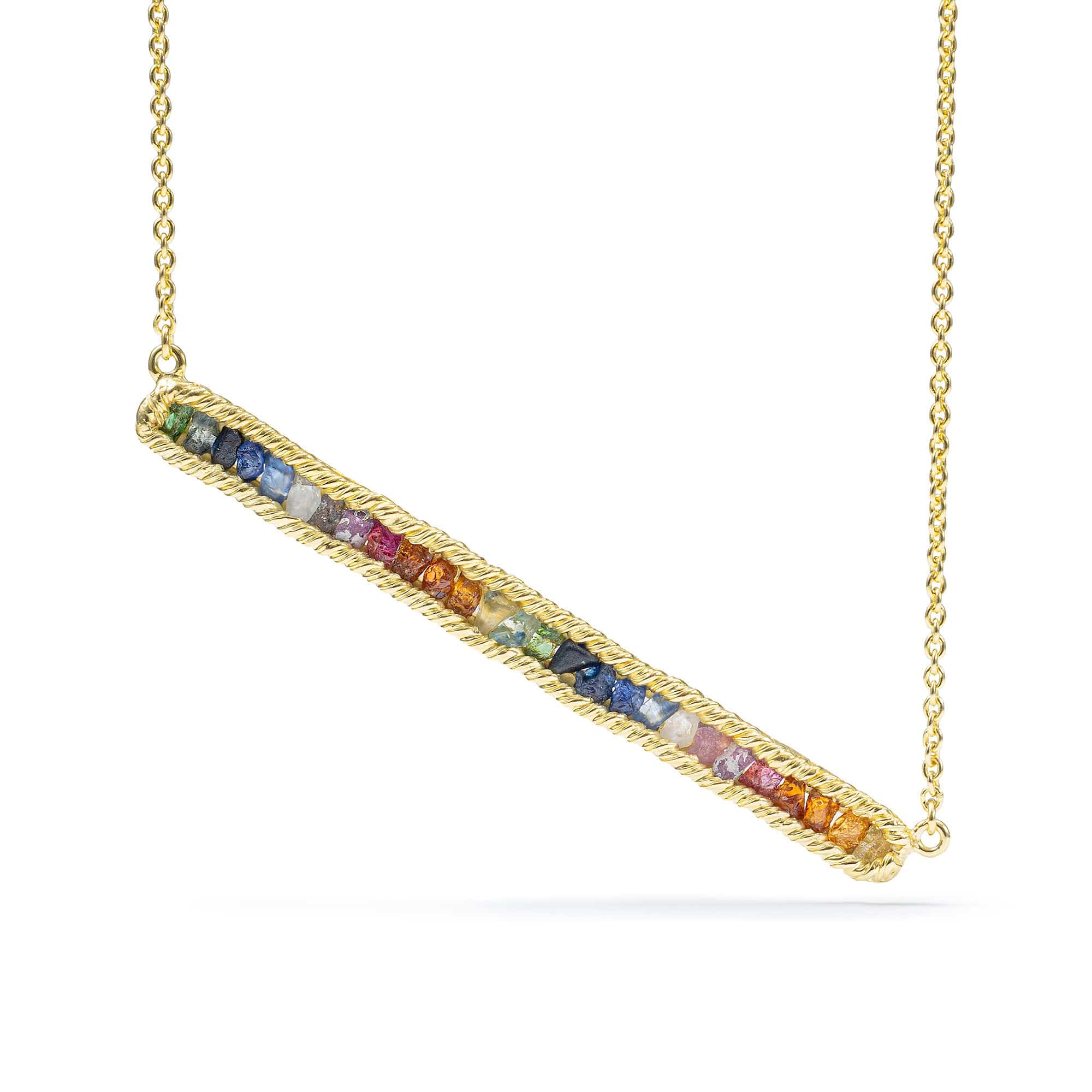
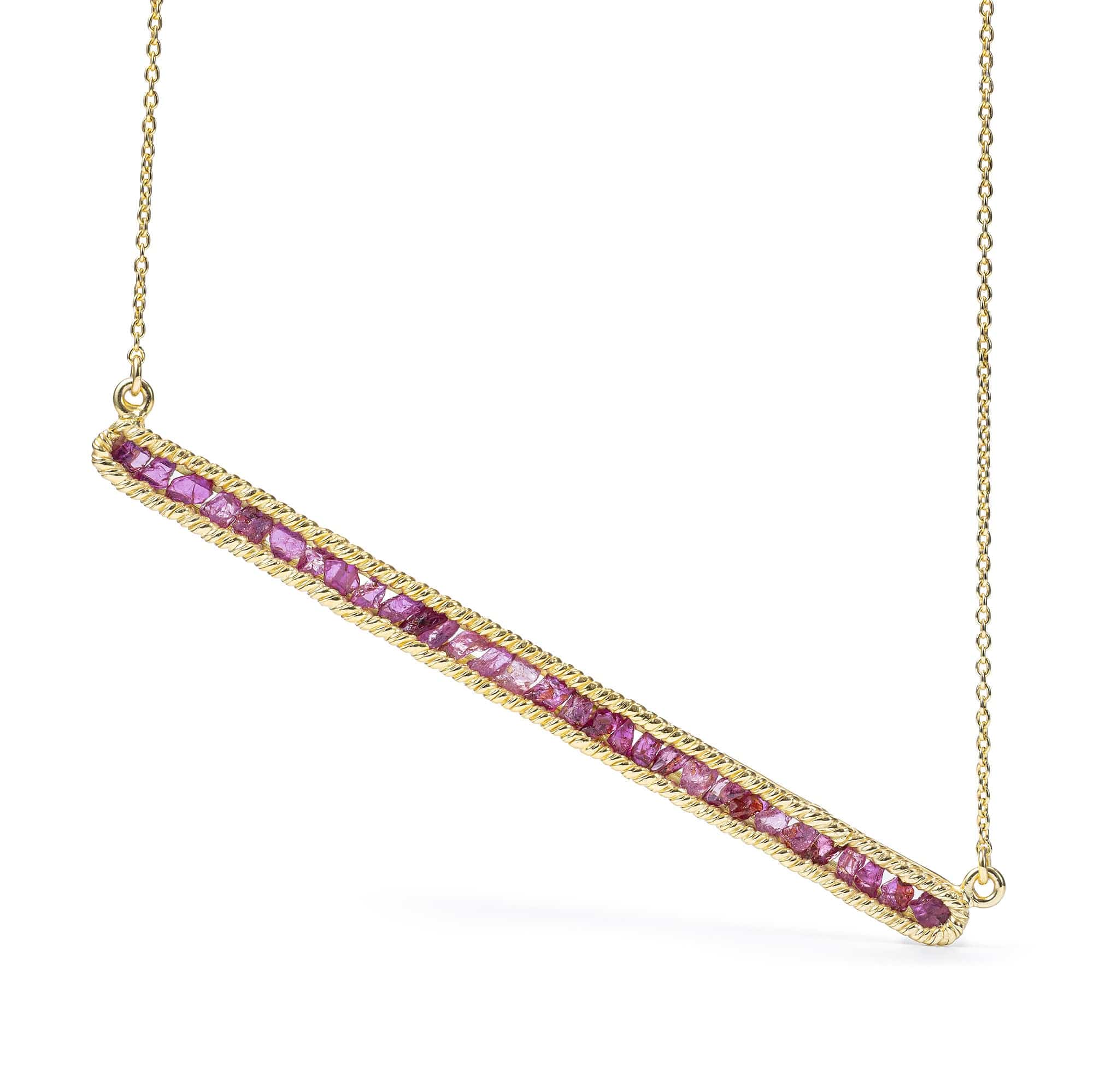
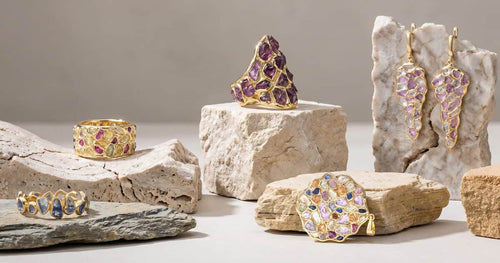
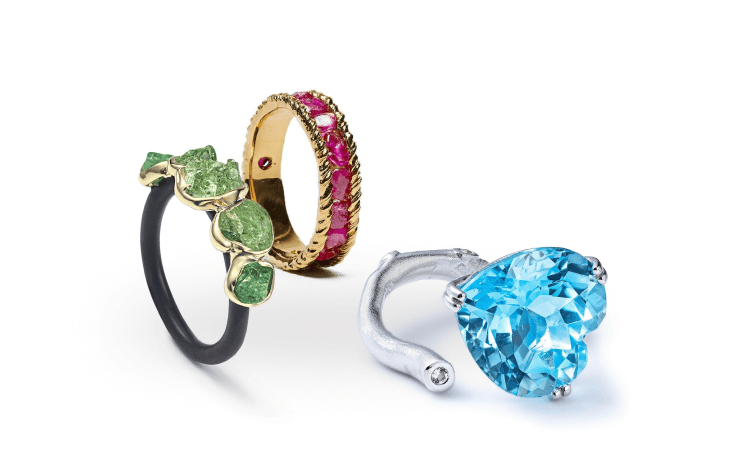
Many gemstones can be used in raw form, including amethyst, citrine, rose quartz, quartz, sapphire, ruby, spinel, garnet, tsavorite, spessartine, chrysoberyl, and chrome diopside. Their crystal forms, color zoning, inclusions, and surface textures can remain visually striking without traditional faceting.
Suitability depends on the individual stone and the jewelry design. Its shape, fractures, durability, and surface condition all matter, as does how the design supports exposed edges and irregular forms.
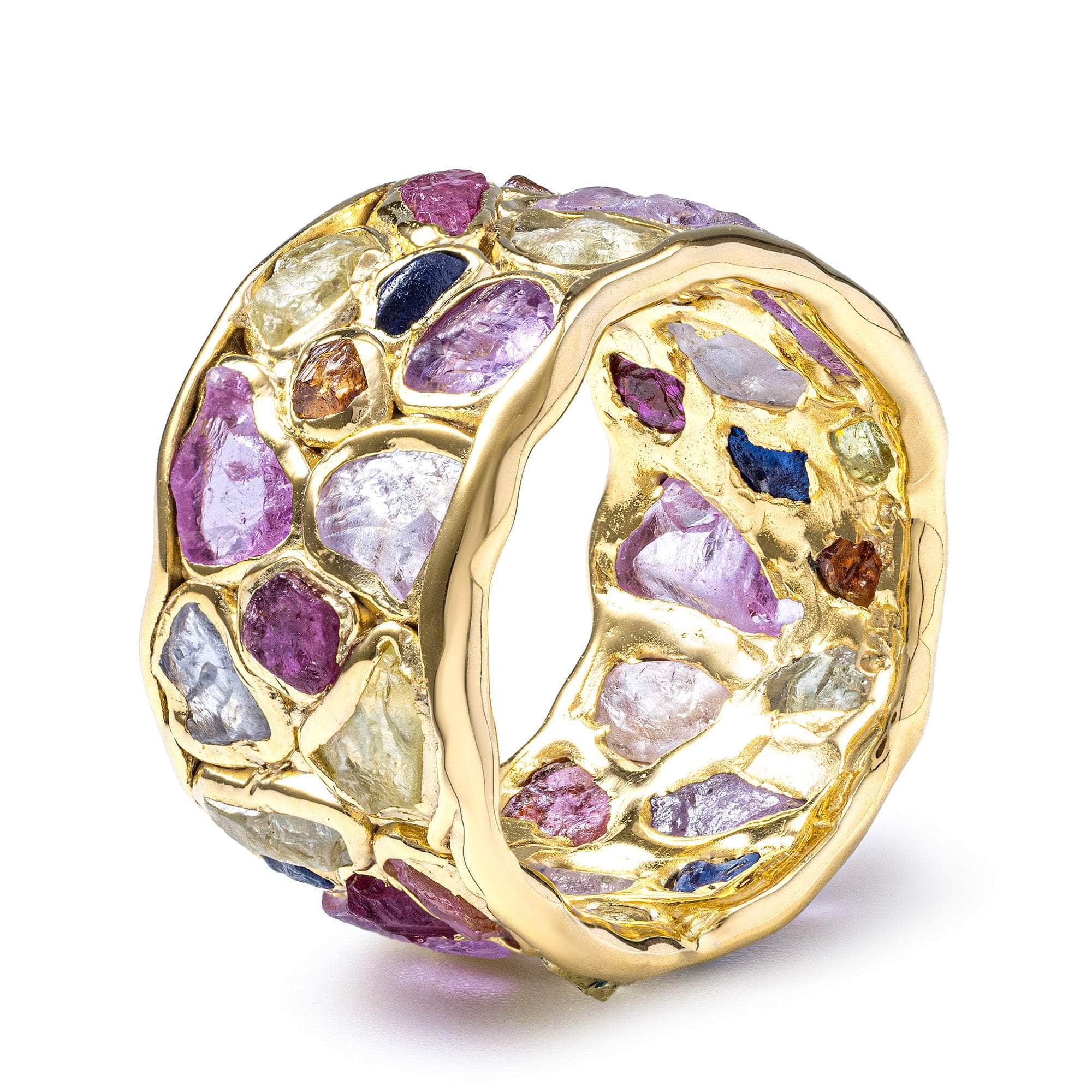
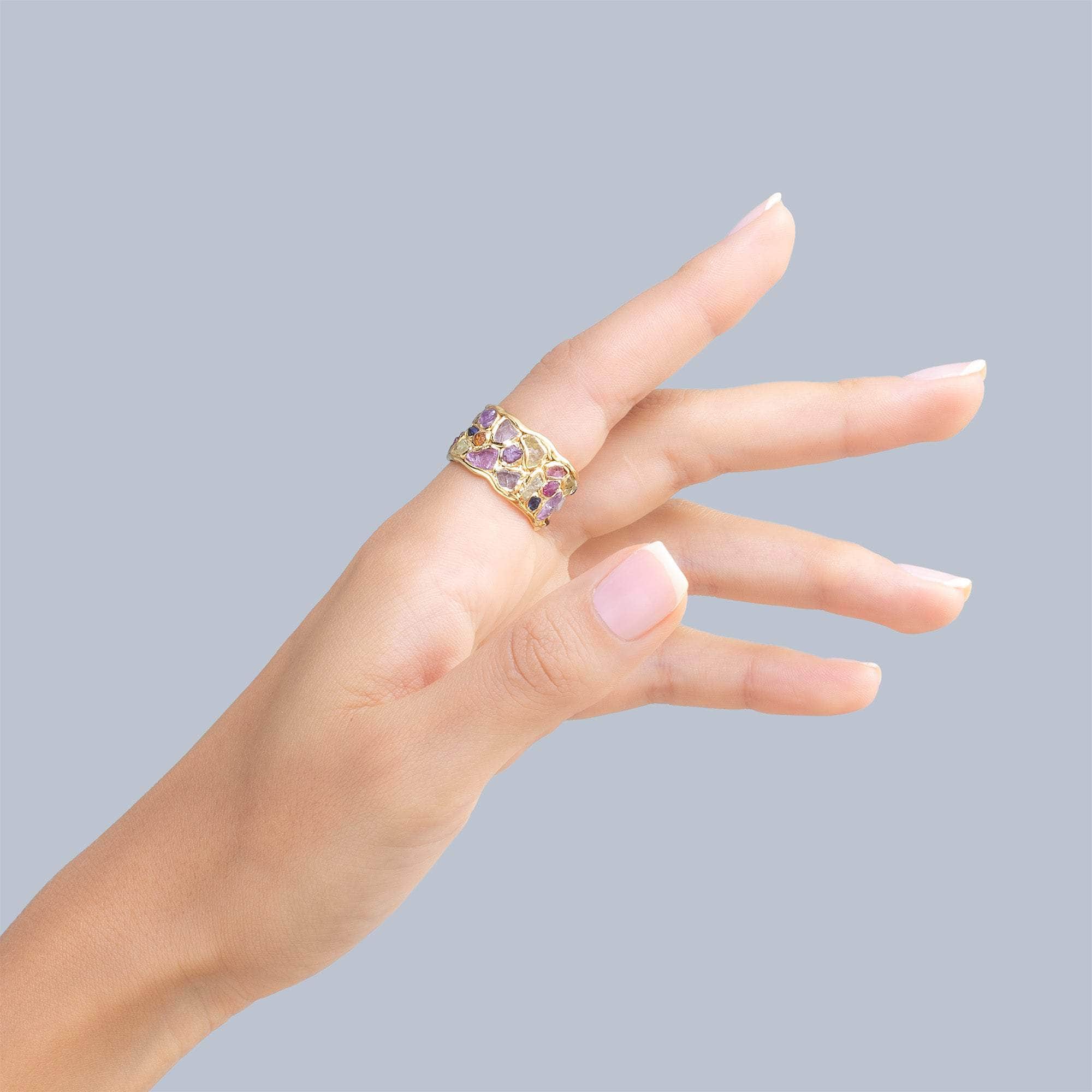
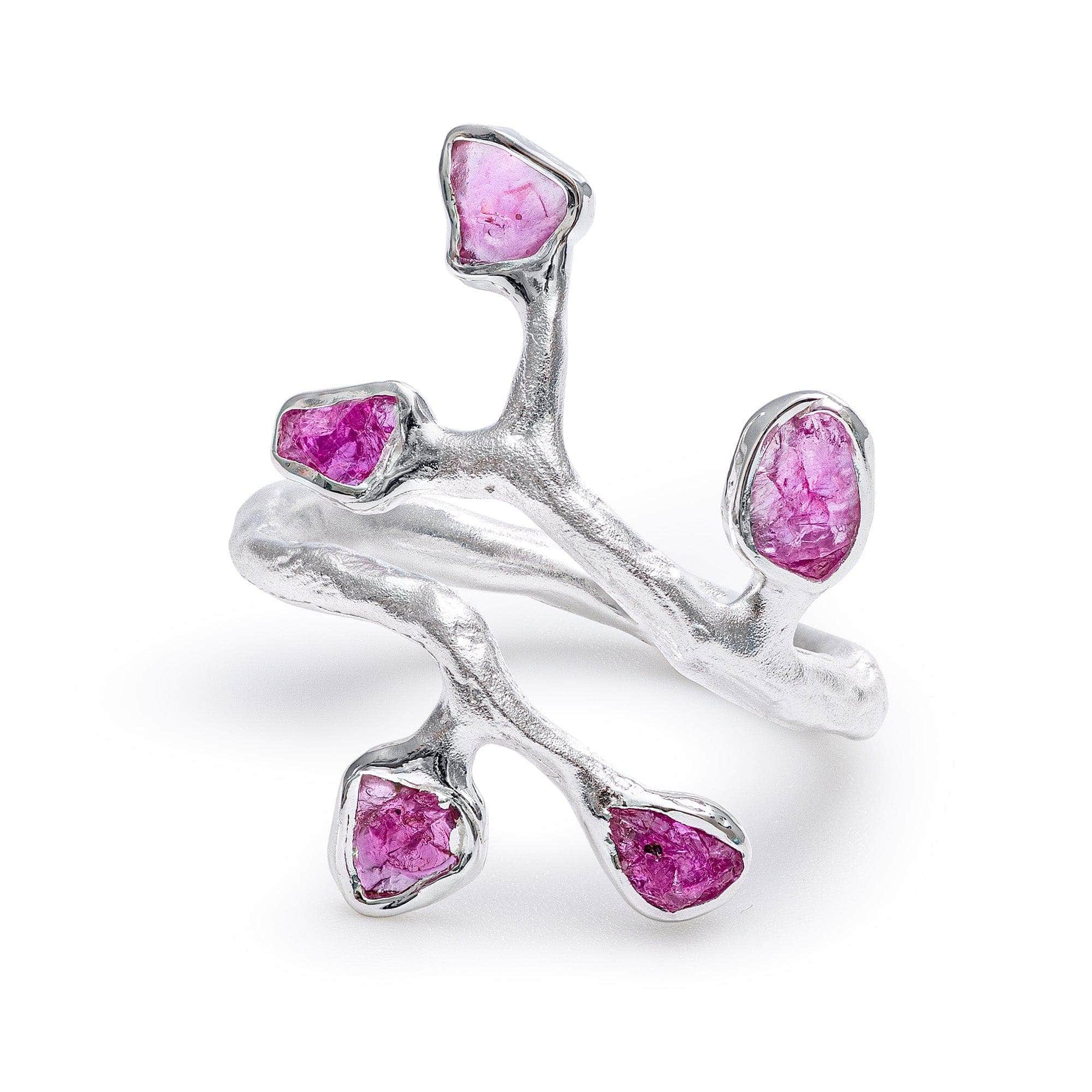
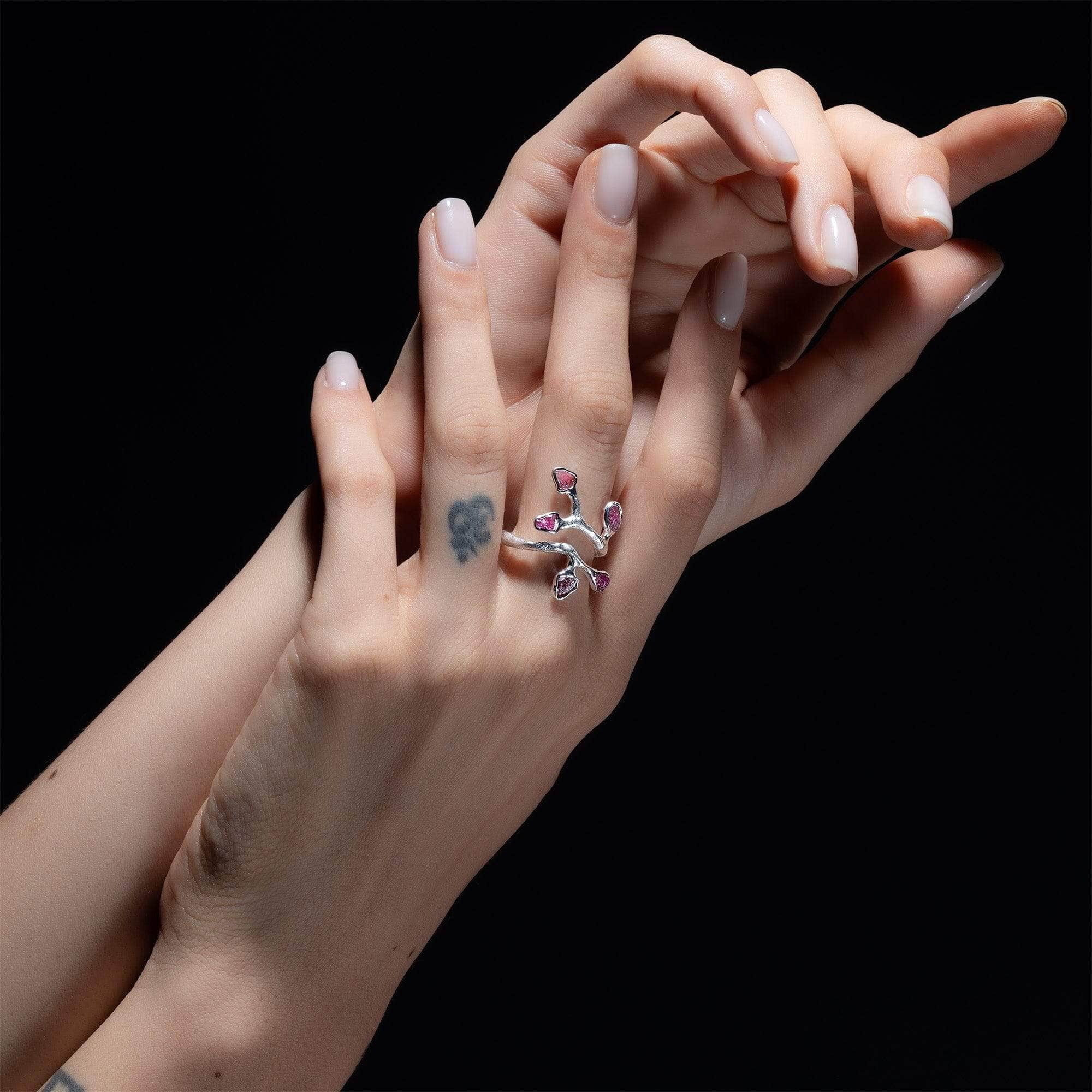
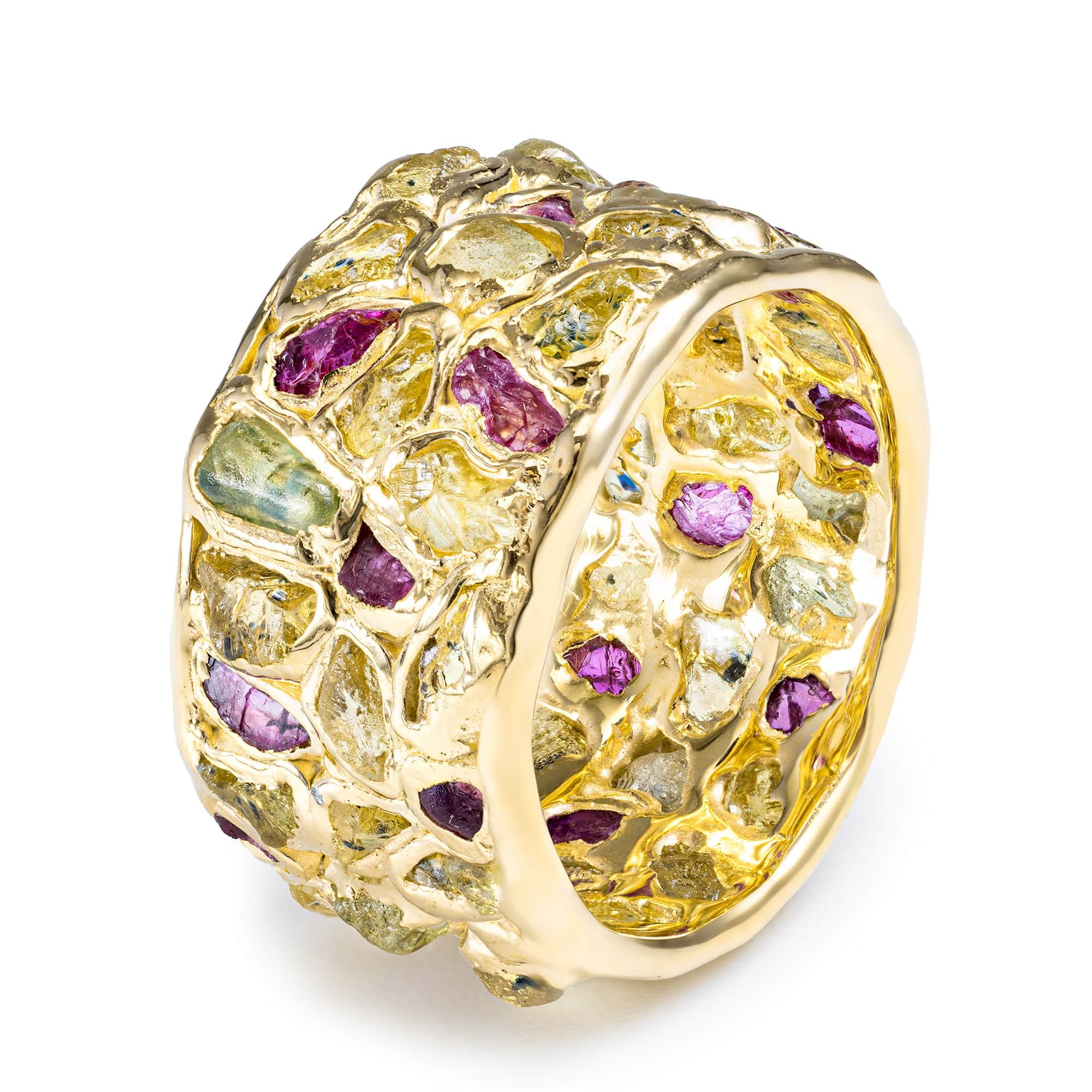
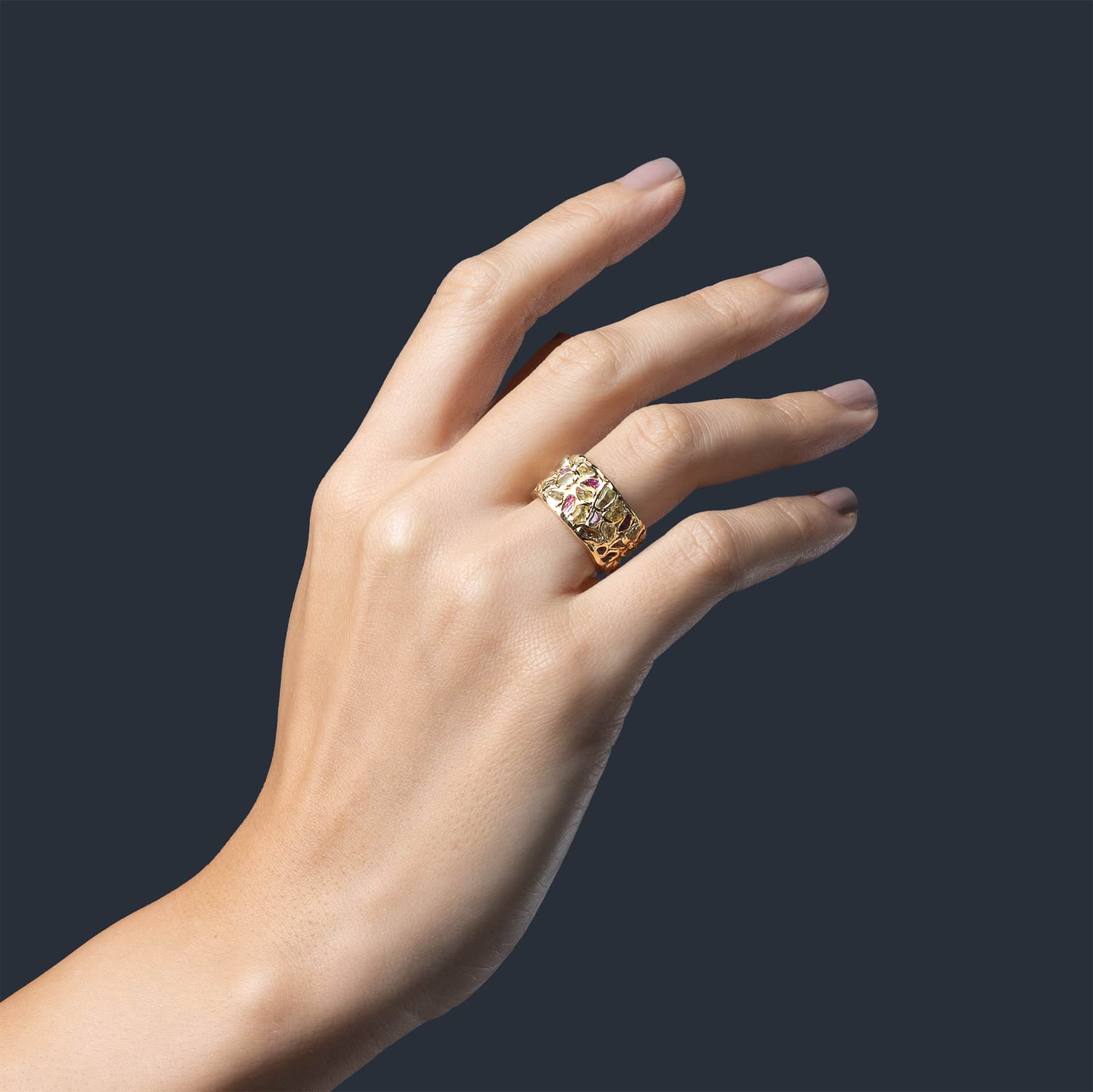
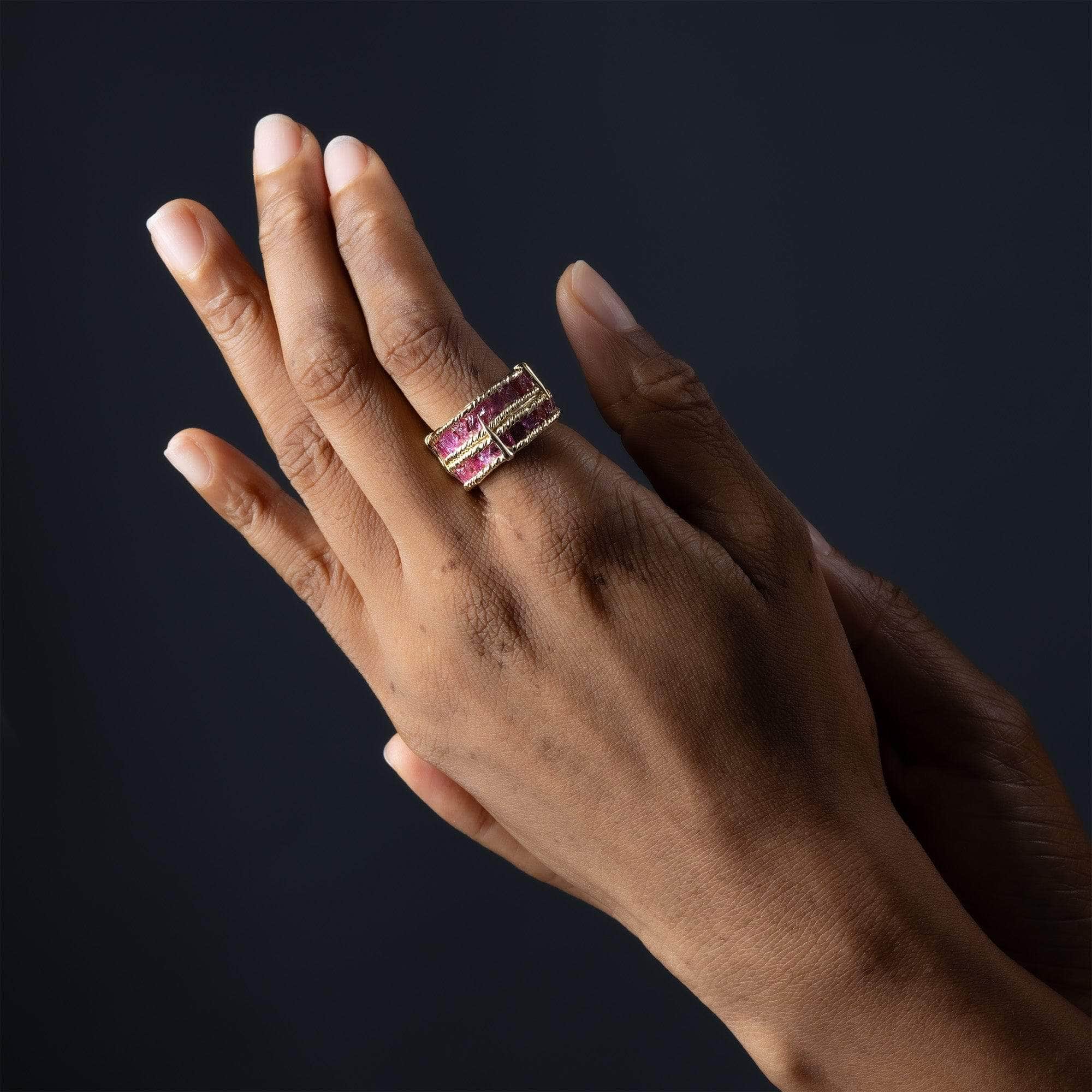
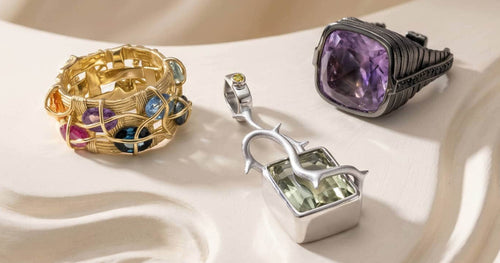
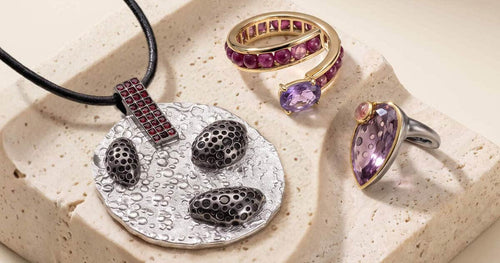
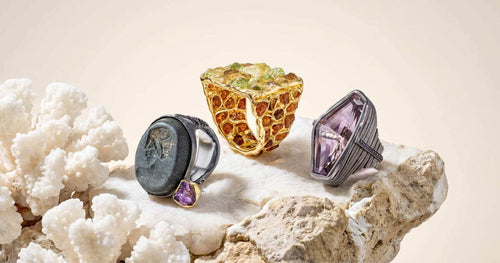
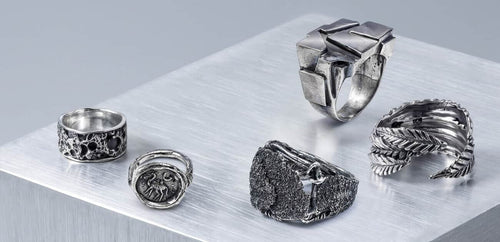
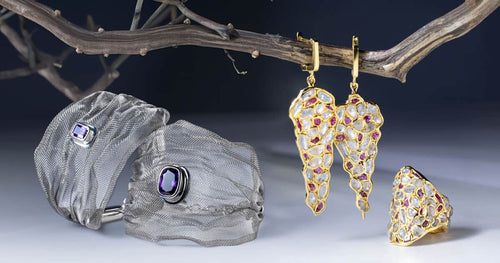
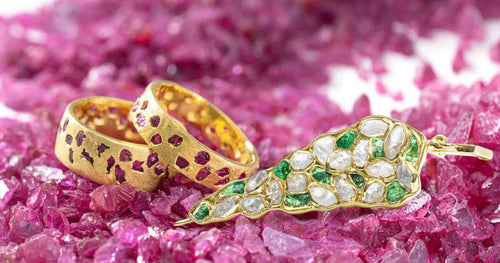
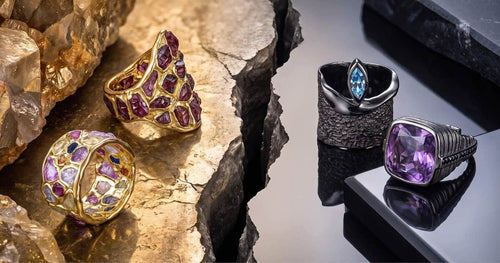
German Kabirski uses raw gemstones as structural and visual elements in sculptural jewelry, working with both substantial crystals and smaller rough stones.
His settings hold irregular stones in place while allowing their shapes, visible edges, textures, and natural variation to remain part of the composition, rather than forcing them into standardized gem forms.
Raw gemstones can have more exposed edges and surfaces than polished gems, so they should be stored separately to avoid scratches and chips.
Care depends on the specific gemstone, any treatments or fractures, its surface condition, and how the jewelry is constructed. When appropriate for the materials, clean the piece gently with mild soapy water and a soft cloth. Avoid harsh chemicals and ultrasonic machines unless the stone, treatments, and setting are known to tolerate them, and treat each piece like a small geological artwork that needs protection from impact and extreme conditions.