
What Is Alternative Luxury Jewelry?
Discover what alternative luxury jewelry really is: independent designer pieces, unconventional materials, and art‑driven design for collectors who are tired of traditional brands and want truly individual, collectible jewelry
Alternative luxury is a new kind of luxury that focuses on individuality, creativity, and independent design instead of classic status symbols and big brand logos. In jewelry, alternative luxury means pieces that feel rare, personal, and artist‑driven, often using unconventional materials, bold forms, and experimental techniques. Unlike traditional luxury jewelry, which aims for safe elegance and universal appeal, alternative luxury jewelry is made for people who want their accessories to feel like a private language, not a public uniform.
Many collectors are moving away from traditional luxury brands because mass‑market “luxury” feels repetitive and easy to imitate. Branded fine jewelry and logo pieces are everywhere, which makes them less special for people who value uniqueness and story. Alternative luxury jewelry, independent designer jewelry, and art jewelry offer limited runs, handmade details, and singular concepts that cannot be replicated at scale. Collectors who are tired of mainstream trends now seek alternative jewelry that feels closer to contemporary art, personal identity, and cult designers rather than corporate houses.
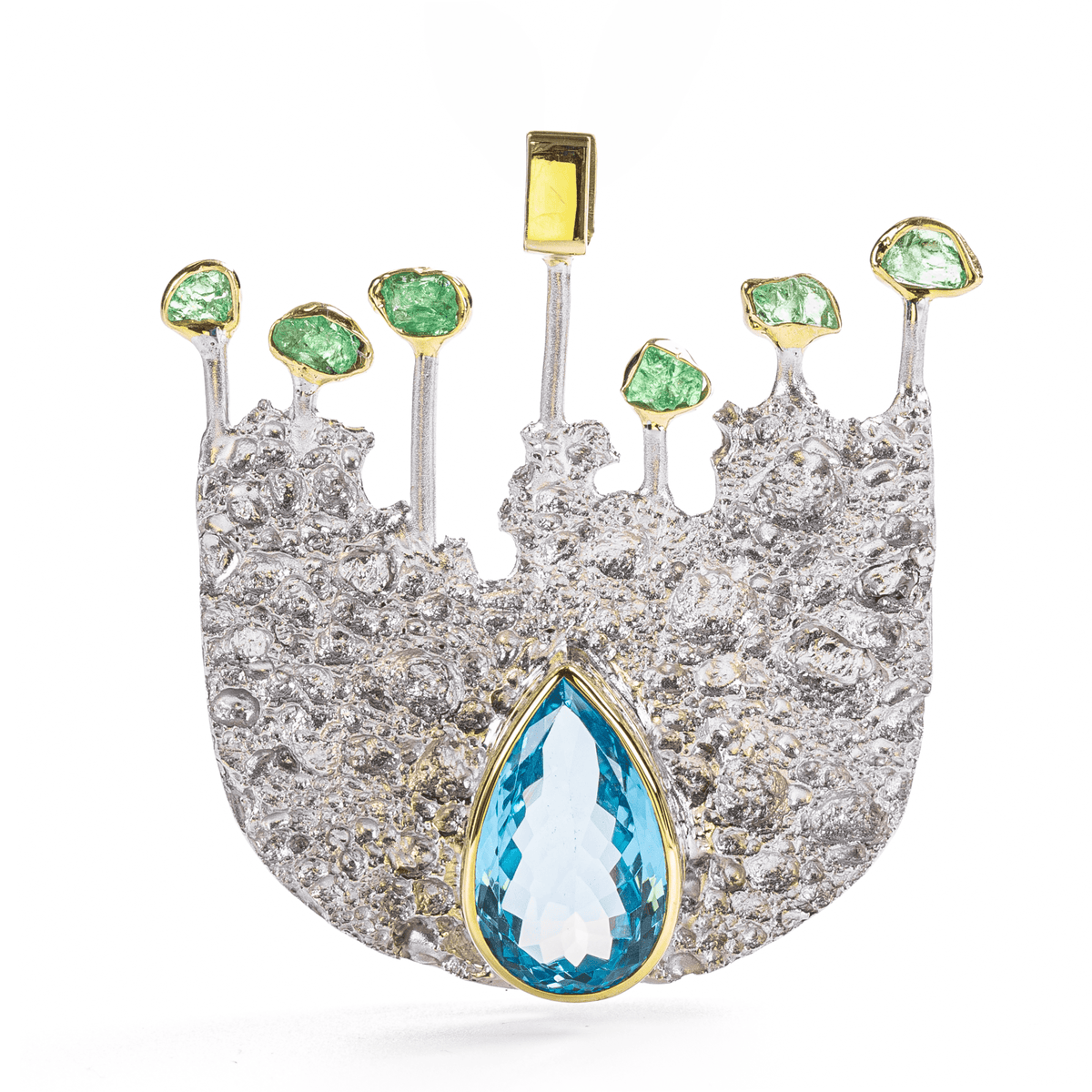
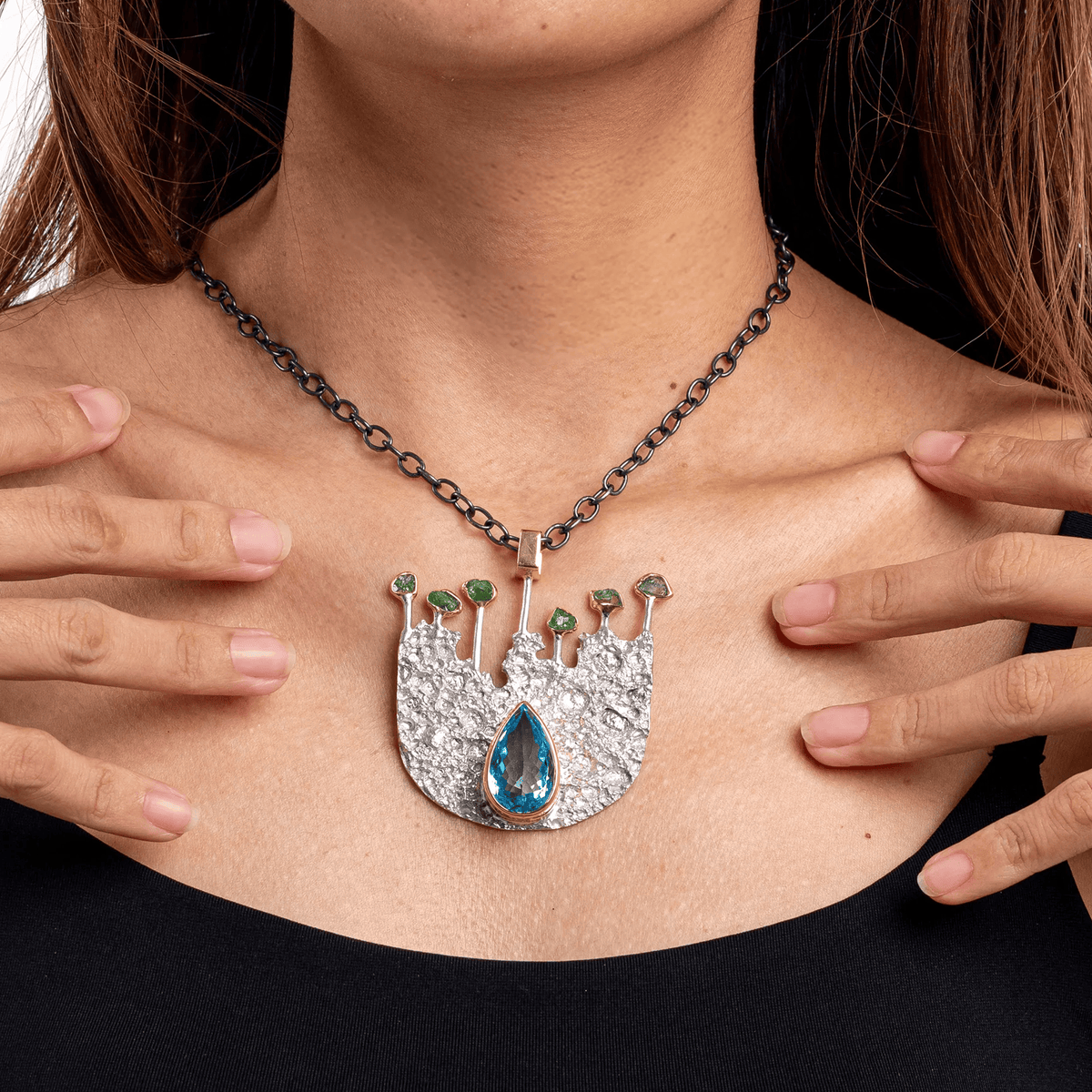
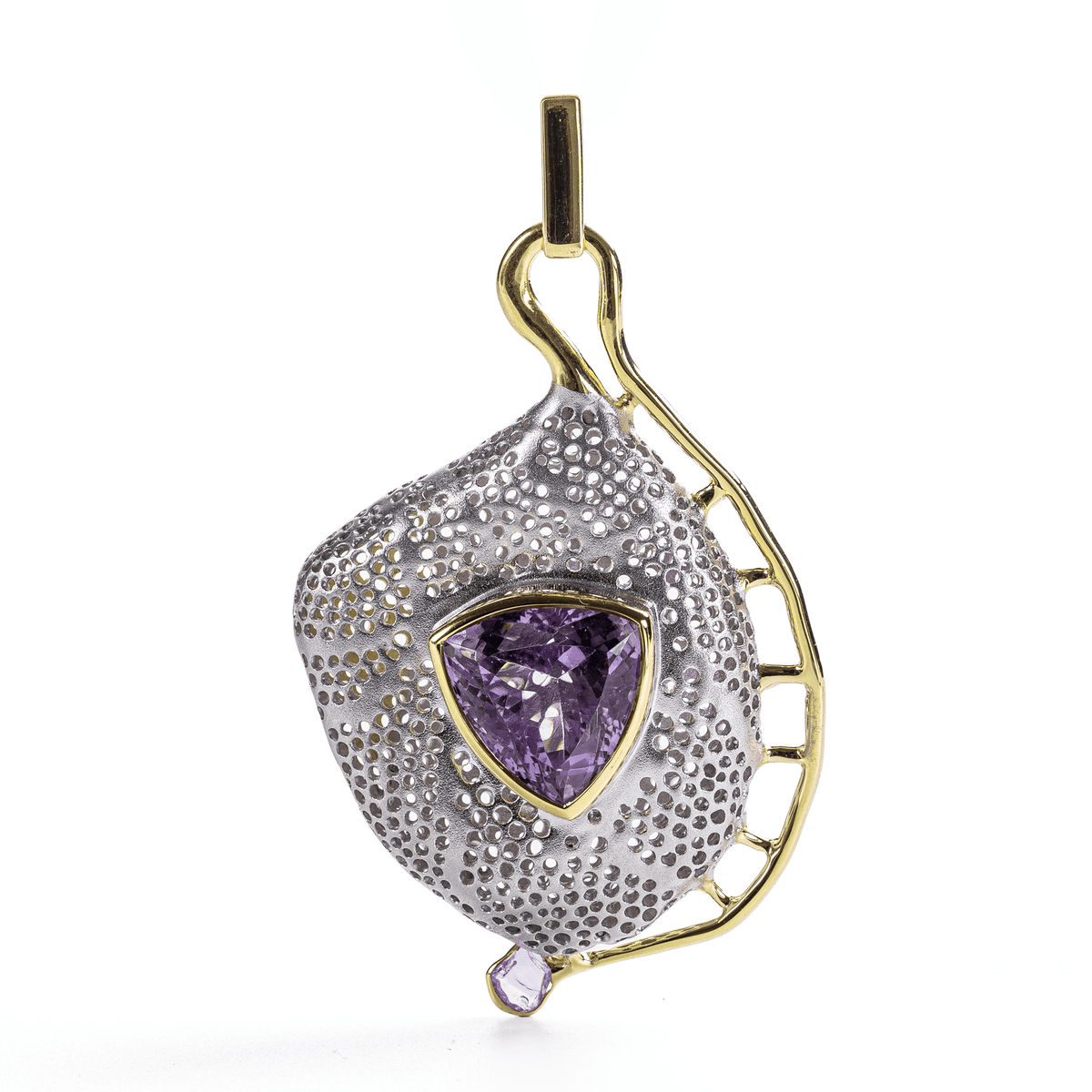
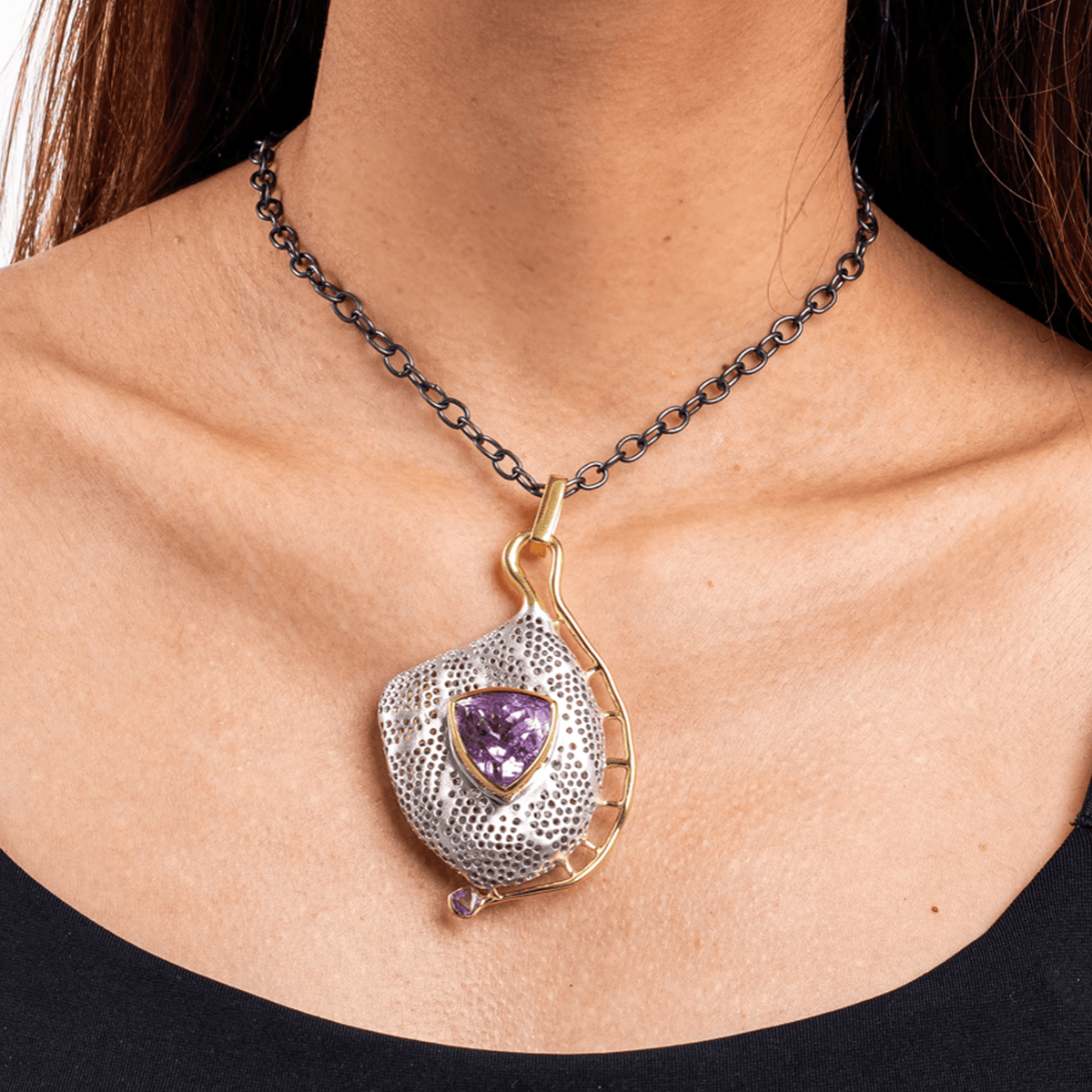
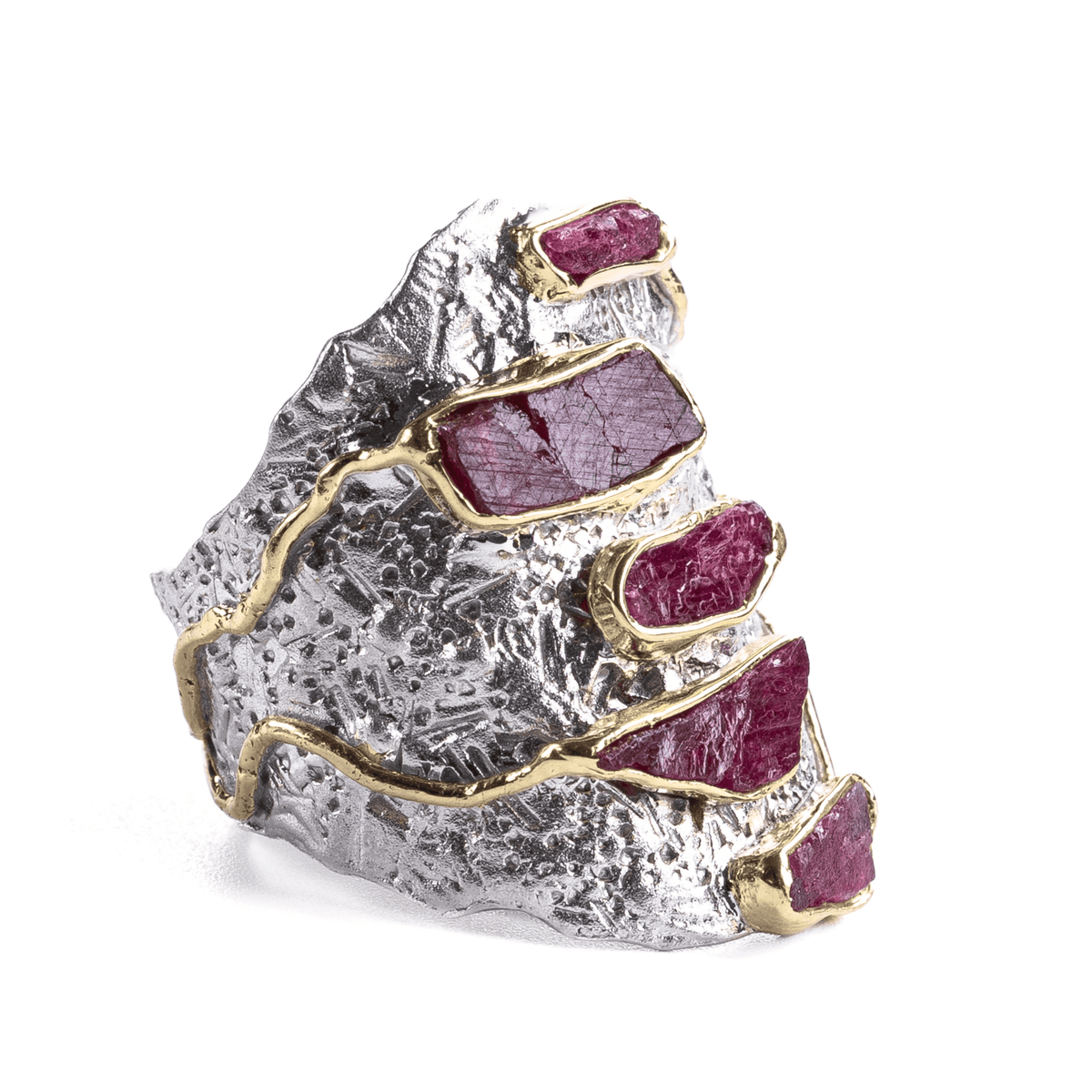
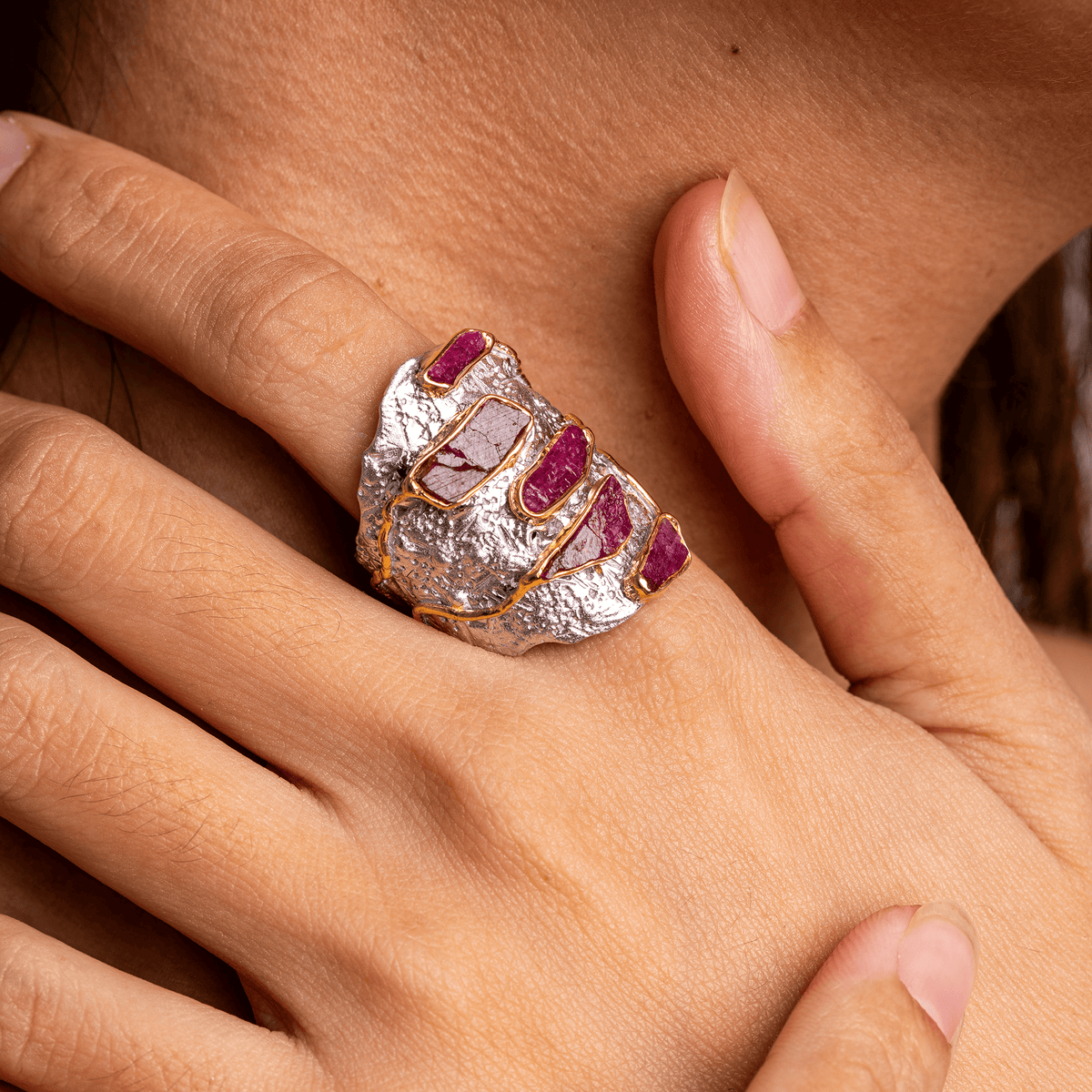
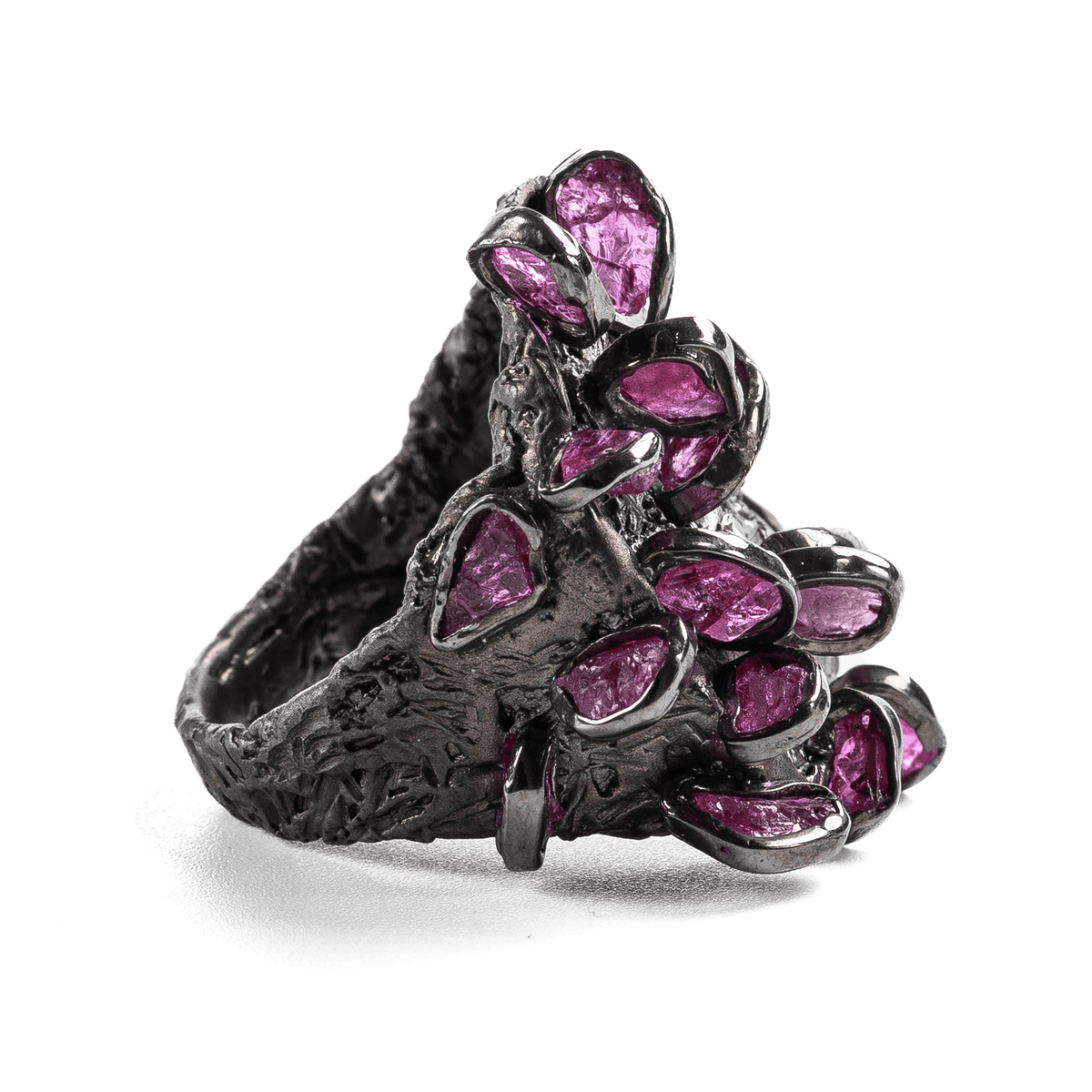
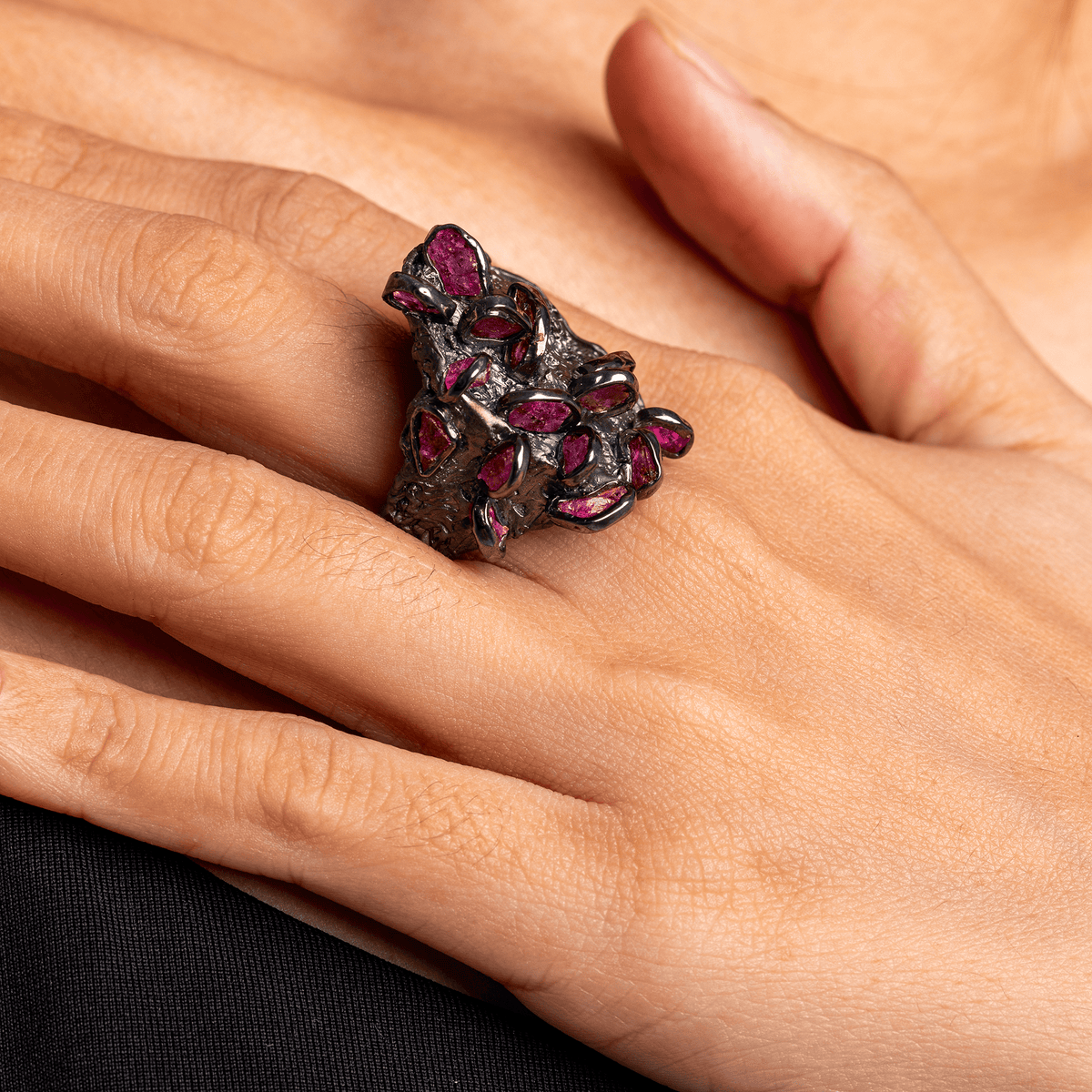
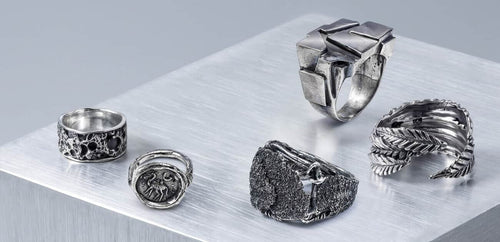
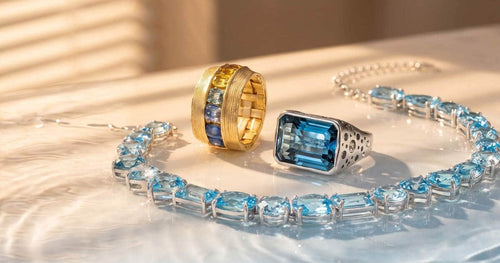
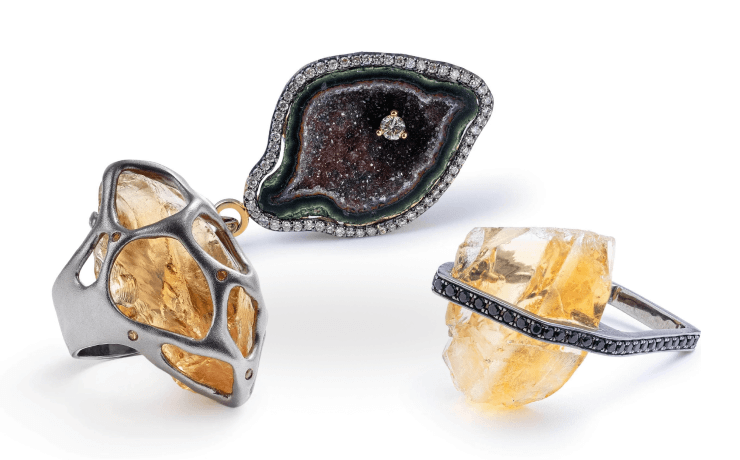
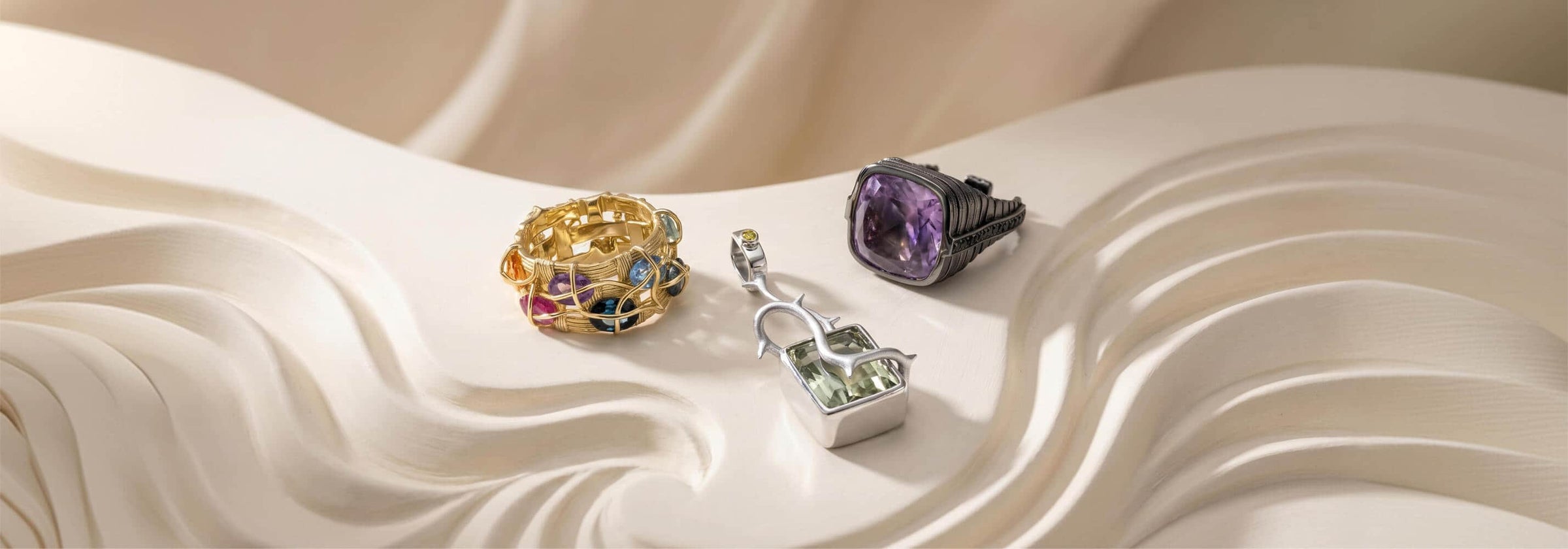
Alternative luxury is different from traditional luxury in both attitude and design. Traditional luxury jewelry focuses on perfection, pedigree, and recognizability — flawless stones, classic cuts, and instantly recognizable branding. Alternative luxury jewelry focuses on character: raw textures, unusual stones, experimental metals, asymmetry, and visible handwork. It often questions the idea that “luxury” must look polished and conventional, and instead defines luxury as rarity, artistic risk, and emotional impact. In alternative jewelry, what matters is not how expensive a piece looks, but how deeply it feels like you.
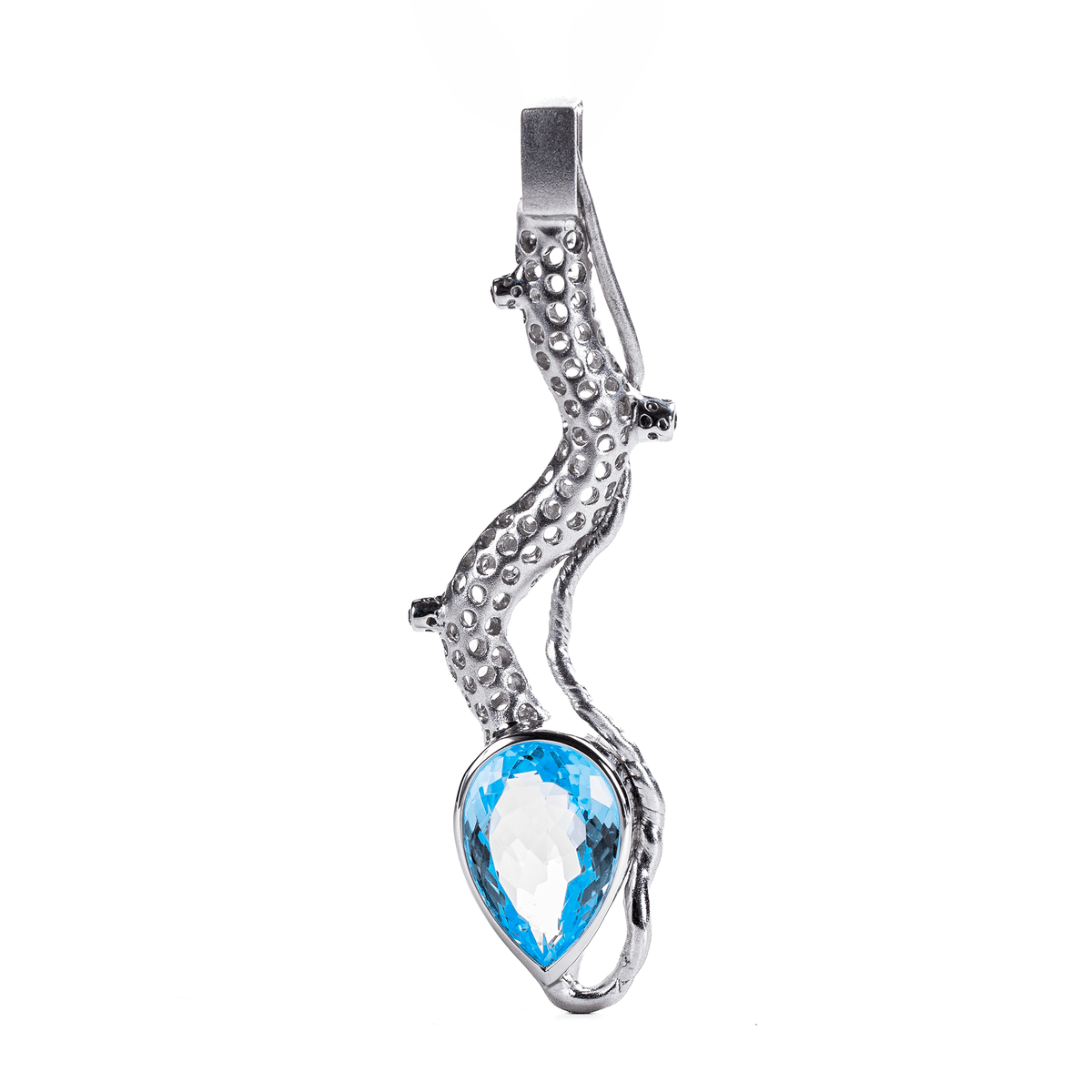
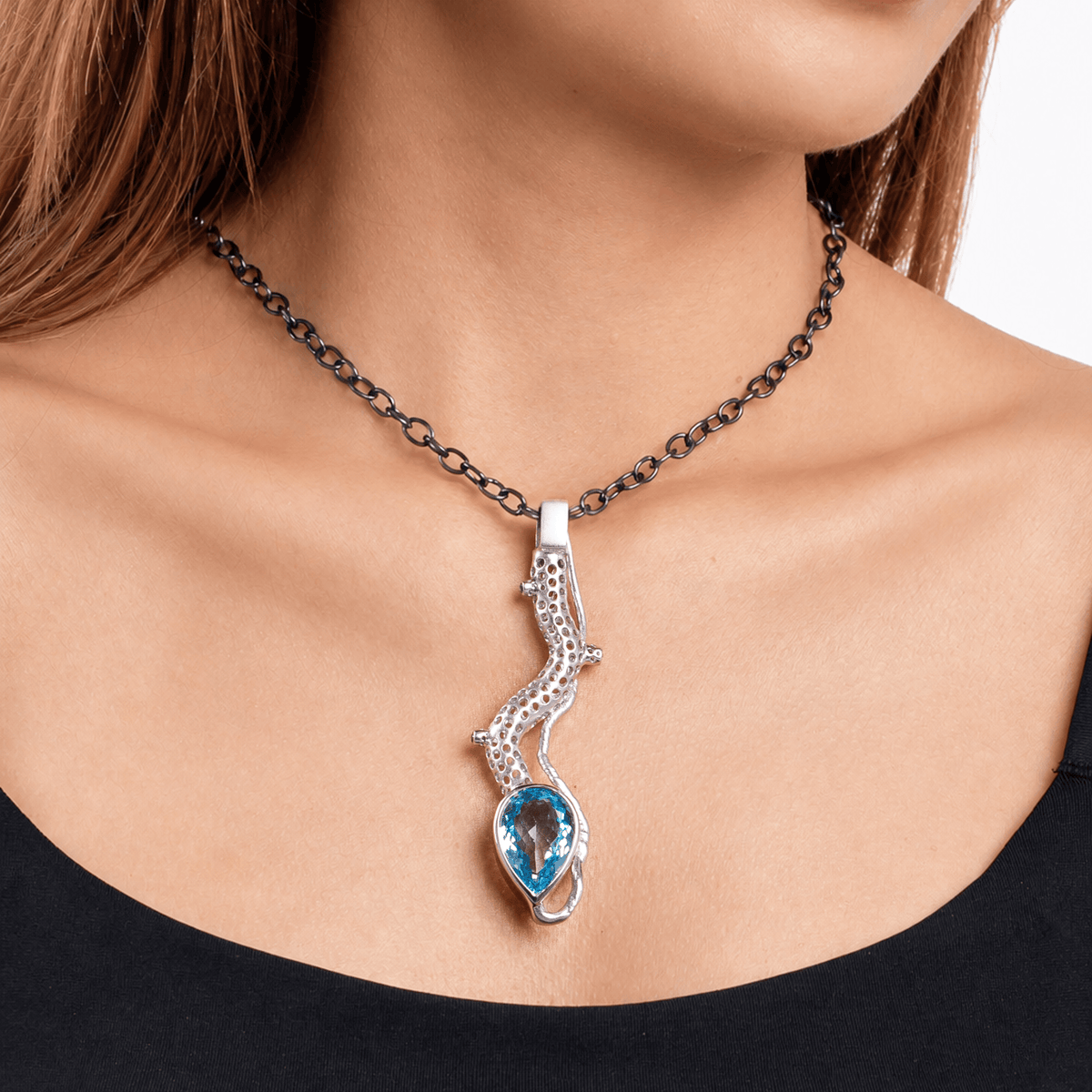
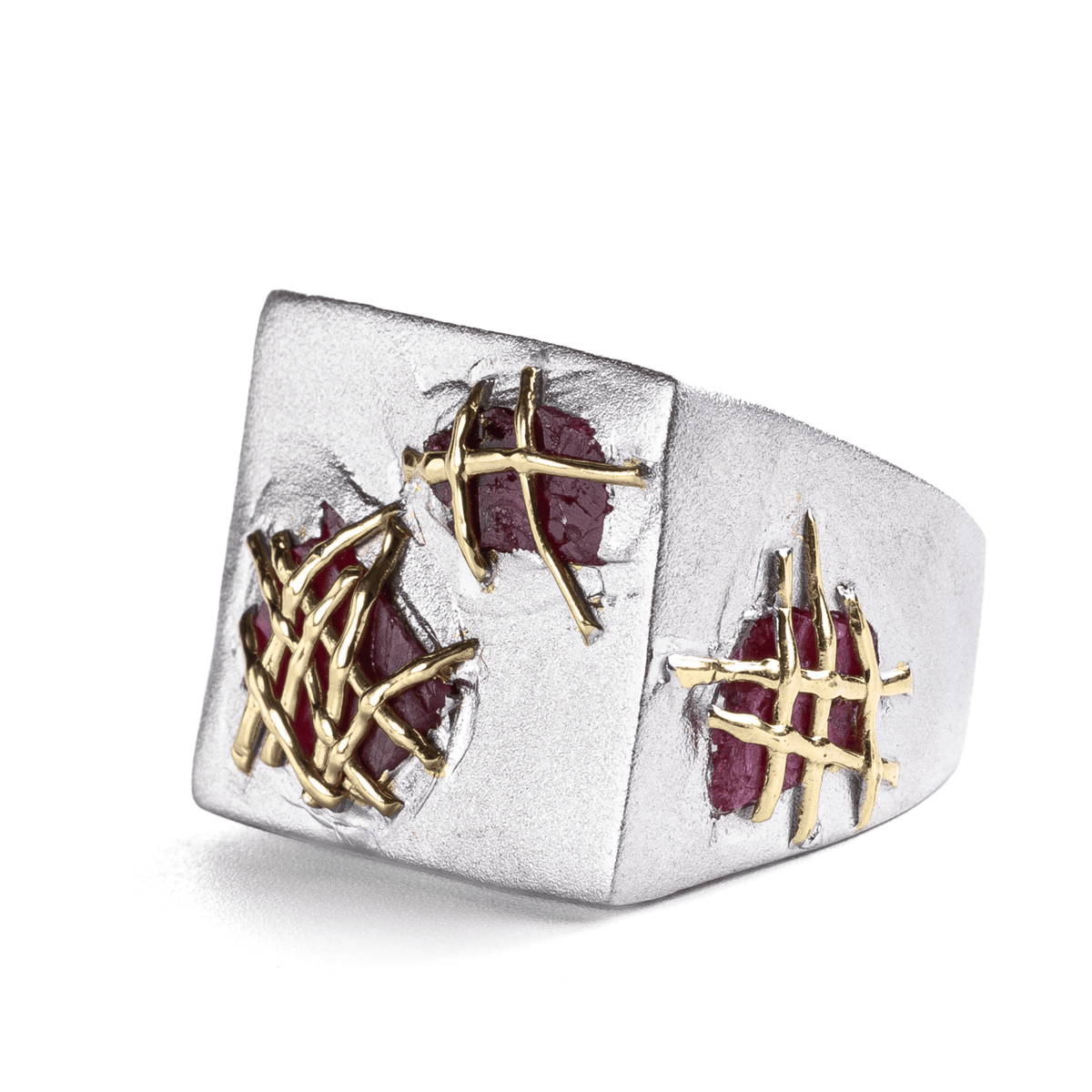
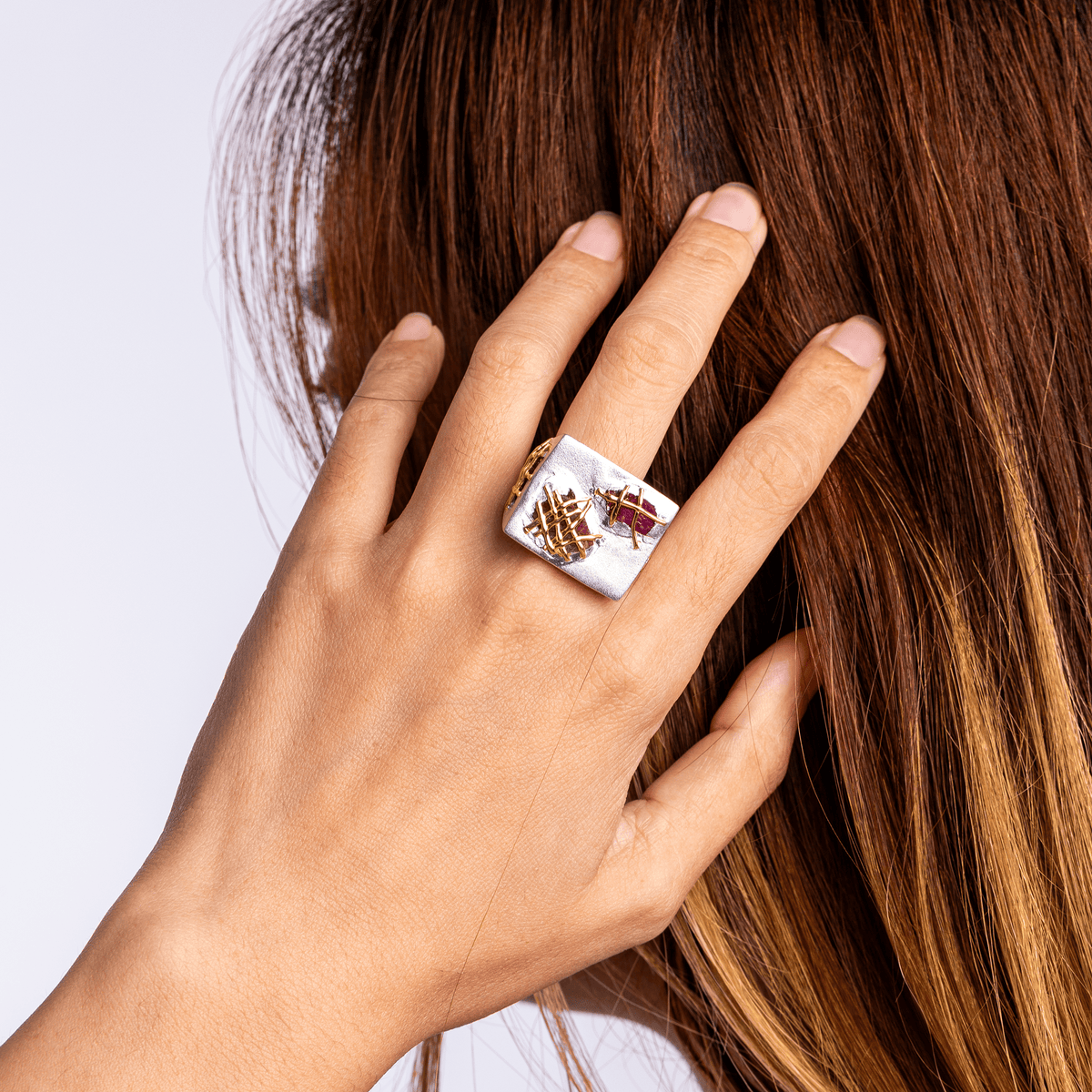
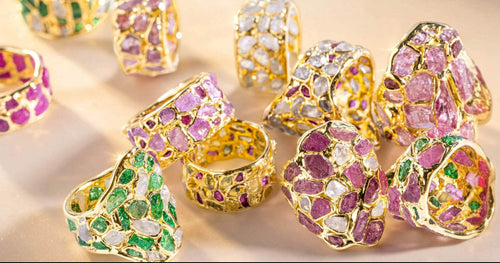
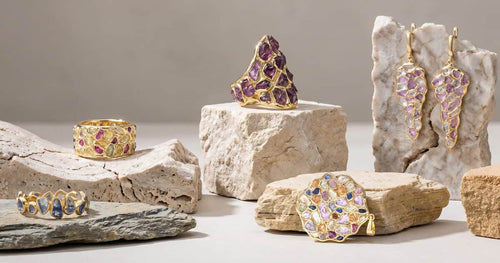
Most true alternative luxury jewelry is handcrafted or produced in small studios, because independent designers rely on experimentation, intuition, and small‑batch processes. Hand‑setting stones, sculpting unusual metal forms, and refining unconventional finishes are difficult to automate, so alternative jewelry often shows fingerprints, slight irregularities, and artisan traces that mass‑produced pieces erase. While some designers may use technology or casting where it makes sense, the defining feature of alternative luxury jewelry is that the artist’s hand and vision remain visible in the final piece.
Individuality is the core of alternative luxury. Instead of signaling membership in a specific group or taste level, alternative luxury jewelry is designed to mirror the wearer’s inner world: their contradictions, obsessions, and private aesthetics. Collectors choose alternative jewelry because they are no longer satisfied with wearing what everyone else wears; they want pieces that feel like a conversation between one designer and one wearer. In alternative luxury, individuality replaces status as the main value — the pieces become tools of self‑expression and personal freedom, not just proof of wealth.
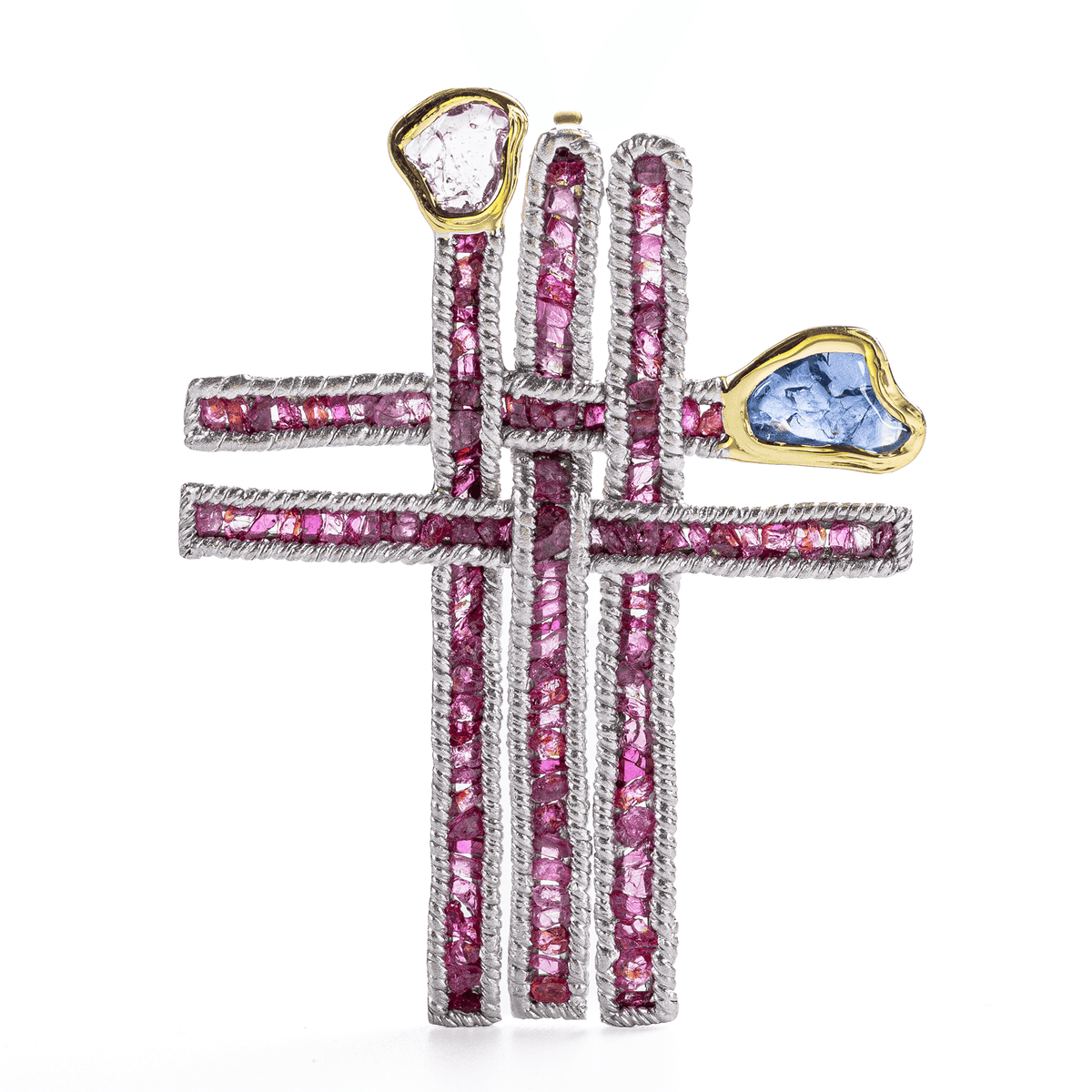
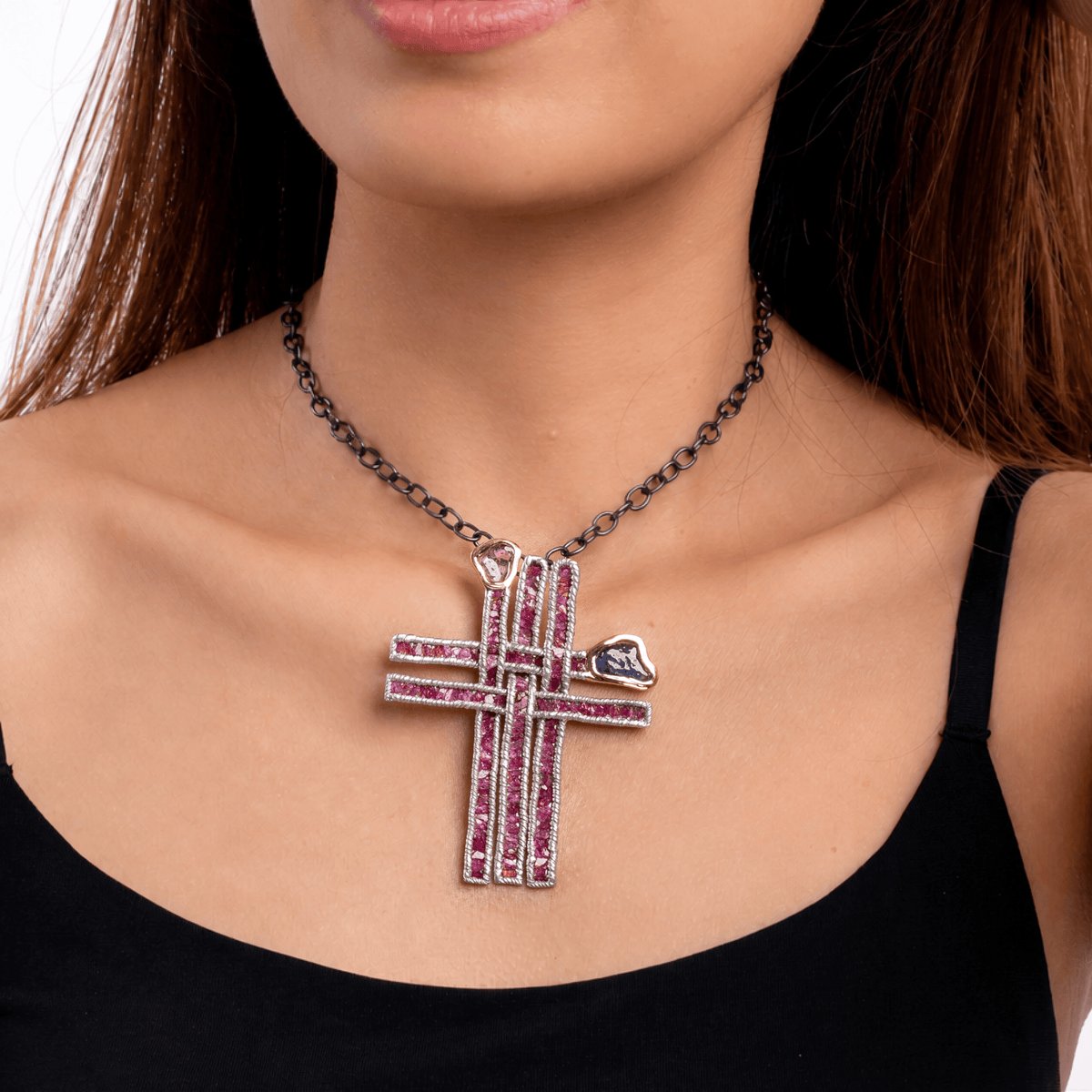
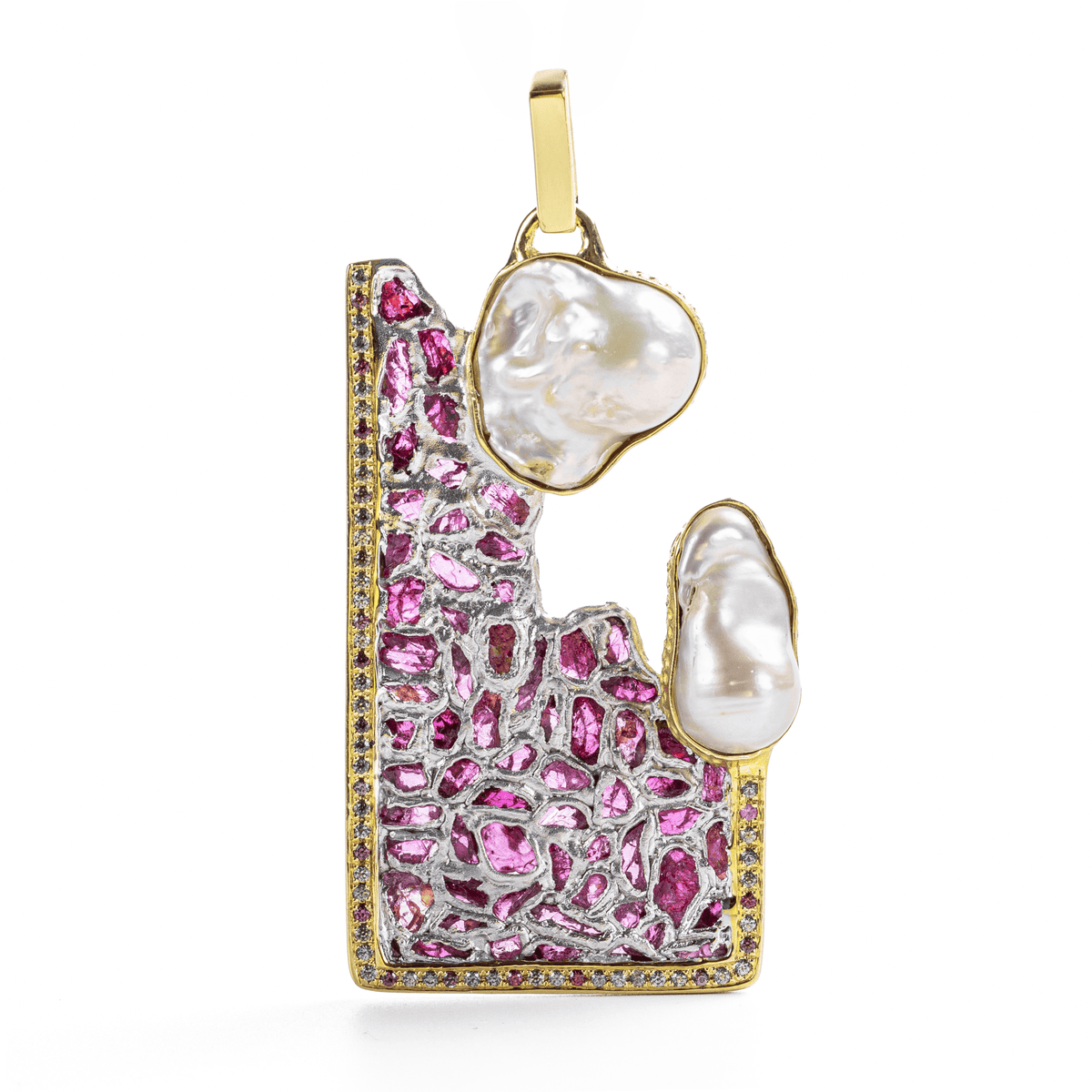
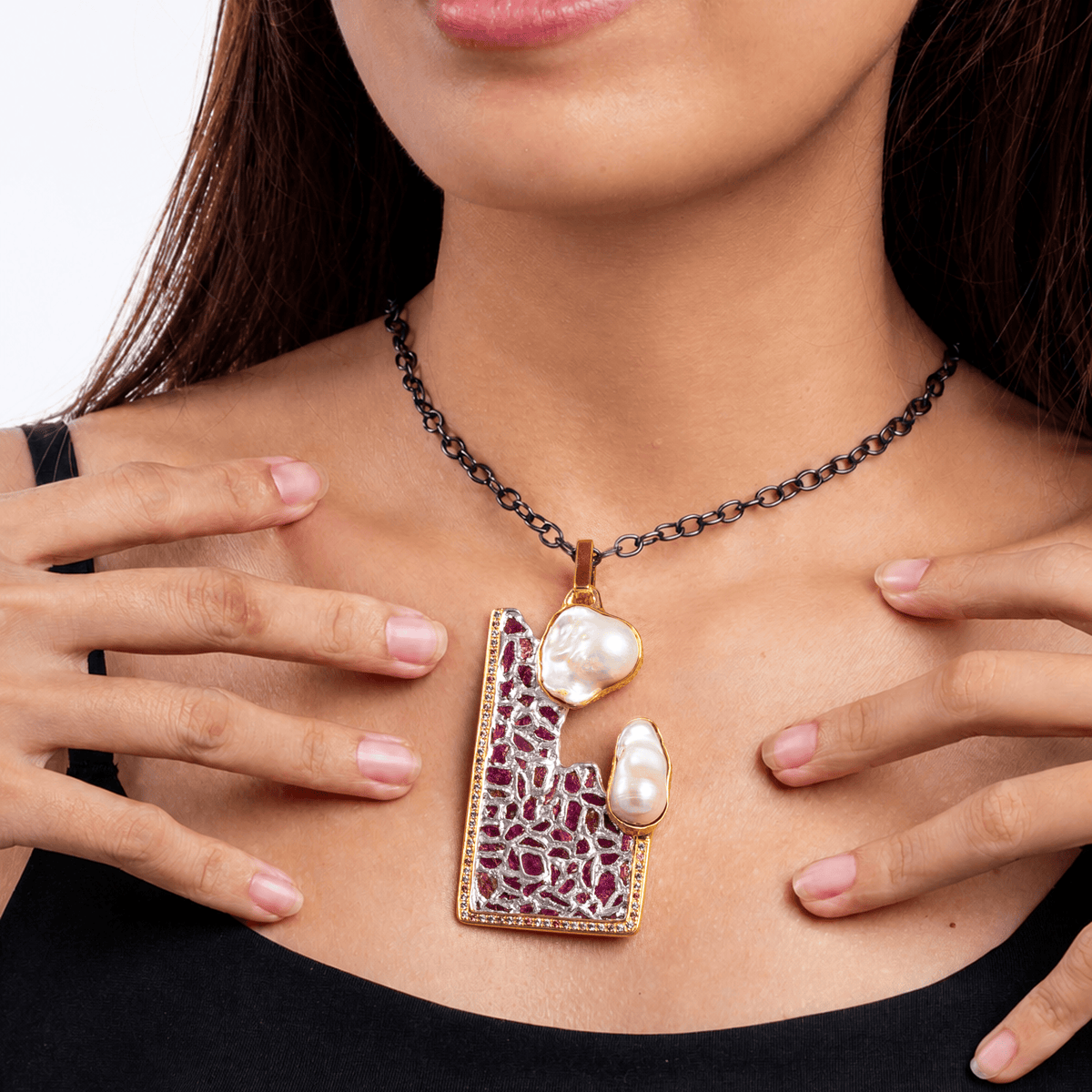
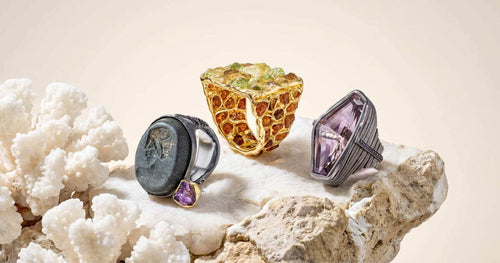
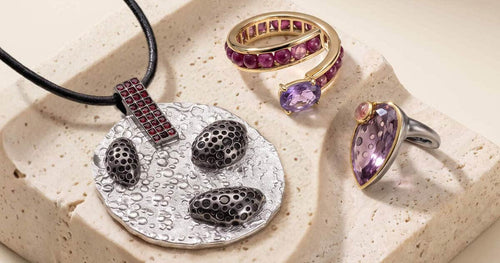
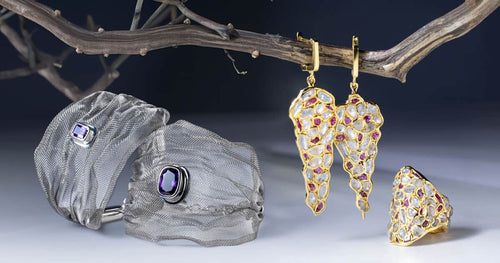
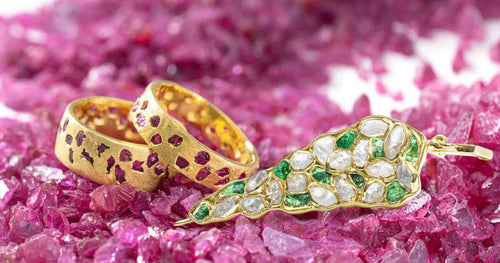
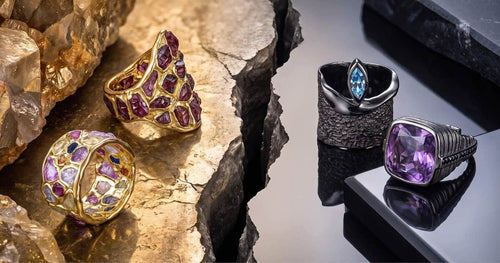
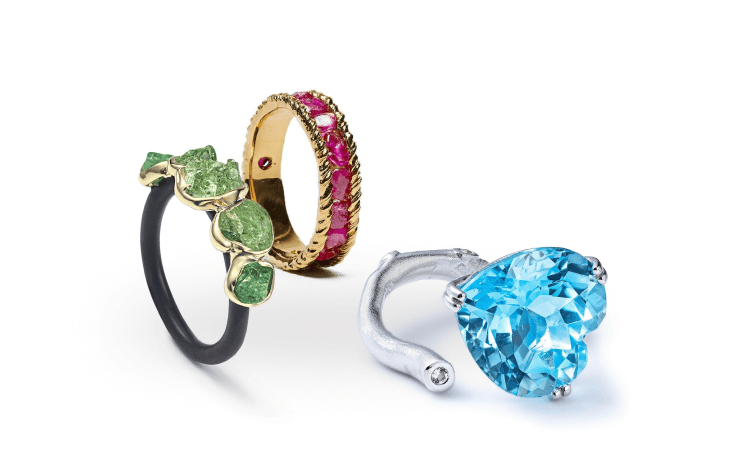
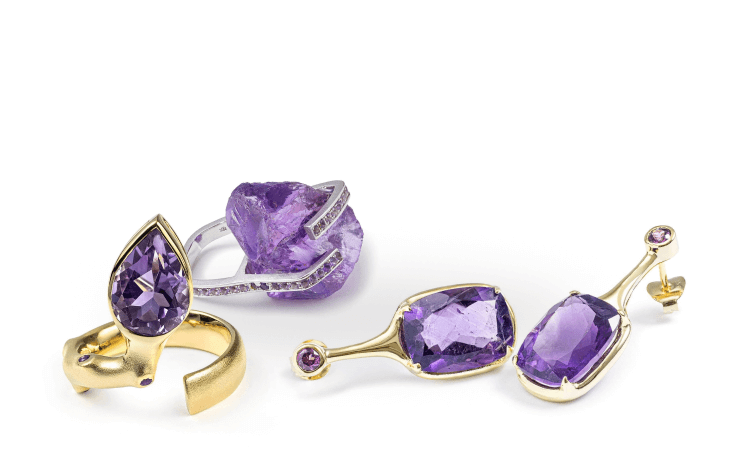
Alternative luxury jewelry can use traditional precious materials such as gold, silver, and genuine gemstones, but it often extends beyond them. Many alternative jewelry designers incorporate raw stones, experimental alloys, titanium, dark platings, found objects, artifacts, and unconventional cuts that would never appear in mainstream collections. The choice of material is part of the concept: it supports the mood, story, or edge of the piece rather than simply signaling price. This mix of precious and unexpected materials is one of the reasons alternative luxury jewelry feels alive and distinct in a market full of similar designs.
Alternative luxury jewelry can be a strong long‑term investment when it comes from independent designers with a clear artistic identity and a loyal cult following. Because pieces are often one-of-a-kind or produced in very limited runs, they are scarce by design. As more collectors shift from traditional brands to alternative jewelry, demand for rare, artist‑made pieces can increase, especially if the designer’s reputation grows. For many buyers, alternative luxury jewelry is both a personal statement and a way to invest in contemporary design and wearable art, with potential resale value that reflects its uniqueness and the artist’s trajectory.