

What Is One-of-a-Kind Jewelry? Meaning, Value, and Why It Can't Be Copied
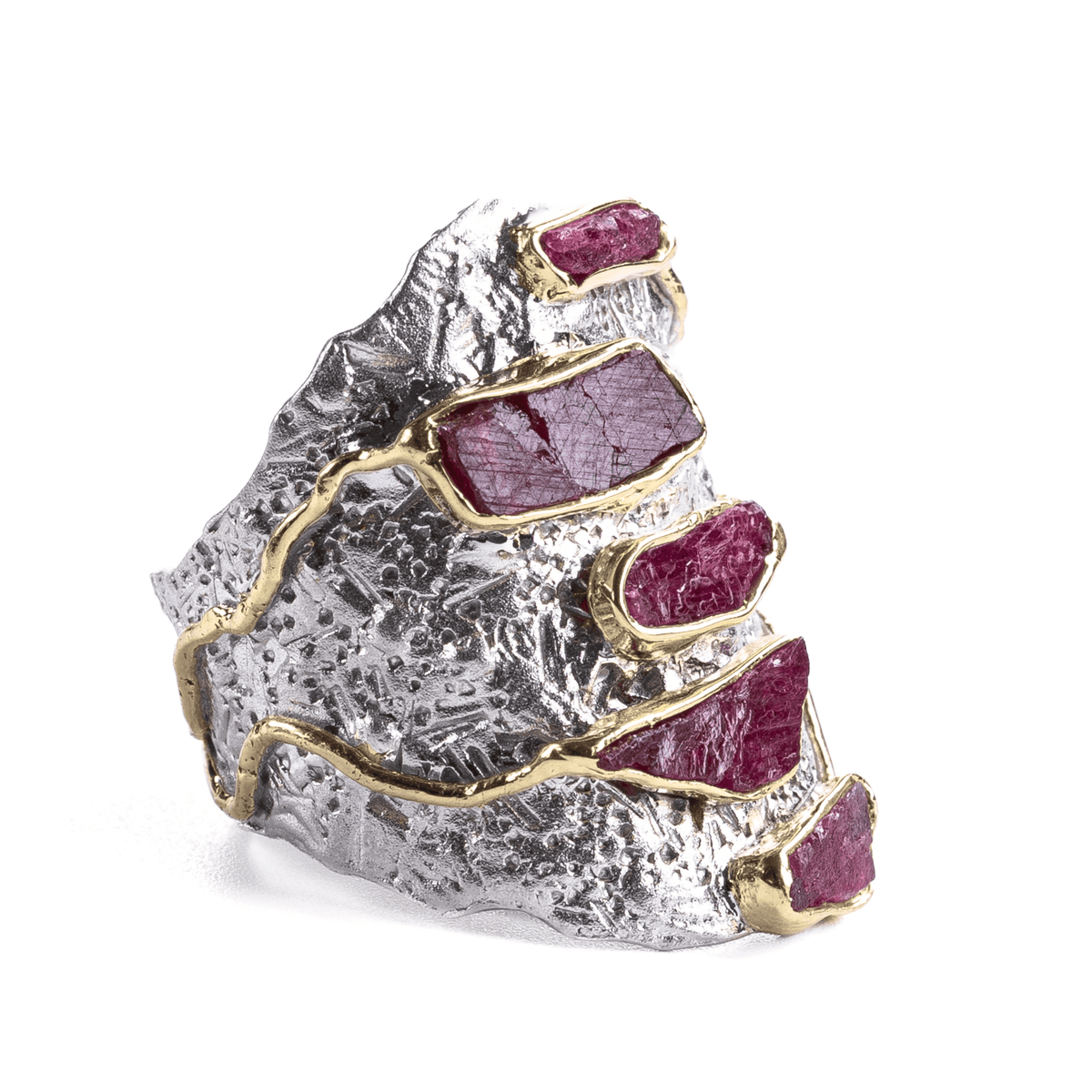
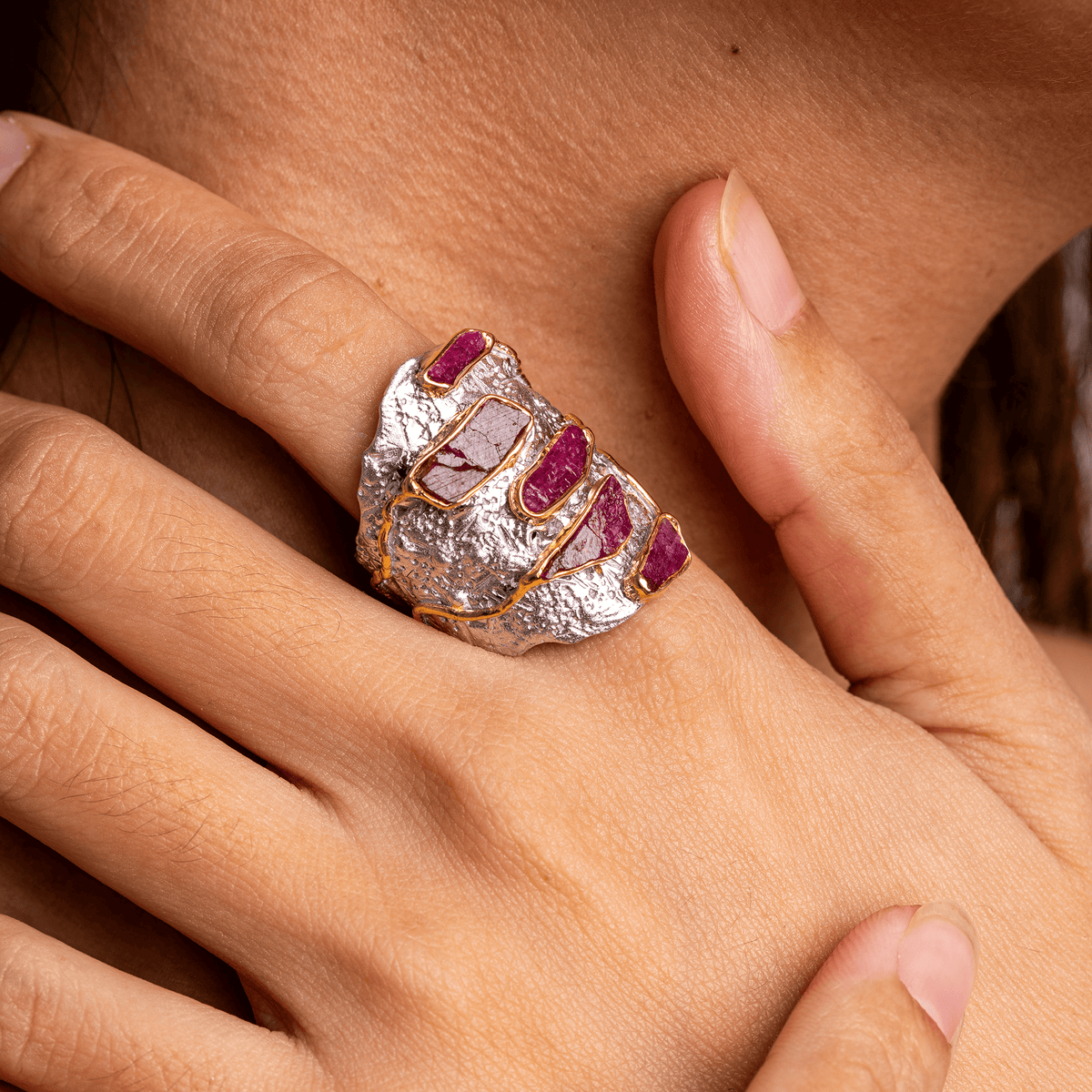
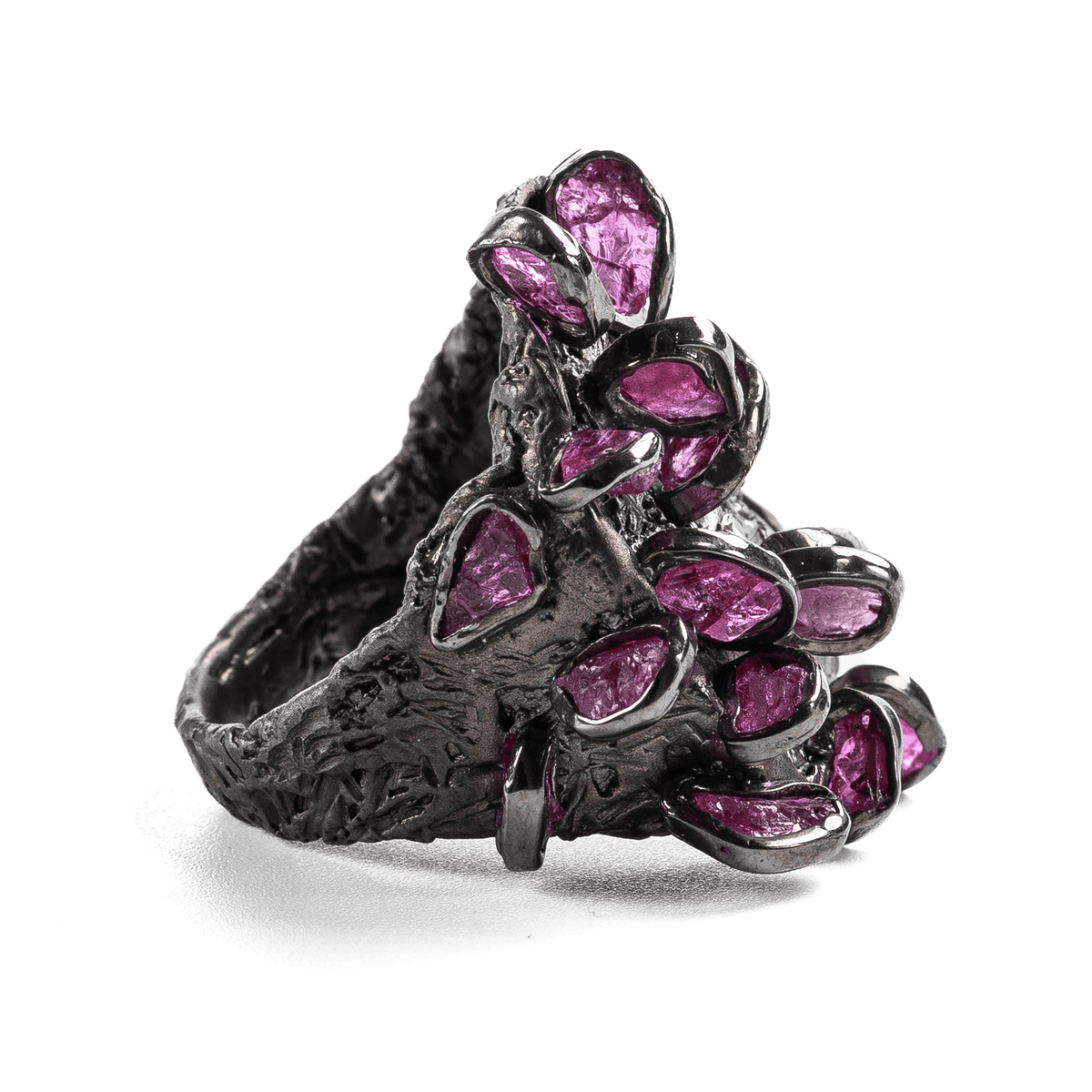
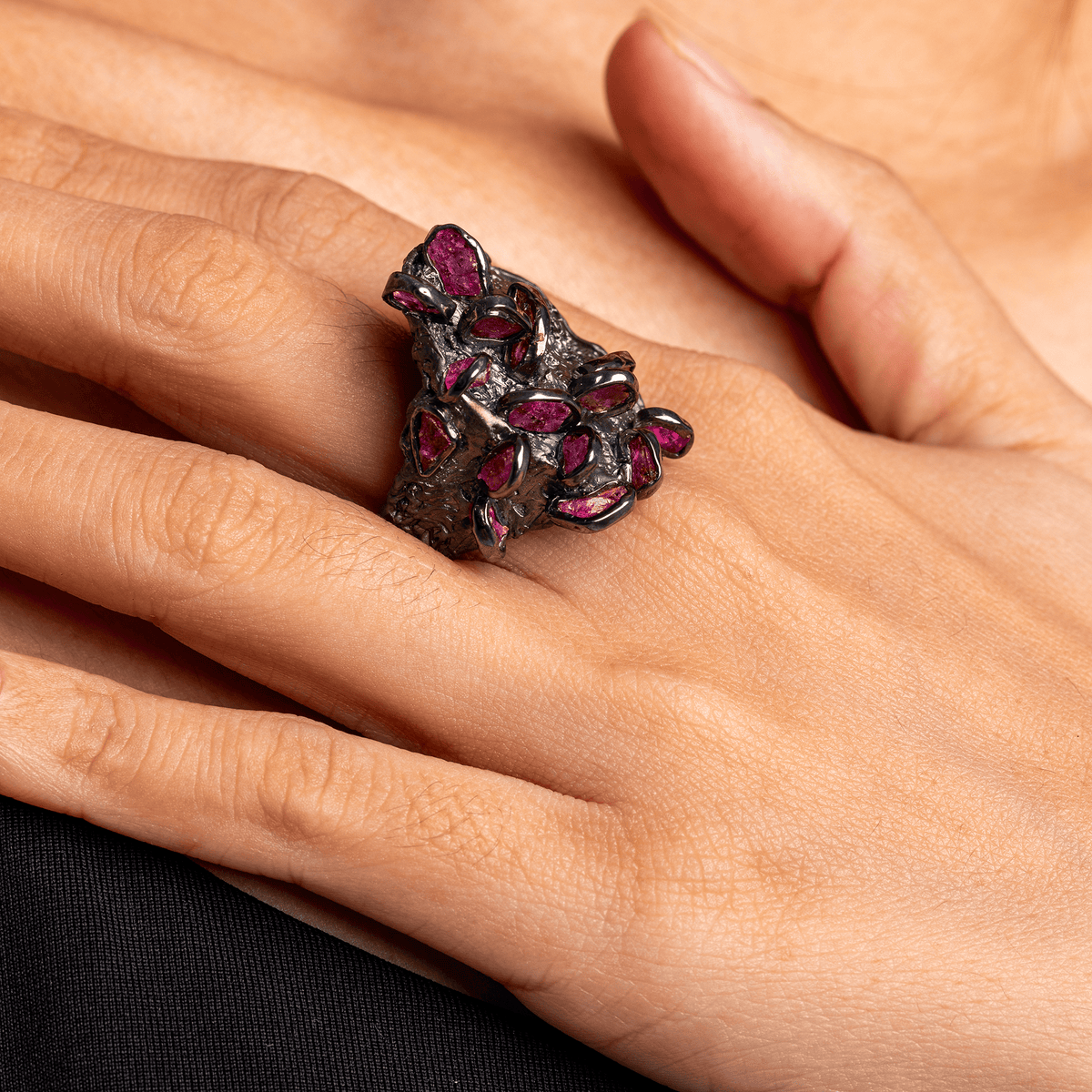
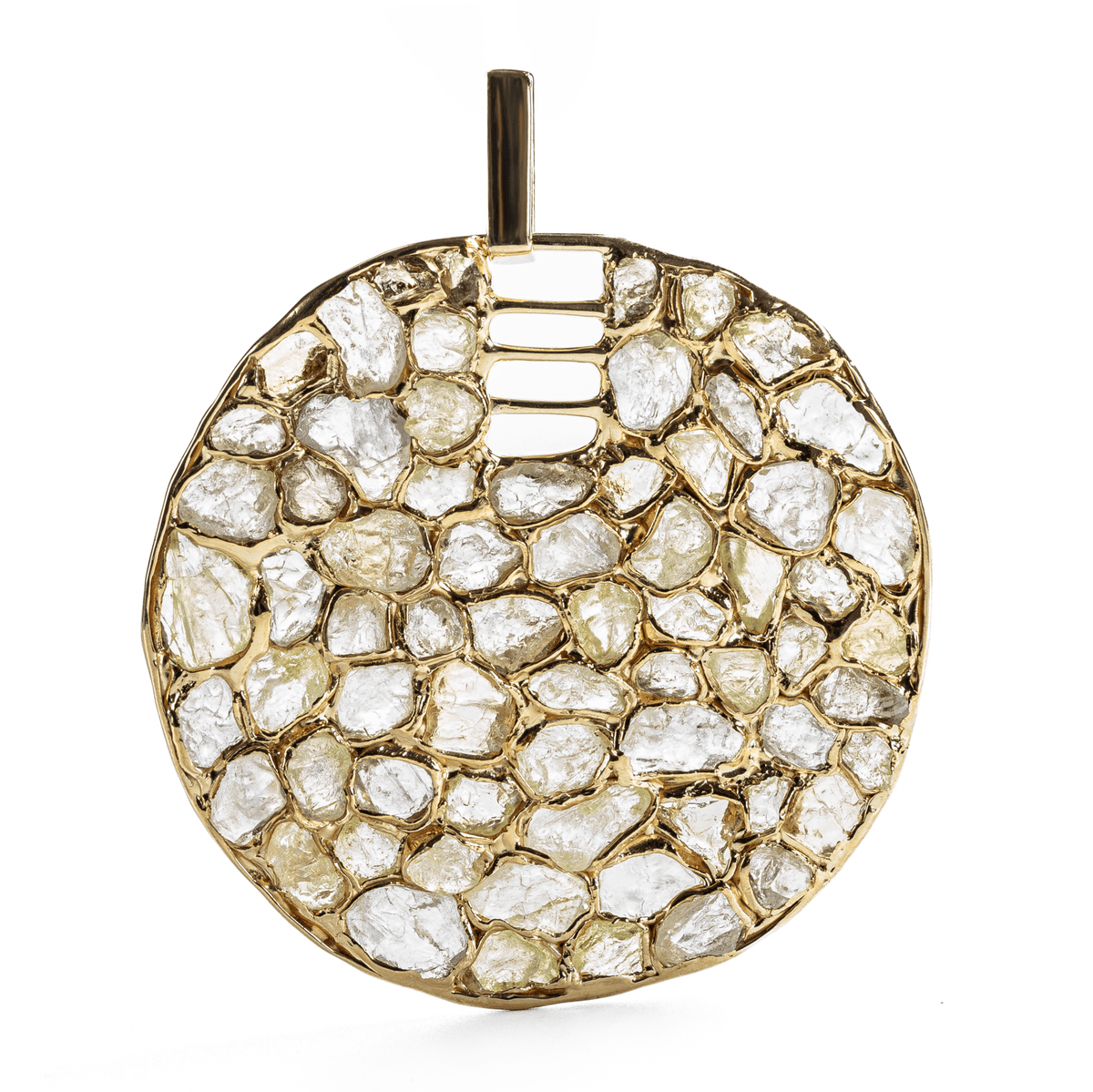
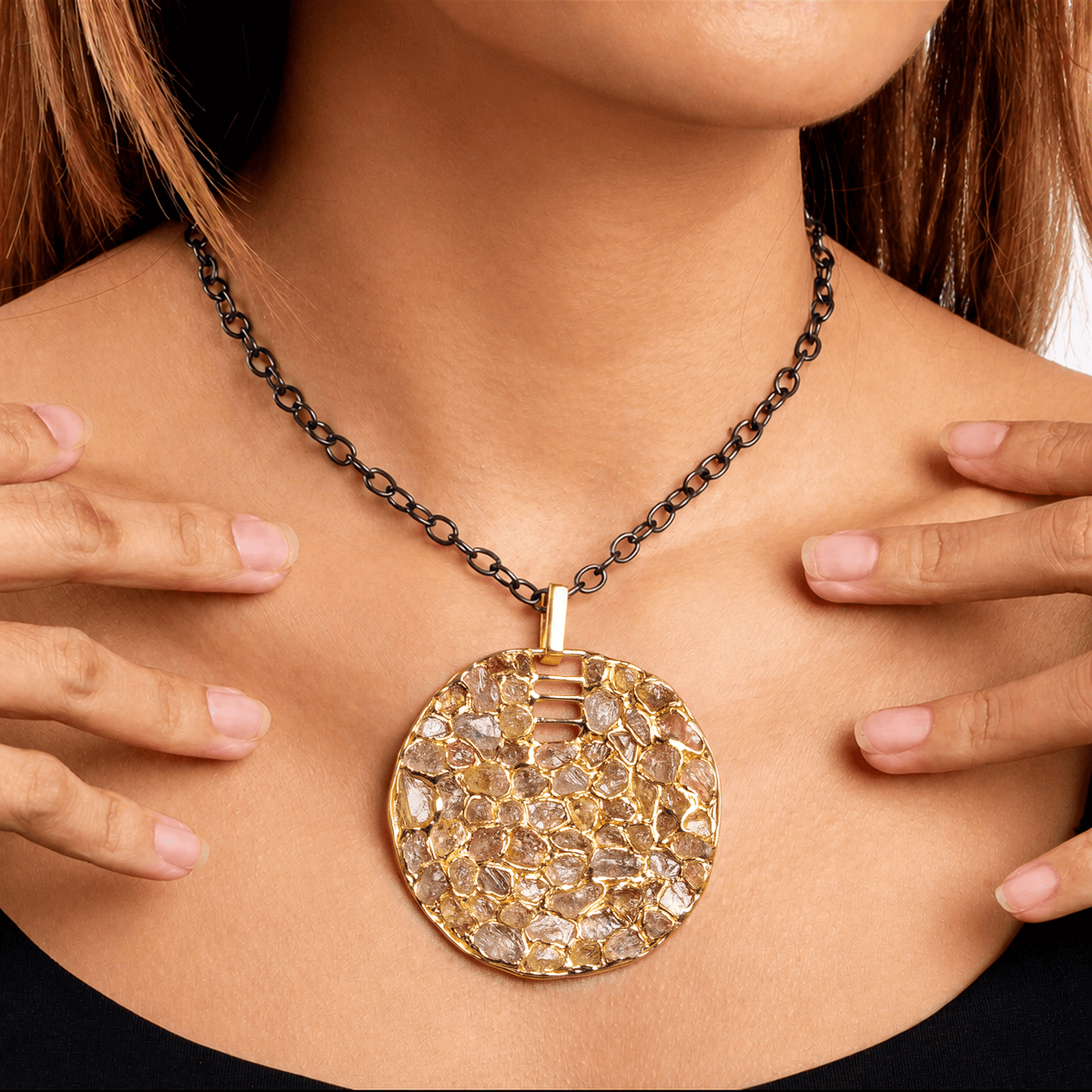
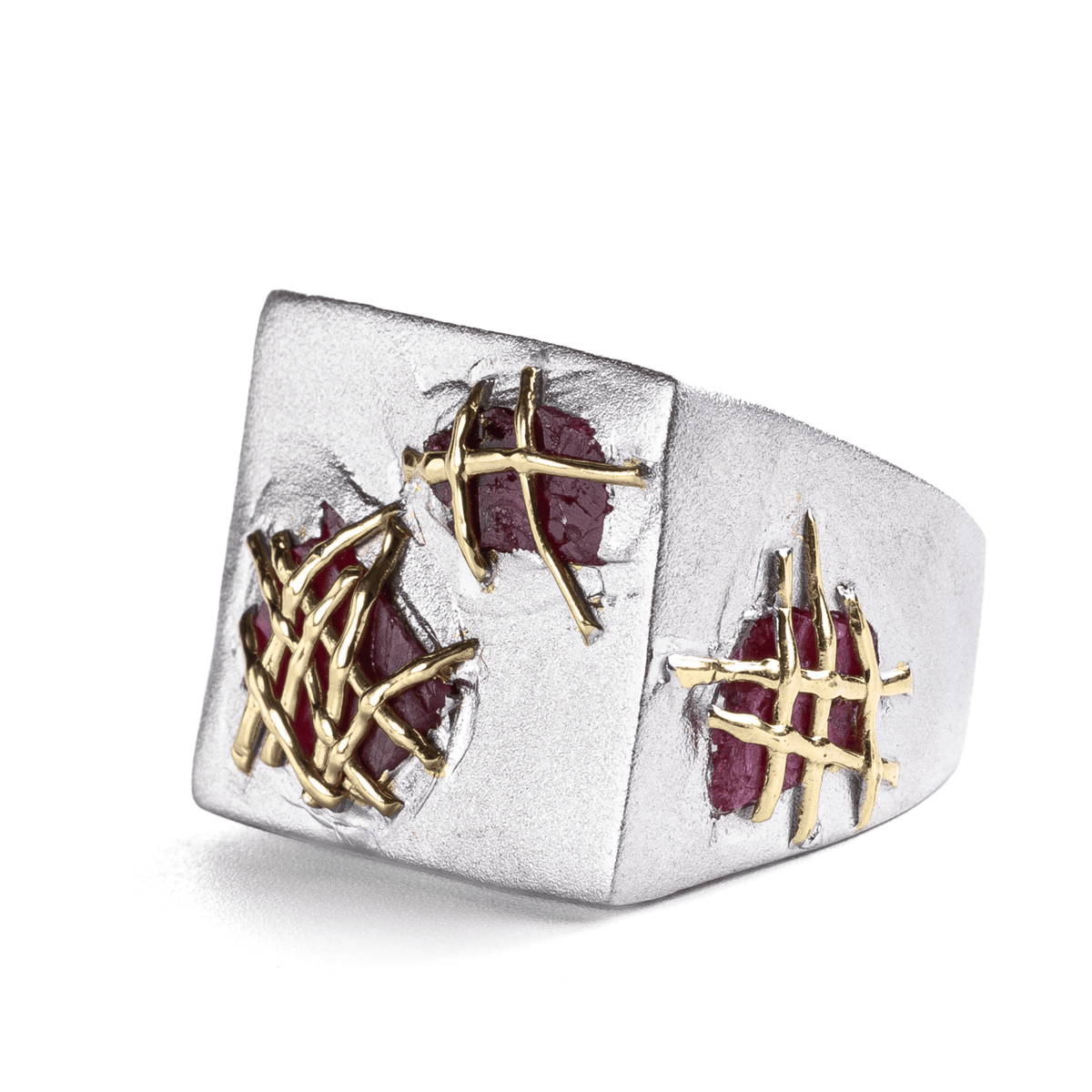
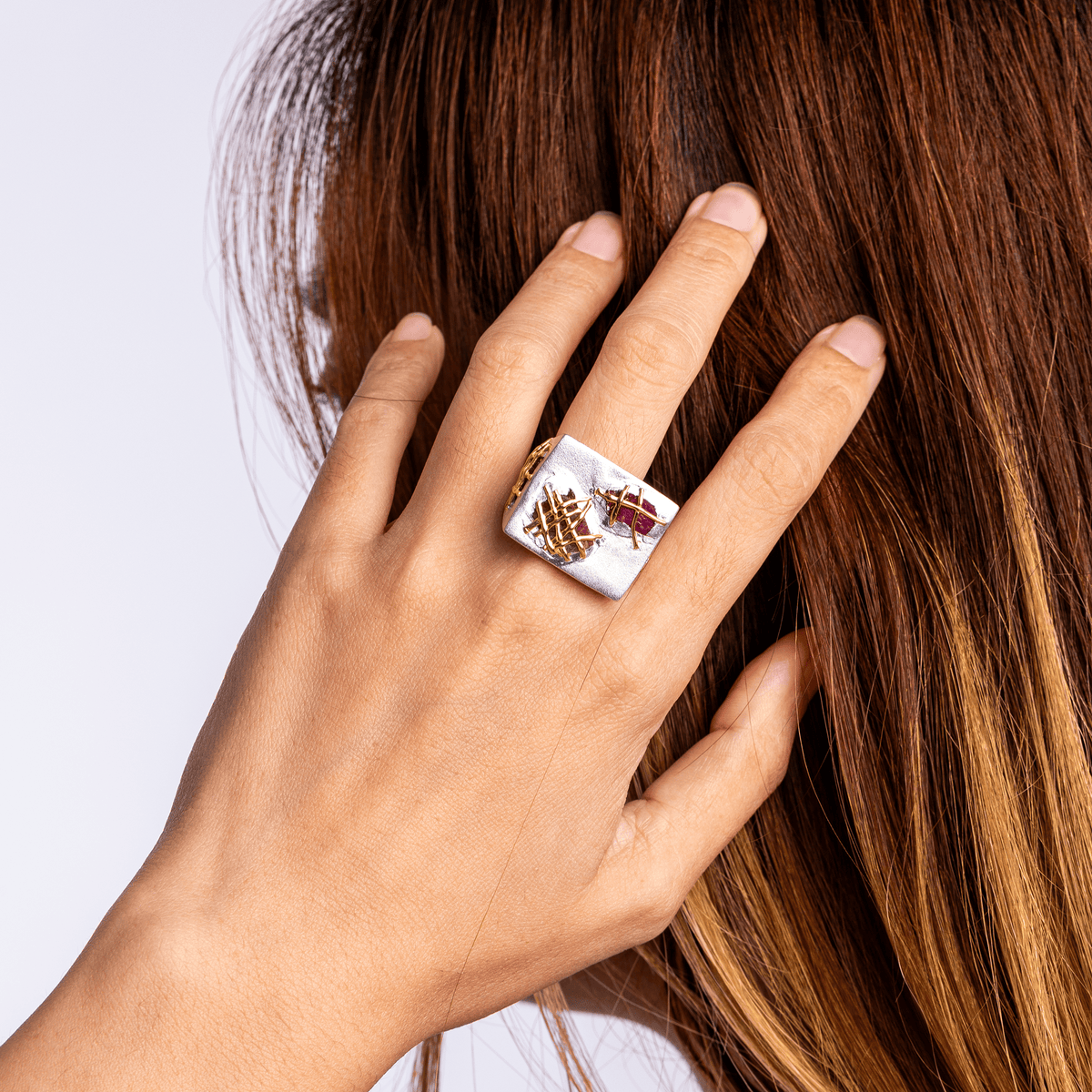
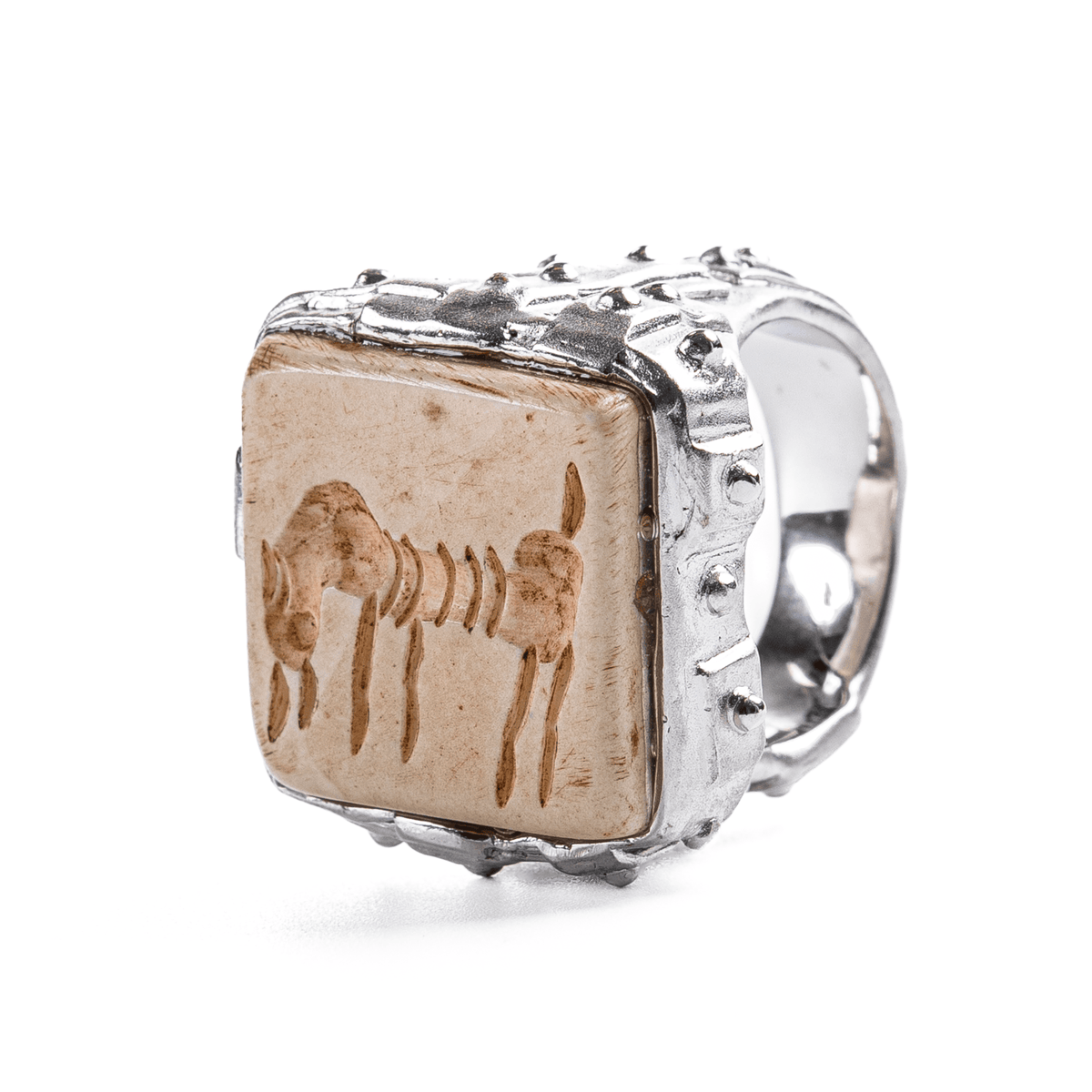
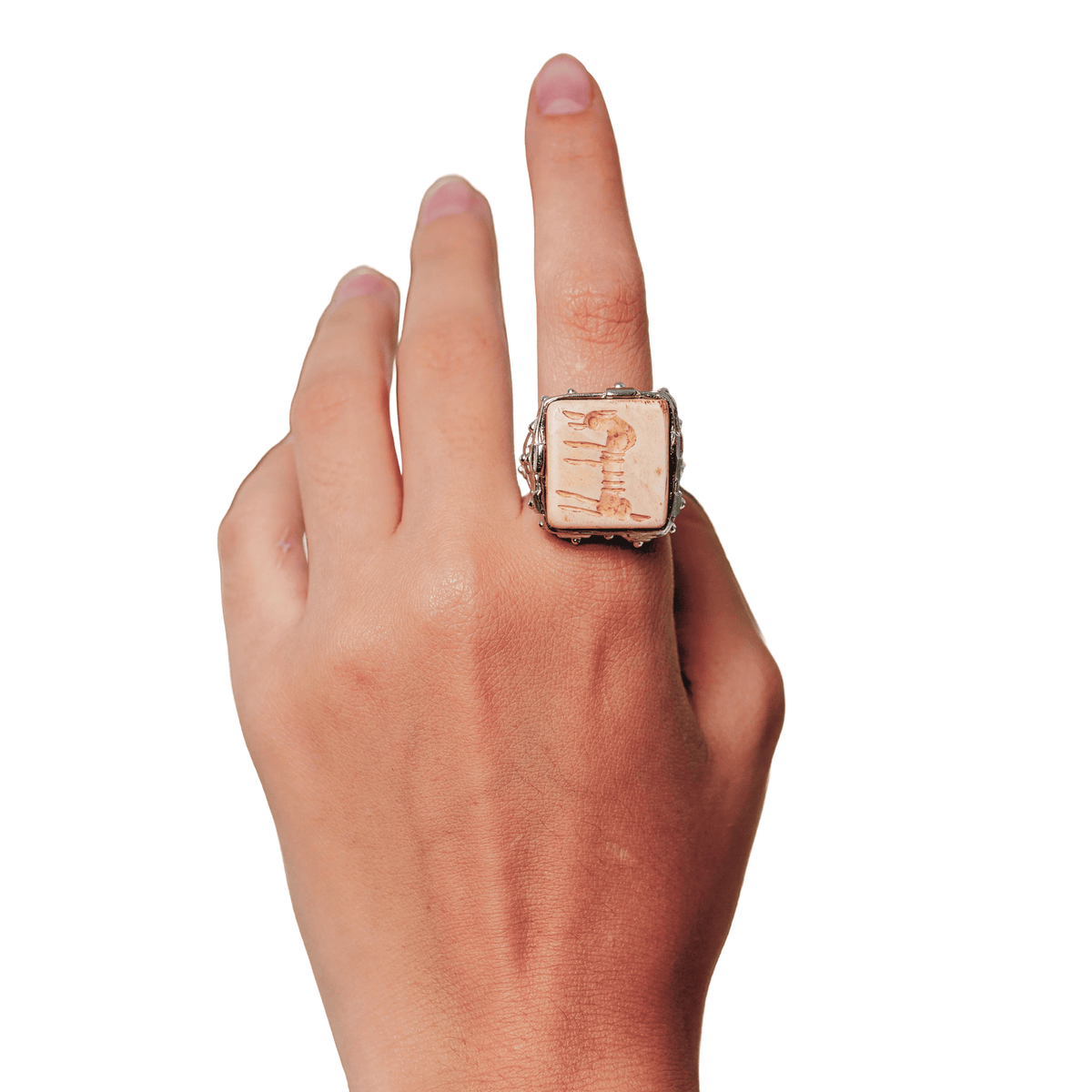
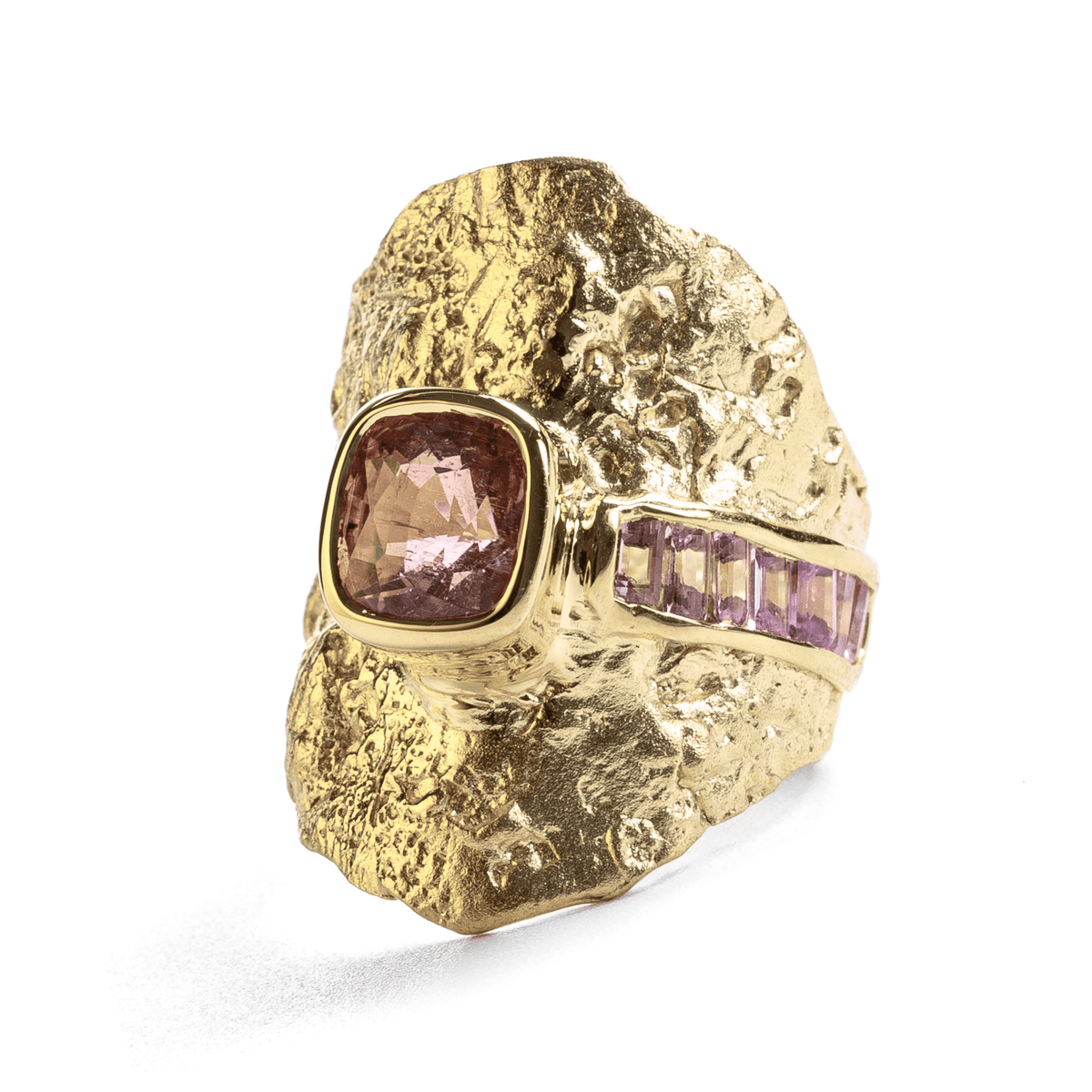
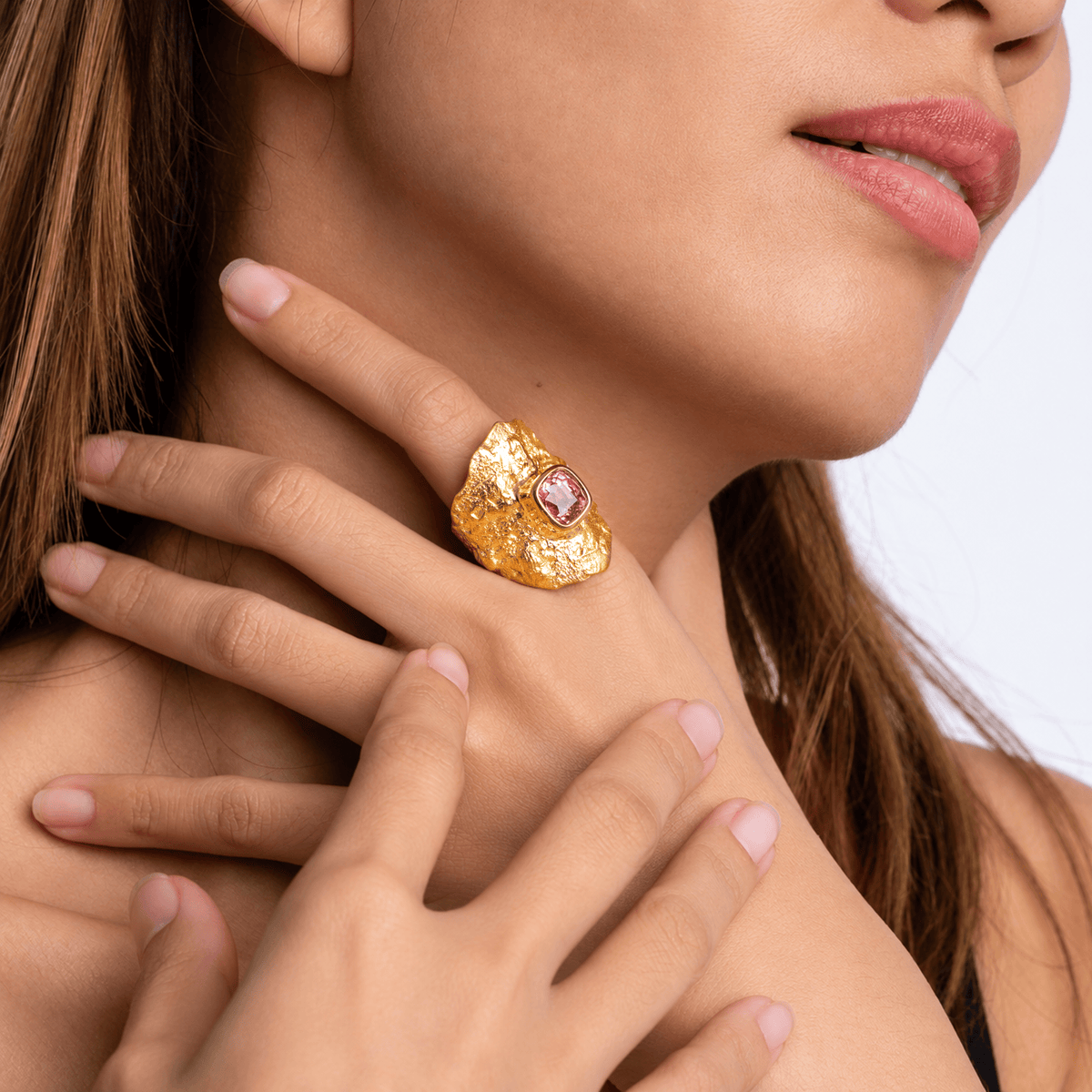
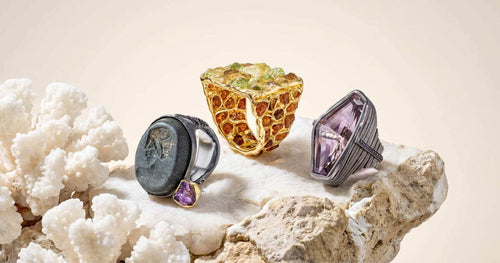
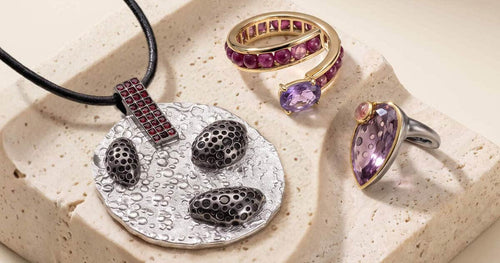
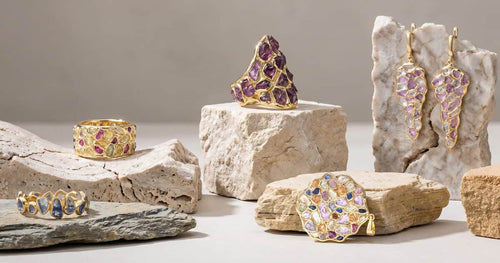
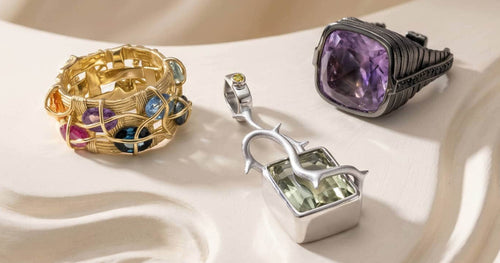
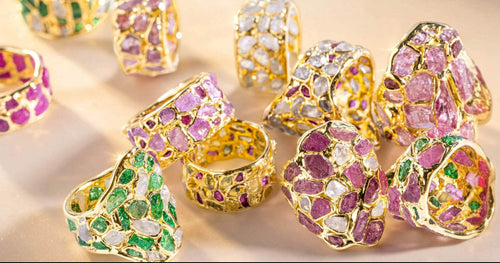
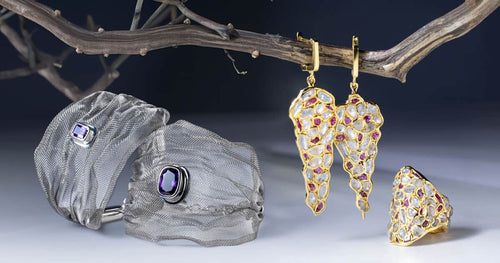
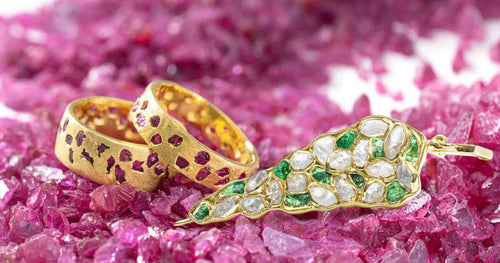
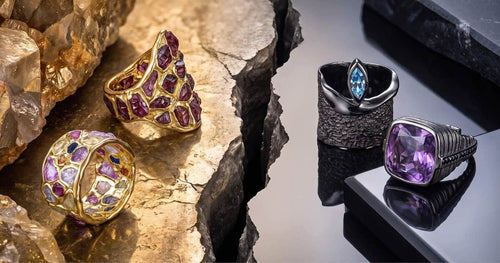
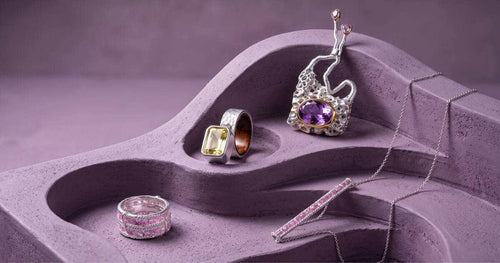
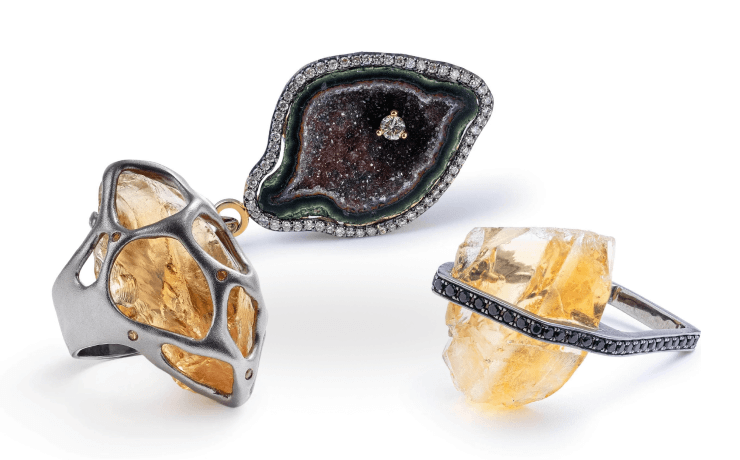
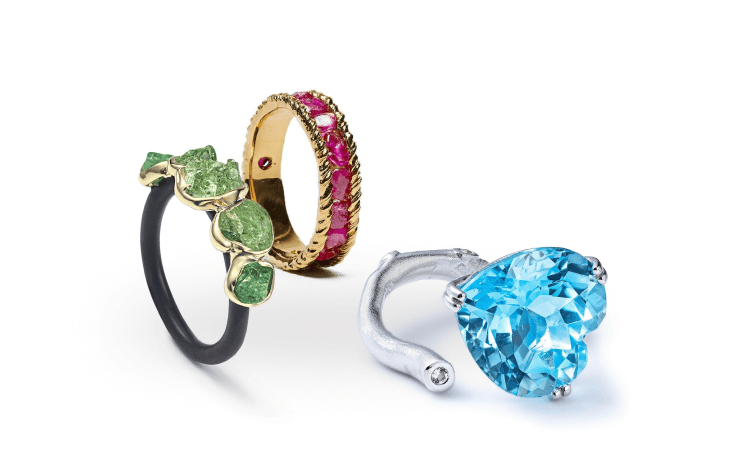
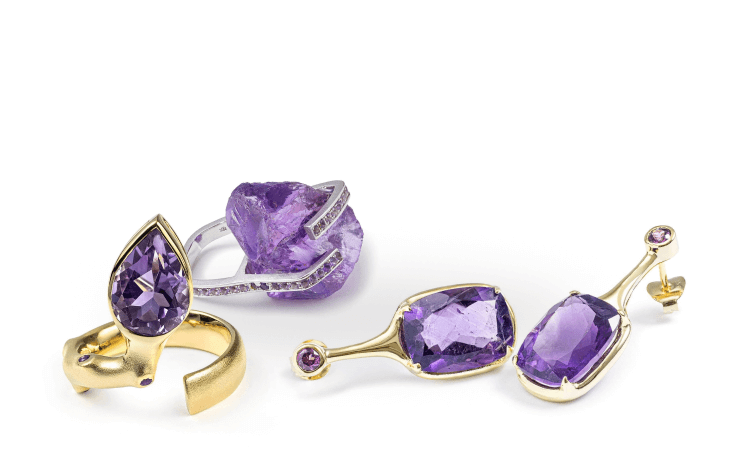
One-of-a-kind jewelry means exactly what it says: a single piece, built once, never remade in the same combination of materials again. This page explains what makes a piece truly singular, why collectors seek out OOAK work, and how raw, natural materials—like the uncut gemstones German Kabirski works with—make one-of-a-kind status a physical fact, not a marketing label.
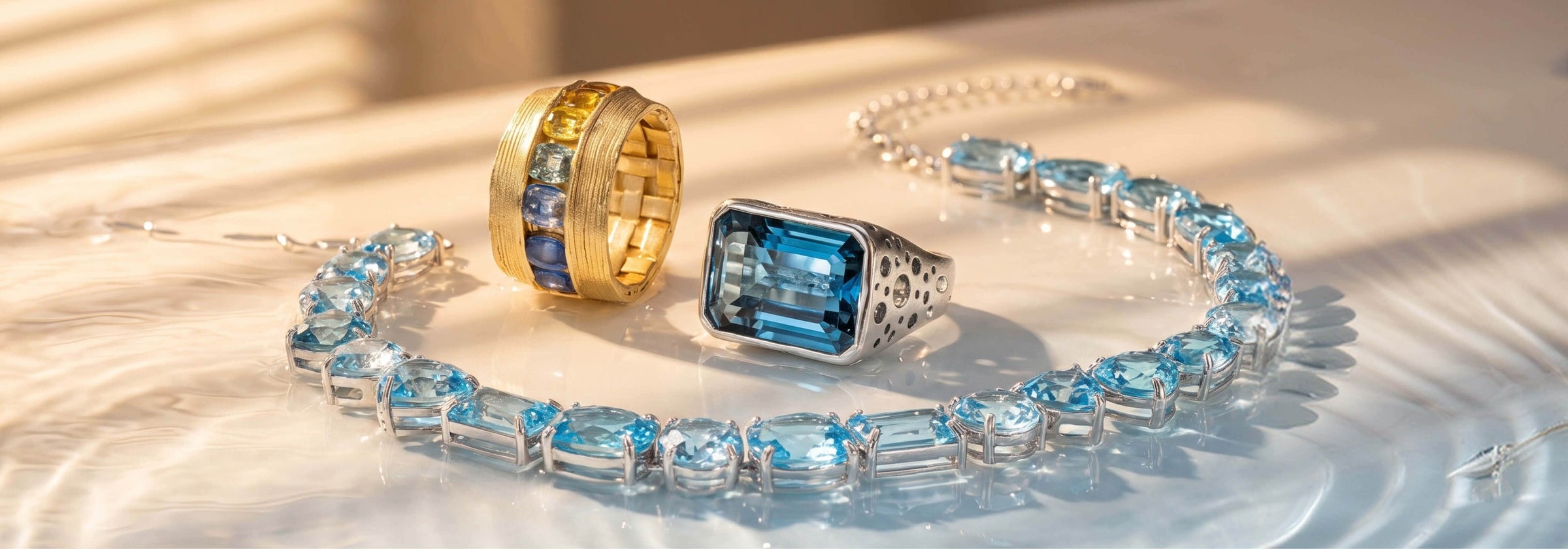
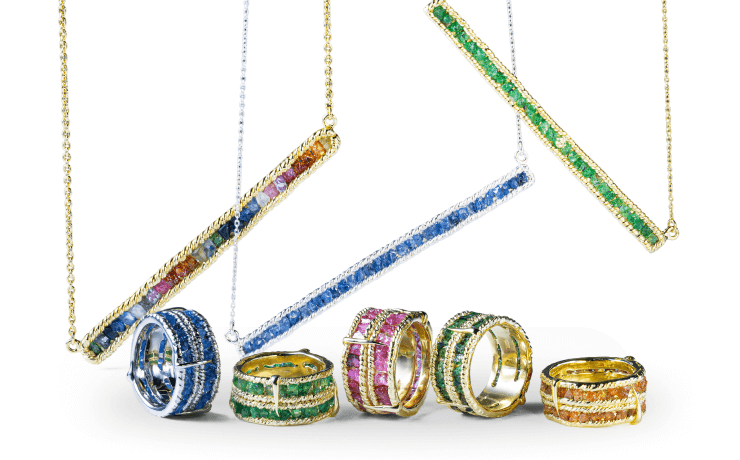
One of a kind means a design exists as exactly one piece and will never be reproduced with the same stones in the same combination again. It's different from a limited edition, which caps a run at a small number of pieces that can still share the same design and materials.
No, not with the same materials. A jeweler might revisit a similar shape or technique later, but if the original piece was built around a specific raw gemstone, that exact combination is gone once the stone is set. The design concept can echo forward; the actual object cannot.
Collectors want something that reflects them specifically, not something shared with anyone else who happened to buy the same item. Owning a one-of-a-kind piece means knowing that no one else, anywhere, has the exact same object—not a marketing claim, but a physical fact tied to the materials used.
They can be, but the same rules that apply to fine jewelry investment generally apply here: rarity, quality of materials, and provenance matter more than the "one of a kind" label alone. Dealers and appraisers consistently point to rarity and documented origin as the strongest predictors of long-term value retention.
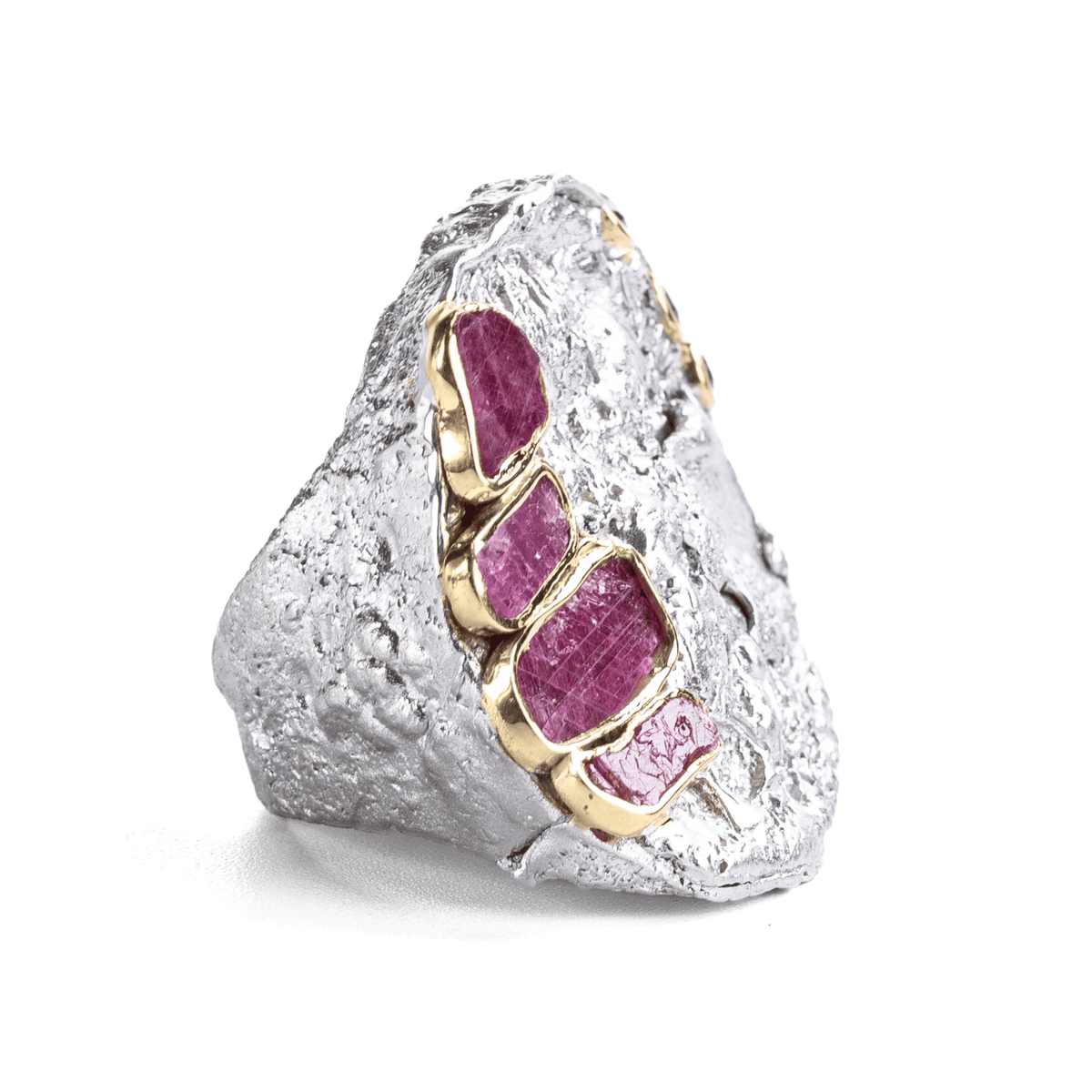
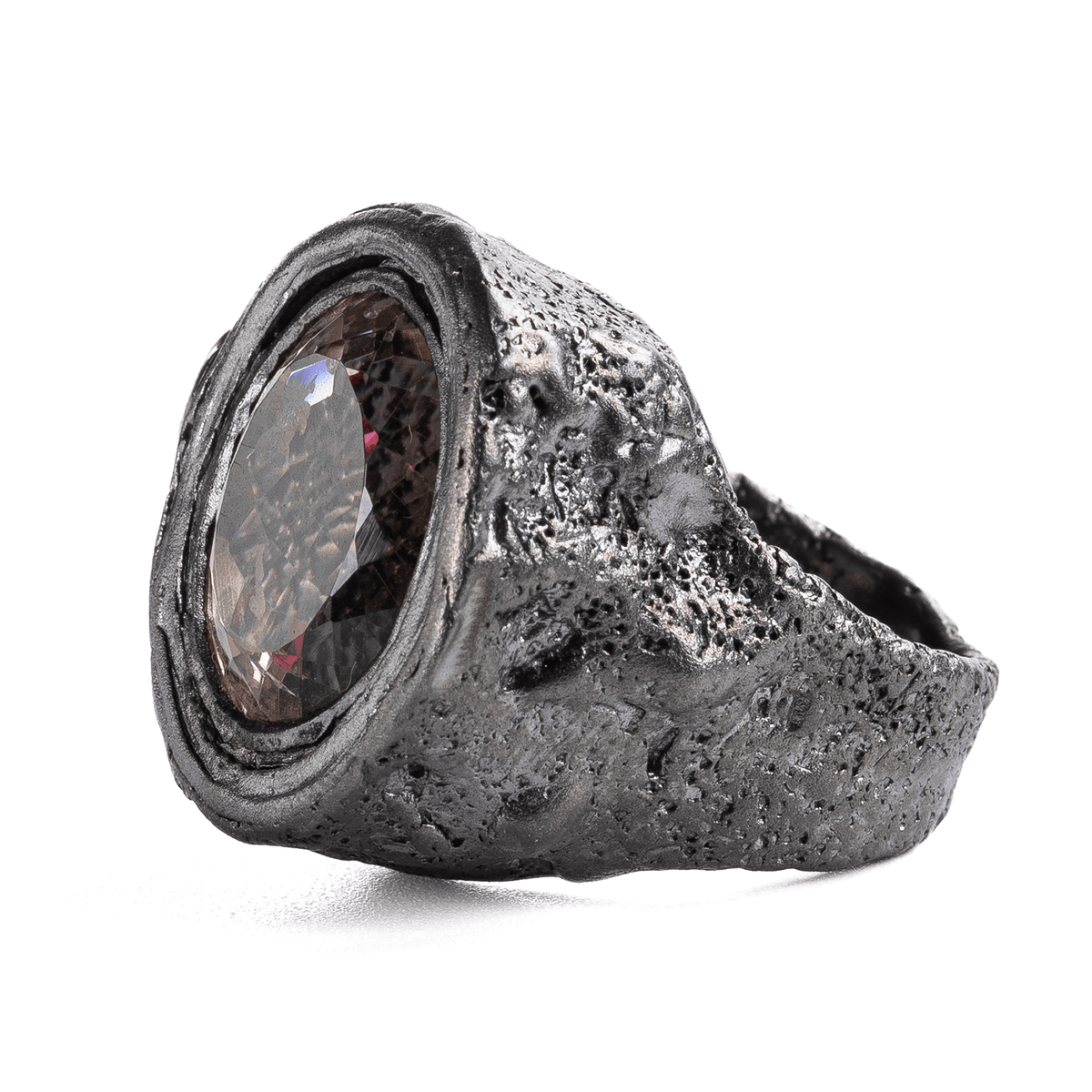
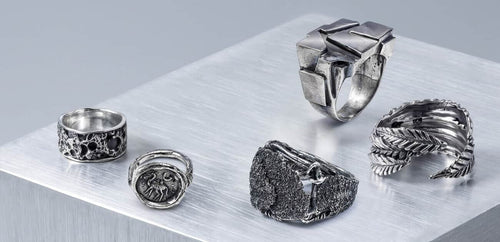
Uniqueness in one-of-a-kind jewelry can come from several places, not just the material. It might be a raw gemstone whose shape and inclusions can't be repeated, but it can just as easily be a specific hand-forged texture, an experimental setting technique, or a conceptual choice the designer makes only once and never revisits the same way. What actually makes a piece singular is that some element of it—material, method, or idea—isn't repeatable by definition.
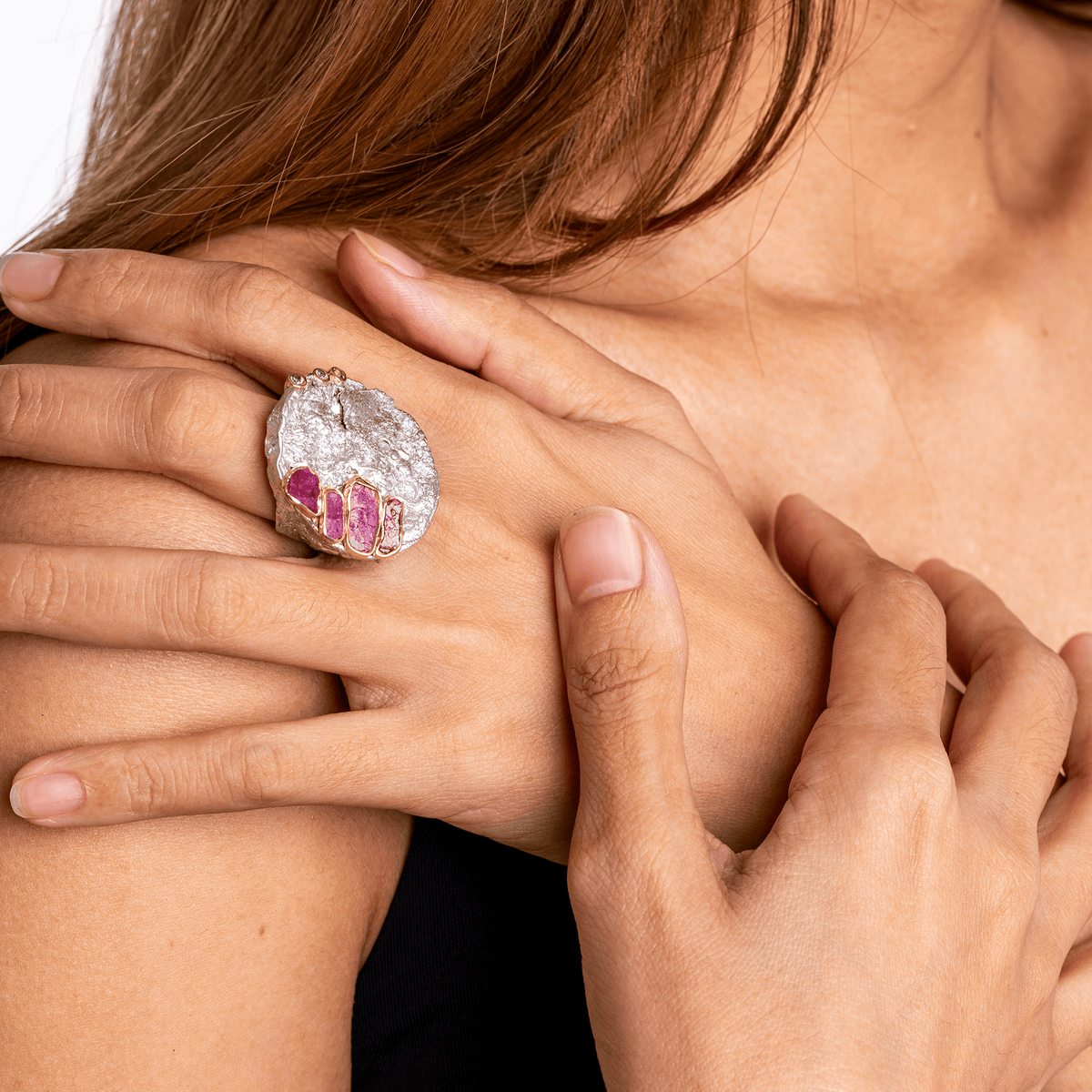
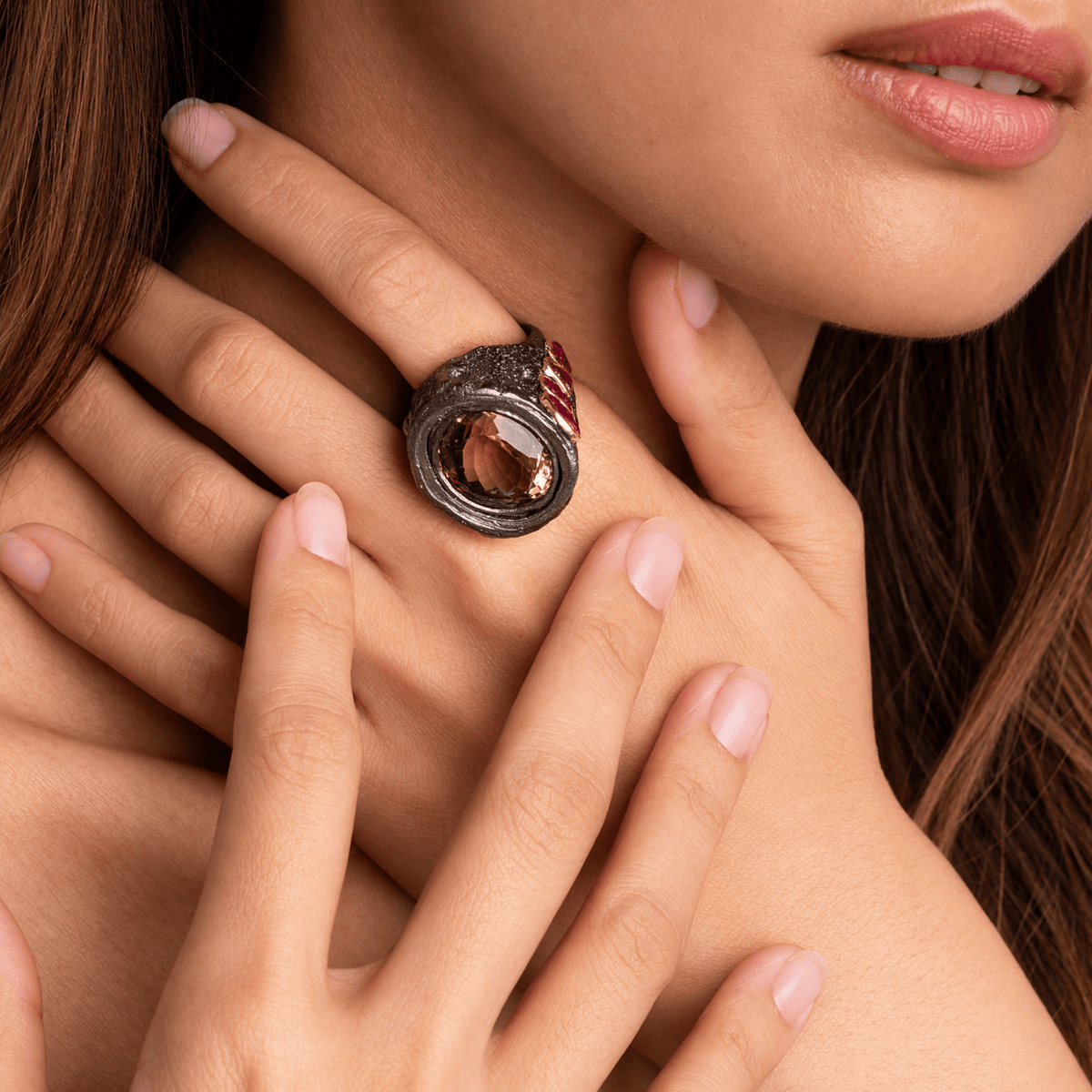
No. Handmade only describes how a piece is made—shaped by hand rather than mass-produced. At German Kabirski, every raw gemstone piece is handmade, but only a select number are true one-of-a-kind work. The difference comes down to what specifically can't be recreated: a particular stone, a technique used once, or a design built around a single idea that won't be repeated. Handmade is the baseline; one-of-a-kind is a separate, stricter status built on top of it.
Look for what specifically can't be repeated. That could be a raw material that varies naturally, a texture created through a hand technique that leaves different marks every time, or a design built around a single concept the maker chose not to revisit. If the piece could be remade identically by swapping in a similar stone or repeating the same steps, it's closer to limited edition than truly singular.
Yes, significantly. Documentation of who made the piece, when, and what makes it irreproducible adds verifiable weight to its story and future resale value, similar to how signed and provenanced fine jewelry performs in the broader collectible market.
They require the maker to solve a design problem from scratch each time, whether that's building around one unrepeatable stone, developing a technique used only once, or executing a concept that won't be revisited in the same form. That individual, non-repeatable problem-solving is what pushes the price above a standard limited run, where the same design and process are simply applied multiple times.