

Raw vs Faceted Gemstones: Real Differences Explained
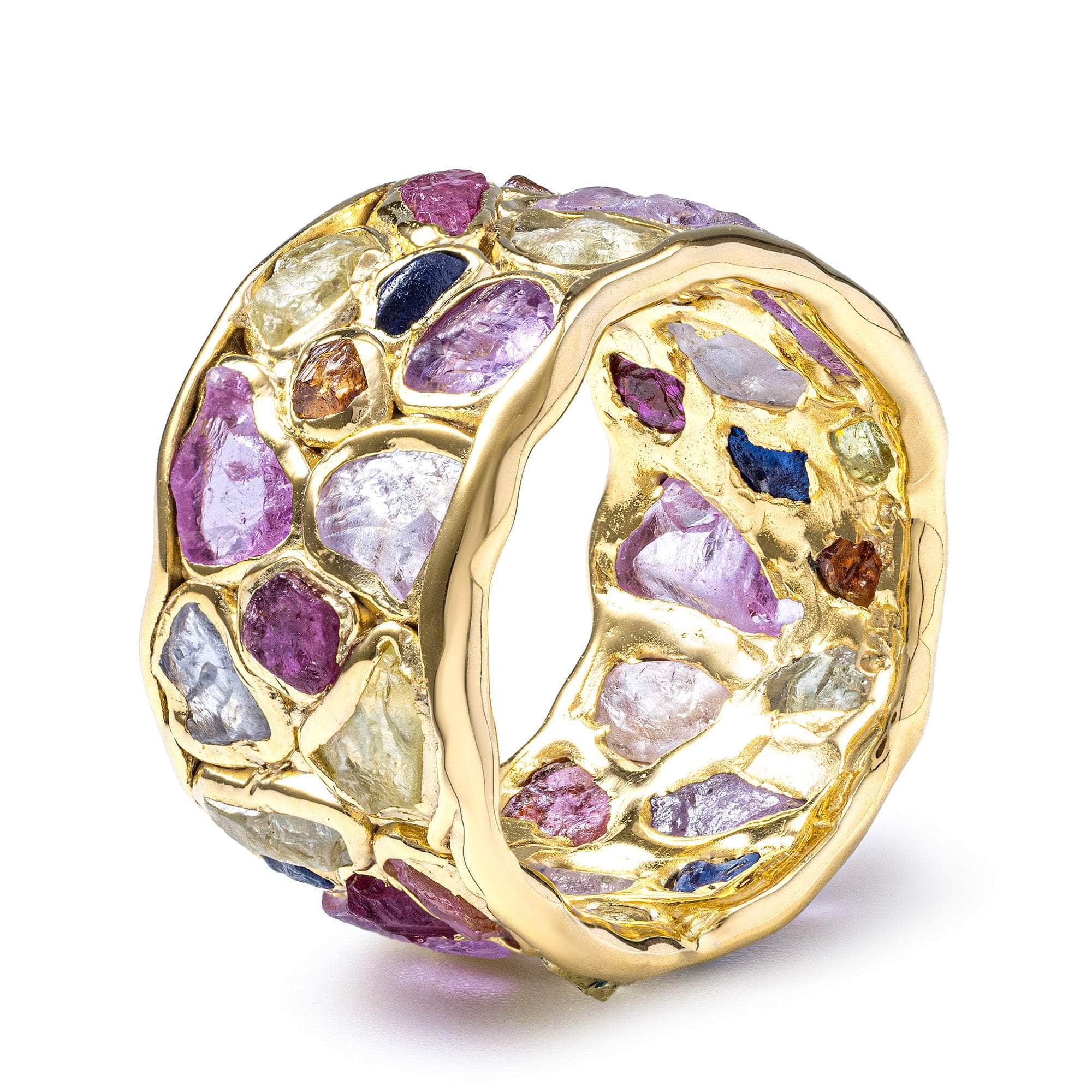
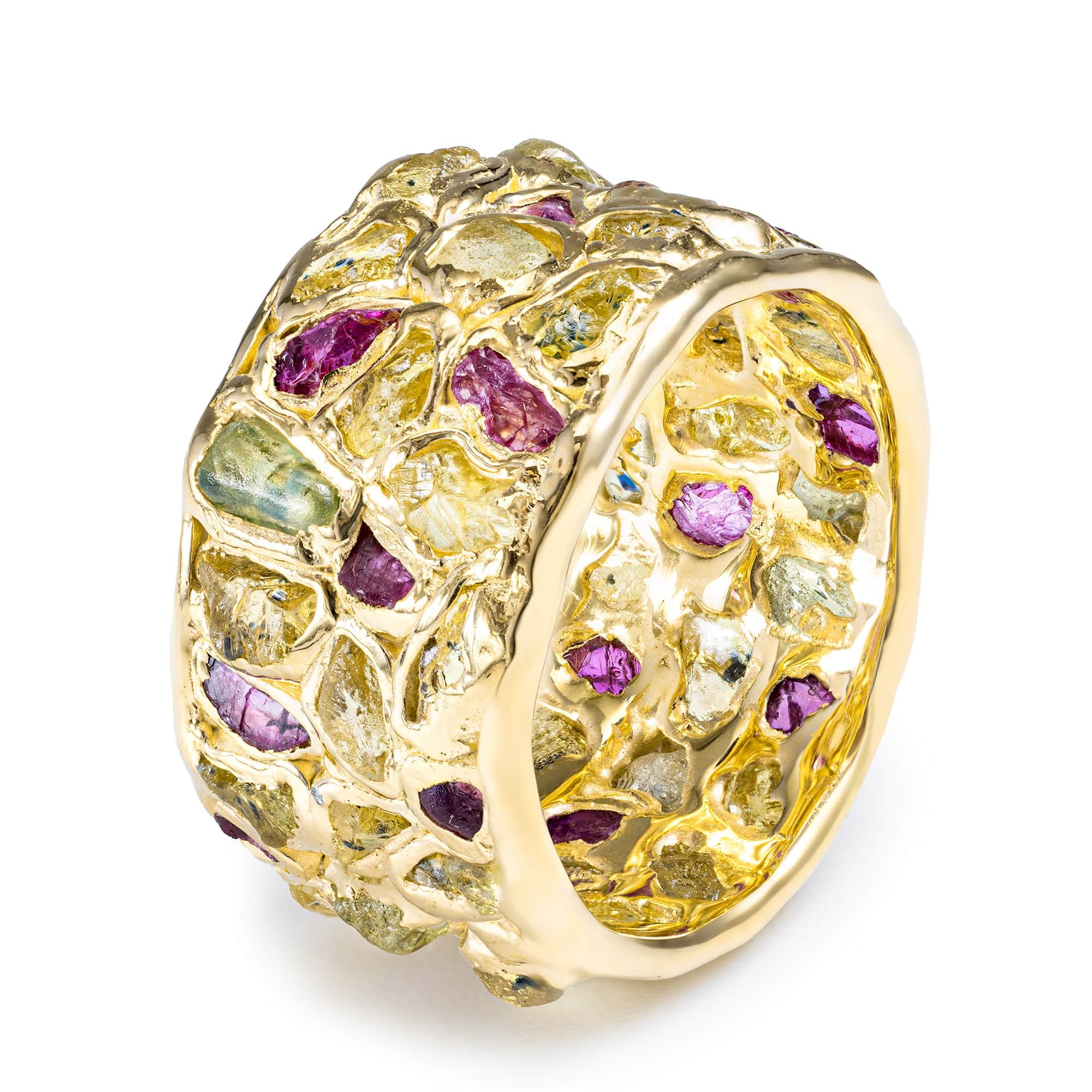
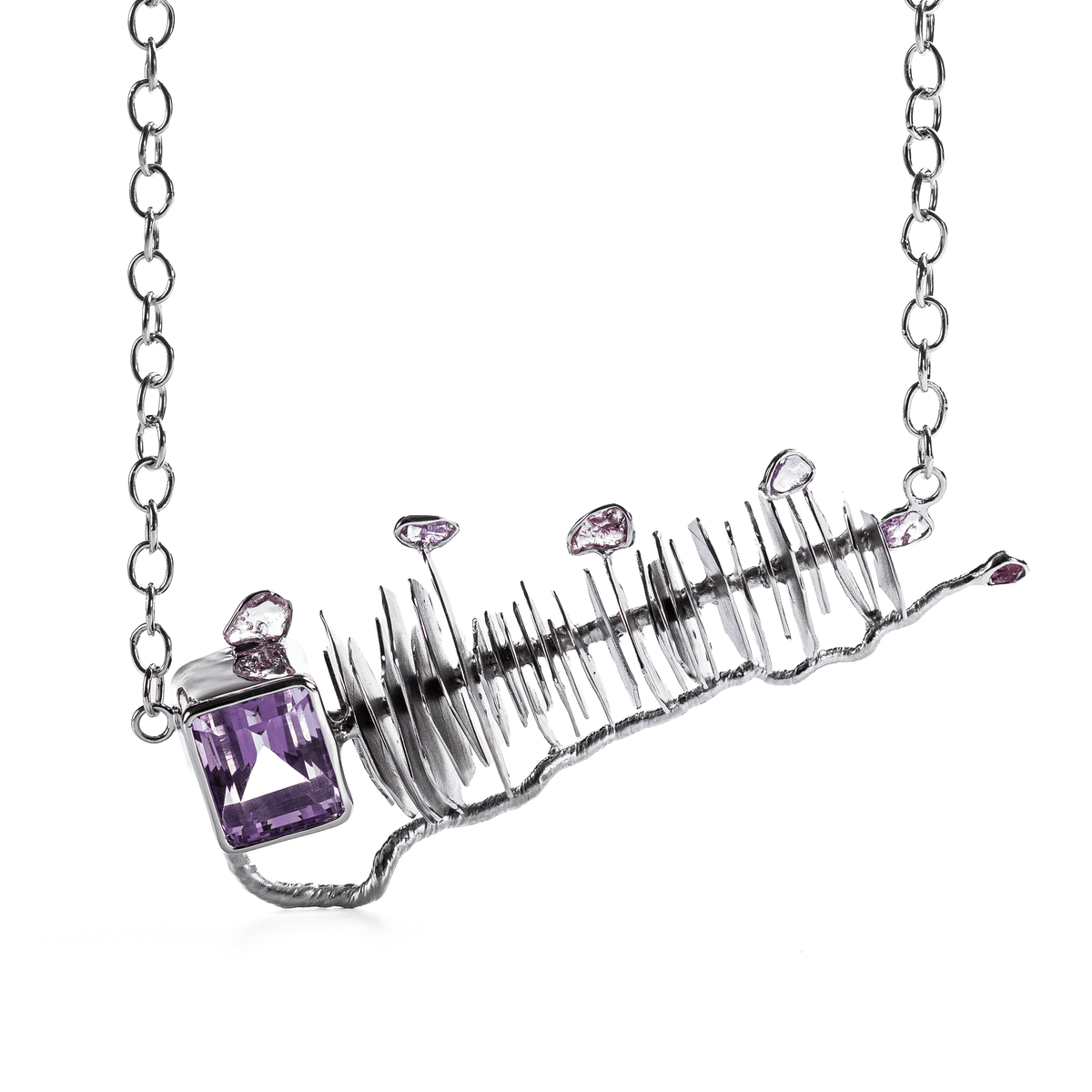
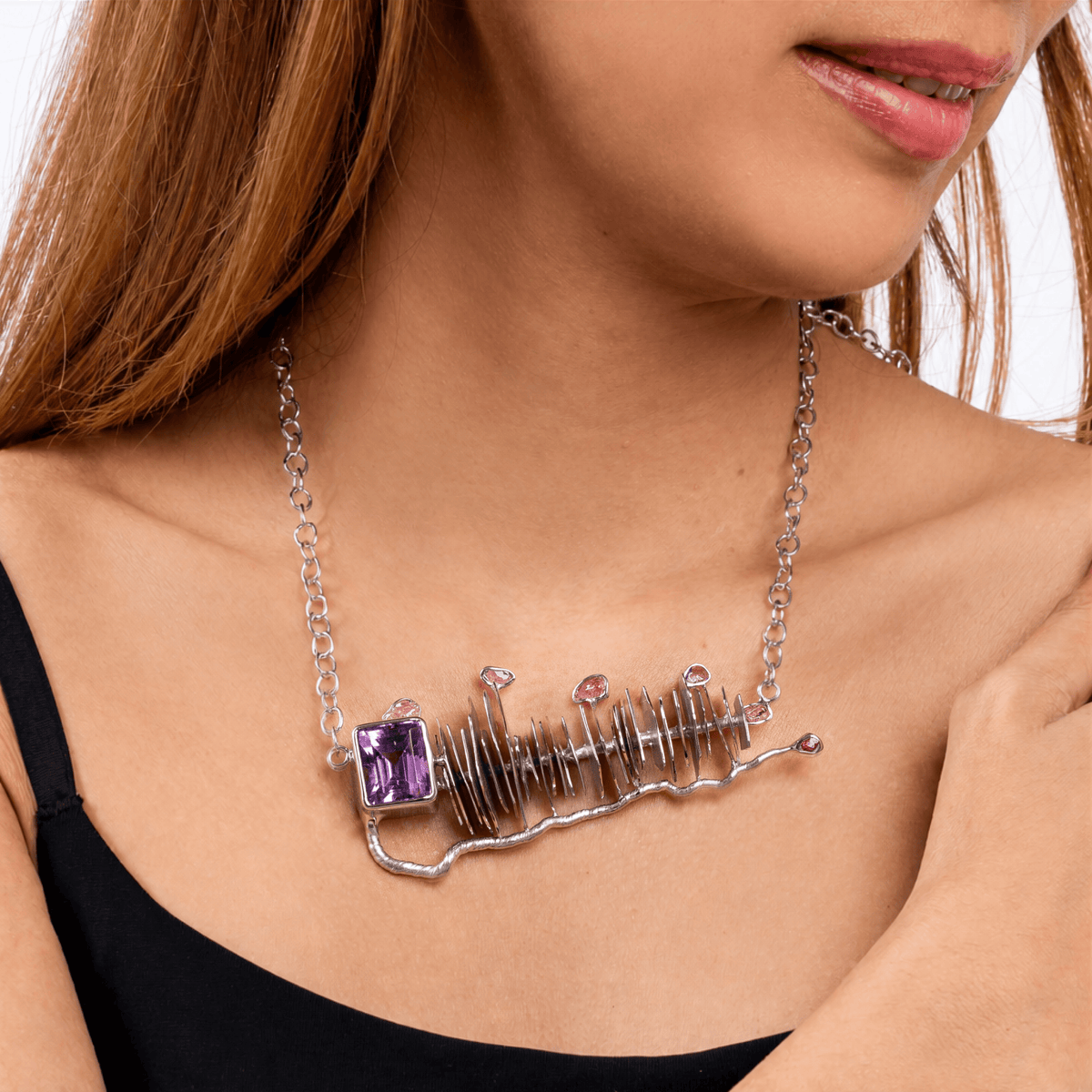
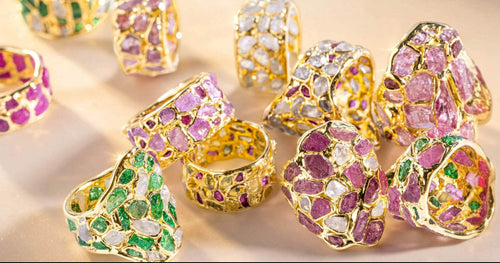
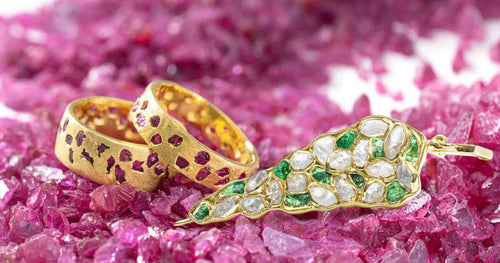
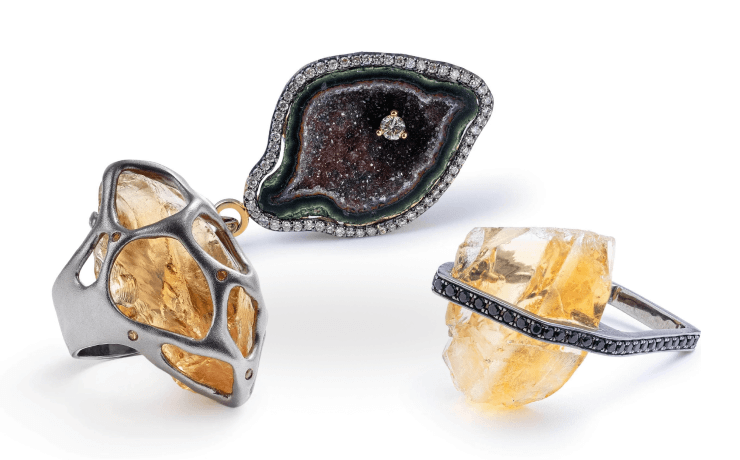
Raw gemstones and faceted gemstones are the same mineral in two different states. A raw gemstone is uncut and unpolished, keeping its natural crystal faces, texture, and inclusions. A faceted gemstone has been cut into flat, geometric surfaces that reflect light and produce sparkle.
| Factor | Raw Gemstone | Faceted Gemstone |
|---|---|---|
| Appearance | Natural, irregular crystal form, visible texture and edges | Smooth, geometric, uniform finish |
| Processing | Uncut and unpolished, or only lightly trimmed | Cut and polished into flat facets by a lapidary |
| Sparkle / light | Diffused, muted light; no brilliance from facets | Facets reflect and refract light, producing sparkle and fire |
| Uniqueness | Each stone retains a naturally irregular form and individual characteristics | Cutting can standardize shape and size across stones |
| Durability | More prone to chipping at sharp, unprotected edges | Durability depends on the gemstone, cut, and setting; exposed facet edges can also chip |
| Care | Gentle cleaning is recommended; care requirements depend on the gemstone and its natural fractures or inclusions | Care requirements depend primarily on the gemstone, its hardness, inclusions, treatment, and setting |
| Often chosen for | Natural texture, individuality, and organic appearance | Brilliance, symmetry, and a more polished appearance |
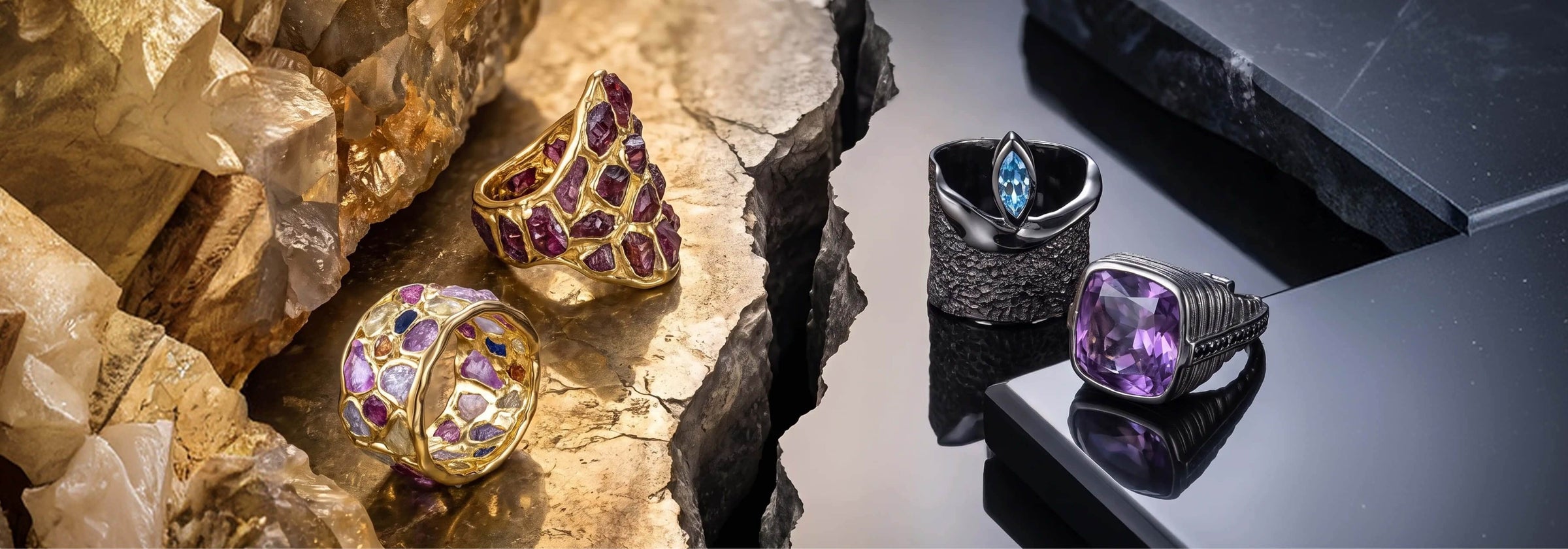
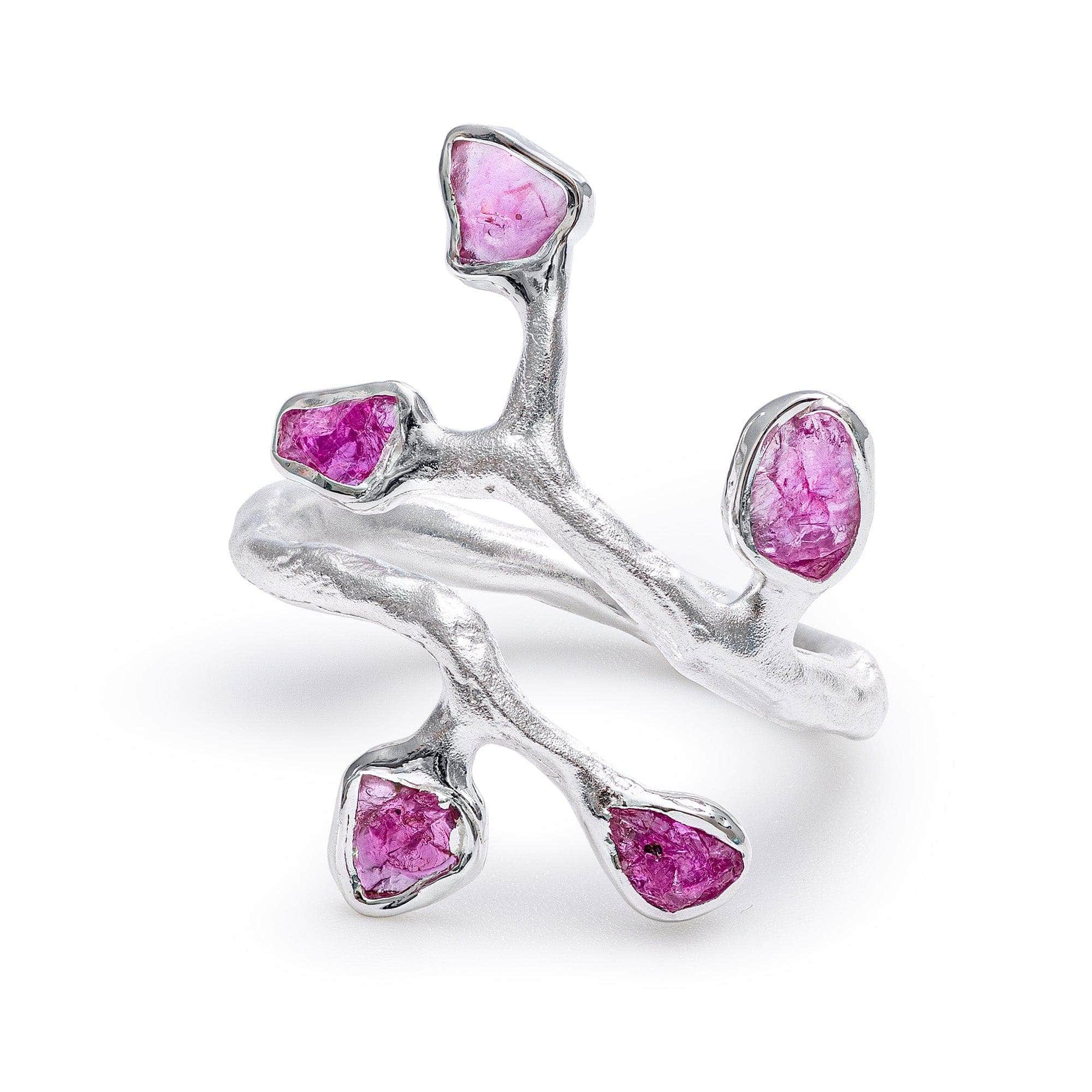
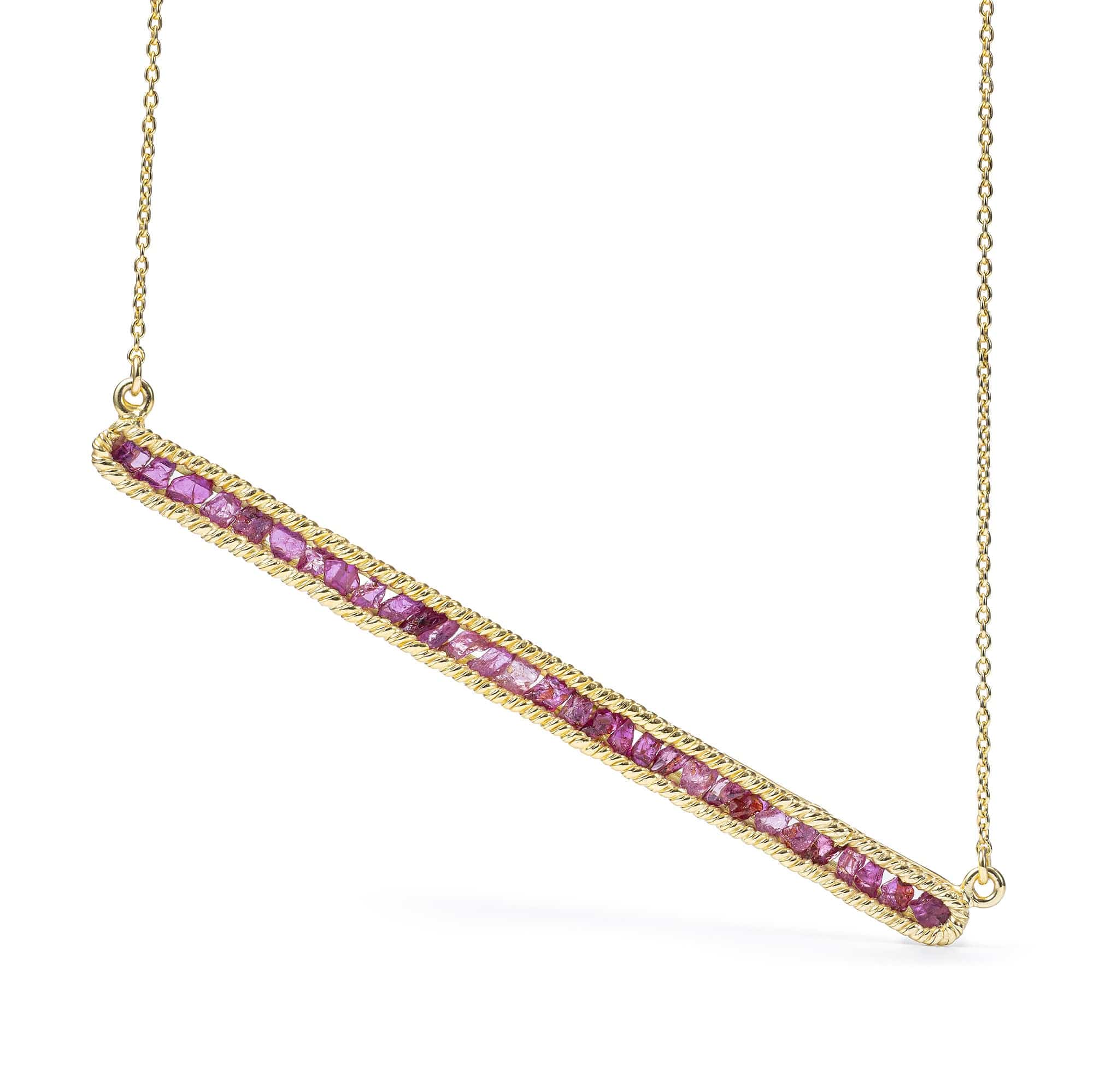
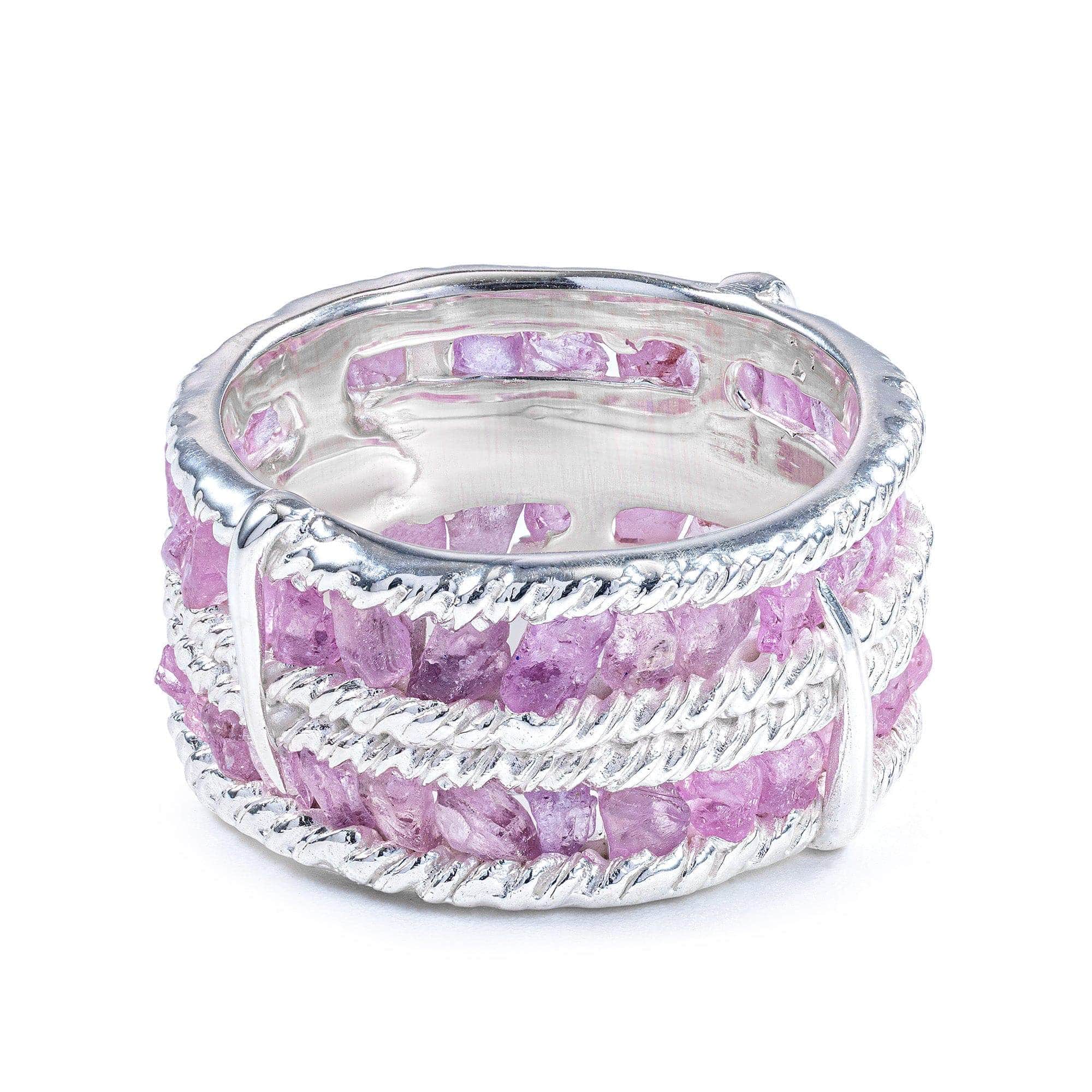
A raw gemstone is a mineral crystal in its natural state, uncut and unpolished, often still showing natural faces, terminations, and inclusions.
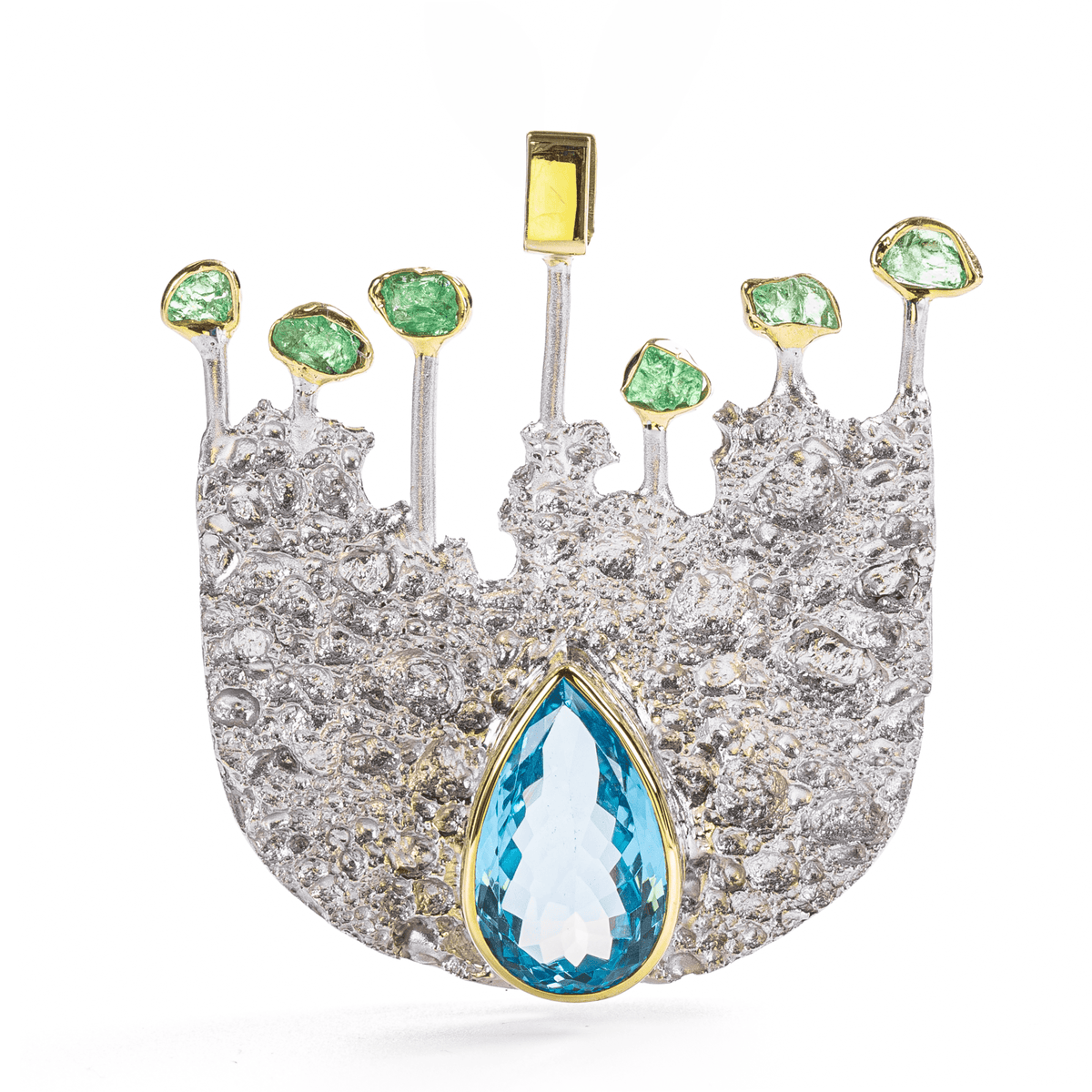
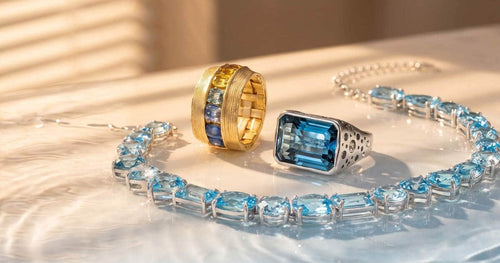
A faceted gemstone has been shaped by a lapidary into flat geometric planes designed to reflect and refract light. Both are genuine gemstone material; the difference is the degree of human processing.
Yes, in most everyday use. "Rough" is the precise technical term for an uncut, unprocessed gemstone, while "raw" is used the same way in casual and retail contexts. Both describe a natural mineral in its original, unaltered state.
Both raw and faceted gemstones are equally natural in composition. Faceting does not make a stone less real; it only removes material and shapes the surface. The distinction is about processing, not authenticity.
Collectors often value rough stones for their unrepeatable natural form, visible crystal structure, and connection to the exact geological conditions that produced them.
A raw gemstone shows details a facet-cutter would otherwise remove or hide. Some collectors also cite lower prices and the appeal of a stone untouched by processing.
Generally, yes. Every raw gemstone has an unrepeatable shape, surface, and inclusion pattern because nature formed it that way. Faceting can create more visual consistency between stones, which is useful for matched sets but reduces the individuality visible in the final gem.
Raw gemstones can be more prone to chipping at exposed edges and fractures, so gentle handling matters more. Clean raw stones with mild soap and water, and avoid ultrasonic cleaners if the stone shows visible cracks. Faceted gemstones are generally sturdier at the edges after cutting, but care still depends on the specific mineral's hardness and any treatments.
Usually, yes. Faceting requires skilled labor, specialized equipment, and results in significant material loss, often 70–80% of the original rough weight, which adds to the final price. Raw gemstones skip that cost, though exceptionally rare or high-quality rough can still be expensive.
Raw gemstones can be more fragile at sharp natural edges and terminations, since faceting typically smooths these areas during cutting. However, overall durability still depends on the mineral's hardness and toughness, not just whether it has been cut.
It depends on the design and how the piece will be worn.
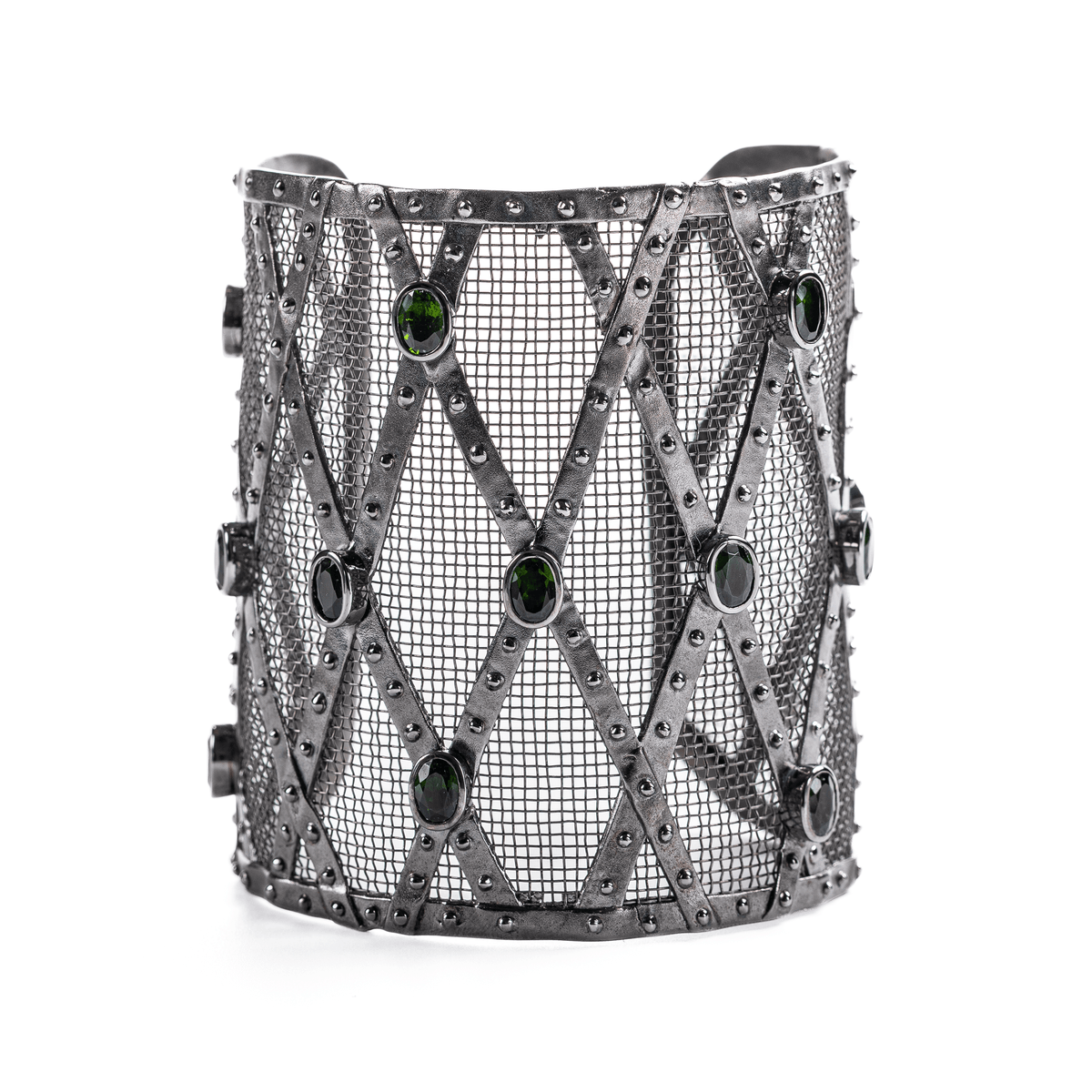
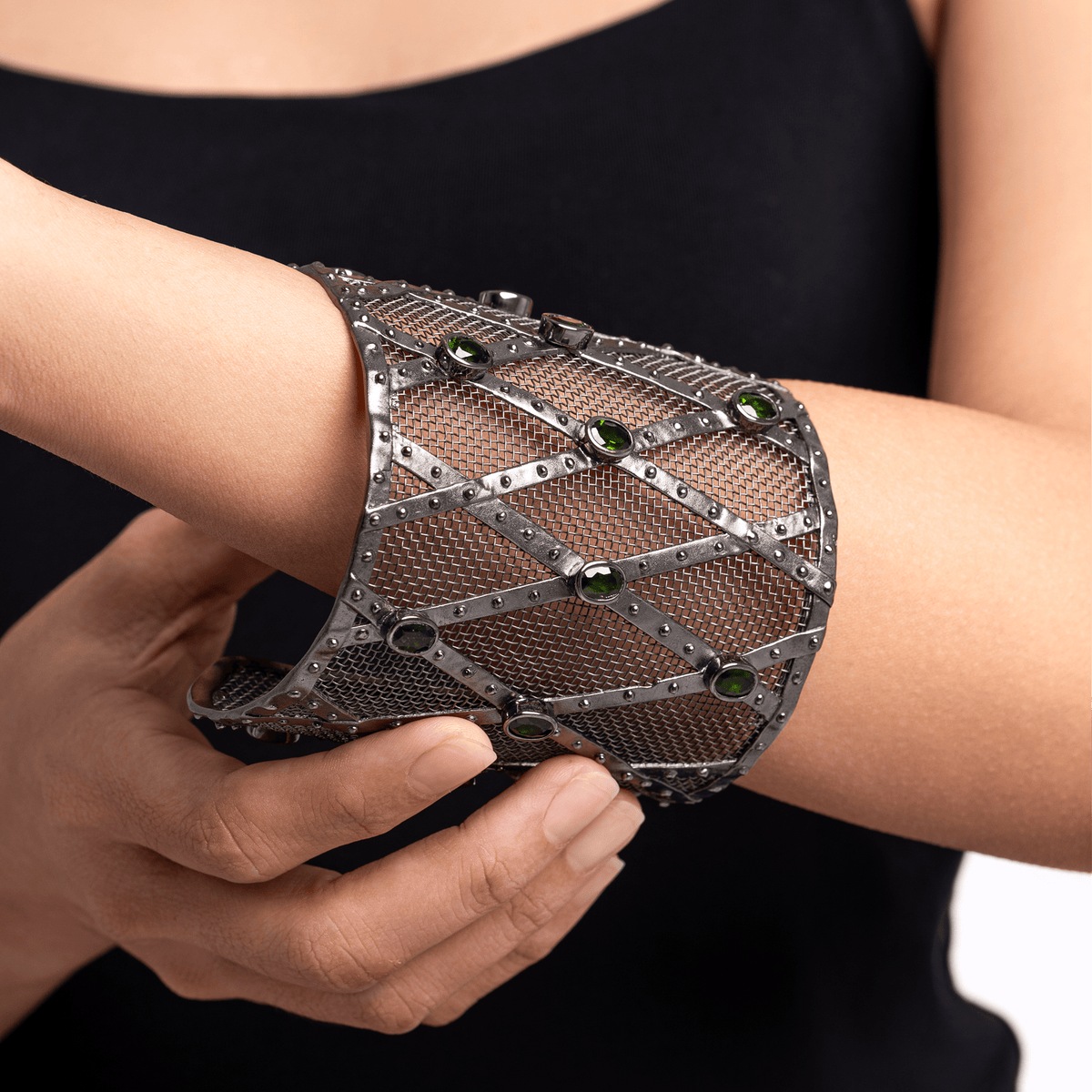
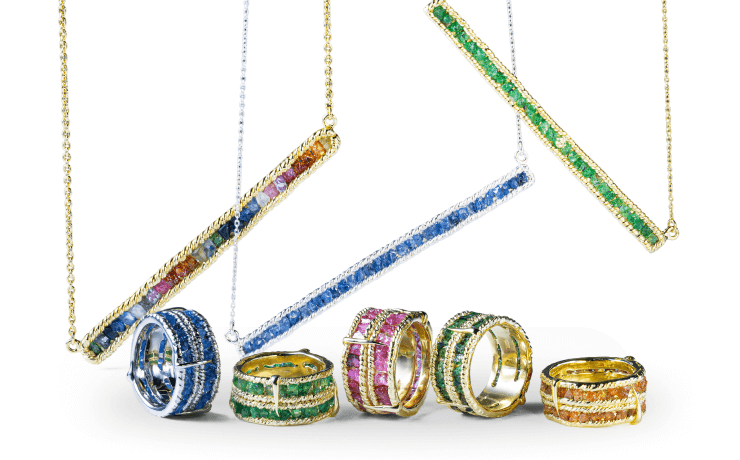
Faceted gemstones suit designs built around sparkle, refinement, and traditional prong settings, and they generally hold up better to daily wear.
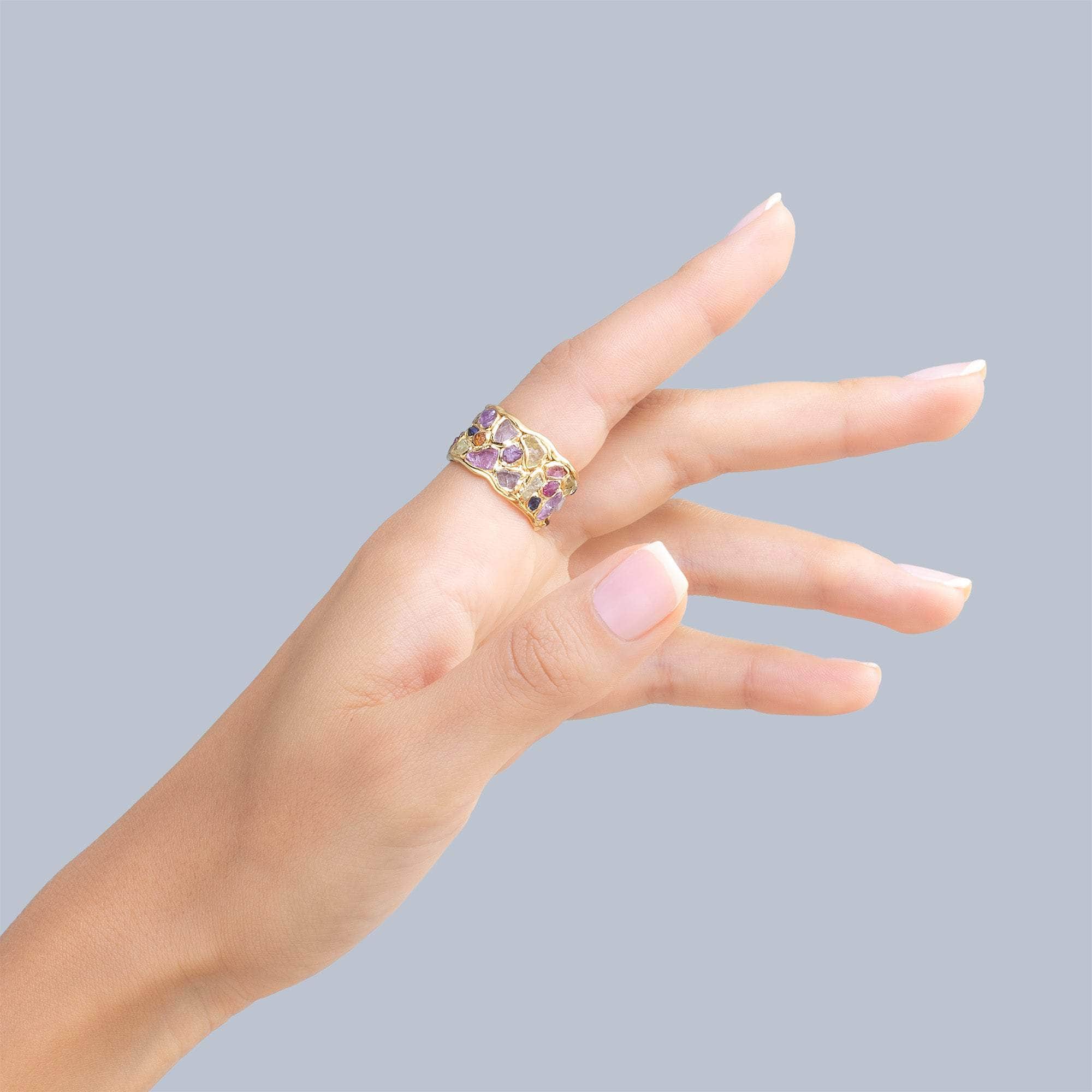
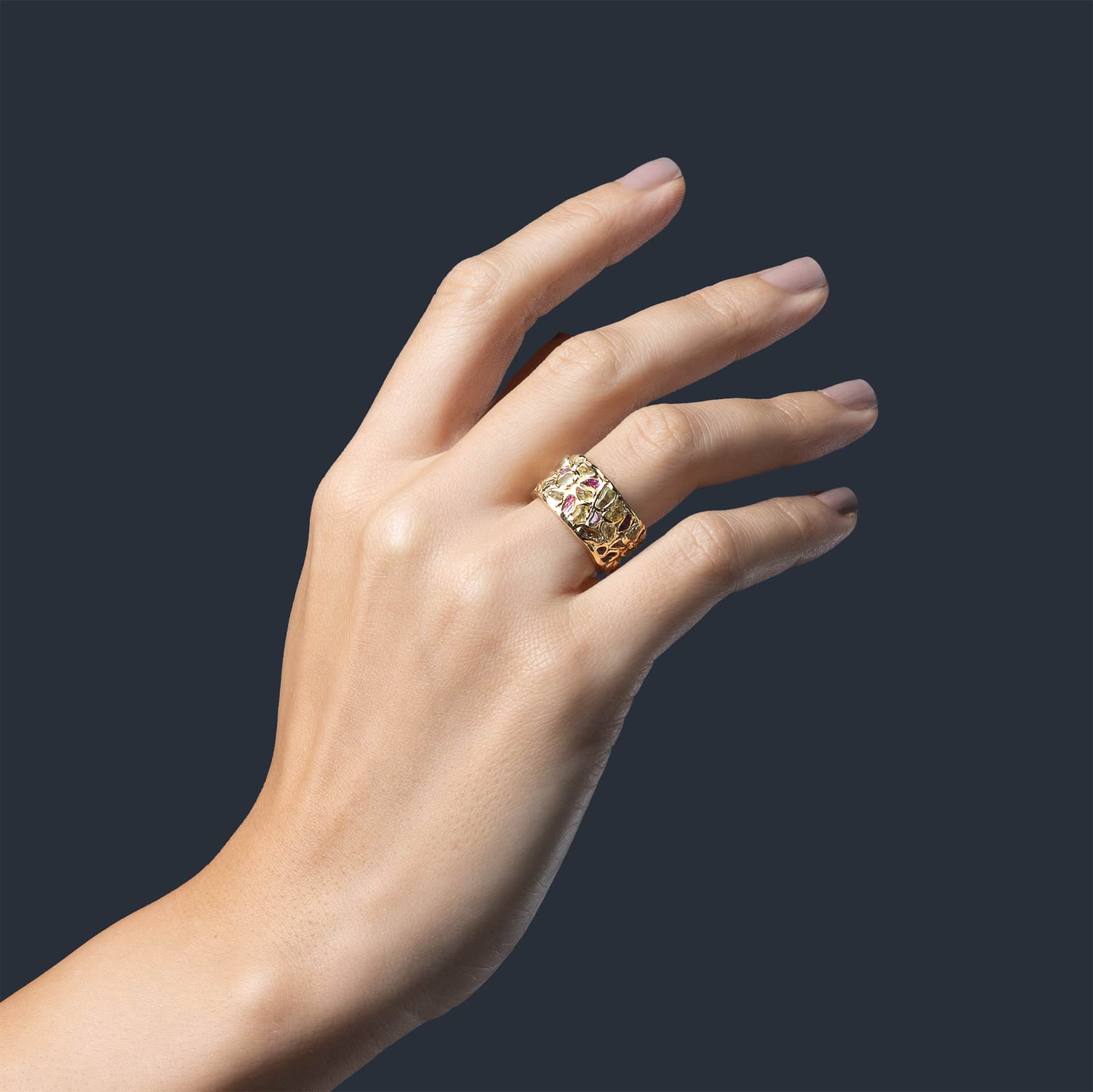
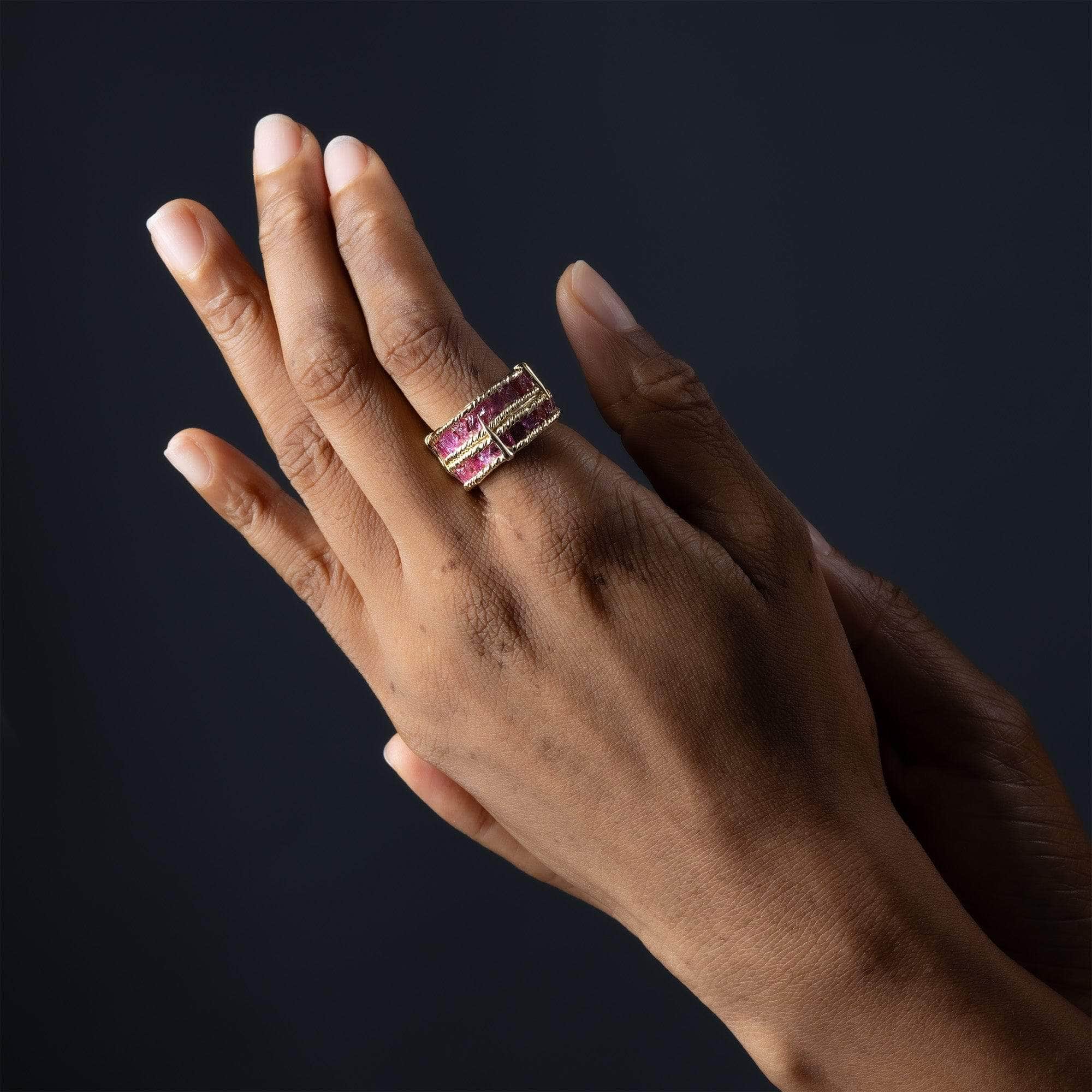
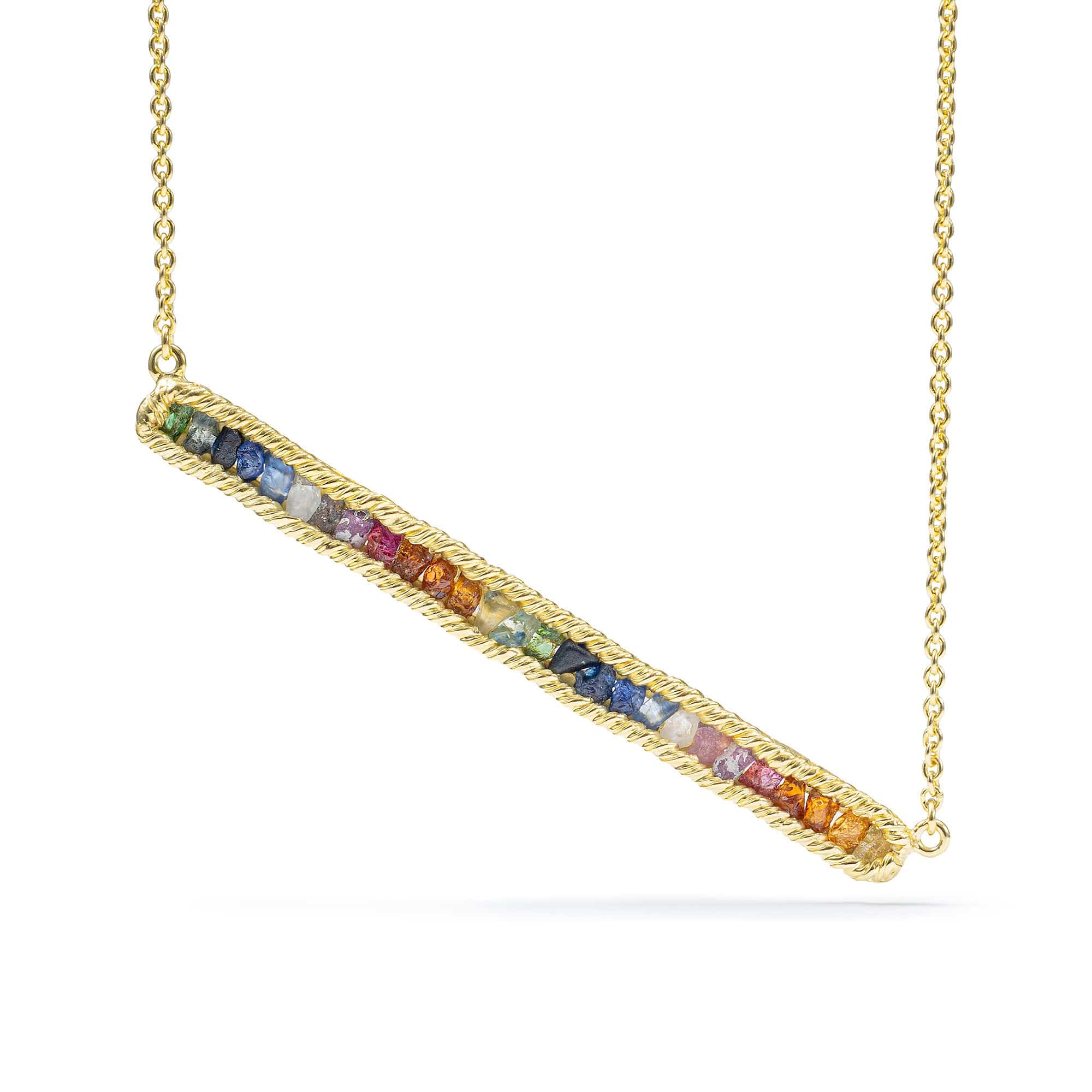
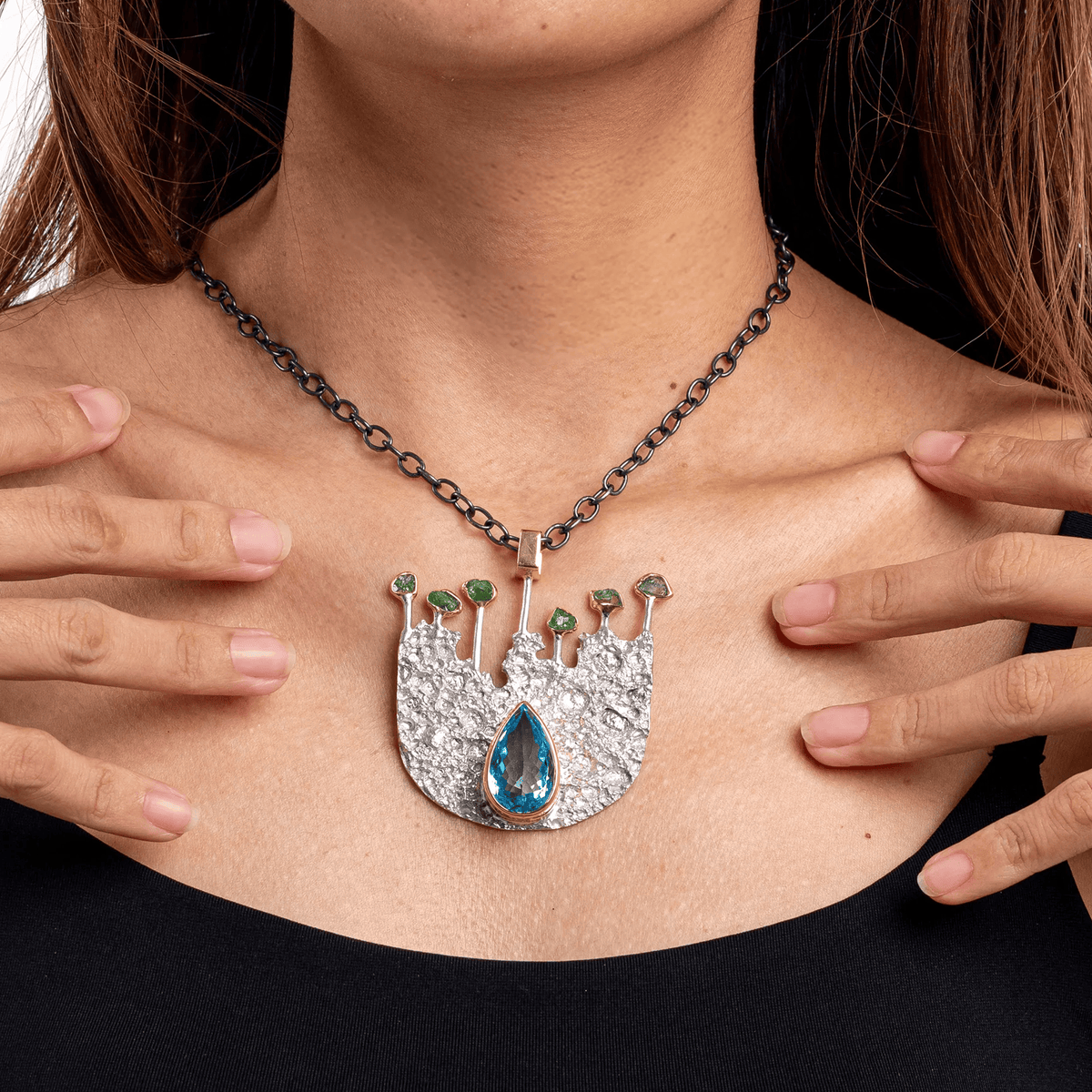
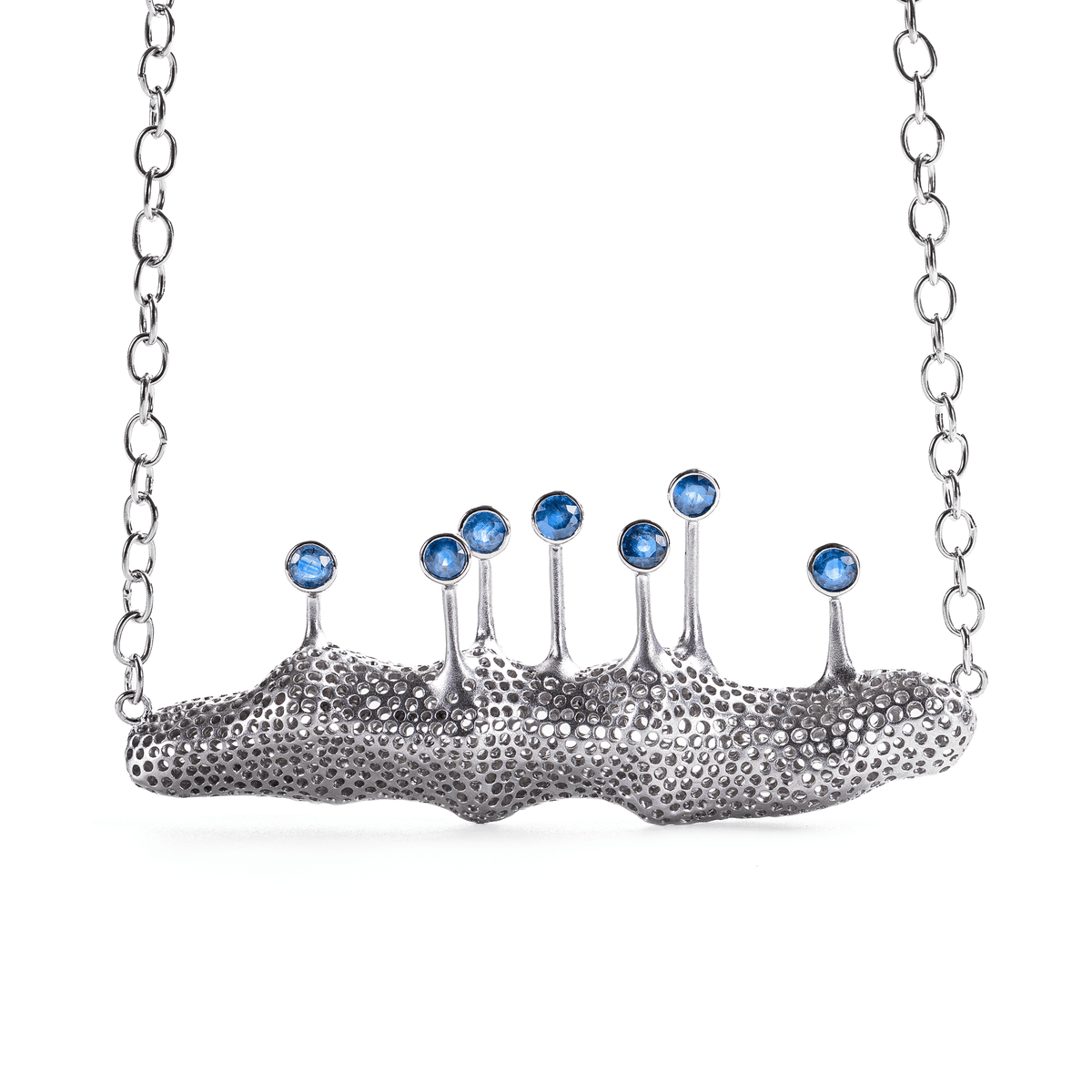
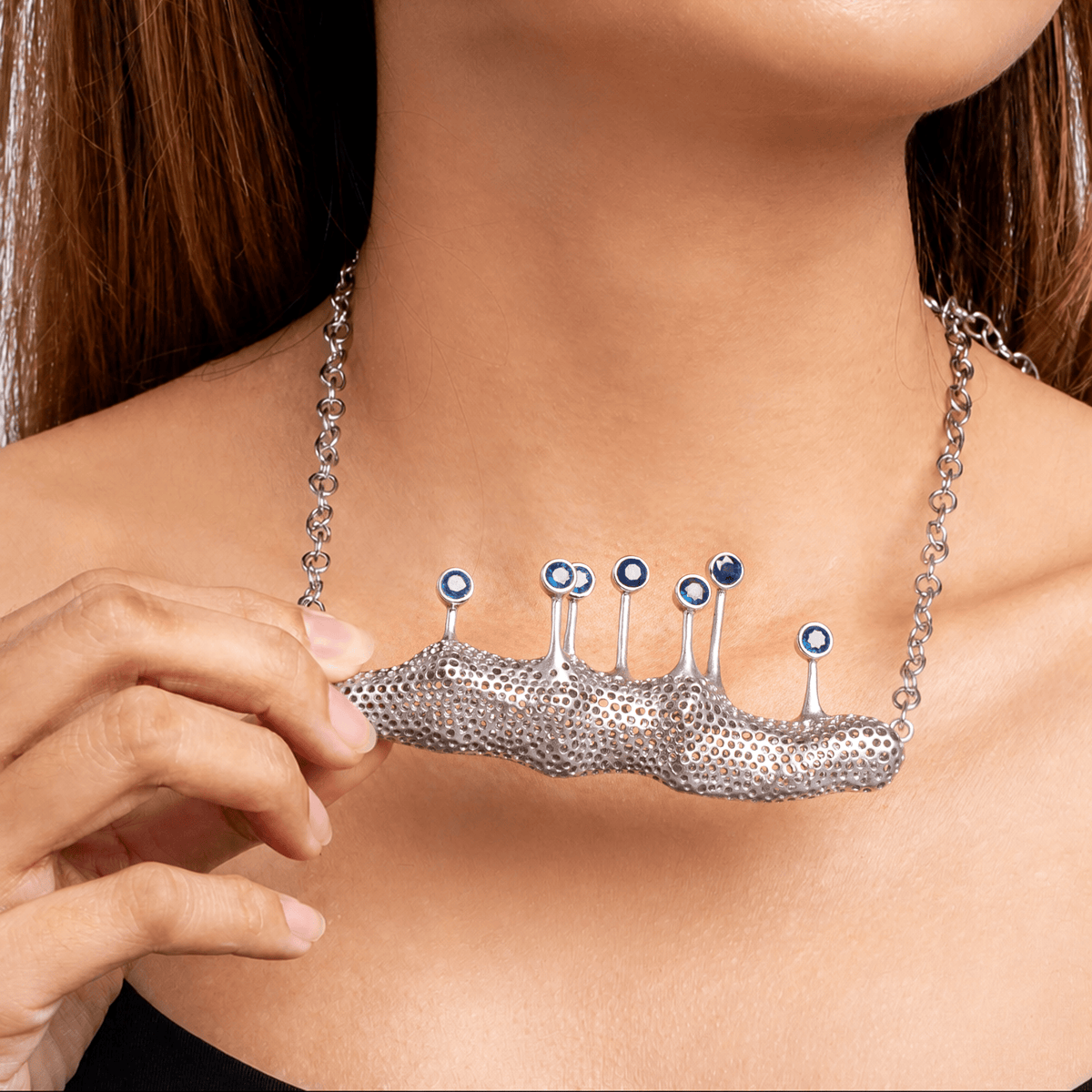
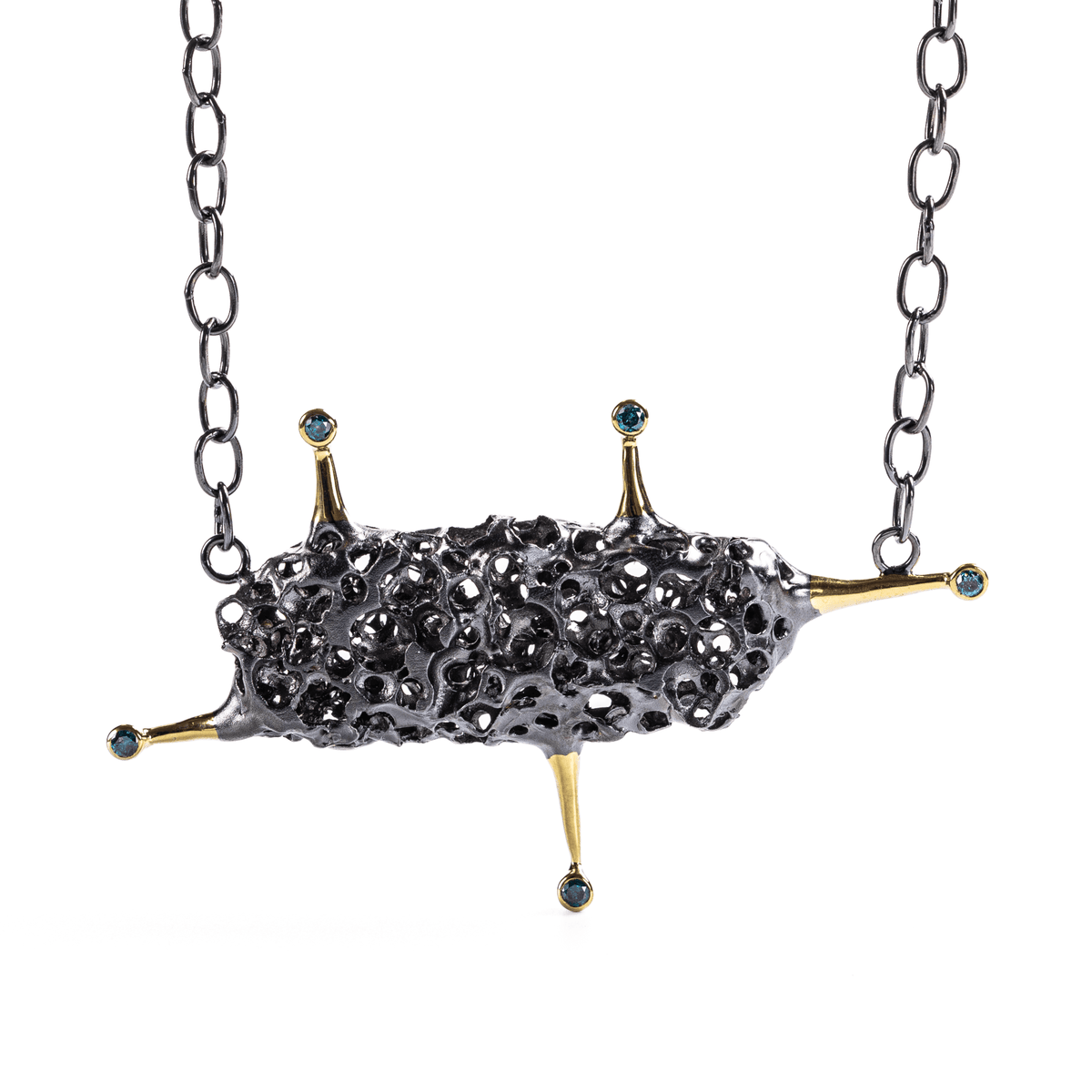
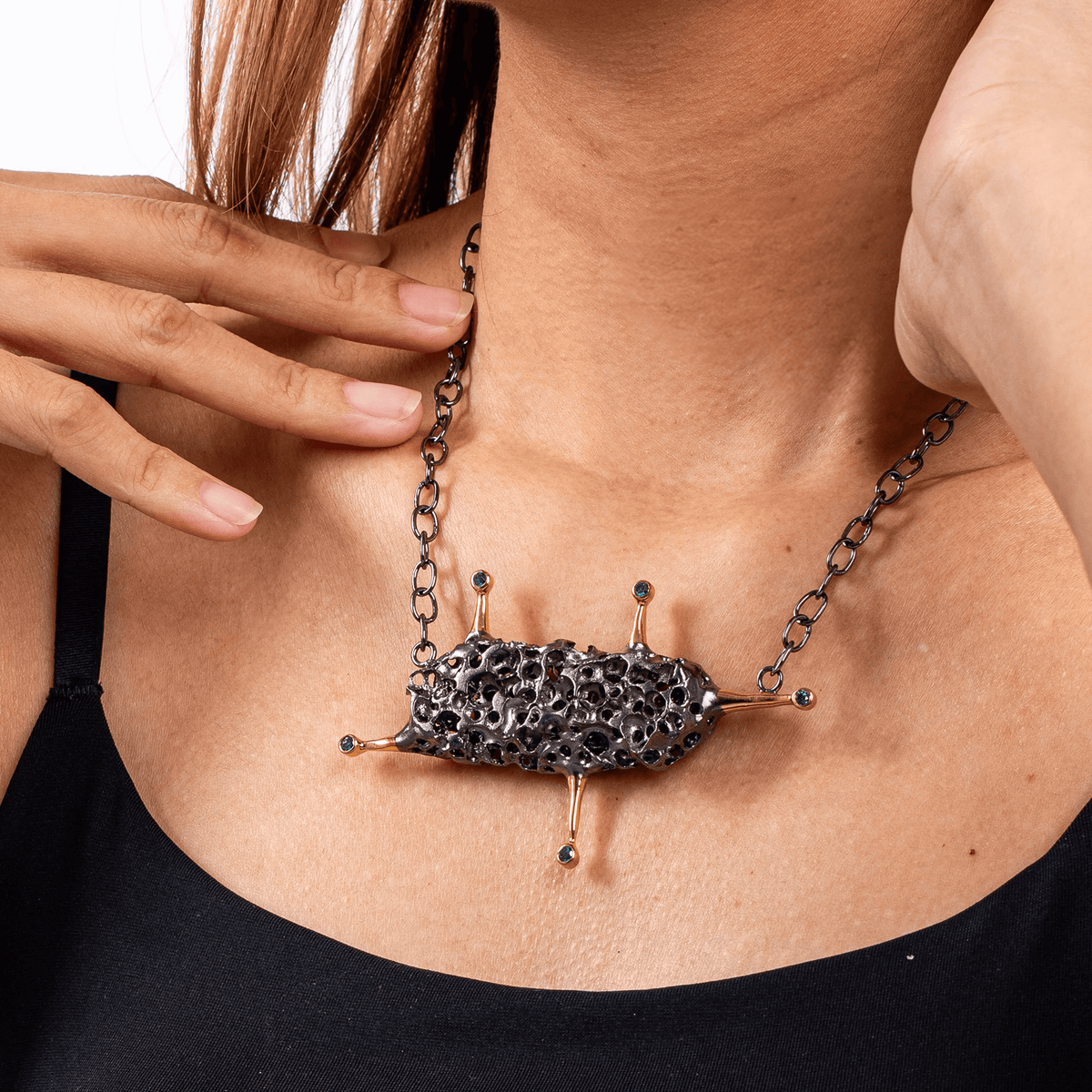
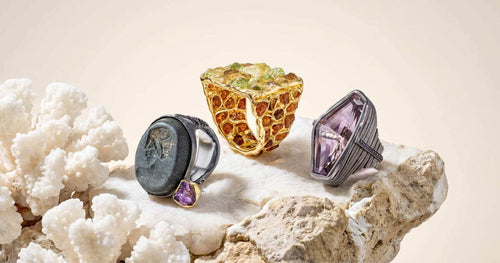
Raw gemstones suit sculptural, natural-form, or artistic designs where texture and individuality matter more than brilliance.
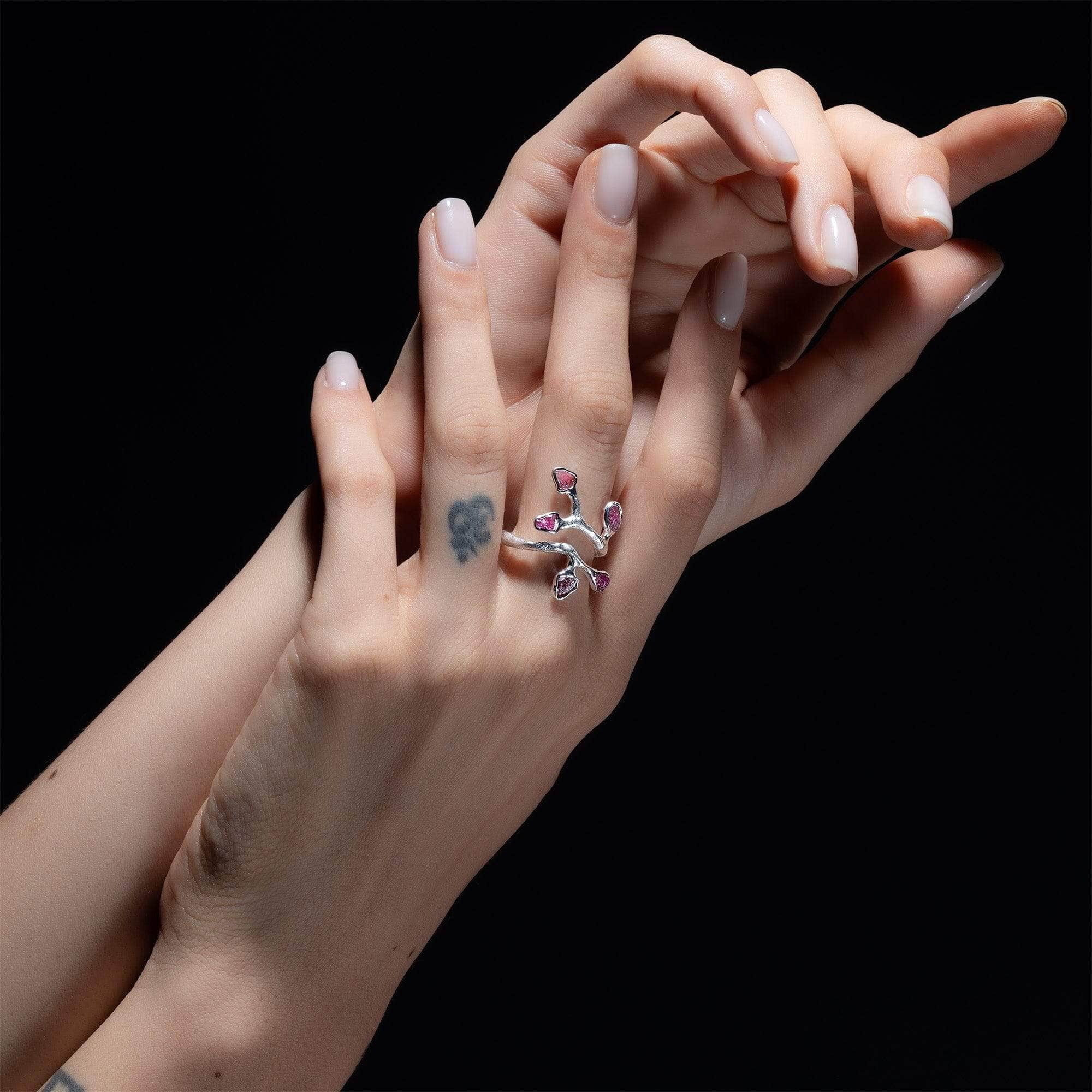
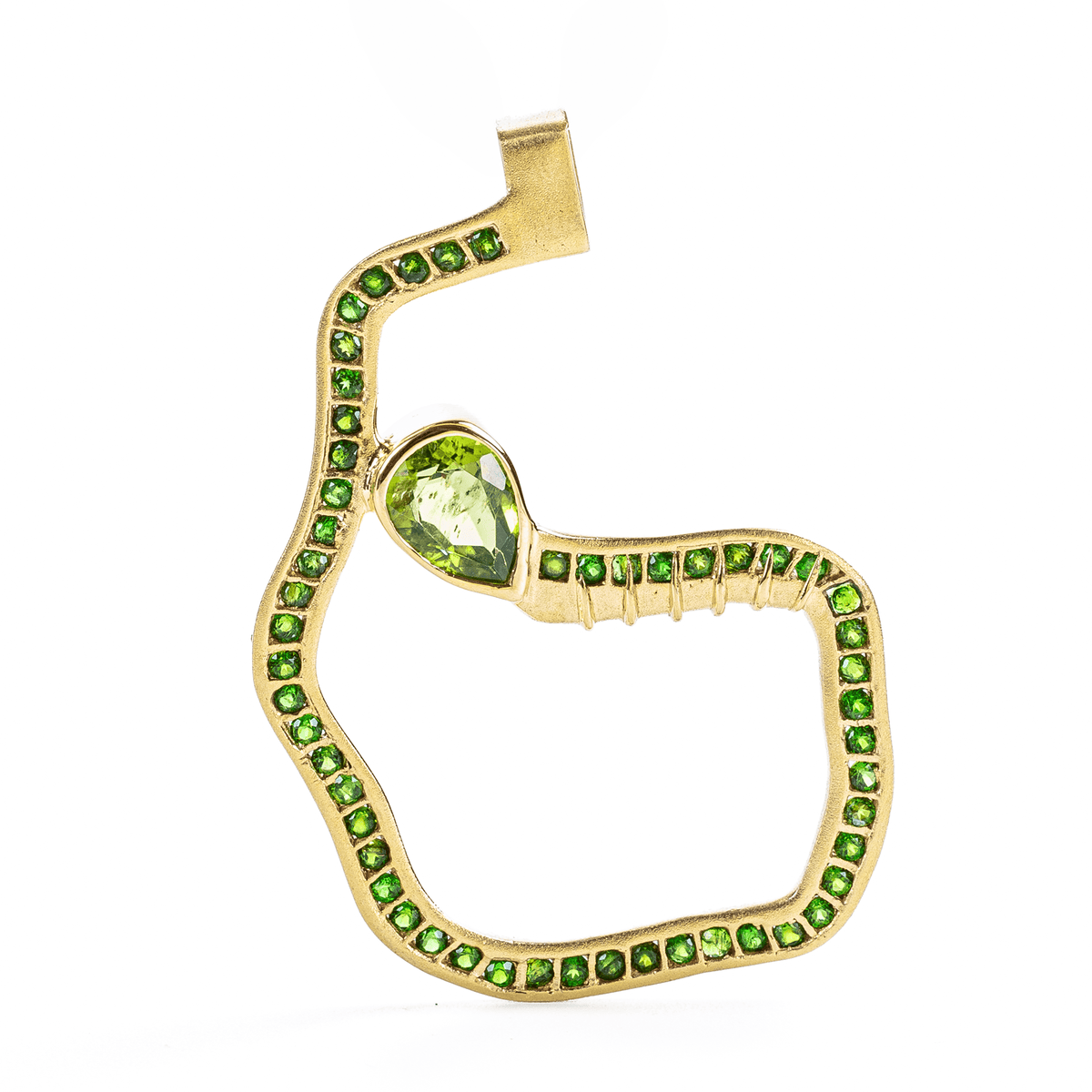
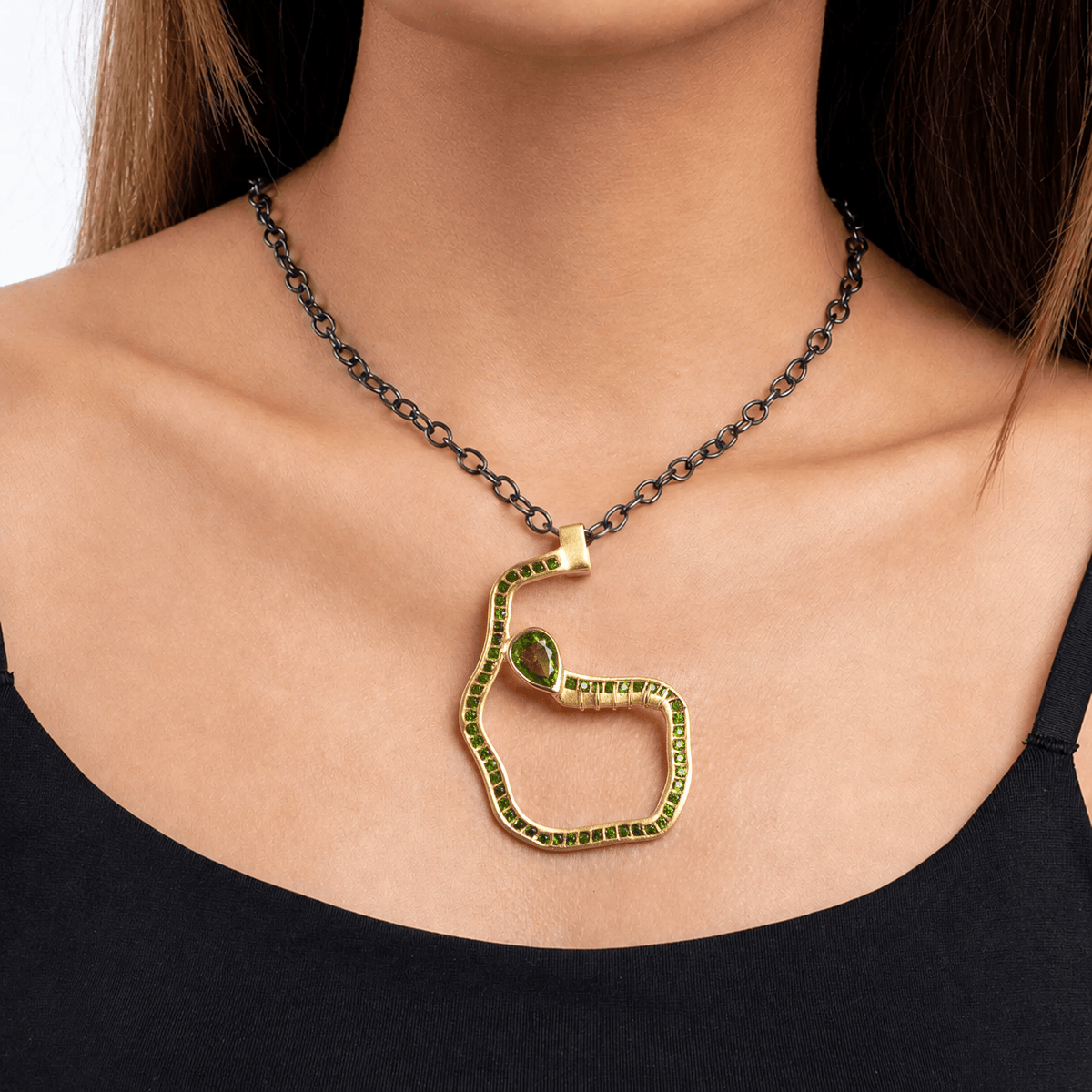
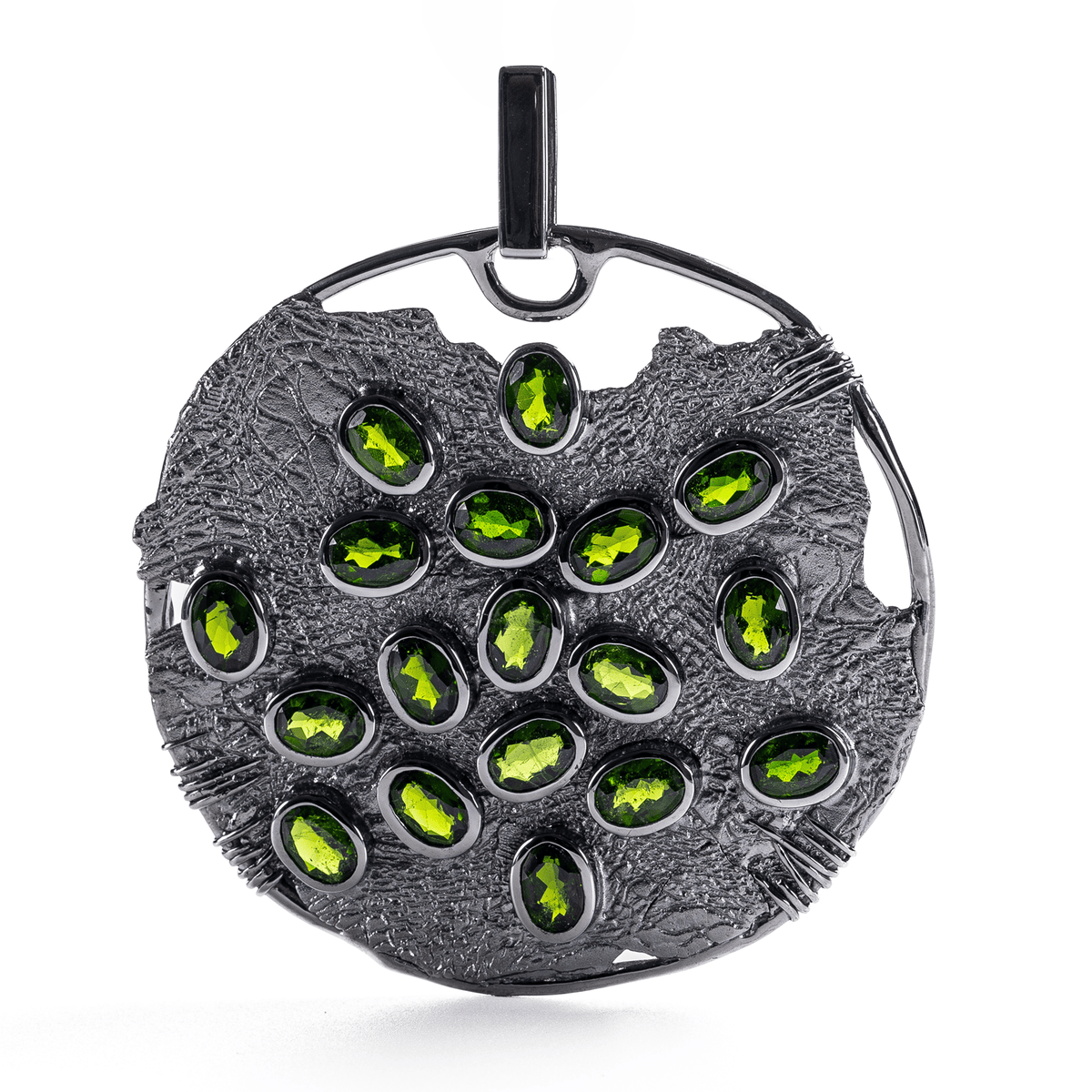
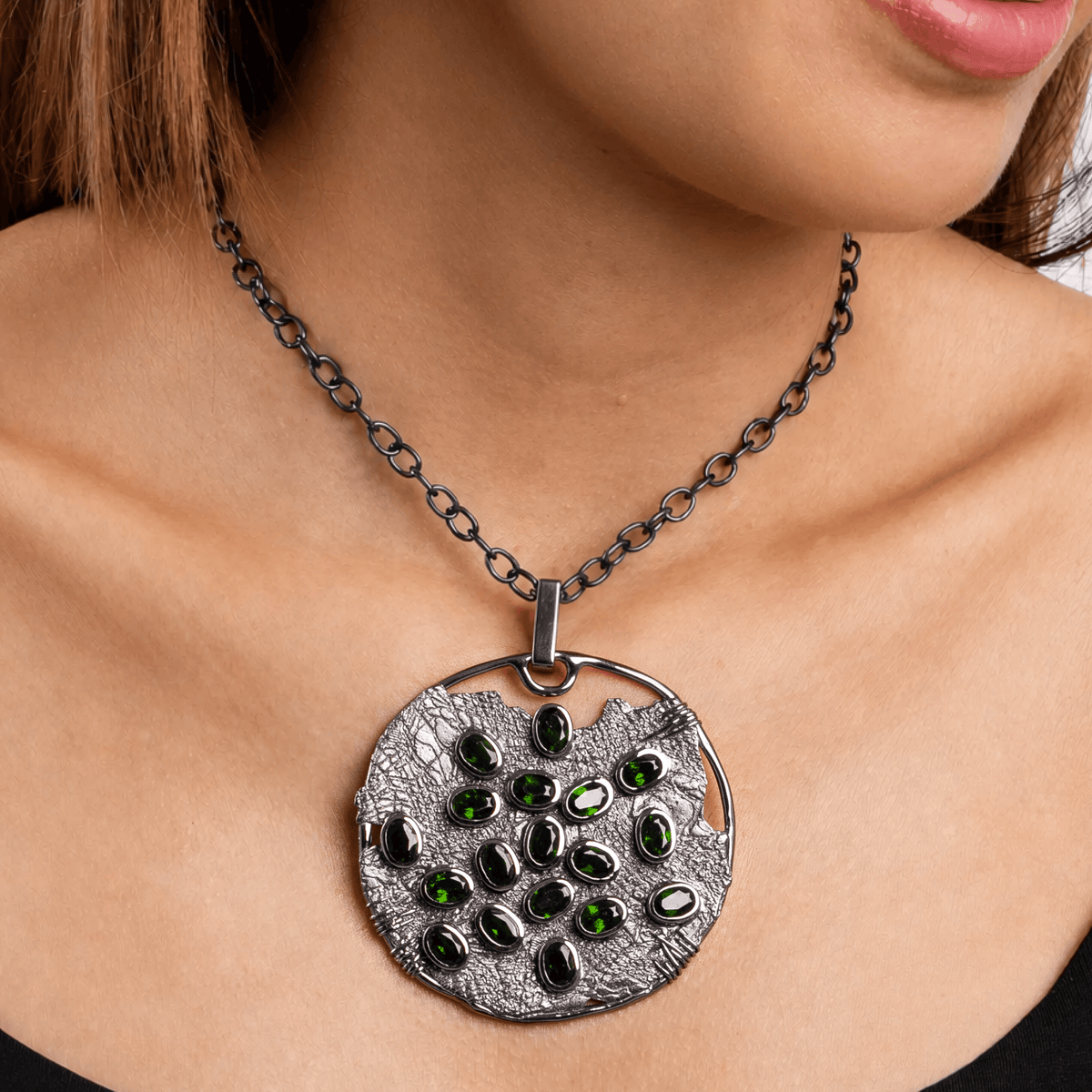
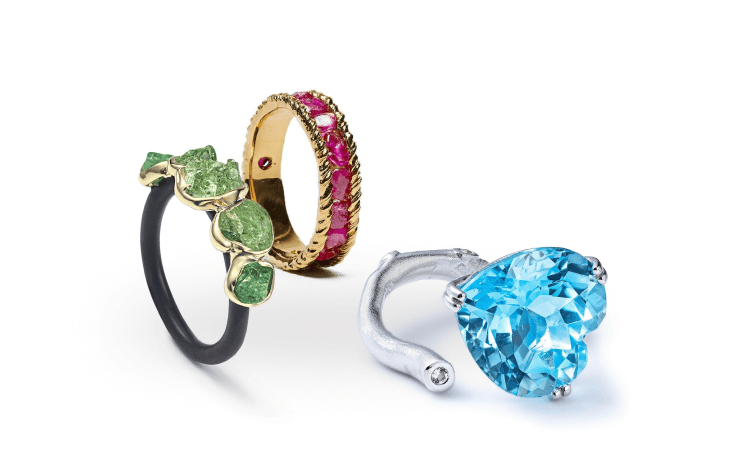
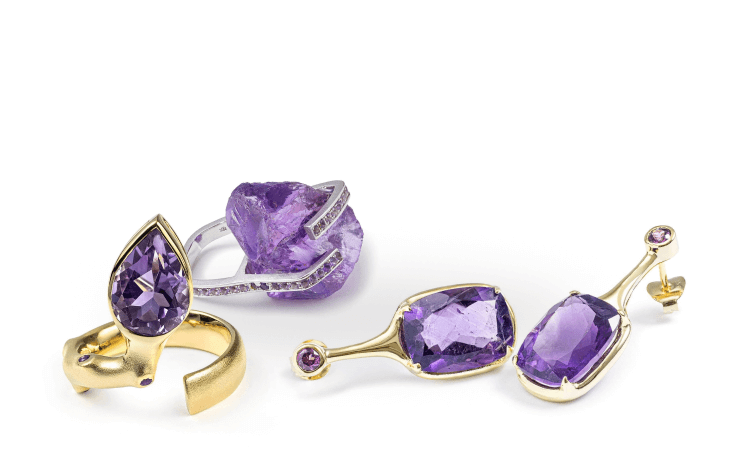
Yes. Faceted stones are commonly set in prong settings that expose the facets to light, while raw stones are often set using inventive original settings, wraps, or bezels designed to secure irregular shapes and protect vulnerable edges.