

Art Jewelry FAQ: What Is Art Jewelry, Wearable Art, and Statement Jewelry?
Here you’ll find answers about art jewelry, statement pieces, wearable art, unconventional materials, investment value, and why German Kabirski refuses to make “normal” jewelry.
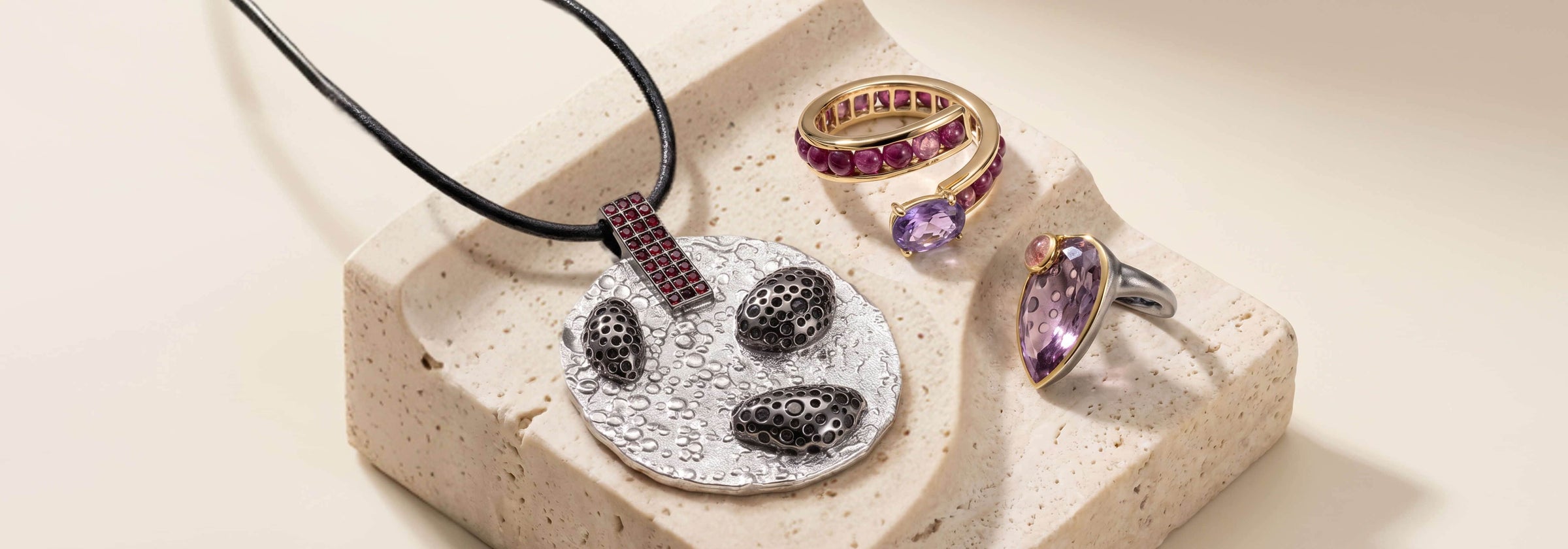
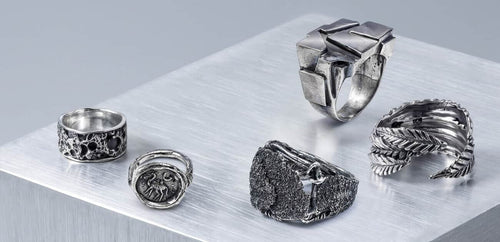
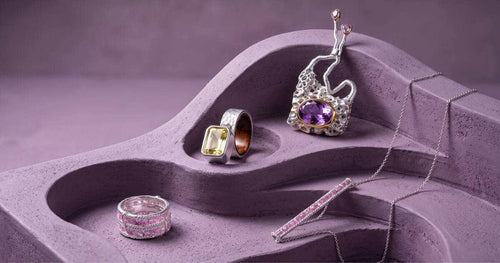
Art jewelry is jewelry created as an artwork first and an accessory second. It uses radical shapes, unexpected stones, and experimental design. Each piece feels like a small, wearable sculpture, functioning as wearable contemporary art and a form of self expression.
Art jewelry is different from traditional jewelry because it is created as a piece of contemporary art first and a fashion accessory second, focusing on concept, experimentation, and self expression. It does not chase perfect symmetry or “safe” beauty; instead, art jewelry leans into raw textures, strange silhouettes, unconventional materials, and emotional impact.
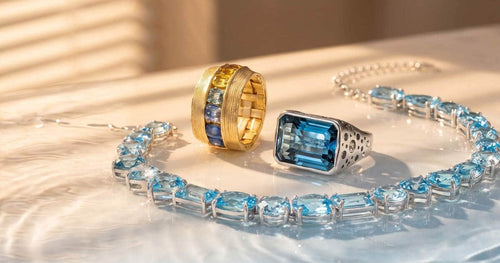
Contemporary designer jewelry often uses unexpected stones, experimental metals, and sculptural forms that would never appear in mainstream commercial collections. Traditional fine jewelry is usually designed to be timeless, elegant, and widely acceptable, while art jewelry is made for people who are allergic to normal and want statement jewelry that looks unique, sometimes even confrontational or “imperfect” on purpose.
Art jewelry can be considered fine jewelry when it is created with precious metals and genuine gemstones, but its real value goes beyond materials into the concept and the artist’s vision. Designer jewelry is often treated like portable works of contemporary art that you can wear, rather than just traditional status symbols or classic fashion accessories.
Many collectors view high-end art jewelry as both fine jewelry and art, because it combines quality materials, expert craftsmanship, unique design, and strong storytelling in a way that mass-produced jewelry cannot match.
Collectors choose art jewelry because it is rare, personal, and often feels a little dangerous compared with traditional fine jewelry. Art jewelry, wearable art jewelry, and contemporary designer jewelry offer one-of-a-kind or limited pieces that stand out in a market full of mass-produced accessories, making them highly attractive to collectors who value uniqueness and scarcity.
Choosing art jewelry means owning a fragment of the artist’s inner world and creative vision, not just another “nice” ring or necklace, which adds depth and story to a jewelry collection. For many collectors, that connection to the artist, combined with the rarity and individuality of the work, is part of what makes a piece worth collecting.
Most real art jewelry involves a heavy amount of handwork by the artist or a small studio. Hands, not machines, shape the odd angles, rough textures, and off-beat stone settings that define unique art jewelry and wearable art jewelry pieces. Automation and mass-production can limit the creative process, so the most collectible designer art jewelry is usually handcrafted, allowing the artist to experiment freely with forms, materials, and details that machines cannot truly improvise or feel their way into.
Wearable art in jewelry is designed as an artwork first—like a painting or sculpture—but created to live on the body, which makes it a form of art jewelry. Wearable art focuses on bold, sculptural design, unusual materials, and strong concepts, so each piece feels like a small, portable artwork. True statement jewelry pieces do not just match an outfit; they transform the atmosphere, becoming a creative form of self expression.
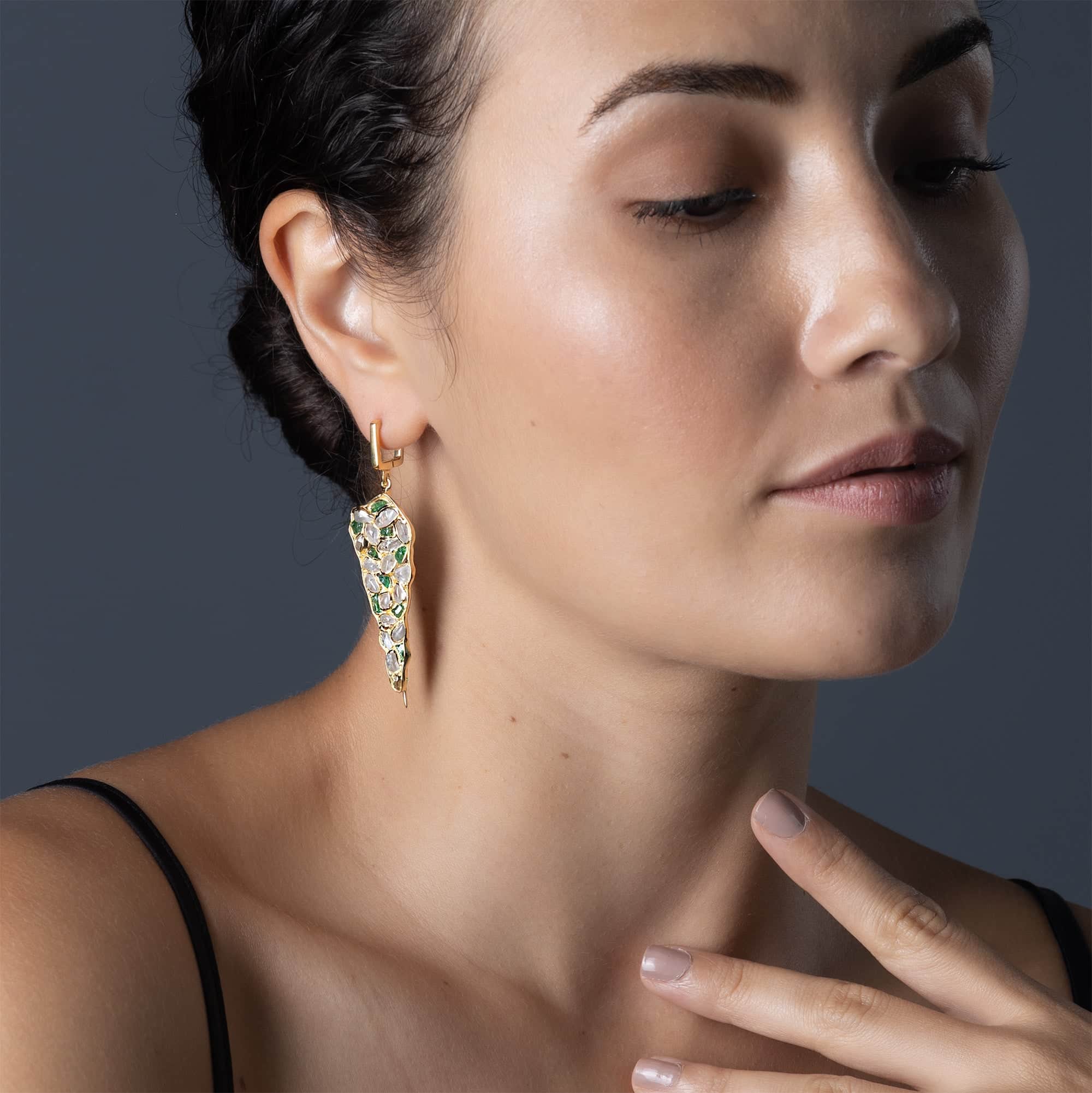
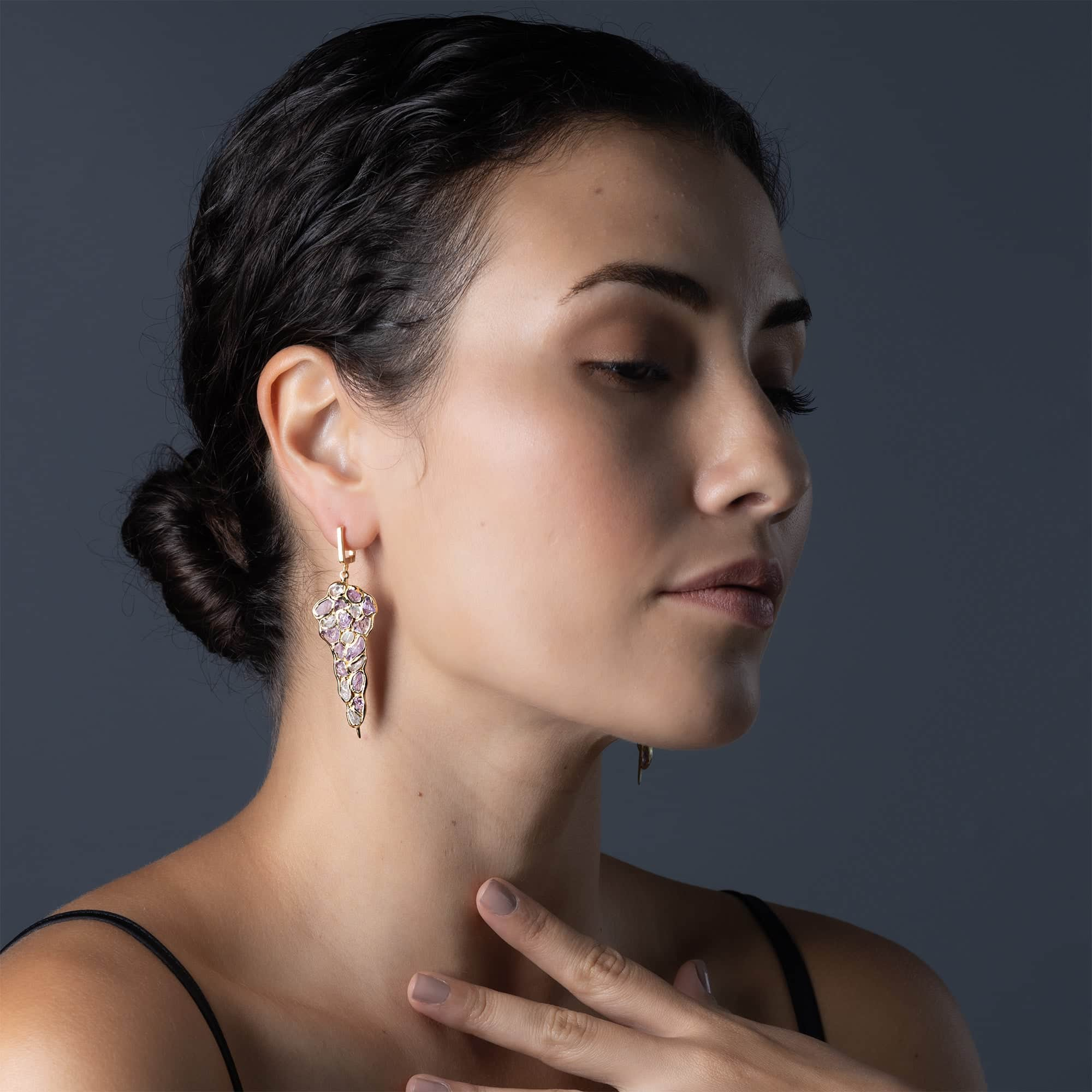
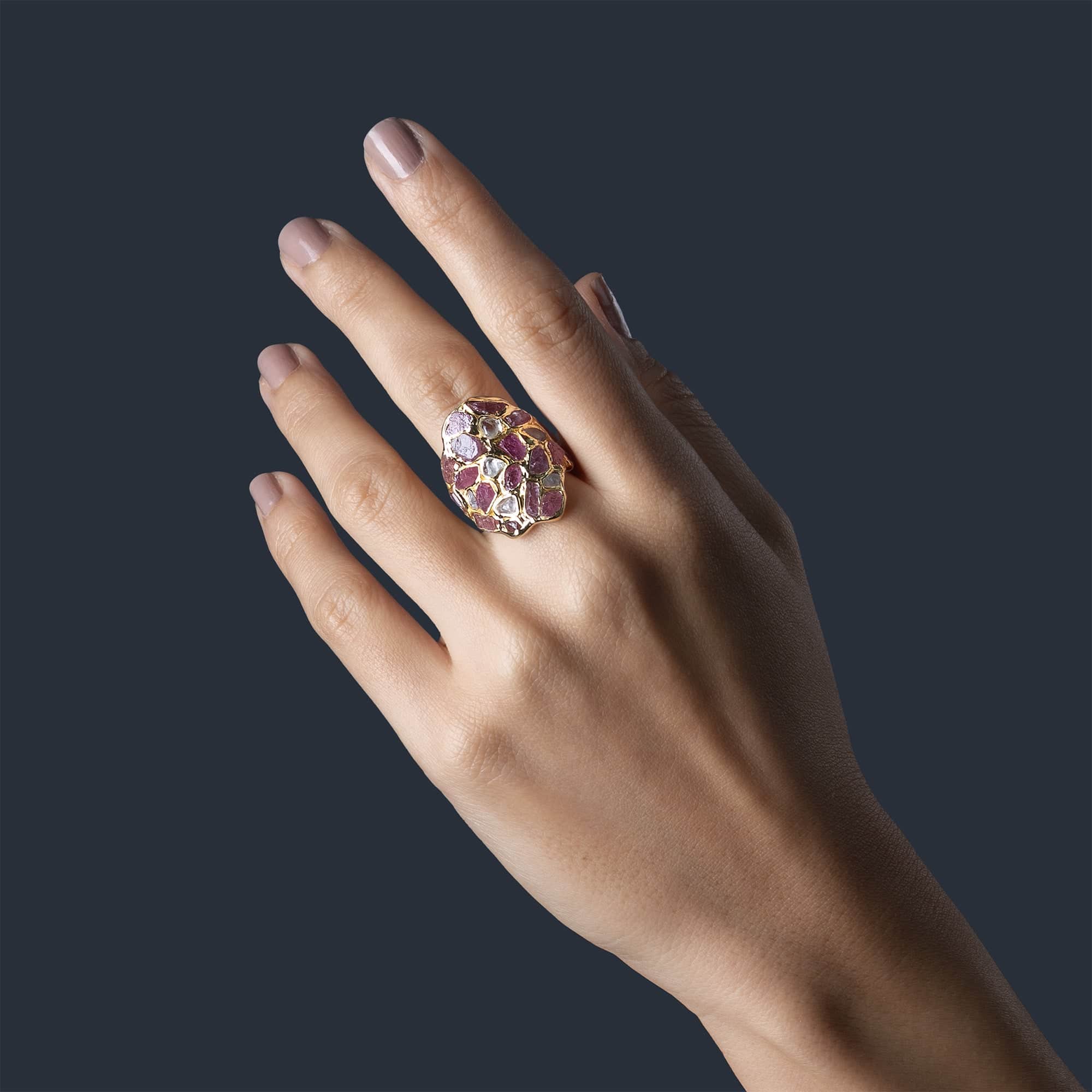
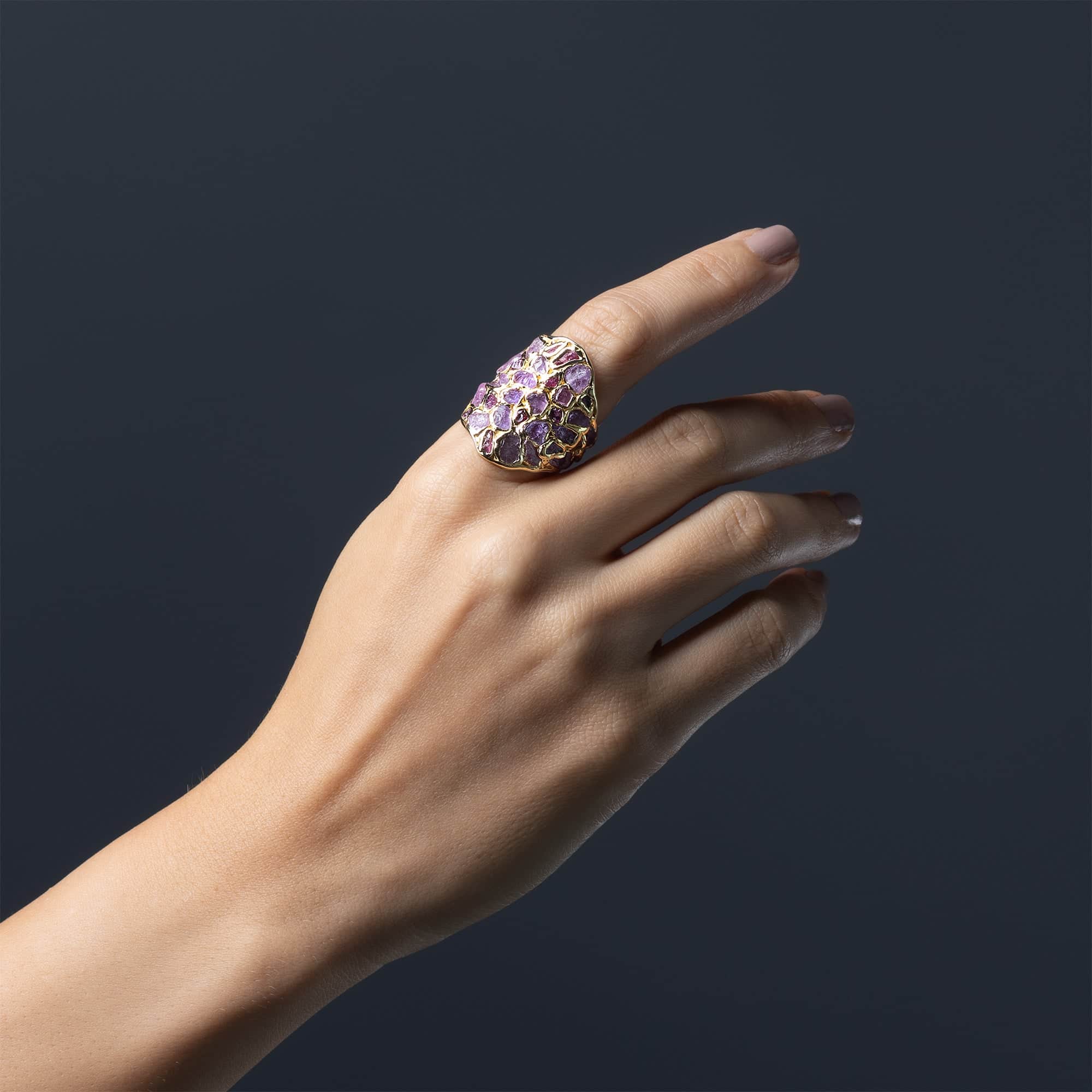
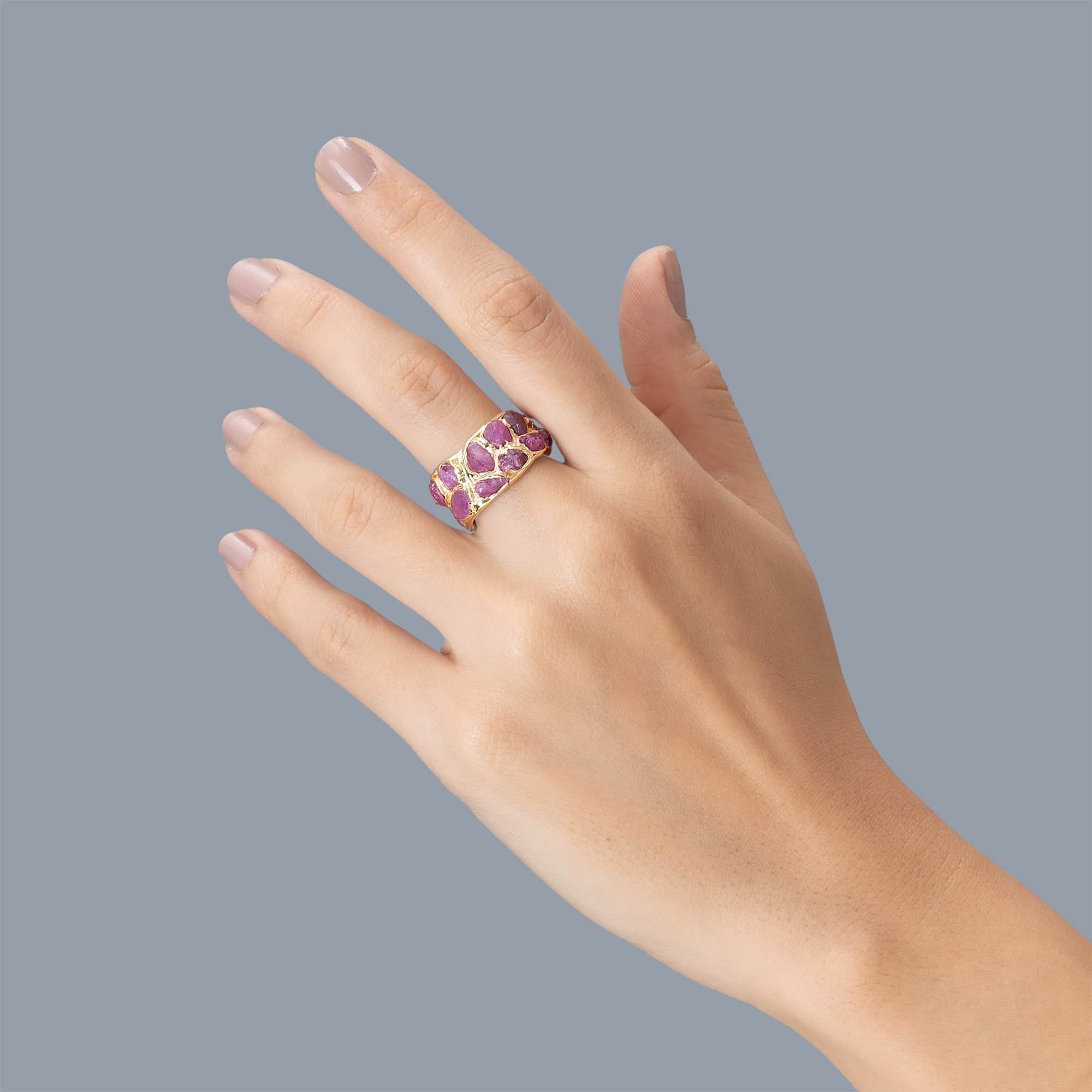
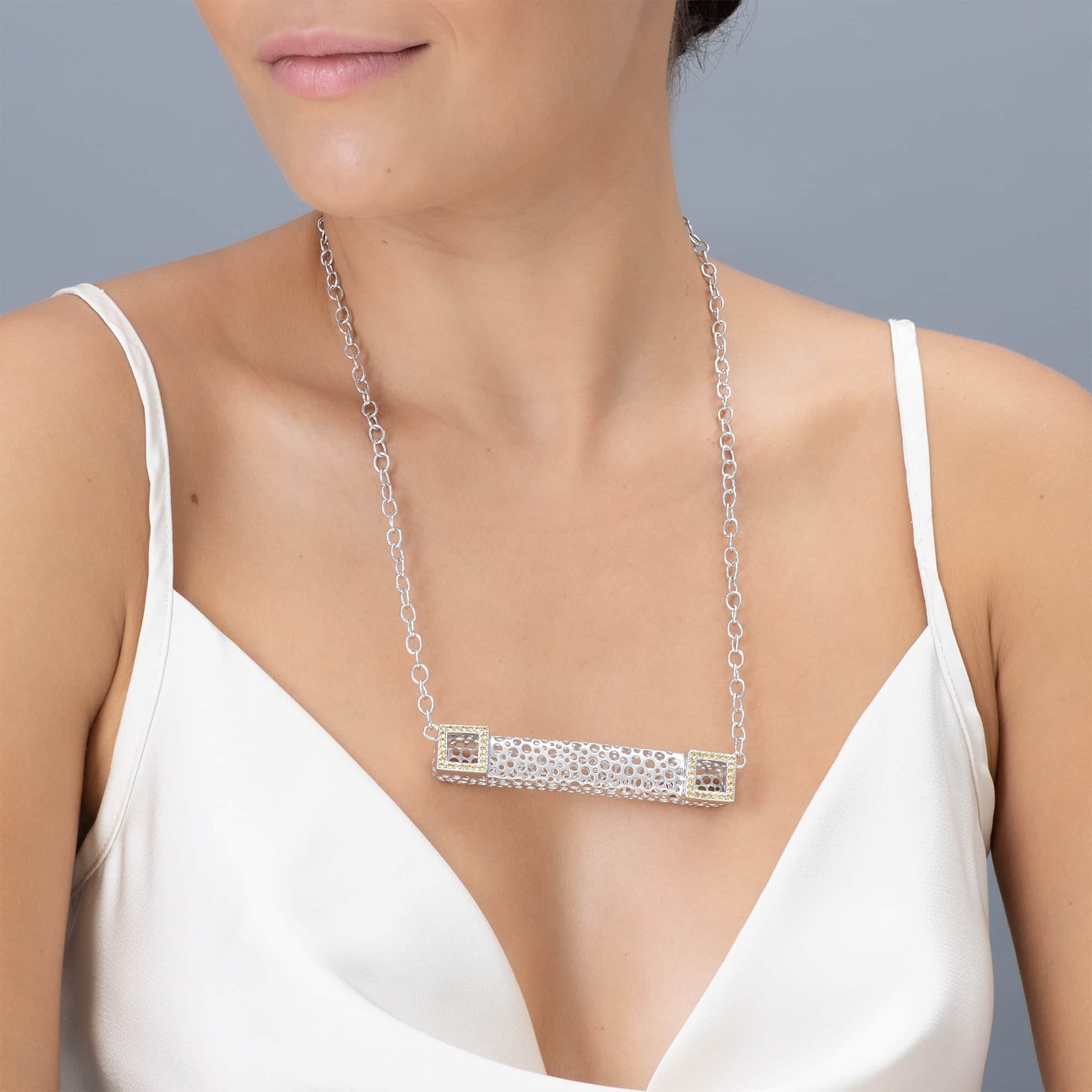
To style art jewelry for everyday wear, choose one bold art jewelry piece—like a statement ring, sculptural necklace, or oversized earrings—as the focal point and keep the rest of your outfit clean and simple so the wearable art jewelry can stand out. Designer jewelry should be your means of self expression, not just decoration, especially if you are allergic to normal and want your accessories to be different.
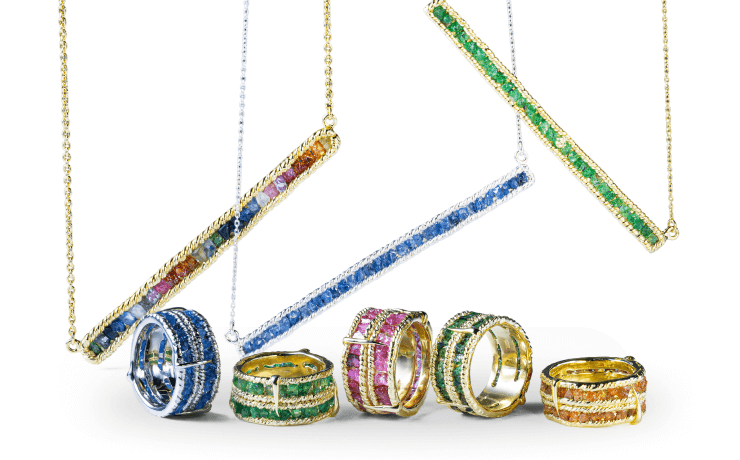
For a more expressive look, you can layer and stack multiple pieces of contemporary designer jewelry together, mixing rings, bracelets, and necklaces, but keep a consistent metal tone or color mood so your statement pieces look intentional. The key rule for styling art jewelry is not to dilute the attitude: let your art jewelry speak loudly and build your outfit around it, either for everyday wear or night events.
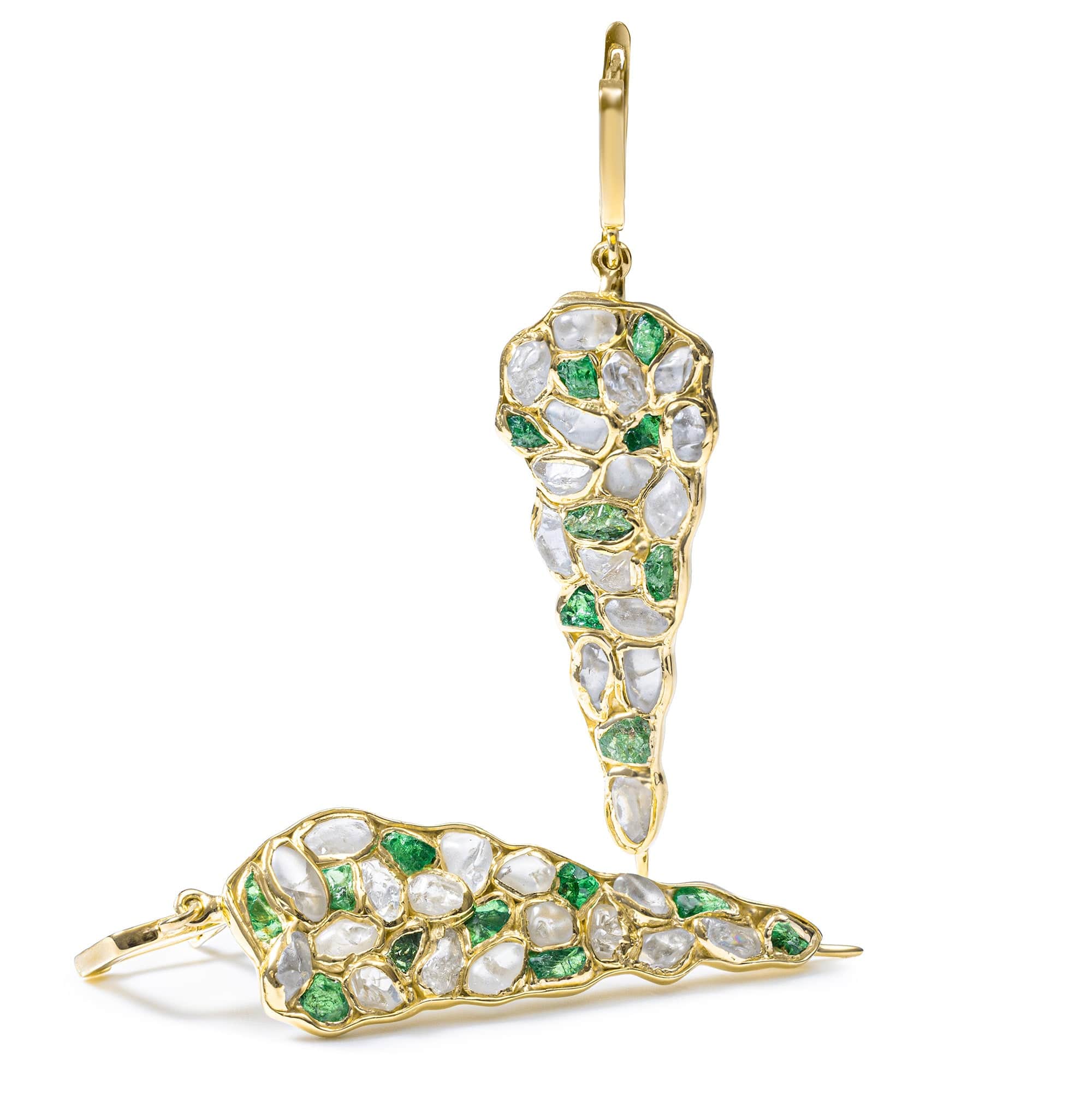
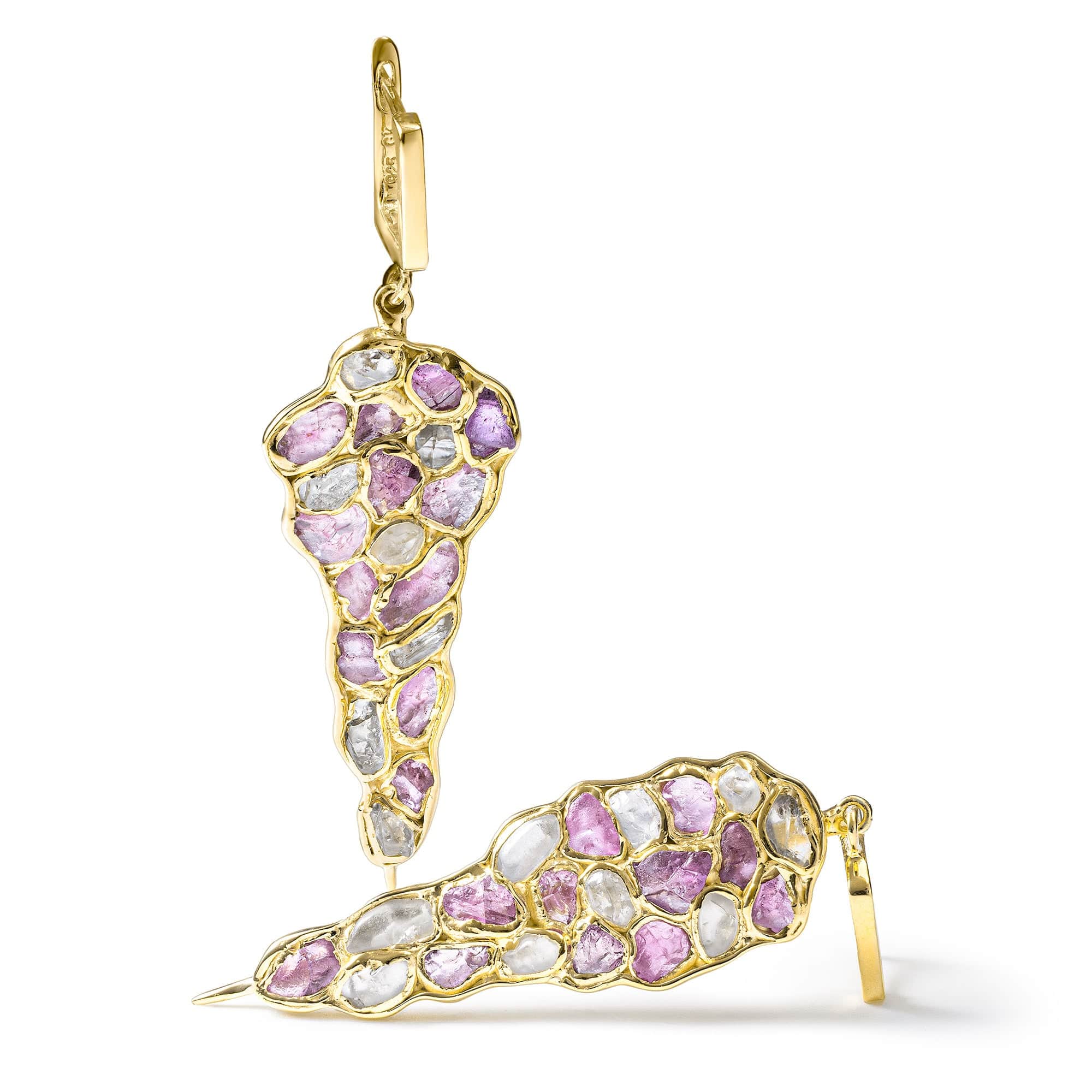
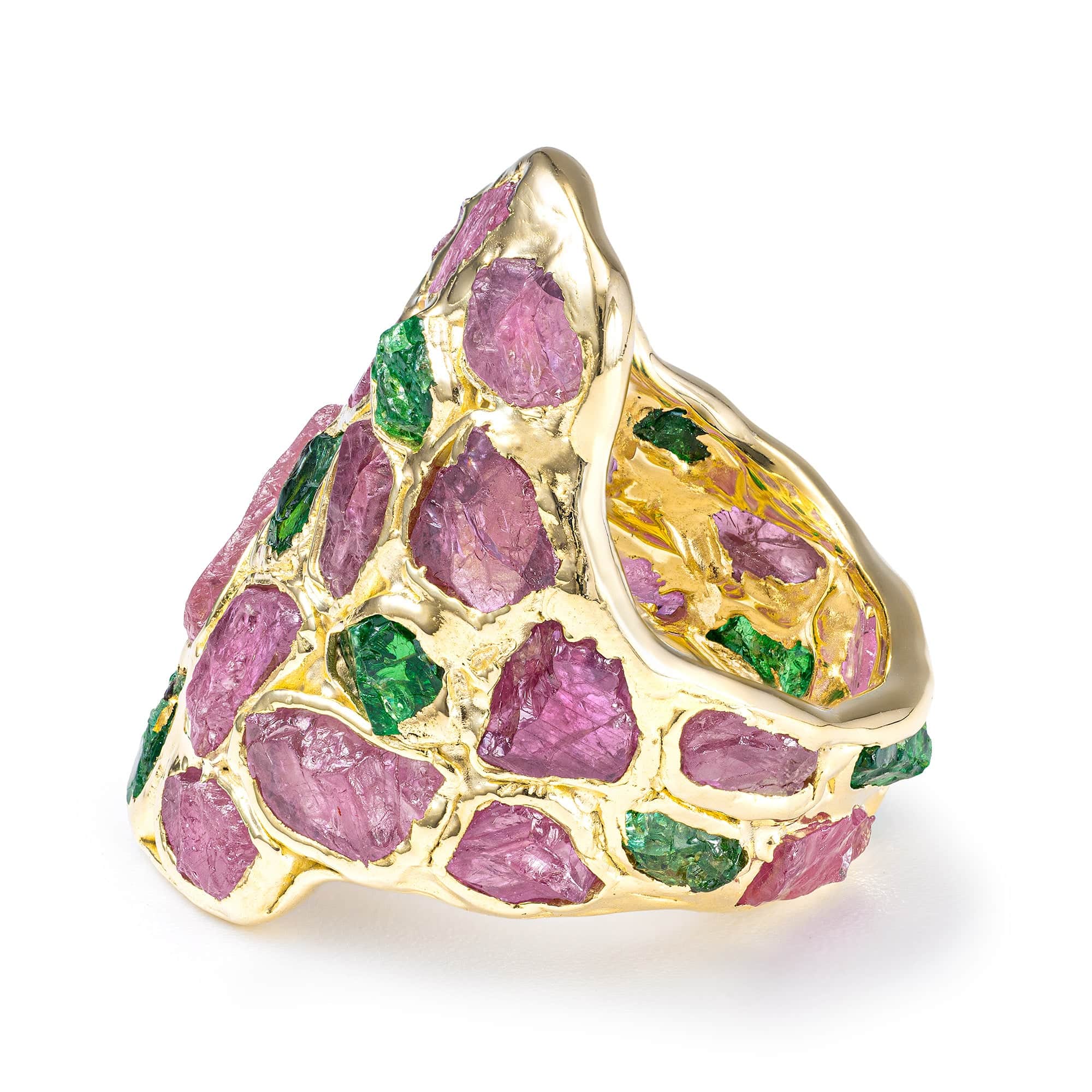
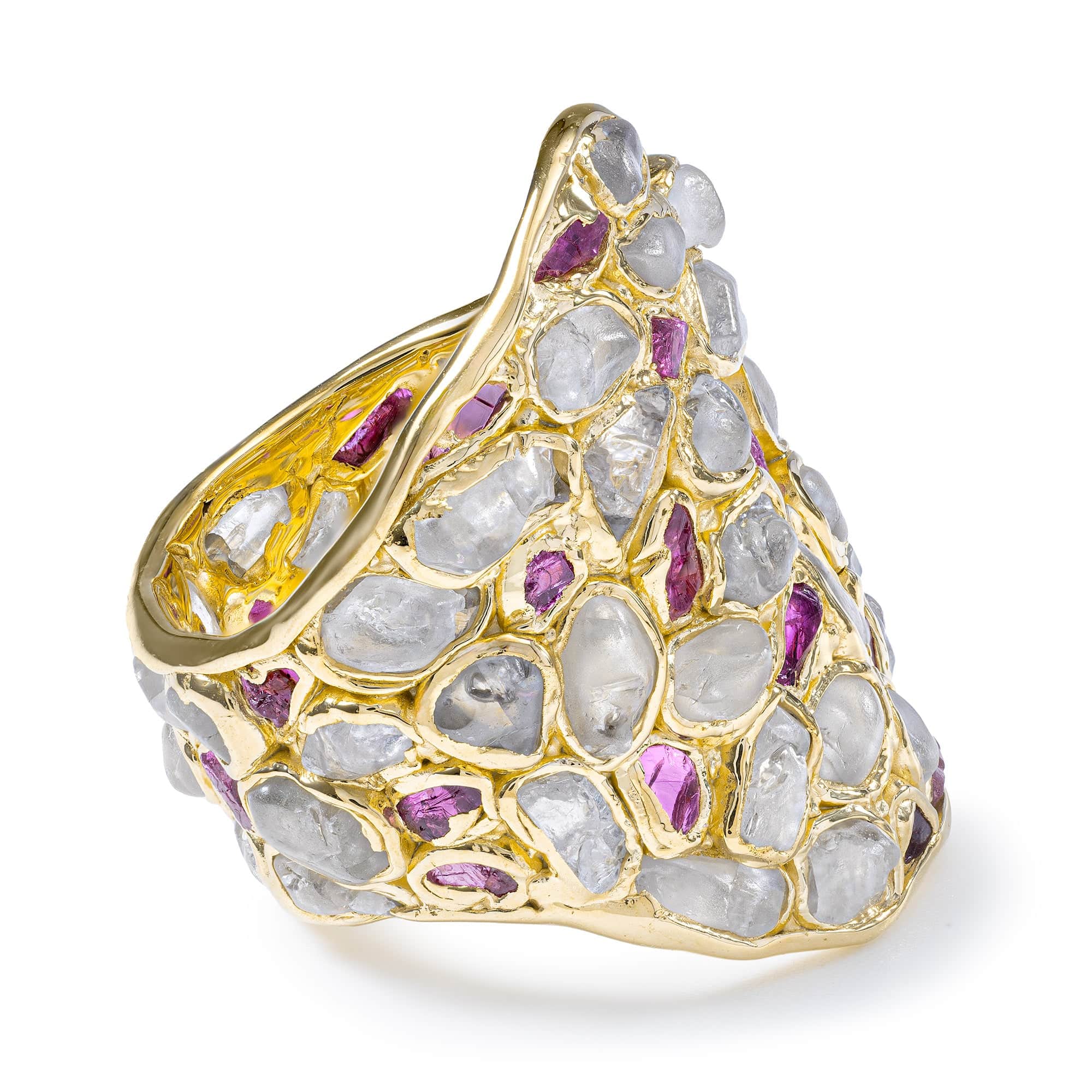
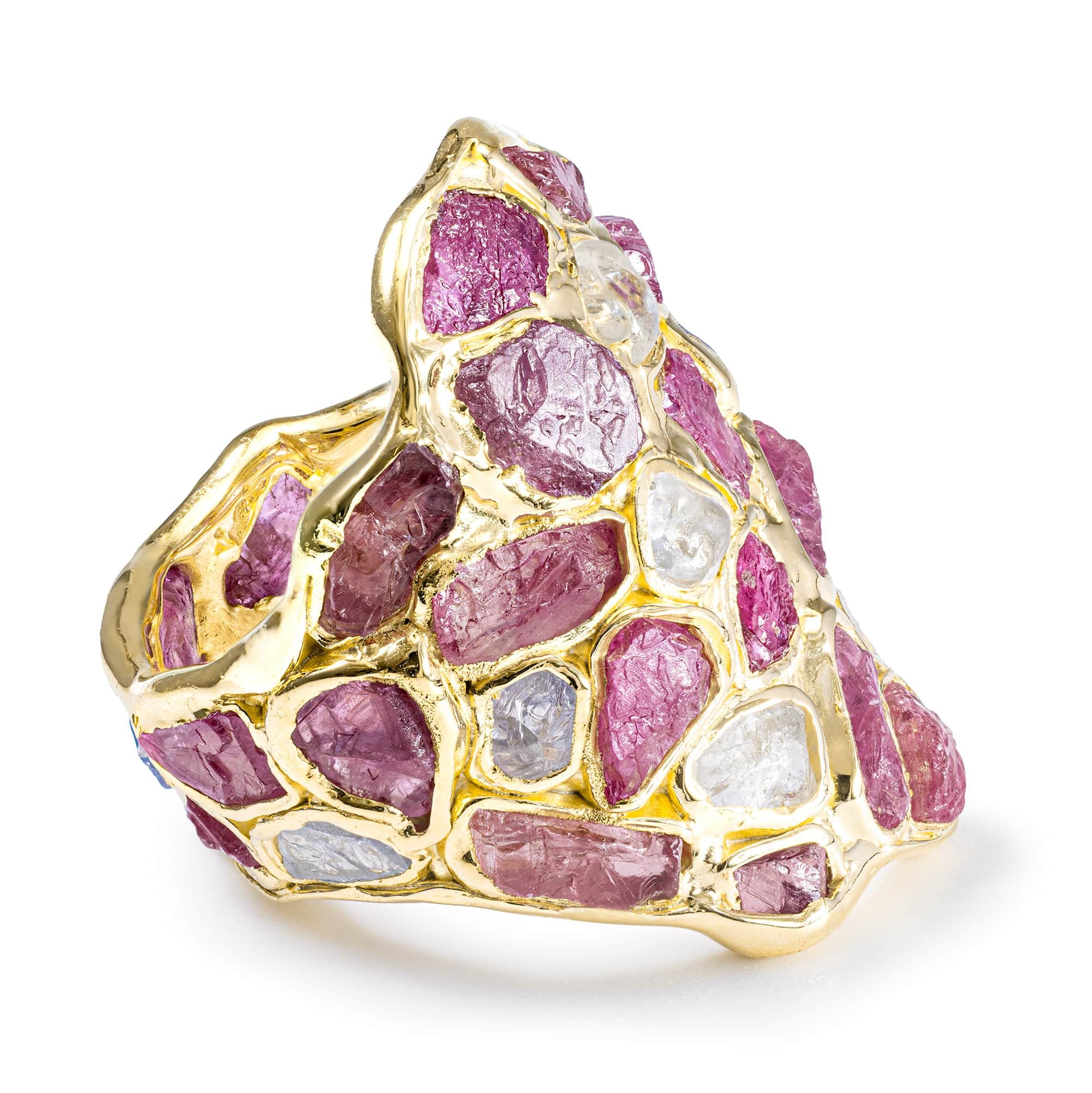
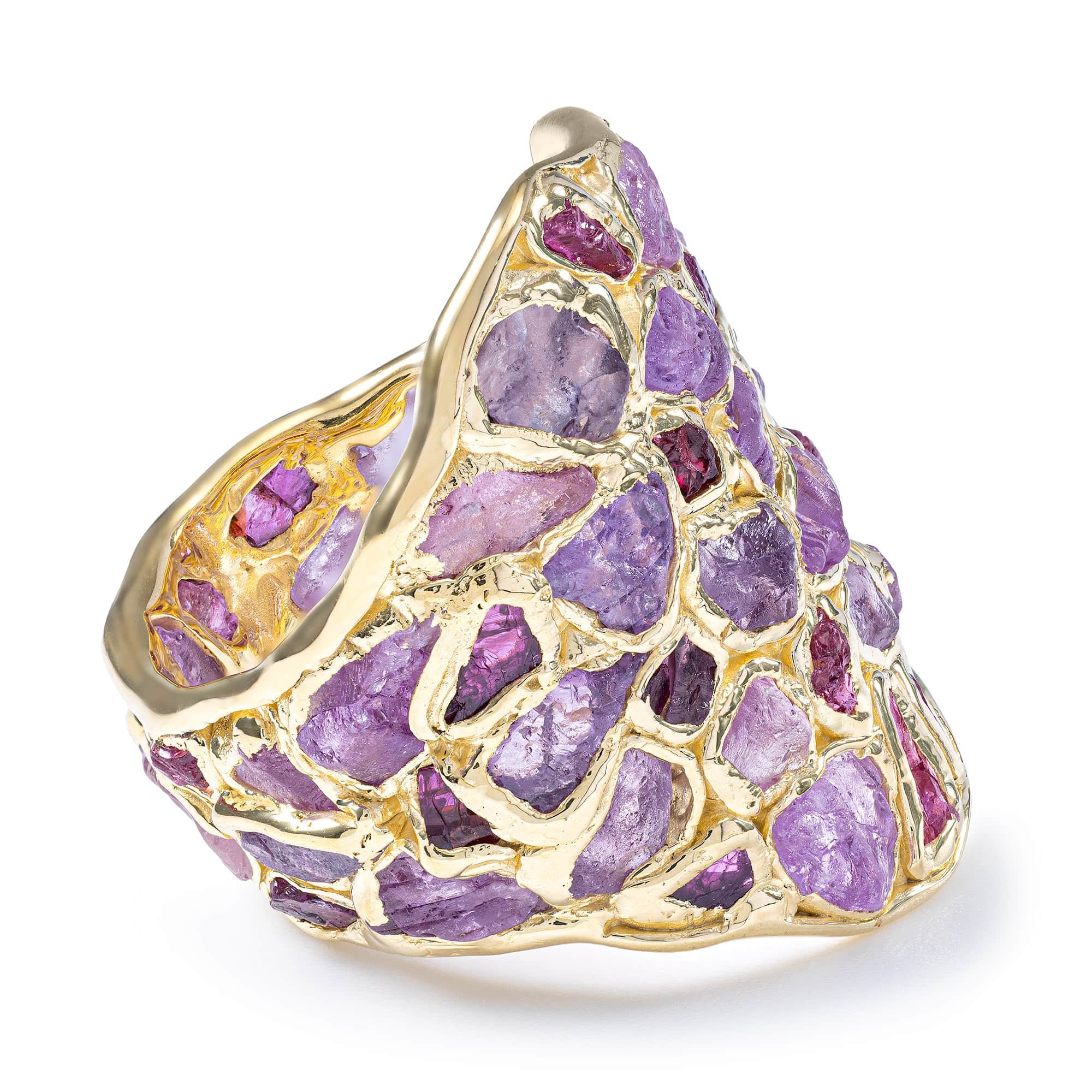
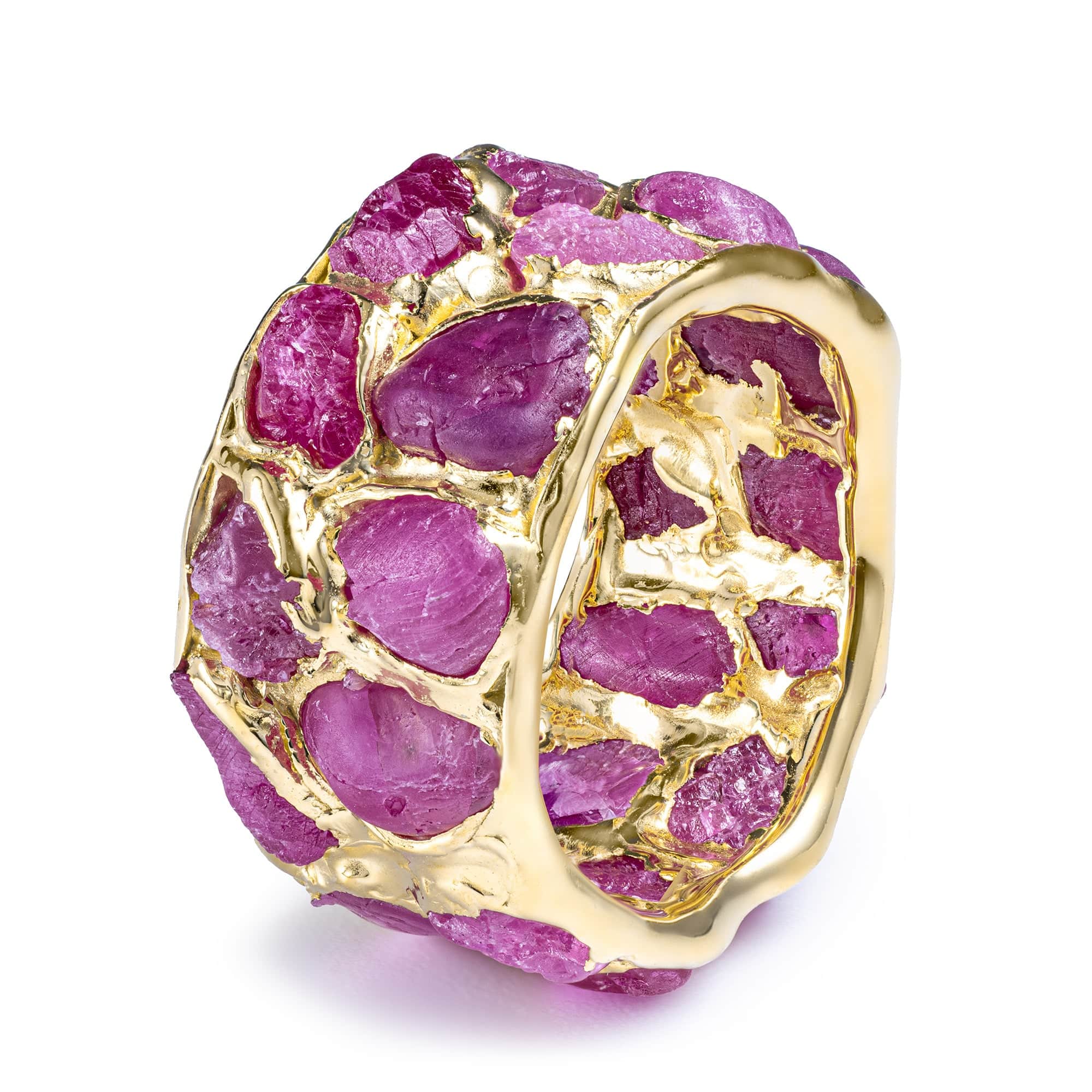
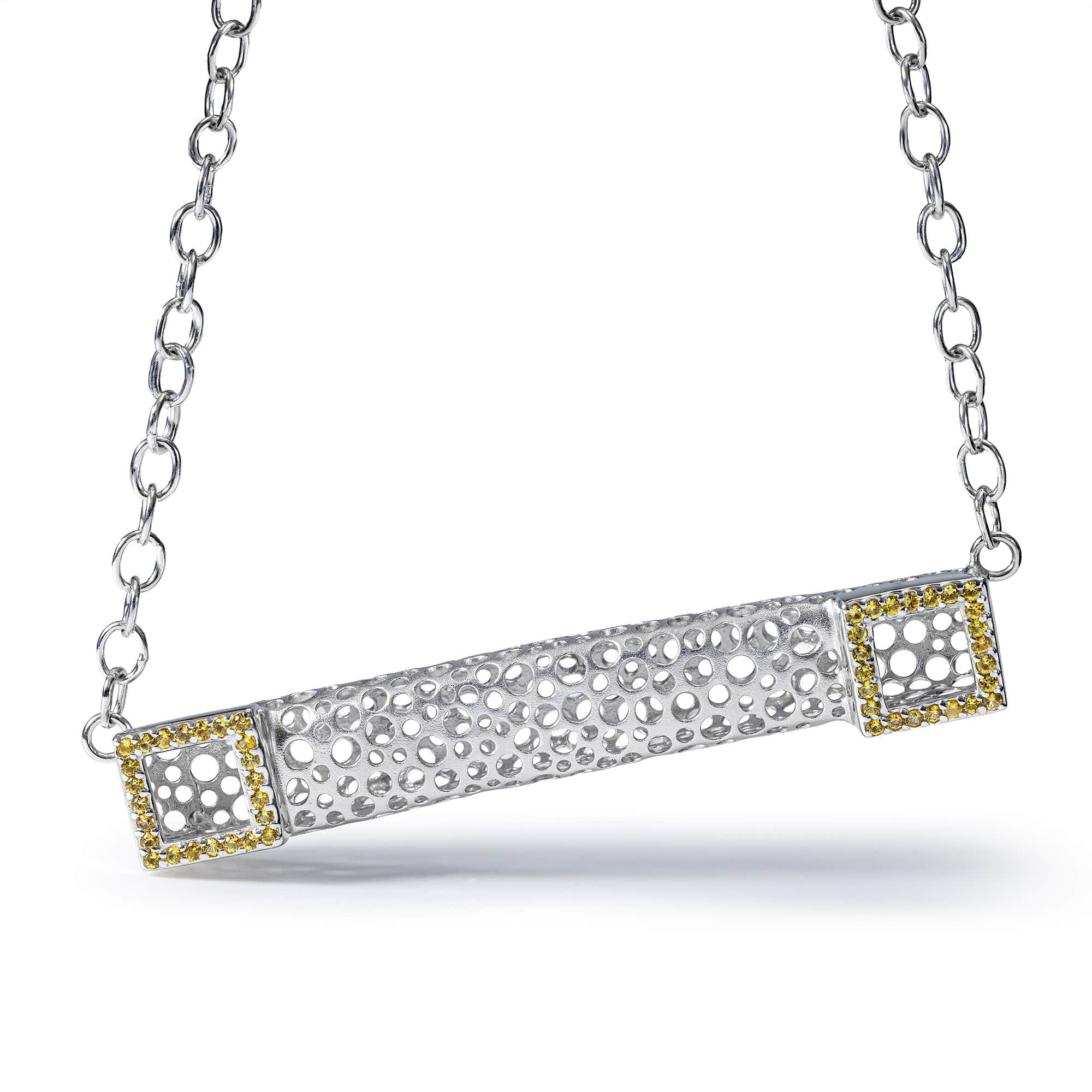
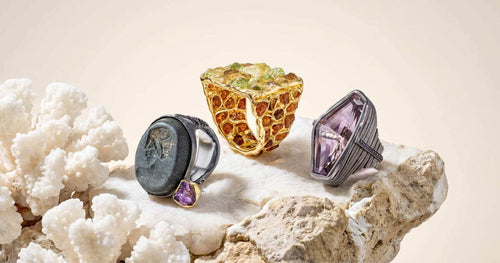
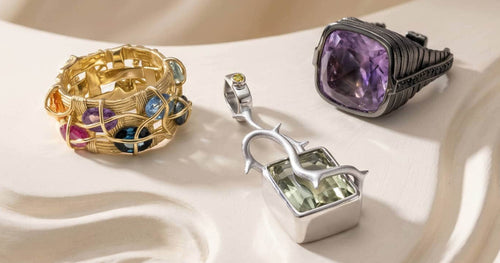
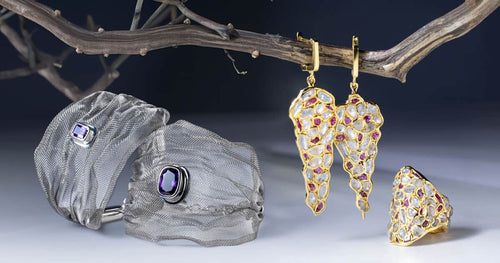
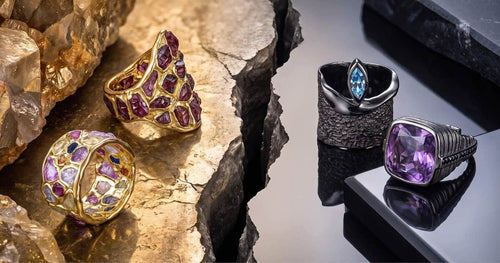
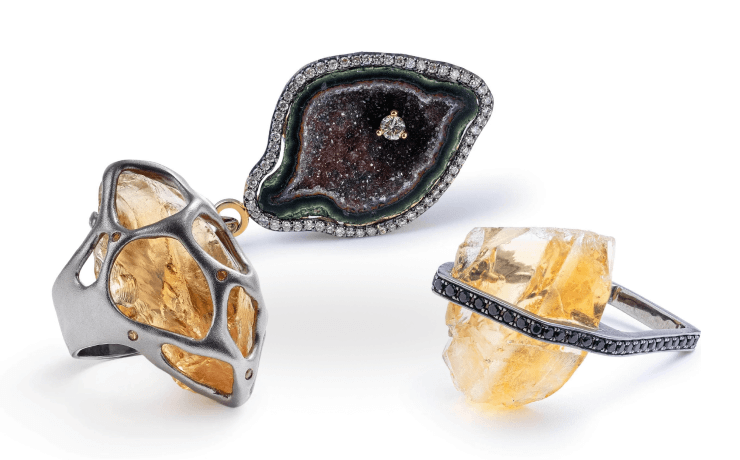
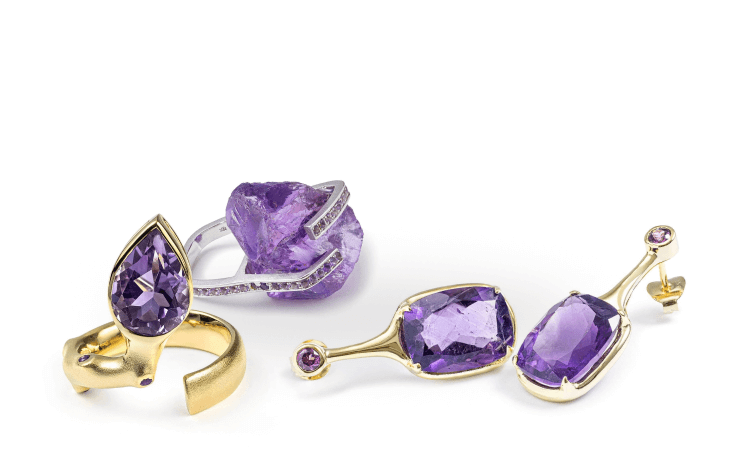
German Kabirski art jewelry uses a mix of precious metals, experimental materials, and raw, “imperfect” stones to create truly unique art jewelry pieces. He works with silver and gold, but also pushes boundaries by introducing innovative materials into contemporary designer jewelry, such as soft and hard titanium mesh that adds sculptural structure and unusual movement. German Kabirski is known for his signature Anthracite plating, a dark, almost alien surface treatment that gives designer jewelry a bold, industrial, and avant‑garde look compared with traditional fine jewelry finishes.
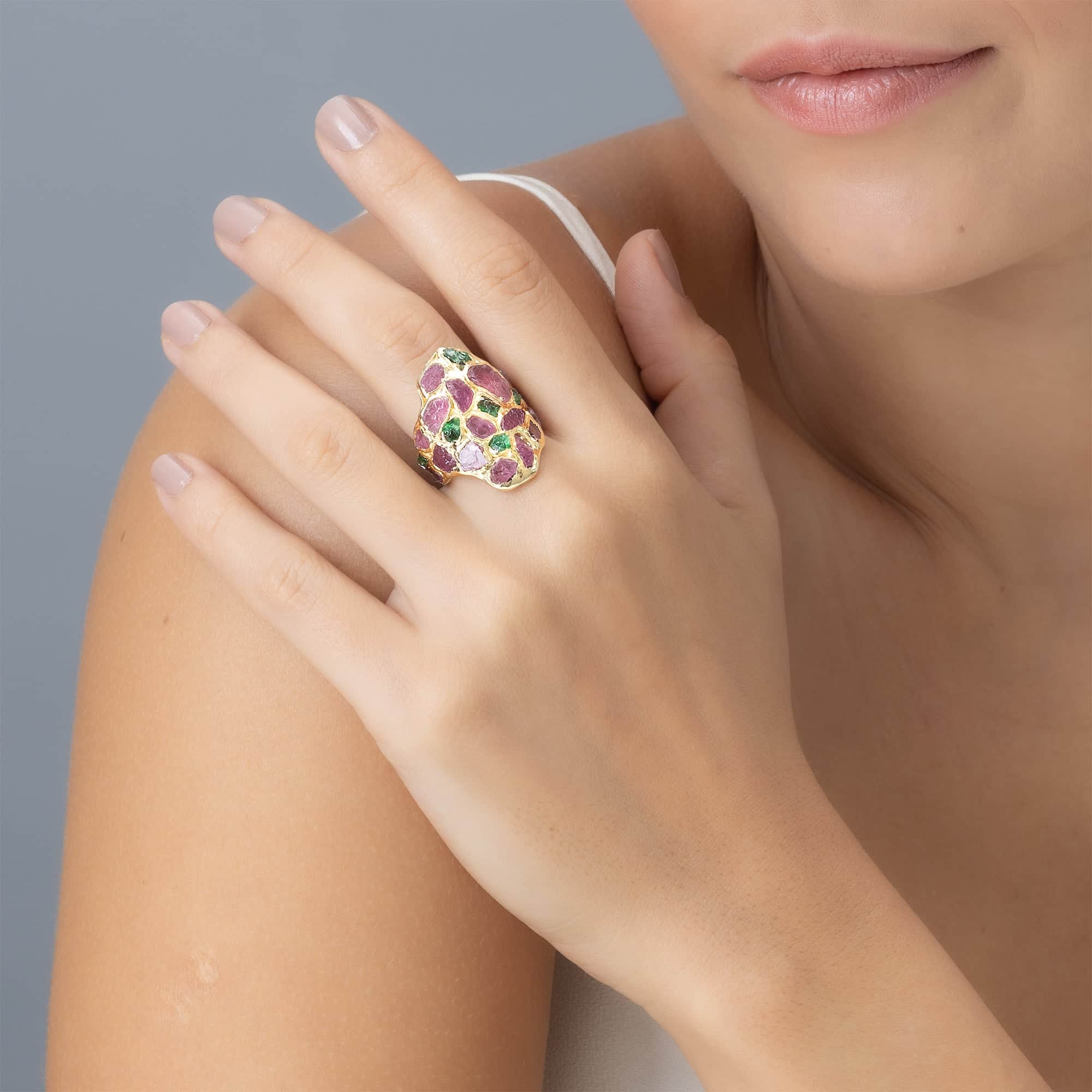
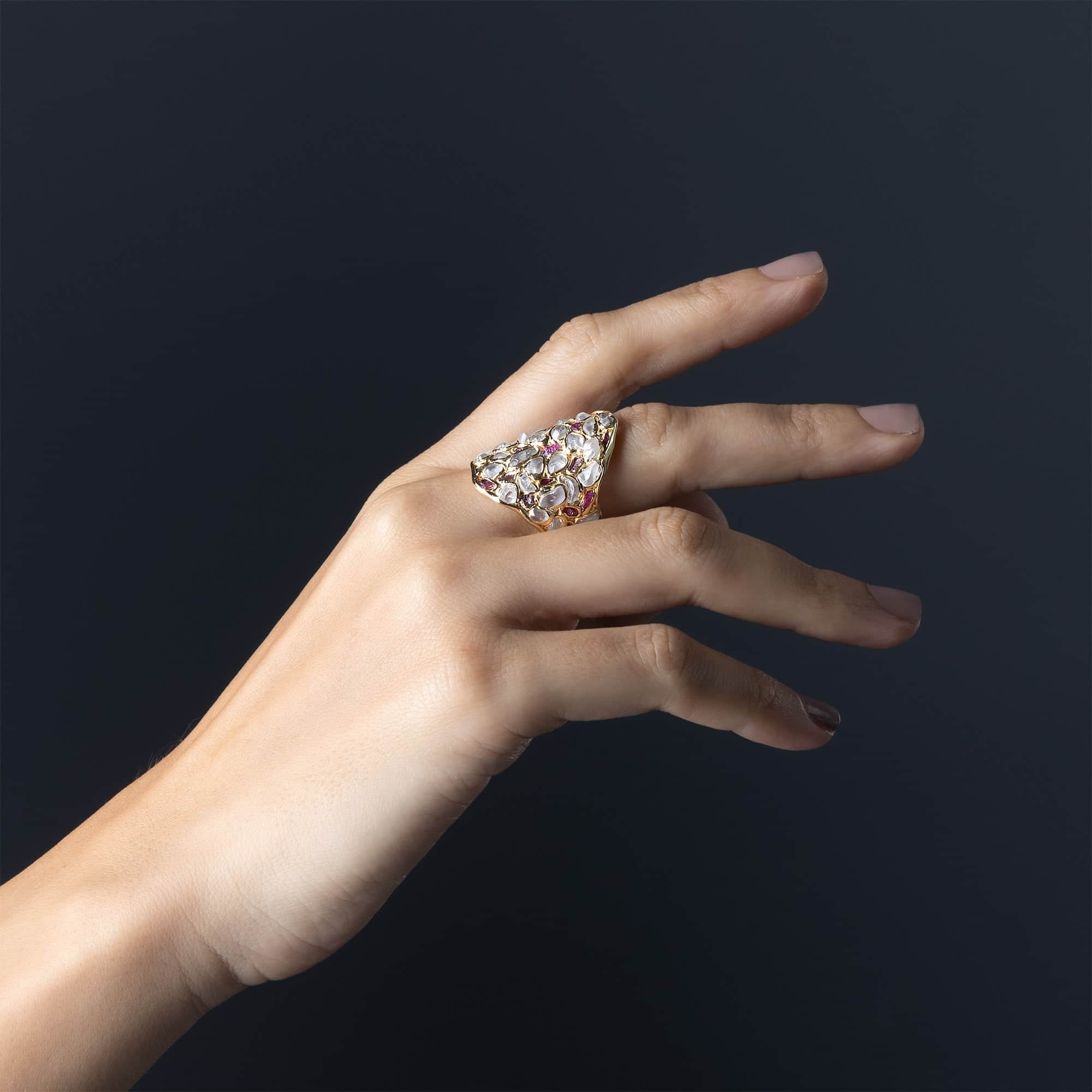
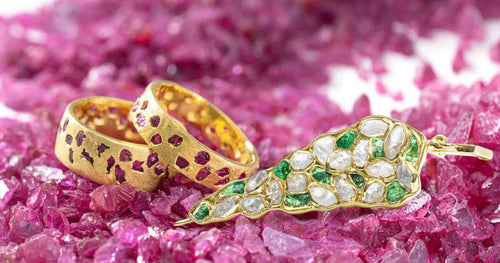
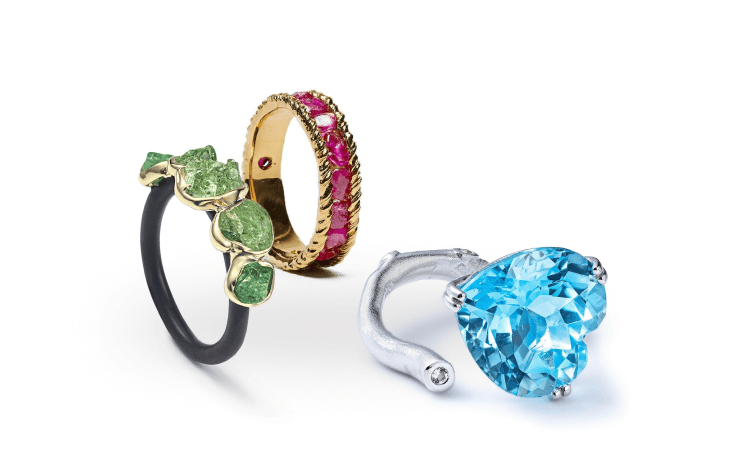
Instead of using only classic gemstones, German Kabirski often sets real ancient artifacts, found objects, or even “street stones” in his art jewelry, turning rings, necklaces, or bracelets into miniature relics or wearable sculptures. This constant experimentation with materials, textures, and unconventional gemstones makes German Kabirski wearable art highly collectible.
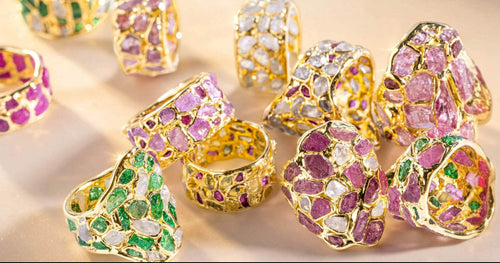
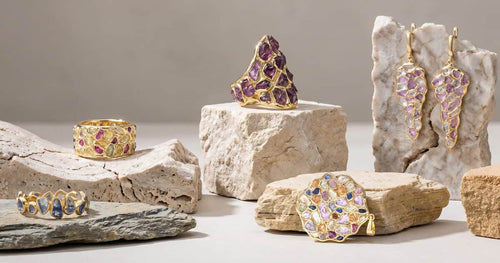
Many German Kabirski art jewelry designs are truly one‑of‑a‑kind or produced in ultra‑limited, small runs, making each piece a unique collectible designer jewelry item. Even when two pieces share a similar design, raw stones, organic textures, and hand‑finished details can create natural variations from piece to piece, giving each piece its own individual character.
This level of uniqueness is rare in the jewelry market and is a key reason collectors seek German Kabirski for one‑of‑a‑kind art jewelry.
To care for art jewelry, store each piece separately so the edges and stones do not scratch or damage each other. Use a soft cloth and mild soapy water to gently clean your art jewelry, and avoid harsh chemical cleaners, ultrasonic machines, or abrasive materials that can harm delicate, handmade settings and coatings. Treat every piece of art jewelry like a small sculpture: protect it from extreme heat, moisture, and impact so it keeps its shape, color, and value over time.
Art jewelry can have collectible value, especially when a piece is rare, well documented, and connected to a recognized or emerging artist. Its long-term value can depend on the artist’s reputation, the rarity and provenance of the piece, its condition, and collector demand.
Unlike mass-produced jewelry, handmade and one-of-a-kind art jewelry can become harder to find over time. That scarcity can make certain pieces more desirable to collectors, particularly as an artist’s reputation and following grow. Resale value, however, varies from piece to piece and is never guaranteed.