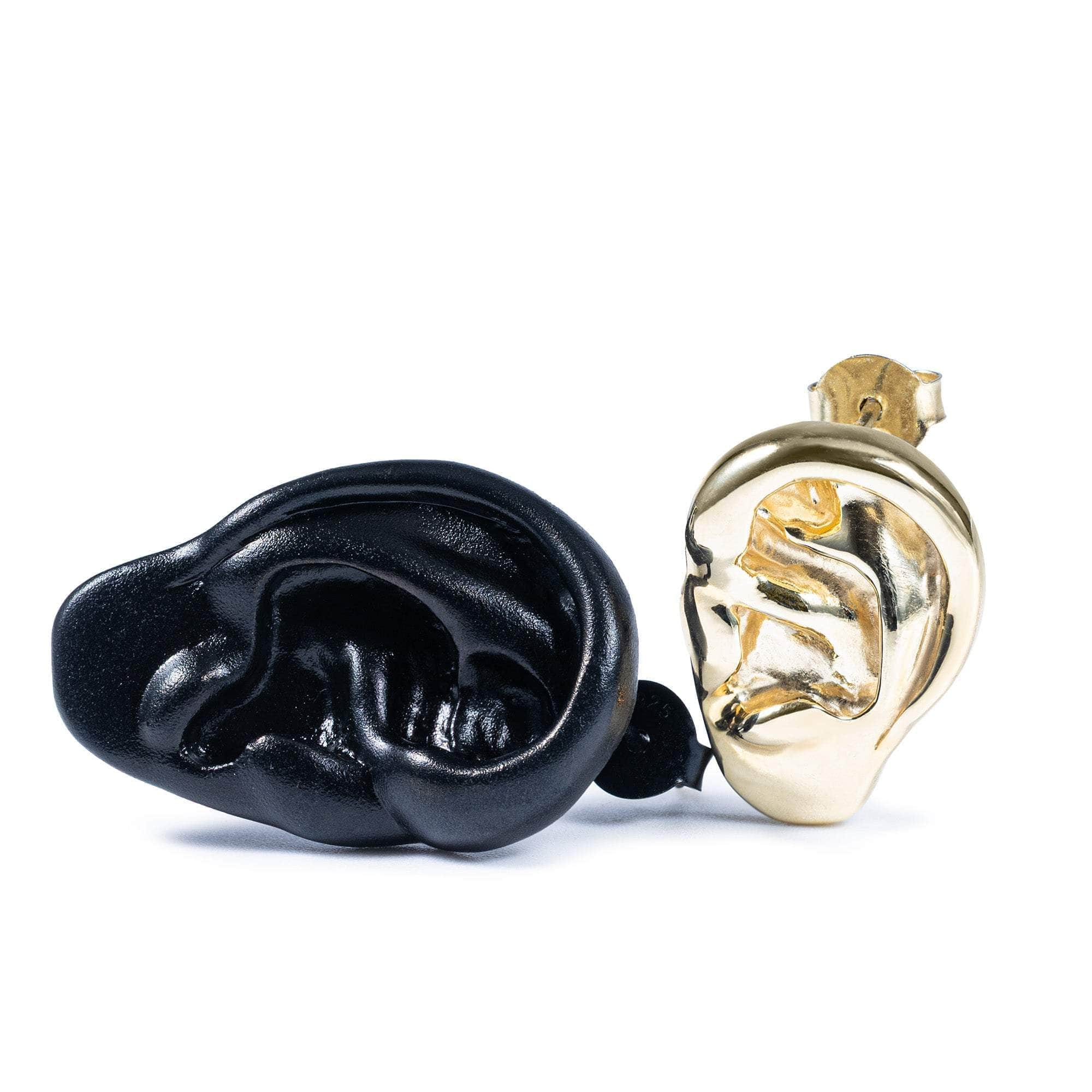


What Is Oxidized Silver? Jewelry Patina, Care, and Modern Design
A guide to oxidized silver in contemporary jewelry—its dark patina, why artists choose it, and how to care for blackened silver pieces while preserving their mood and texture.
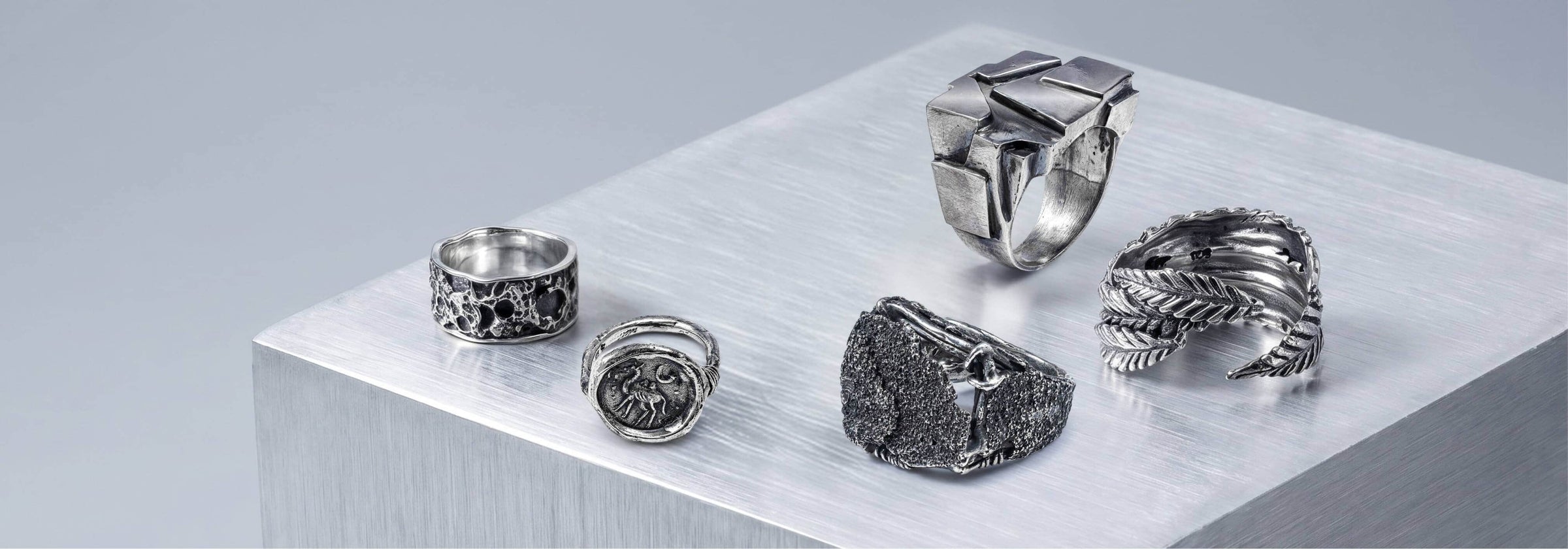
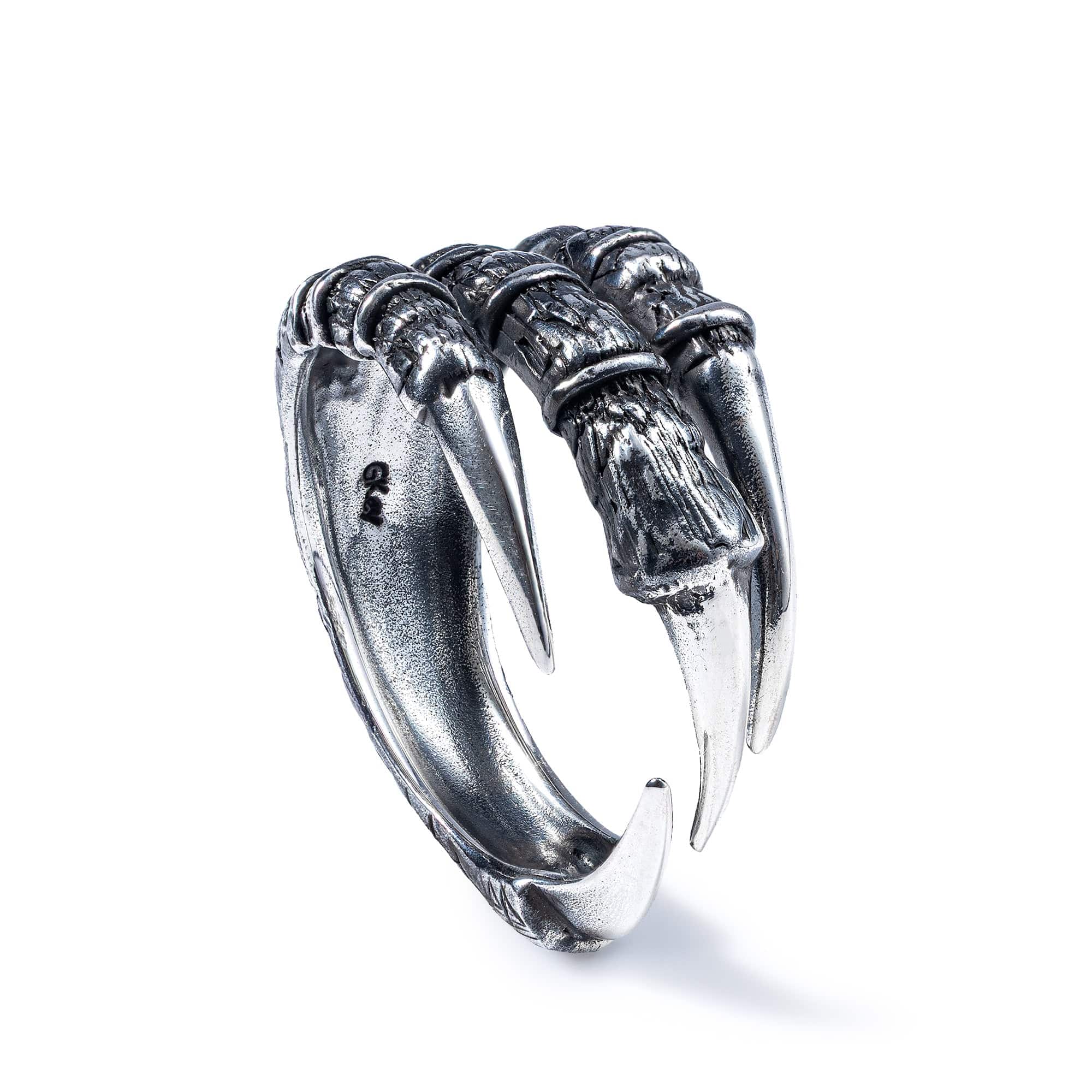
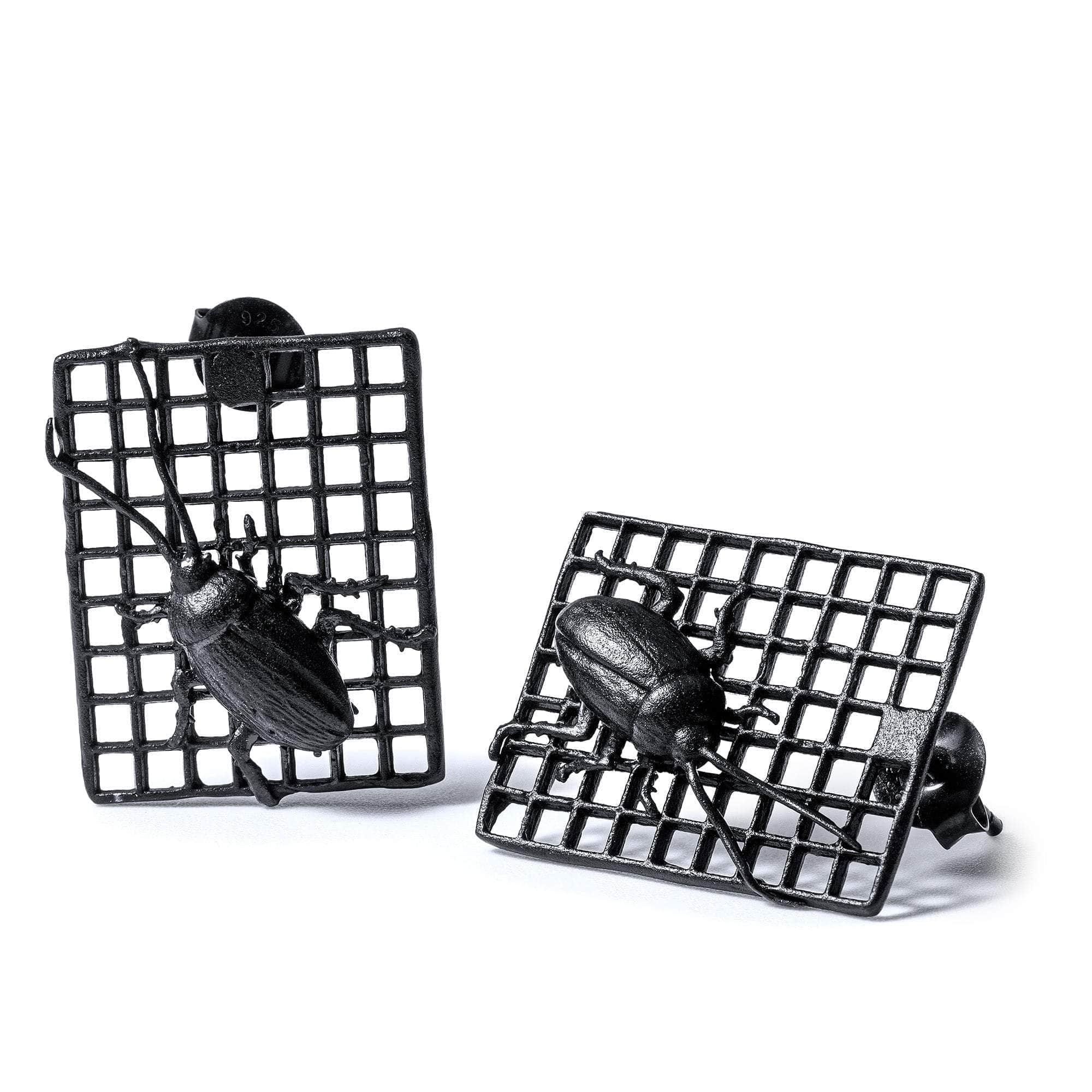
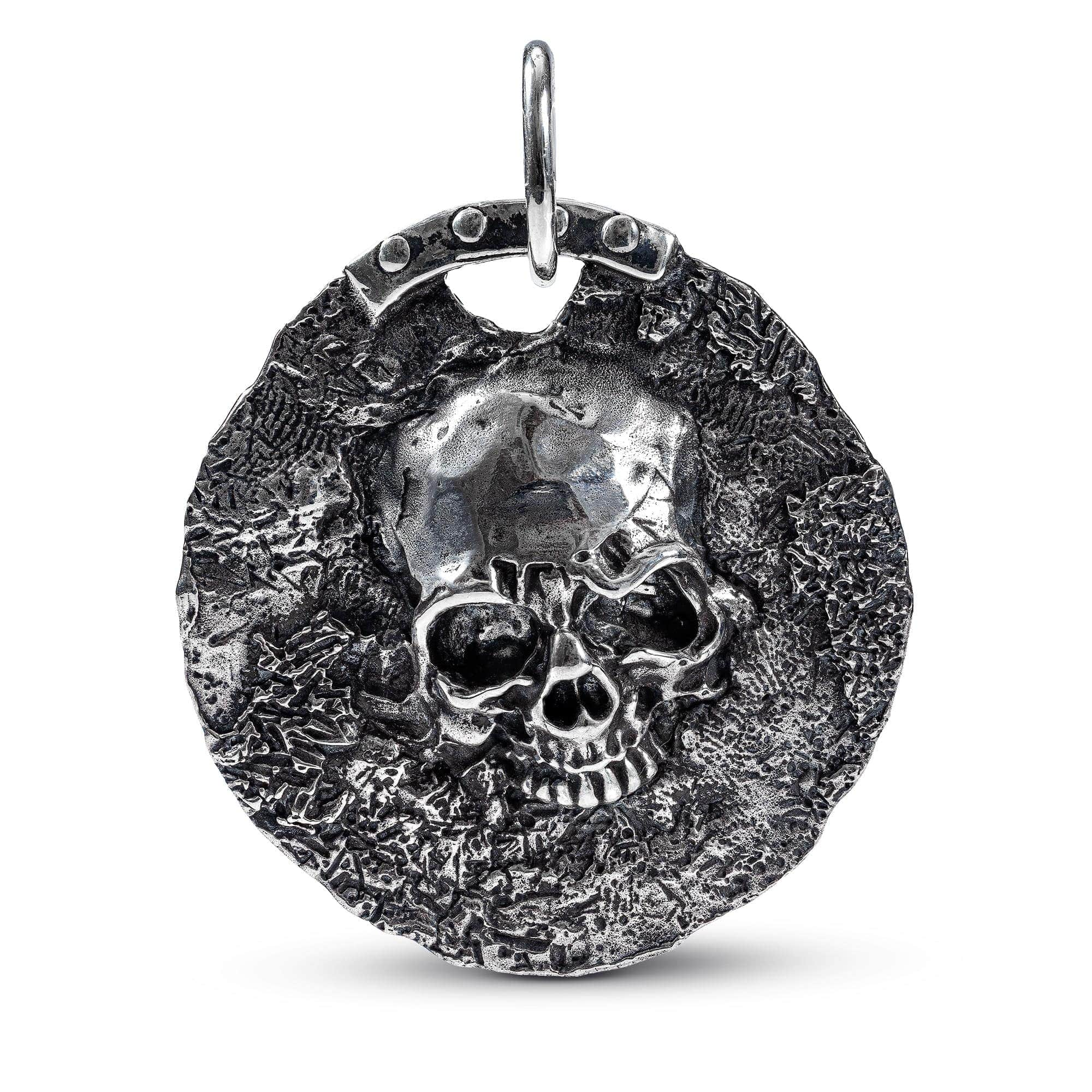
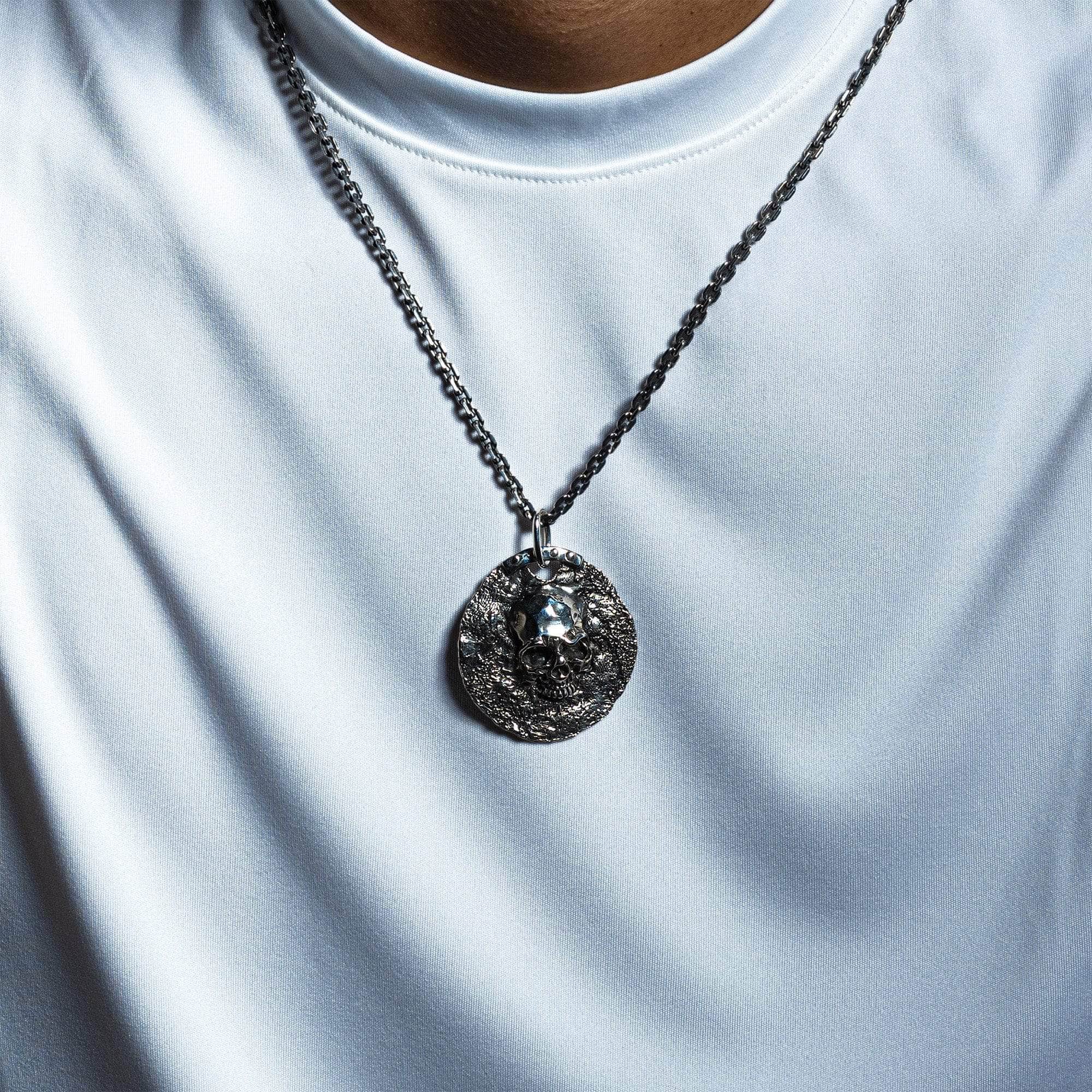
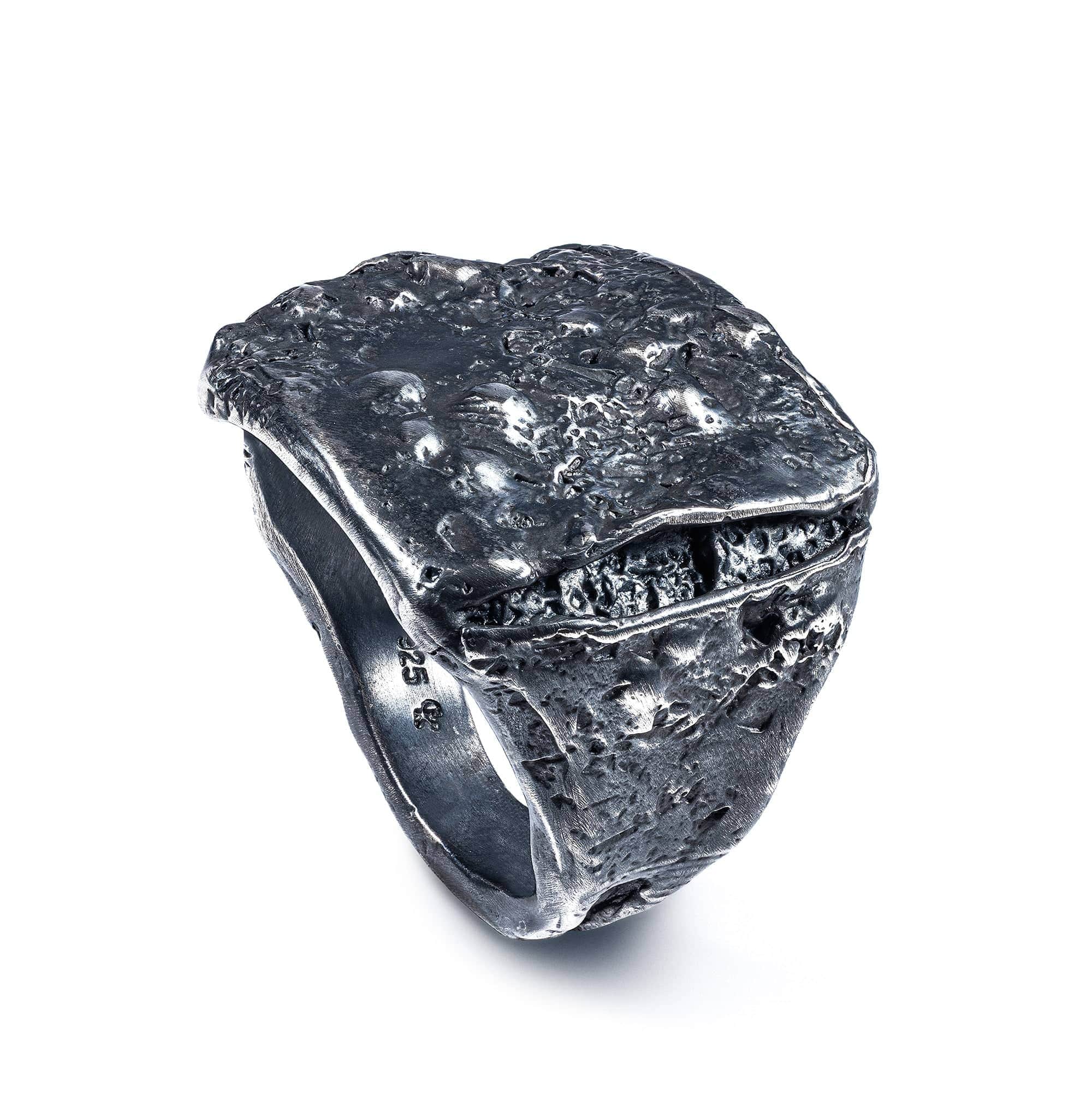
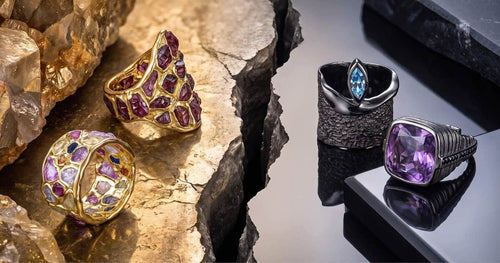
Oxidized silver (also called blackened or patinated silver) is genuine sterling silver that has been intentionally darkened on the surface using a chemical process to create a thin layer of silver sulfide or oxide
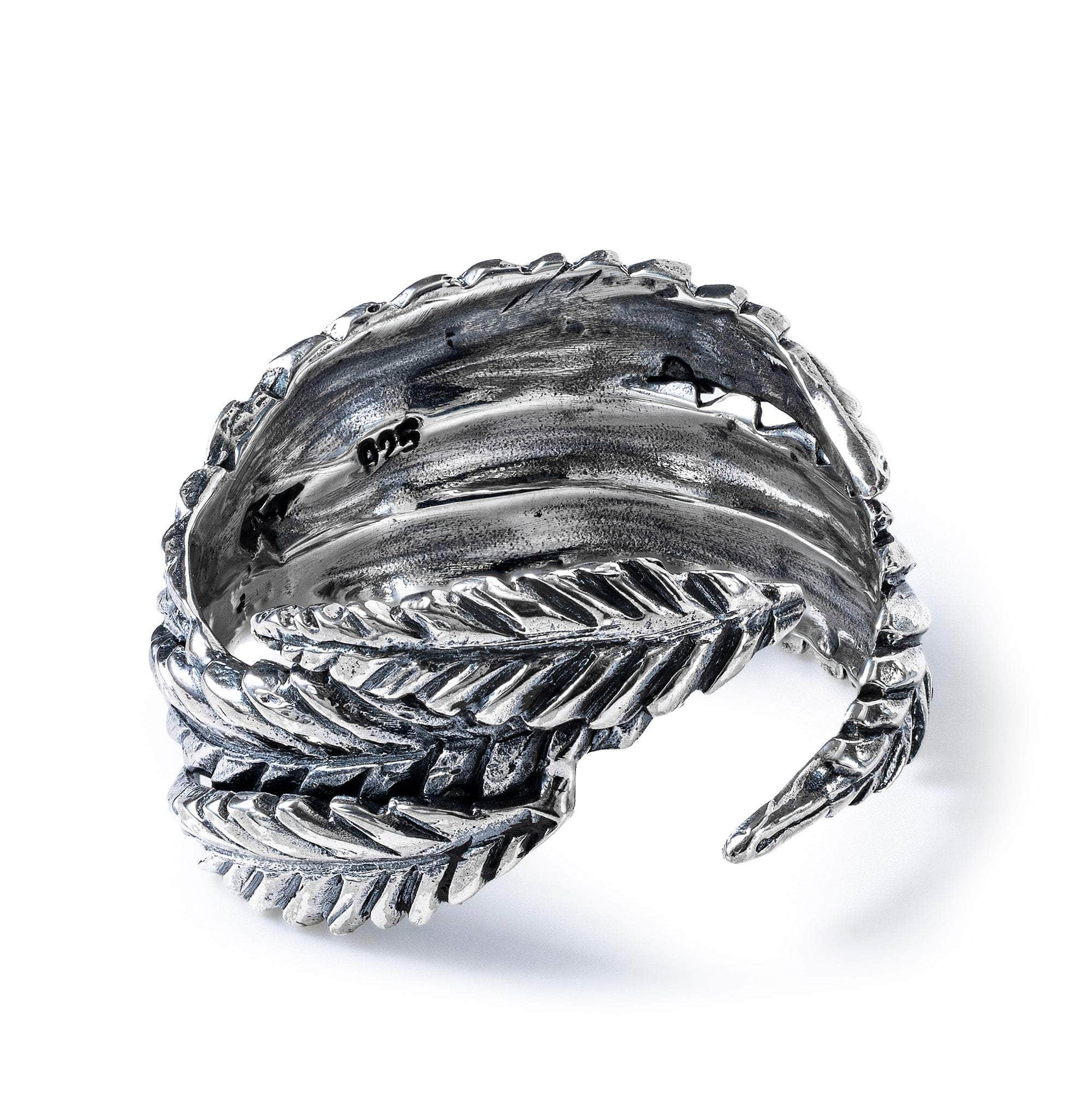
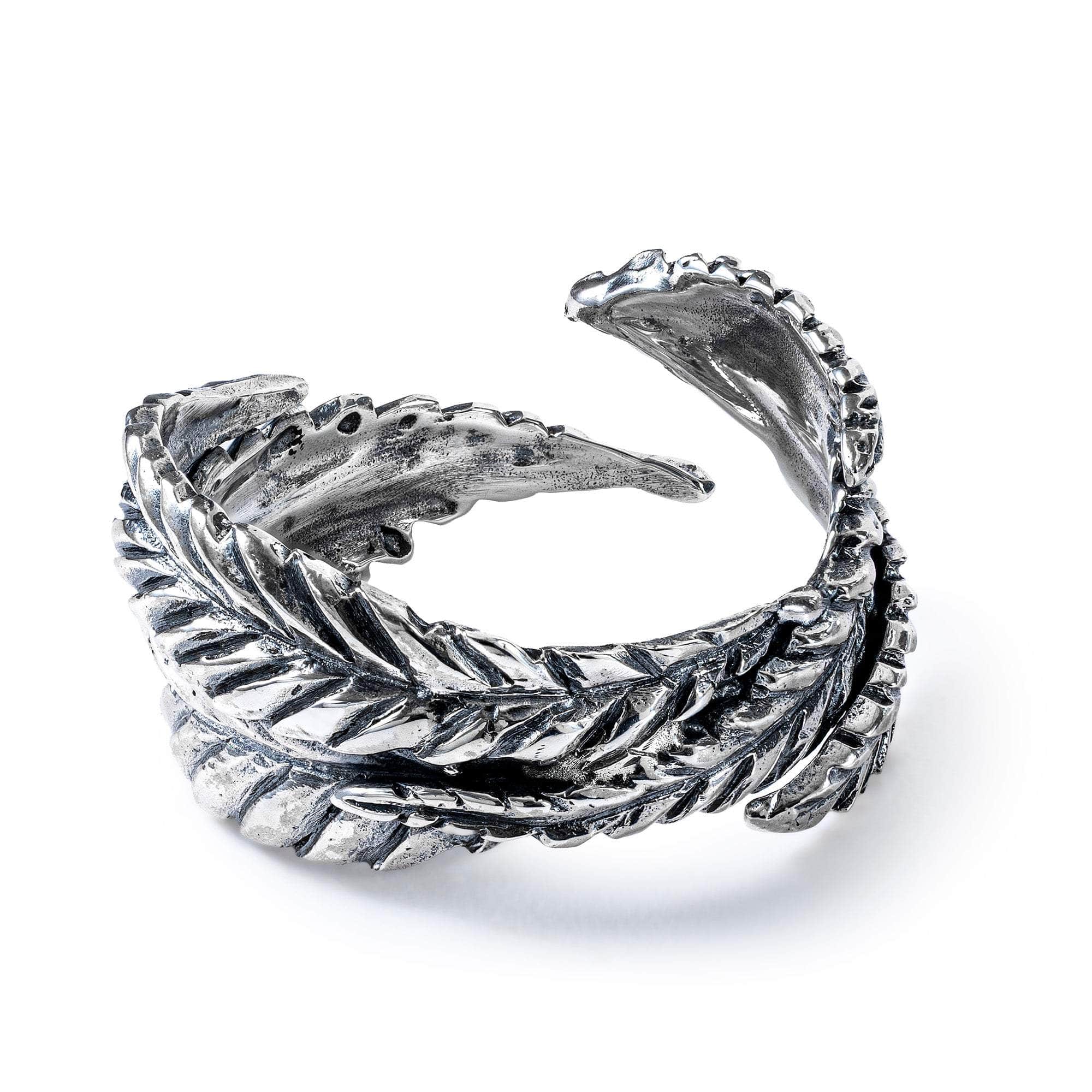
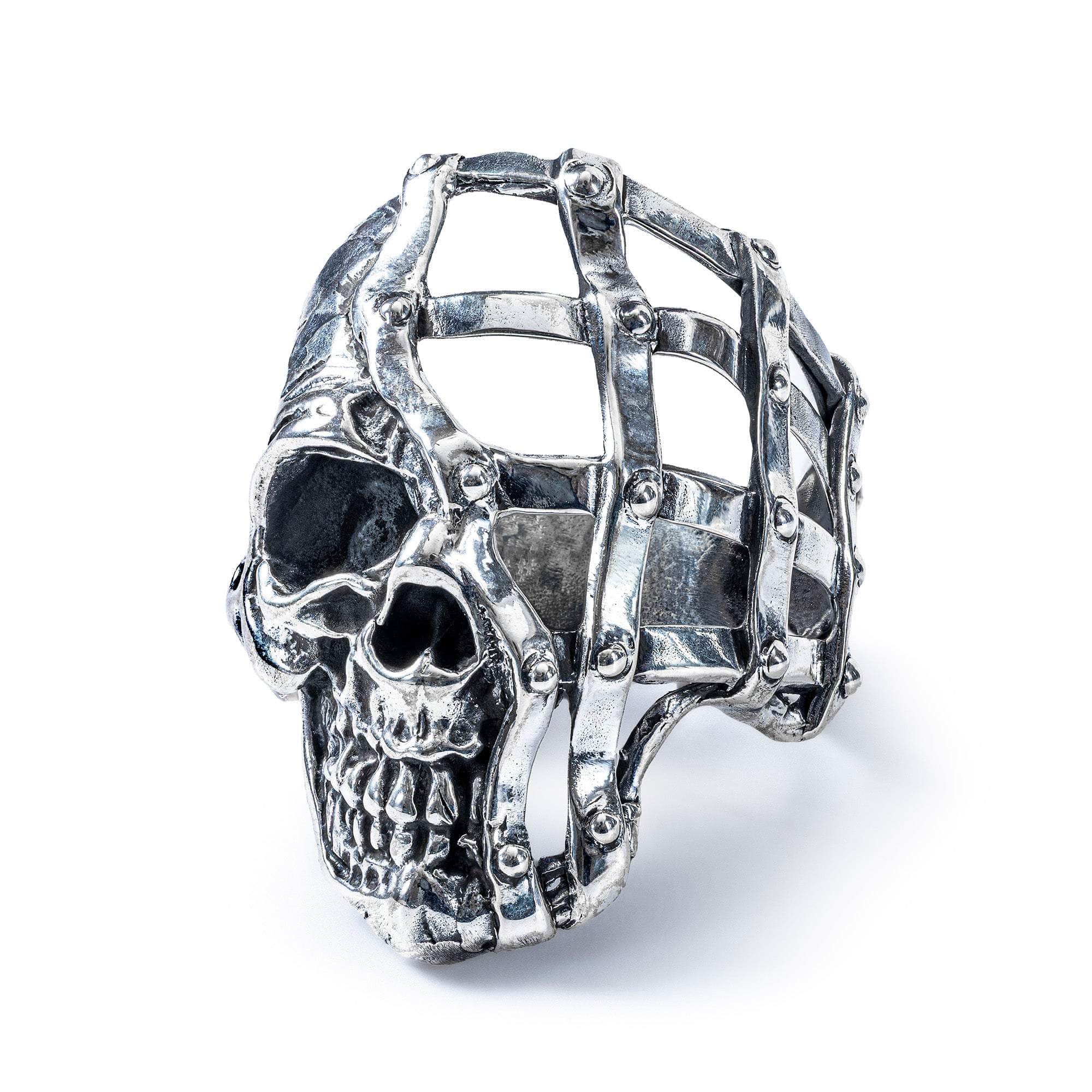
This controlled darkening produces shades that range from soft grey to deep black or gunmetal, adding contrast, depth, and an aged or artifact‑like character to the jewelry rather than the usual bright, reflective finish.
Yes. Oxidized silver is real silver—typically sterling silver—that has undergone a surface treatment; the underlying metal composition and quality remain the same. The patina is only on the outer layer, so it doesn’t change the internal structure, fineness, or authenticity of the silver, and the piece can still be described as sterling silver jewelry.
Jewelers usually oxidize silver by immersing it in a chemical solution—commonly liver of sulfur or similar sulfide preparations—or using specialized electrolytic baths that speed up the natural tarnishing process in a controlled way.
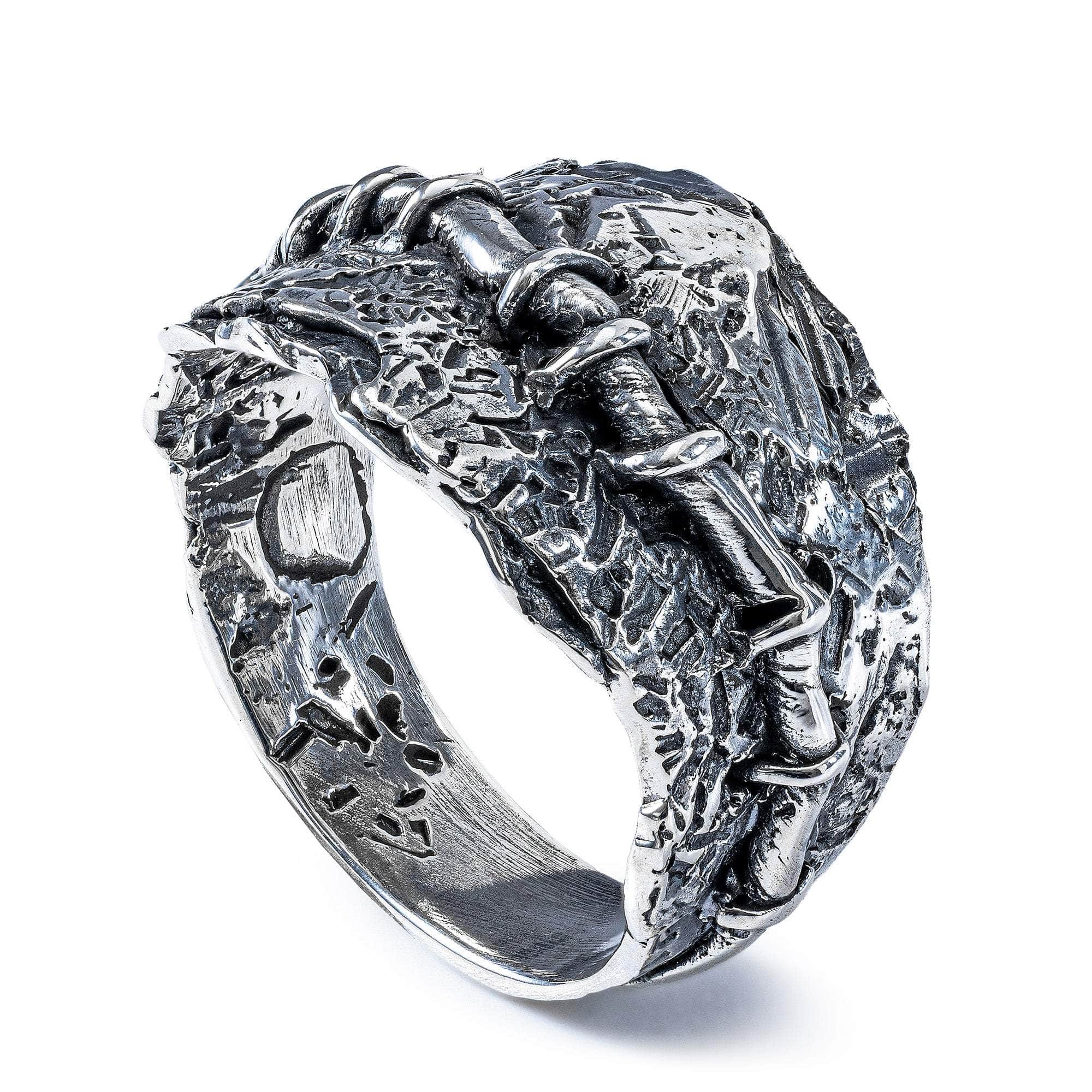
By adjusting time, temperature, and concentration, they can achieve different tones from light grey to intense black or even subtle blue‑black, often applying the patina selectively so recessed areas look darker and raised details stay lighter for a sculptural effect.
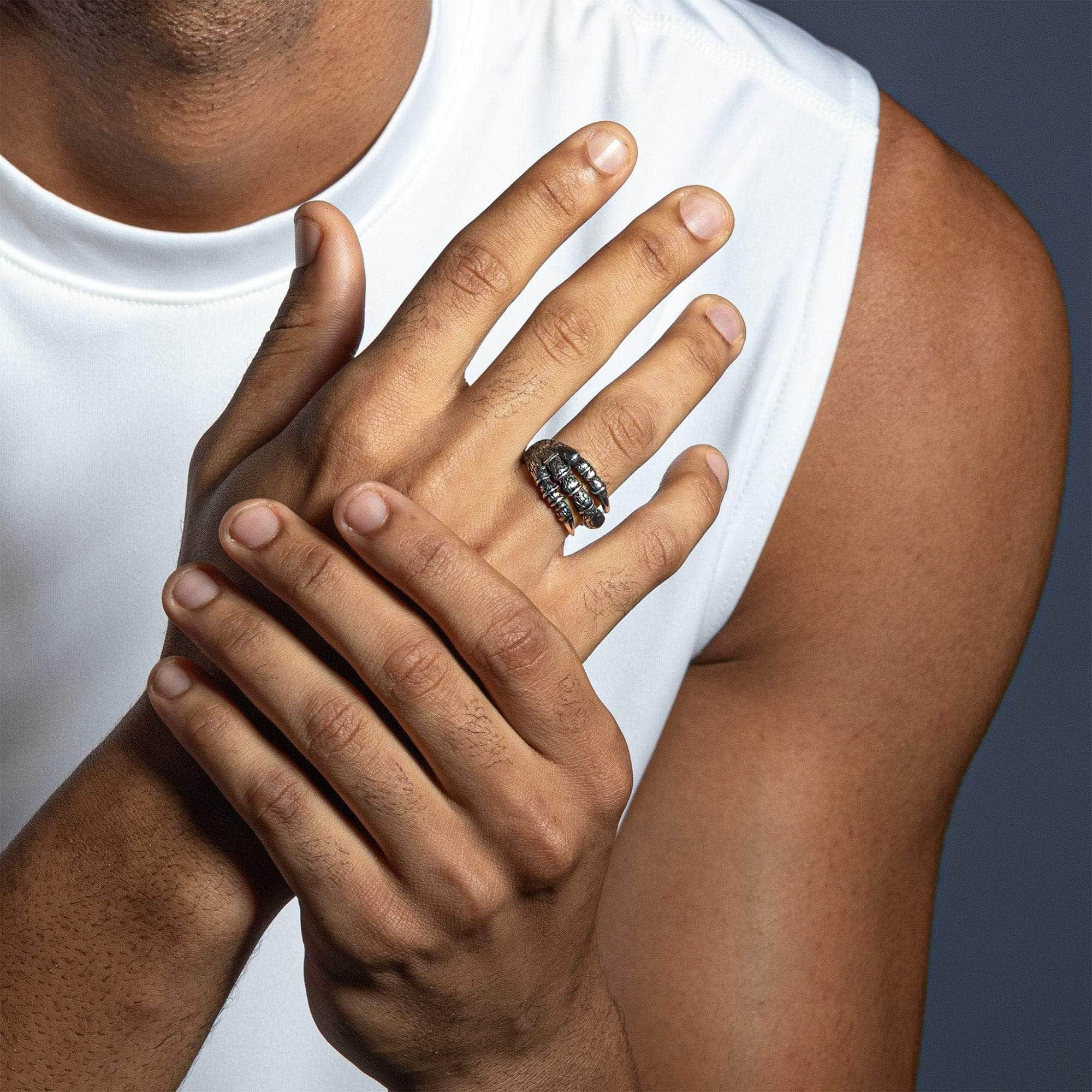
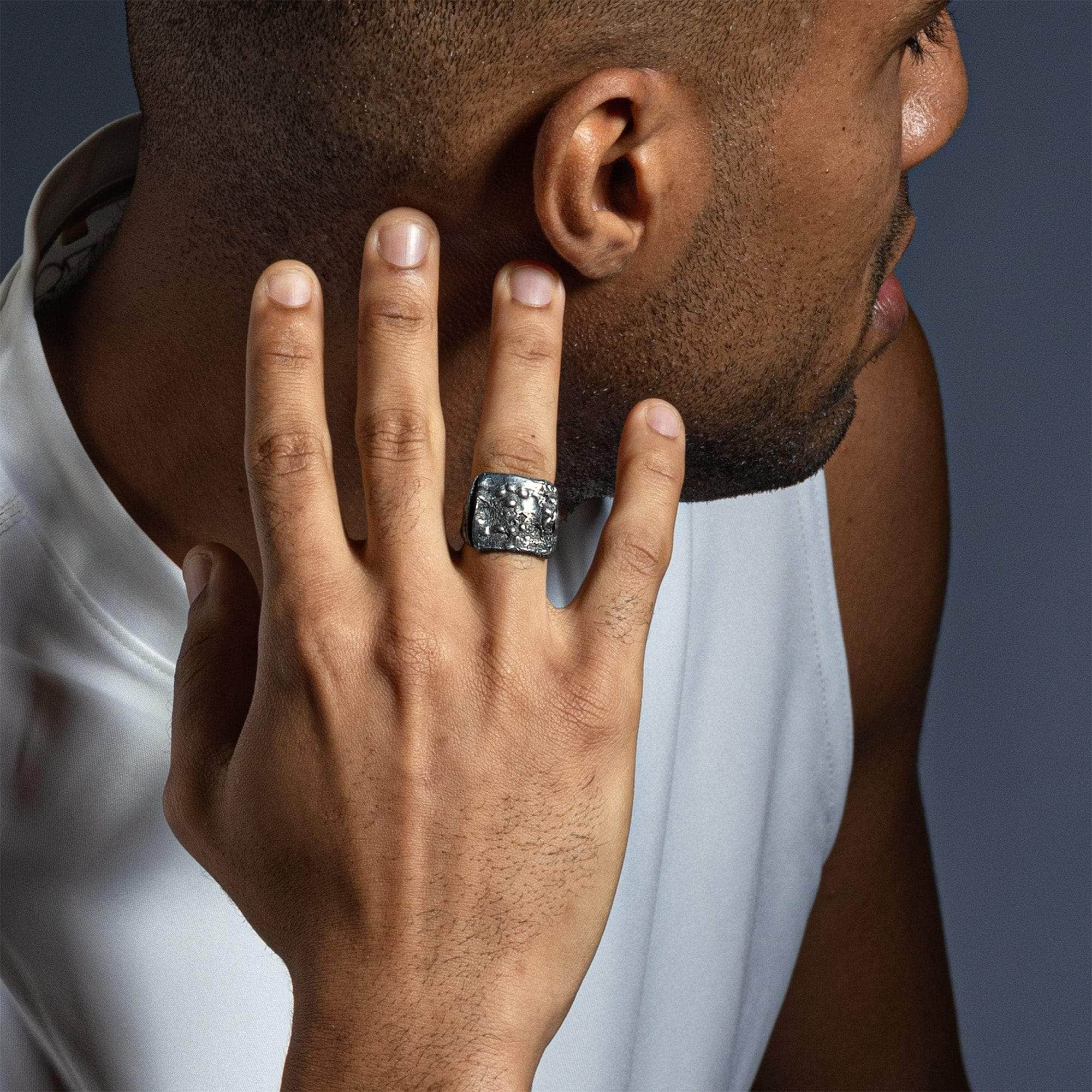
Oxidized silver is a surface finish, so it can soften or lighten on areas that rub frequently against skin or clothing, especially on rings and bracelets.
Over time, this wear can create a natural gradient where edges become slightly brighter and recesses stay dark, which many artists and collectors actually appreciate as part of the piece’s aging and wabi‑sabi character rather than a defect.
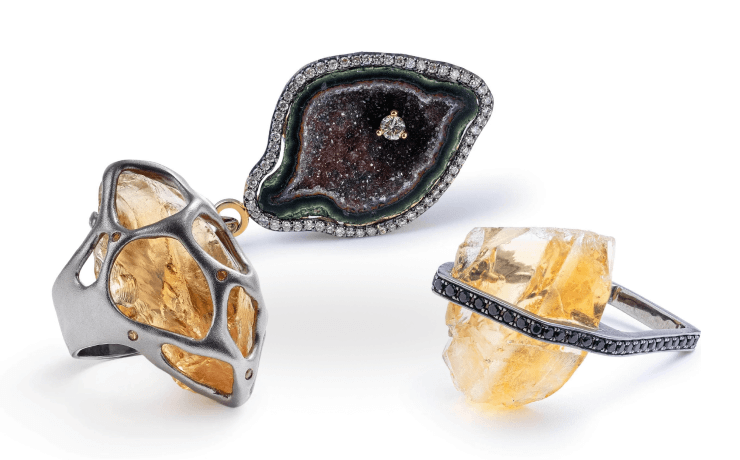
Artists use oxidized silver to create contrast, highlight texture, and give jewelry a sense of depth and mood that bright silver cannot achieve.
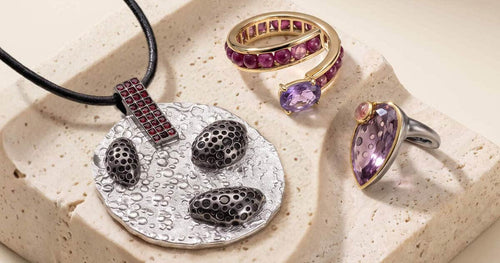
Darkened surfaces make details, reliefs, and rough textures more visible, and they fit perfectly into contemporary and wabi‑sabi aesthetics that favor imperfect, artifact‑like, and sculptural jewelry over mirror‑polished traditional pieces—exactly the kind of atmosphere German Kabirski’s designs embrace.
No. When a piece is intentionally oxidized, the dark layer is an aesthetic choice, not damage.
Natural tarnish from neglect can look uneven and dirty, but professional oxidation is controlled, stable, and used to emphasize design features, so it is considered a decorative finish rather than a sign of poor quality or fake metal.
Oxidized silver should be cared for gently: avoid abrasive polishes or strong chemical cleaners that can strip the patina and reveal bright metal underneath.
Store pieces dry and separately, wipe them with a soft cloth after wear, and if cleaning is needed, use mild soapy water and careful rinsing, focusing on removing oils and dust without aggressively scrubbing the darkened areas.
Yes. You can clean oxidized silver by lightly washing it in lukewarm water with a small amount of mild soap, then drying it with a soft, non‑abrasive cloth, without using silver‑brightening chemicals or polishing pastes.
If a piece has both bright and oxidized areas, many jewelers recommend gently refreshing only the raised, lighter parts and leaving the darker recesses intact so the design retains its intentional contrast and sculptural depth.
Oxidized silver itself is made from the same base alloy as non‑oxidized sterling silver, so its hypoallergenic behavior depends on the alloy composition rather than the patina.
Most people who tolerate normal sterling silver will wear oxidized silver without issues, but those extremely sensitive to copper or other alloy components should still be cautious, as the oxidation process does not remove those metals from the alloy.
Silver will always react with the environment, but an intentionally oxidized surface already has a dark patina that can make further tarnish less noticeable and, in some cases, slower to appear.
Because the surface is already darkened, minor additional changes tend to blend into the existing finish rather than showing as obvious patches, which is one reason textured, oxidized jewelry often feels easier to live with than high‑polish pieces that show every mark.