

Handmade Jewelry vs Mass-Produced Jewelry: What Really Makes The Difference
This page explains the differences between handmade and mass-produced jewelry, covering craftsmanship, pricing, and authenticity, with a section on how raw, uncut gemstones affect uniqueness in German Kabirski's small-batch and one-of-a-kind pieces.
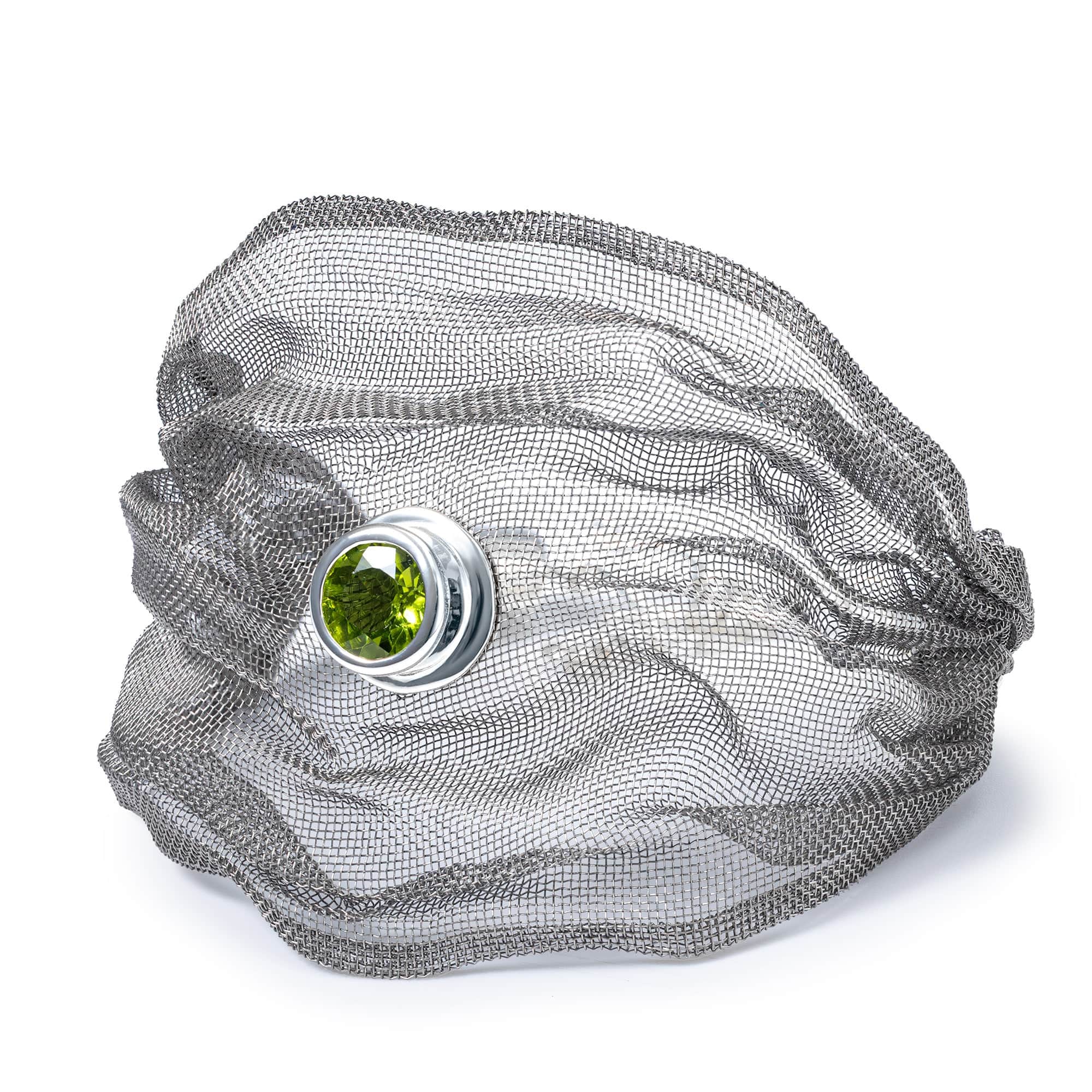
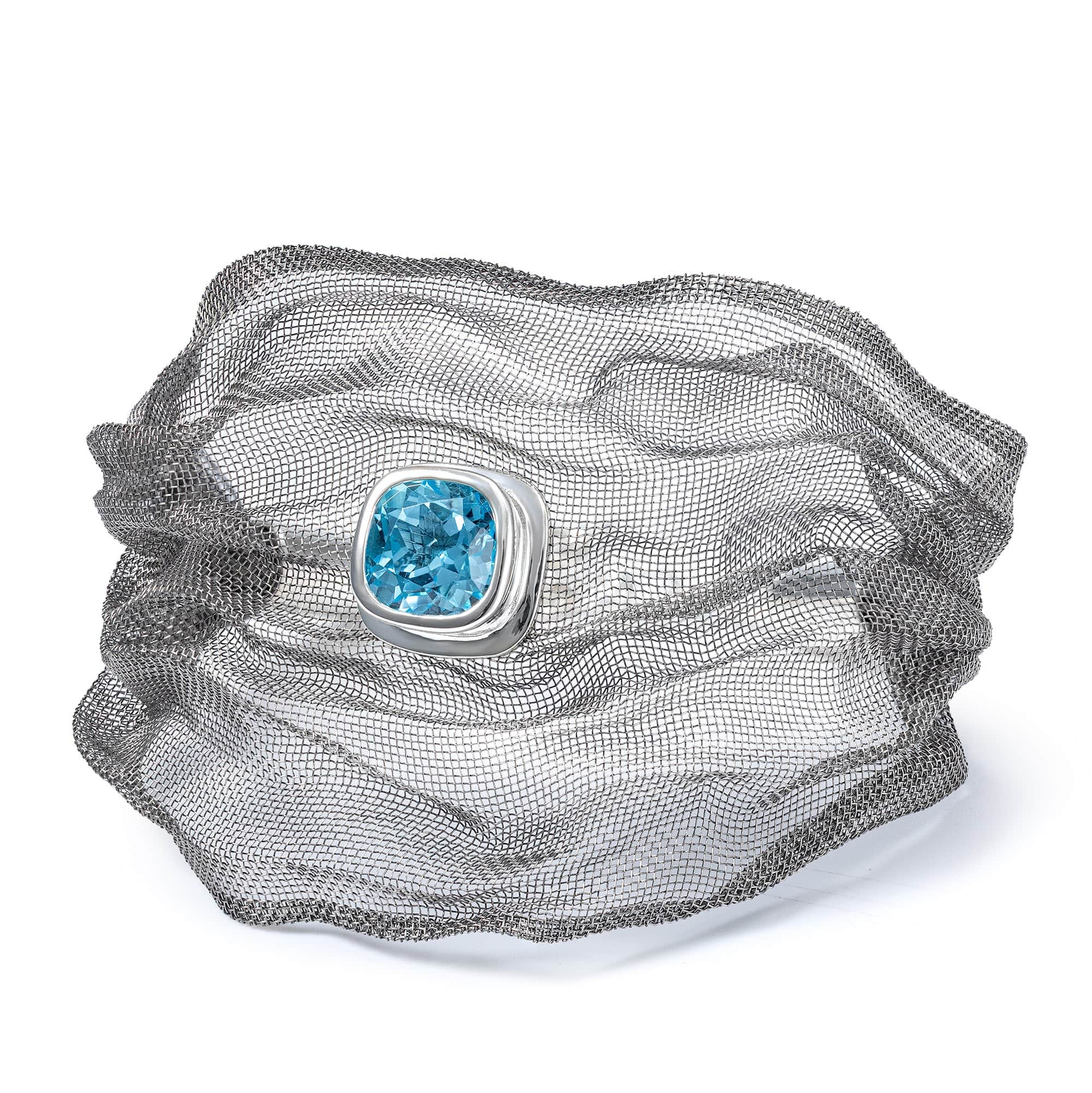
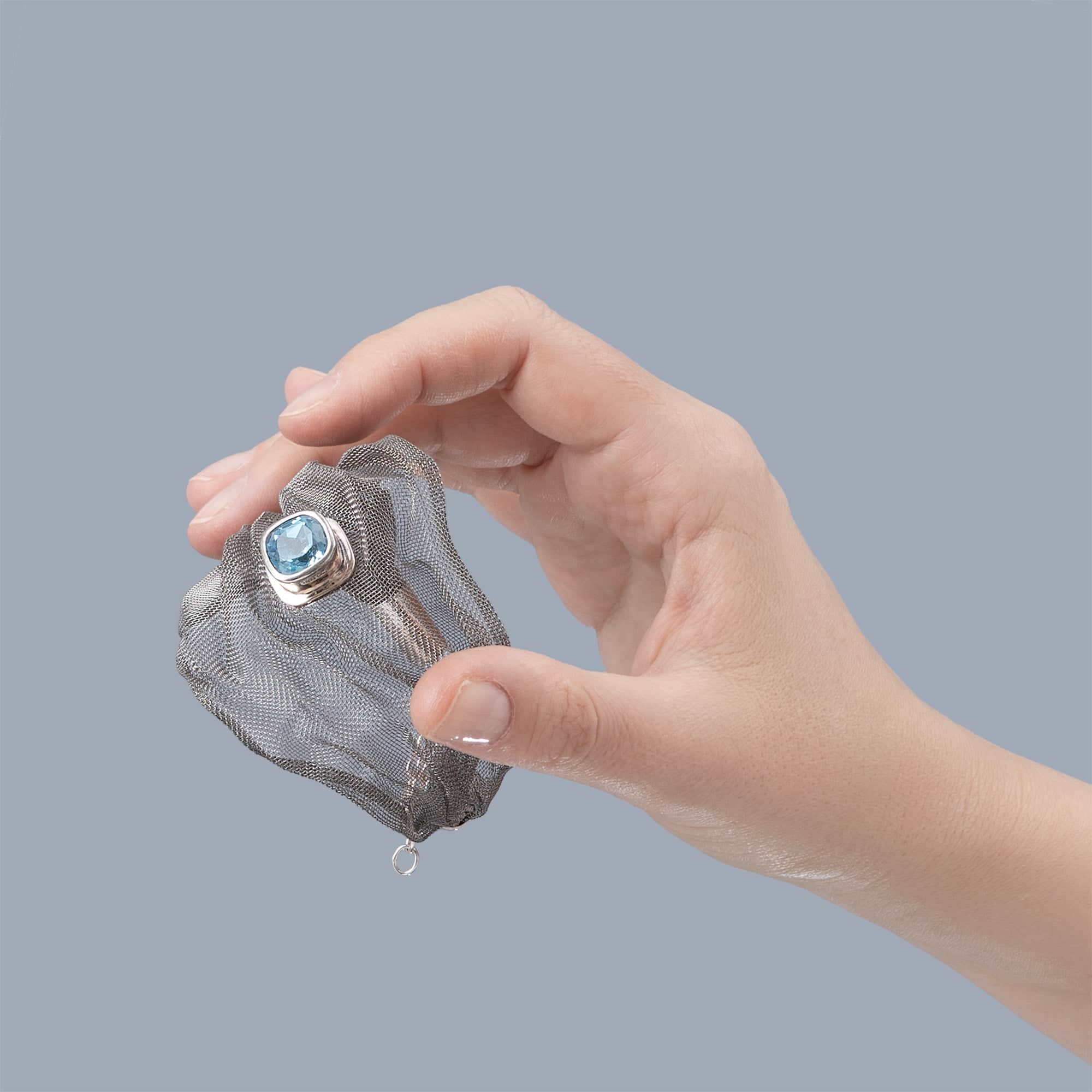
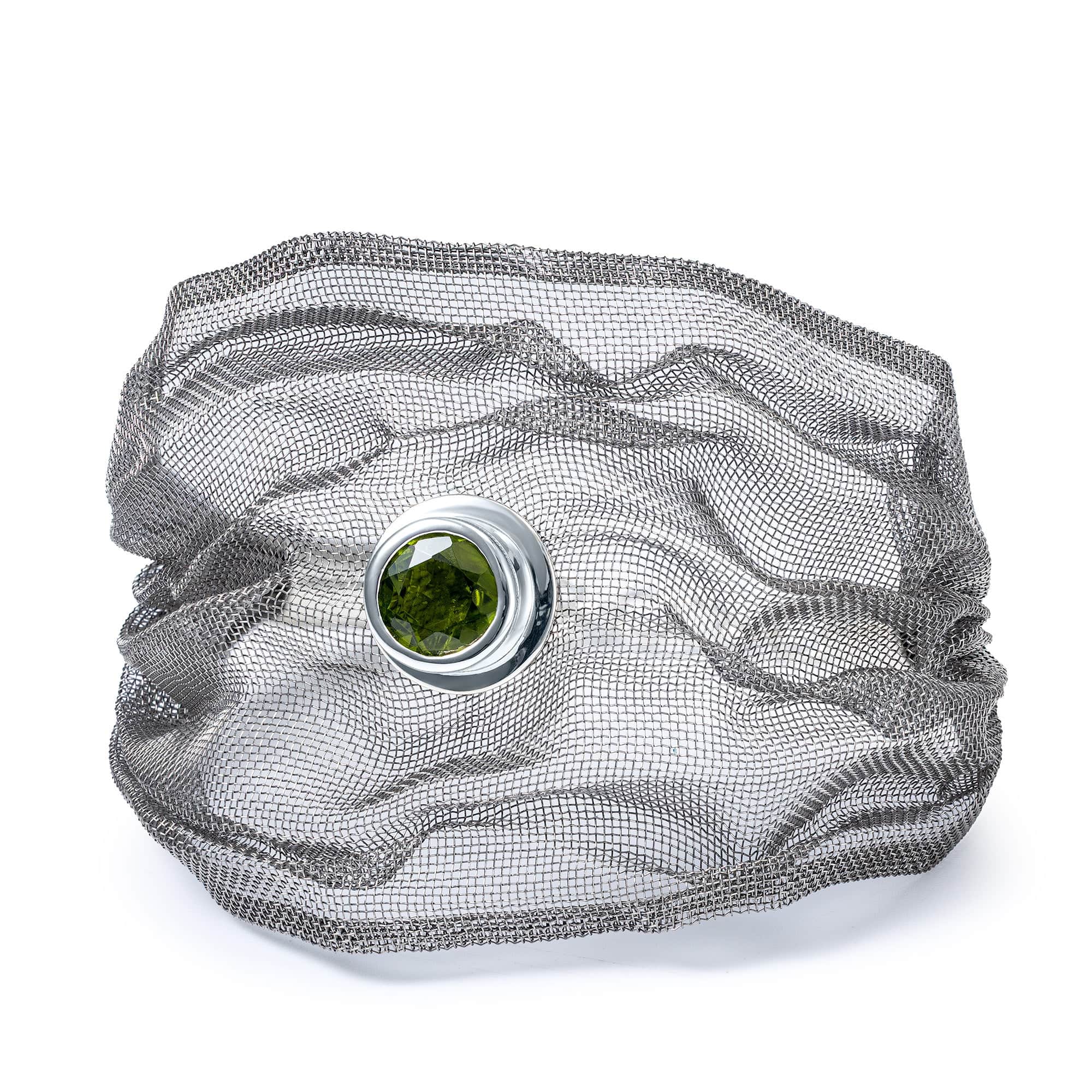
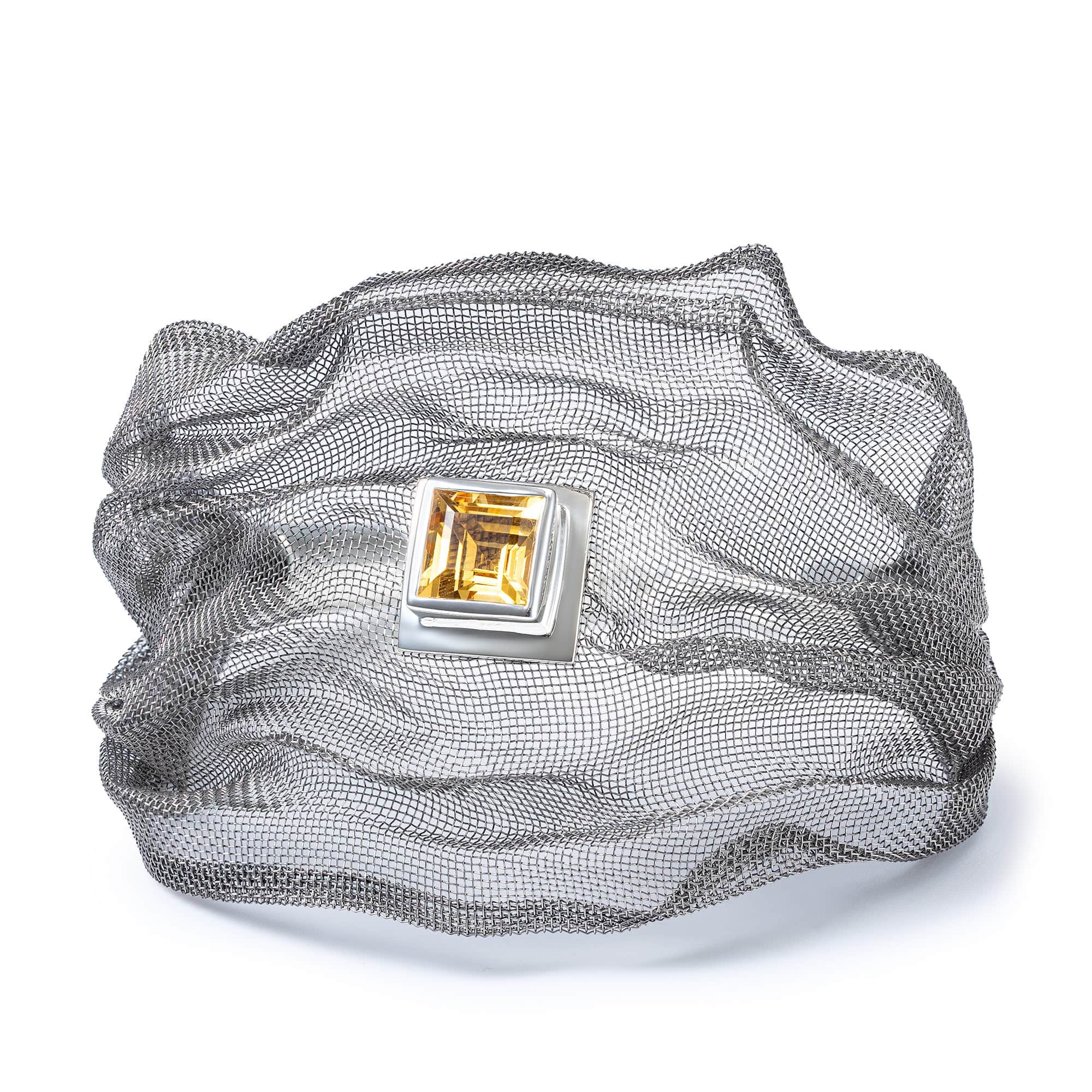
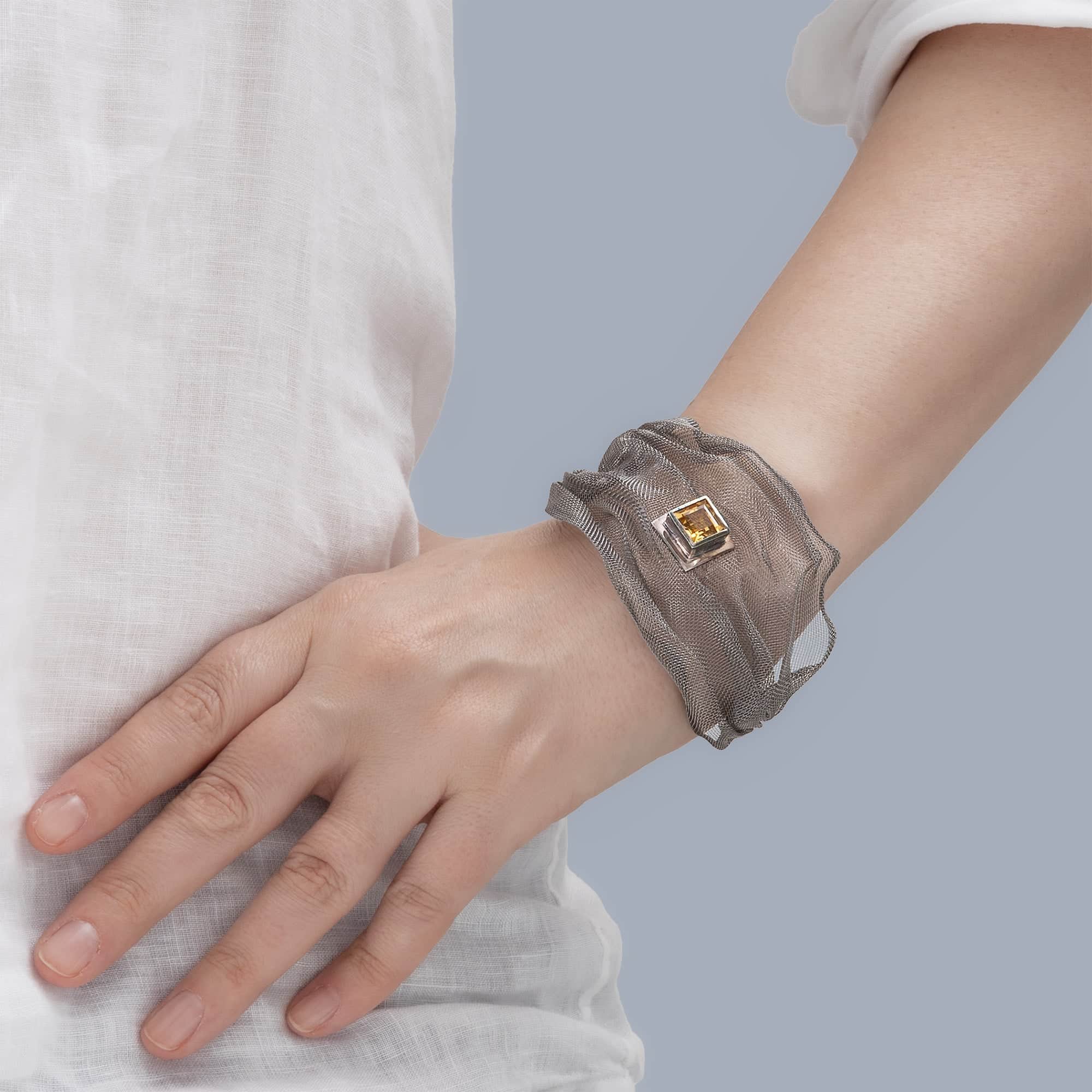
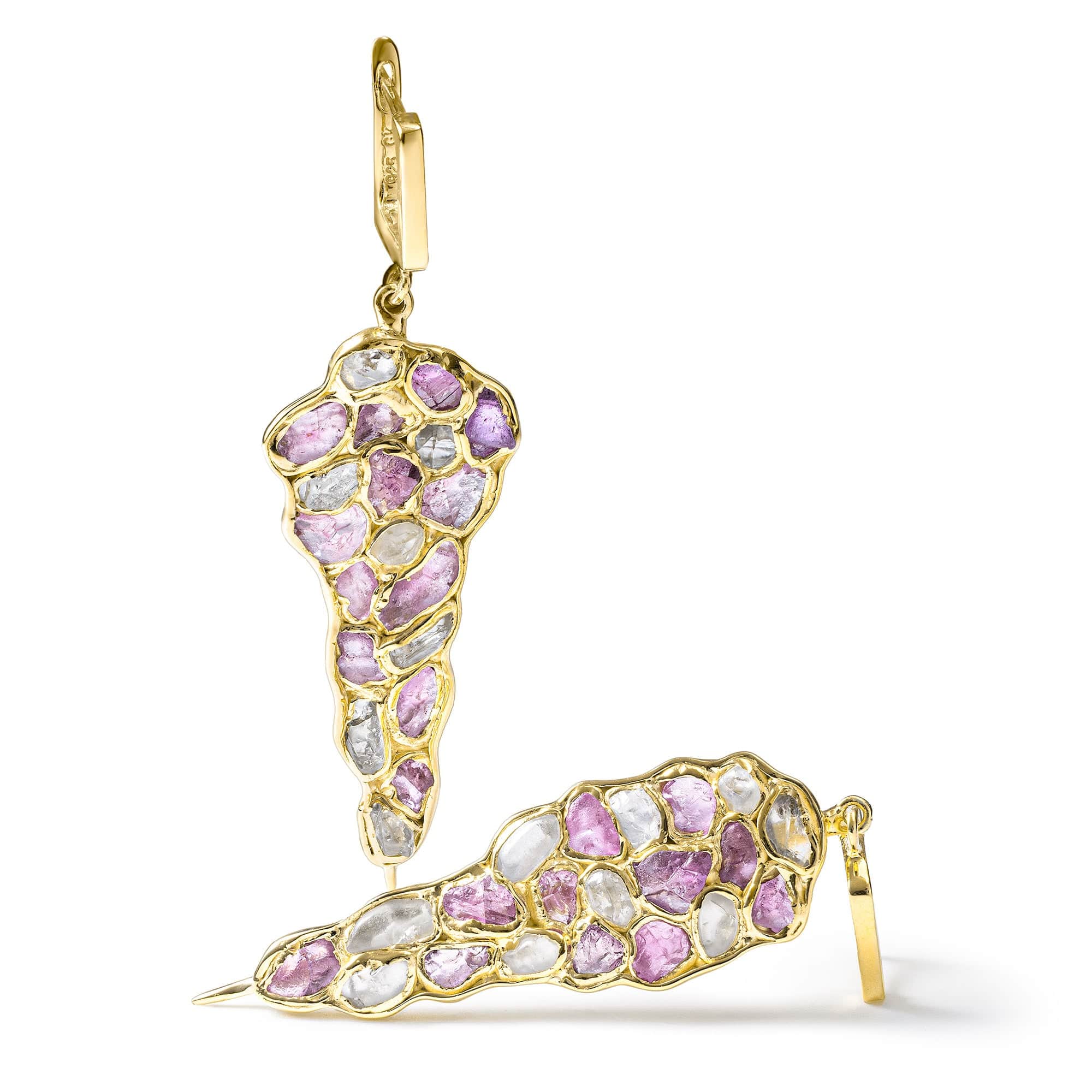
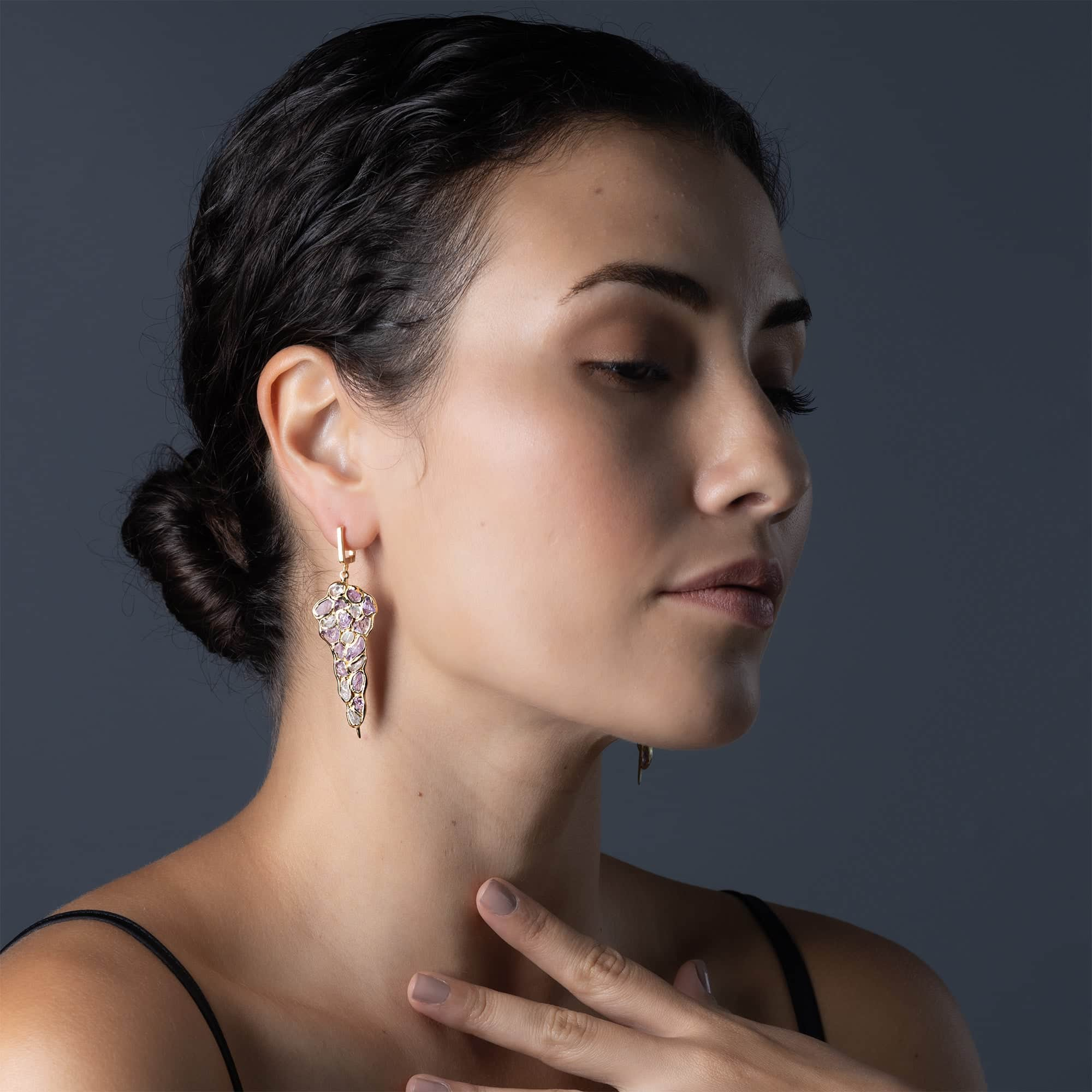
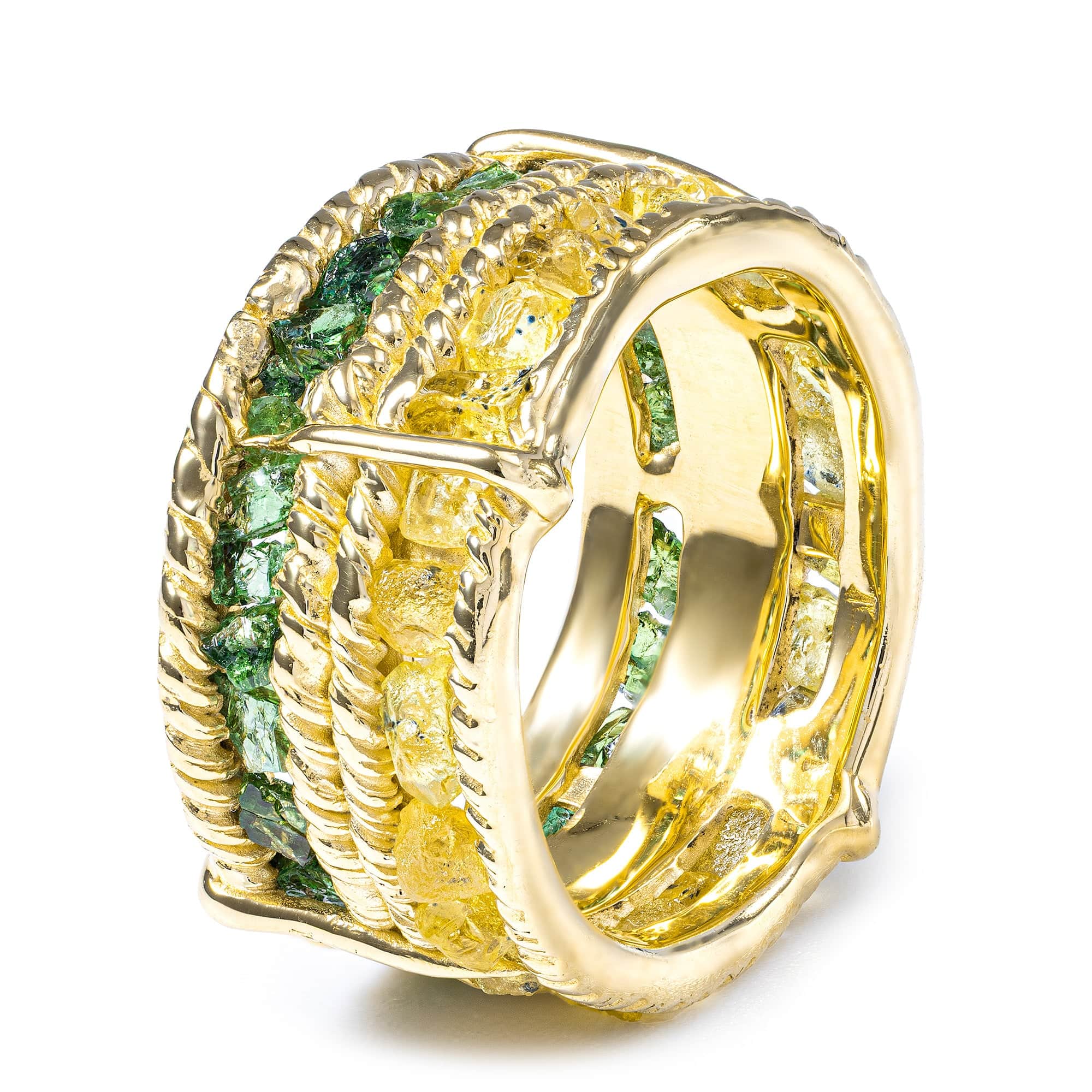
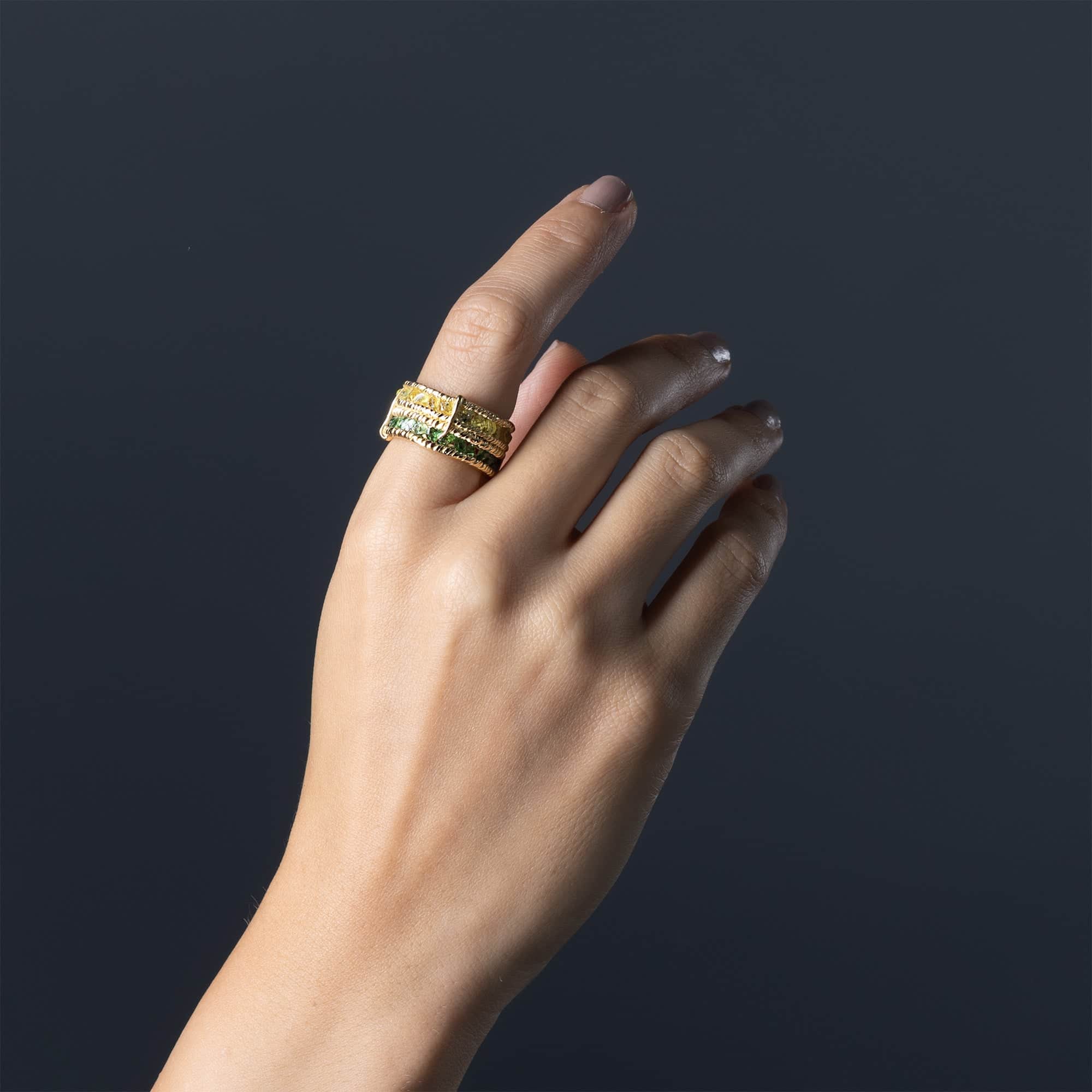
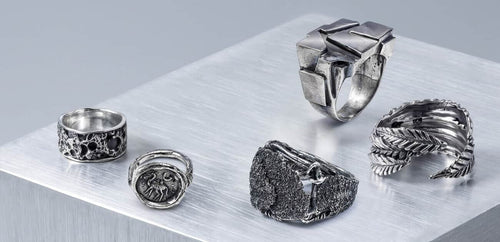
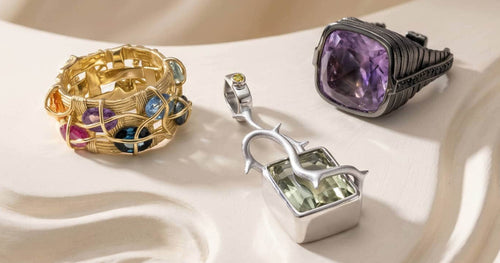
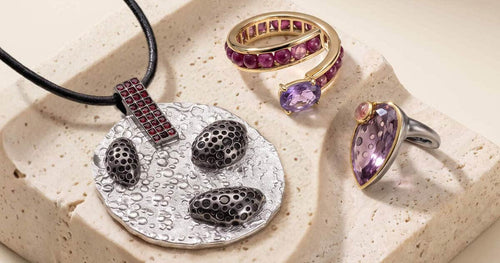
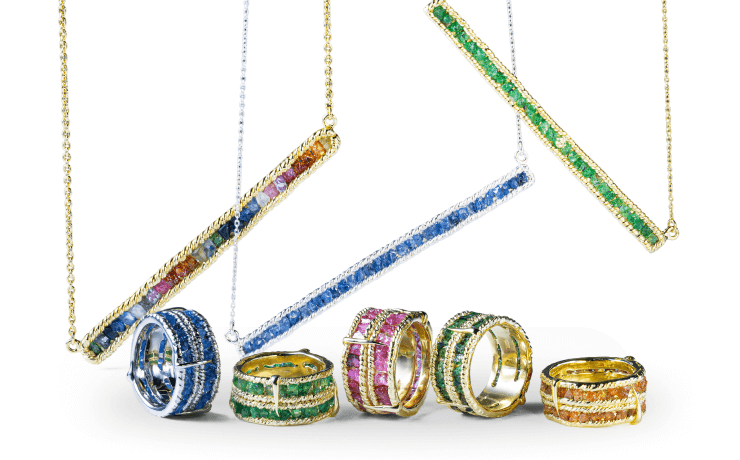
Handmade jewelry involves direct artisan work in processes such as hammering, shaping, filing, and setting stones. That direct involvement shows up in small details: a slightly asymmetric edge, a texture that shifts under light, a stone seated at an angle no machine would choose. Each piece absorbs a bit of the maker's judgment as it's built.
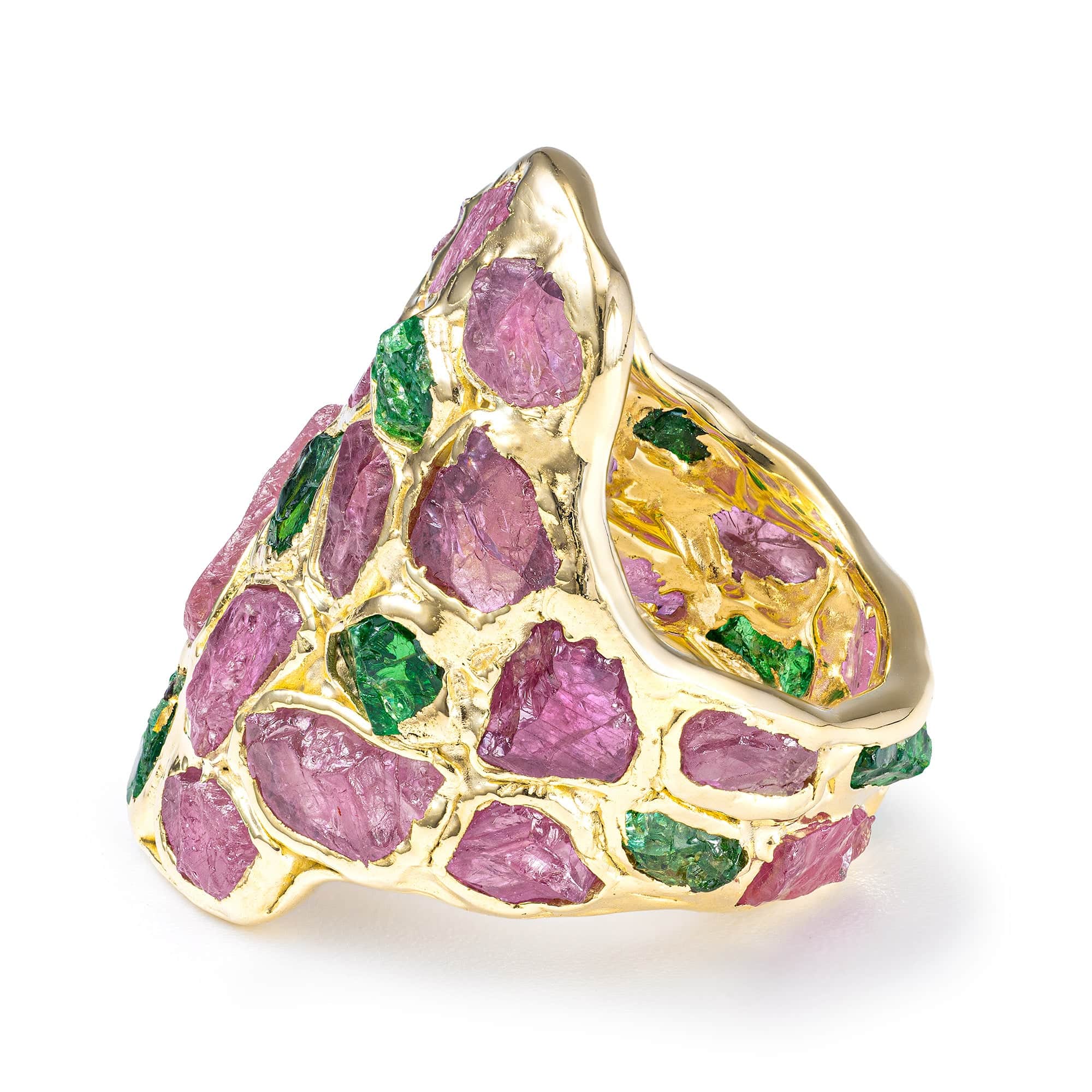
Even when a jeweler repeats a design, their hands never move the exact same way twice. Add a raw gemstone into the mix and the piece can show even more individual variation: crystals may differ in shape, inclusions, and color pattern. A ring built around one of these stones can retain its own distinct character, even when the design itself is repeated.
Yes—small asymmetries, hand-finished textures, and slight surface variations can be intentional characteristics of handmade jewelry. In raw-gemstone and contemporary jewelry especially, these small quirks are often the whole point—part of the piece’s individual character.
They are different from workmanship defects that affect construction, durability, or stone security, so visible irregularity should be considered in the context of the design rather than treated as proof of handwork on its own.
Handmade jewelry can cost more because shaping, finishing, and setting stones require skilled labor and individual attention. That work takes more time per piece than scaled factory production built to repeat the same process efficiently. Price also depends on the materials, complexity of the design, and production scale—not simply on whether a piece is handmade or mass-produced.
Look closely at the finish. Small asymmetries, visible file or hammer marks, hand-finished textures, and variations between pieces can be signs of hand work, but appearance alone does not prove how jewelry was made. A traceable maker and information about the production process are stronger indicators of genuine hand craftsmanship.
Limited production can also reflect a small-studio approach, but quantity alone does not determine whether a piece is handmade.
Not necessarily. Mass-produced jewelry can vary widely in quality. Durability depends on factors such as materials, metal thickness, construction, stone settings, finishing, and quality control—not production scale alone.
Mass production is designed for consistency and efficiency, while handmade jewelry allows more individual attention to each piece. The difference is in how the jewelry is made, not an automatic guarantee of higher or lower quality.
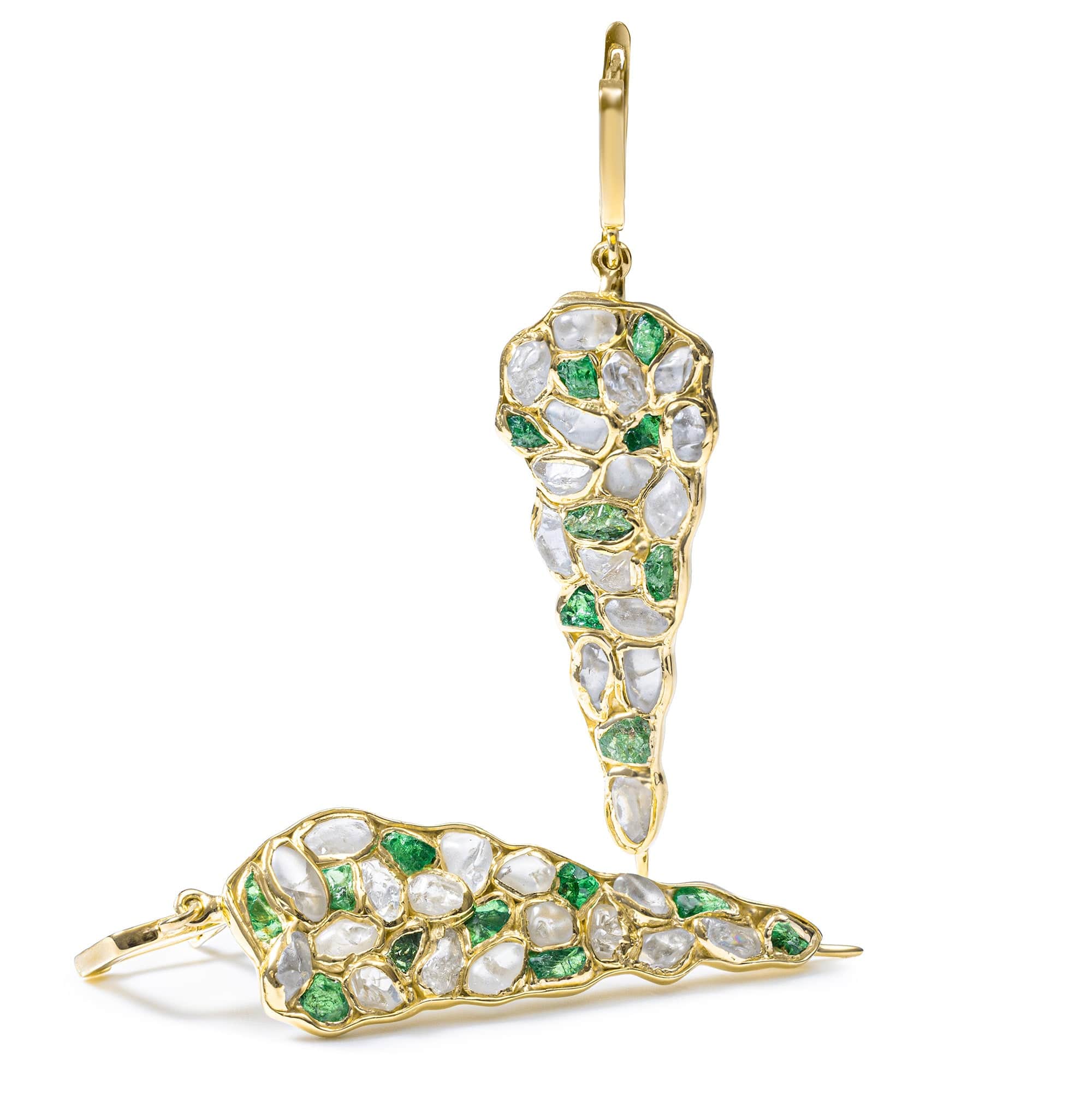
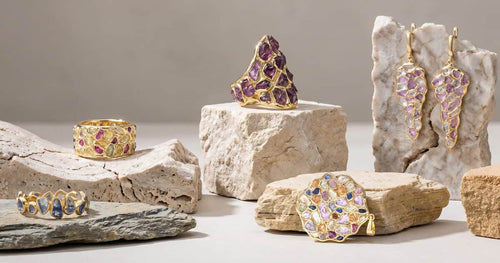
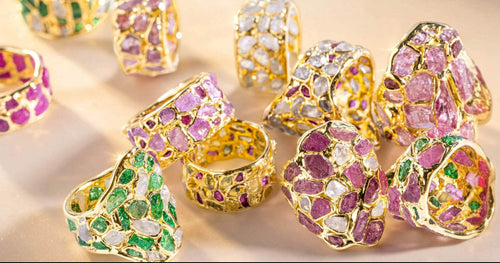
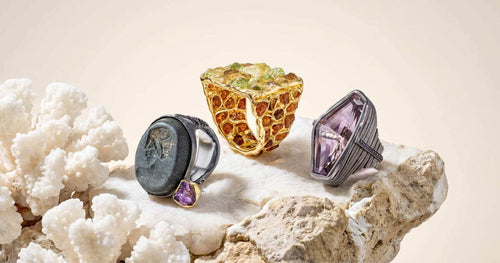
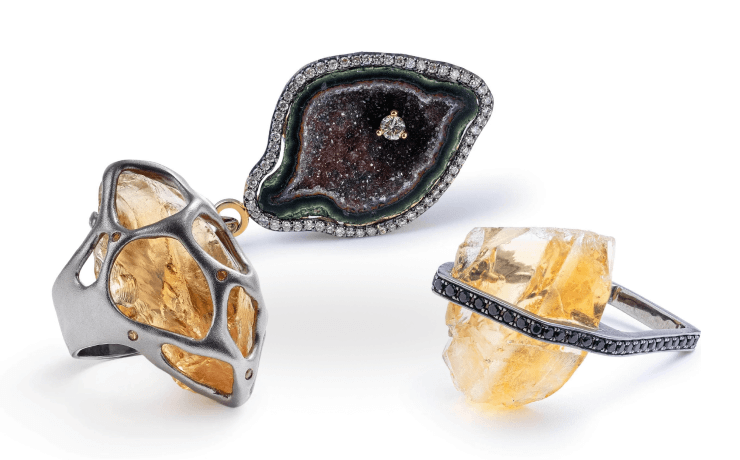
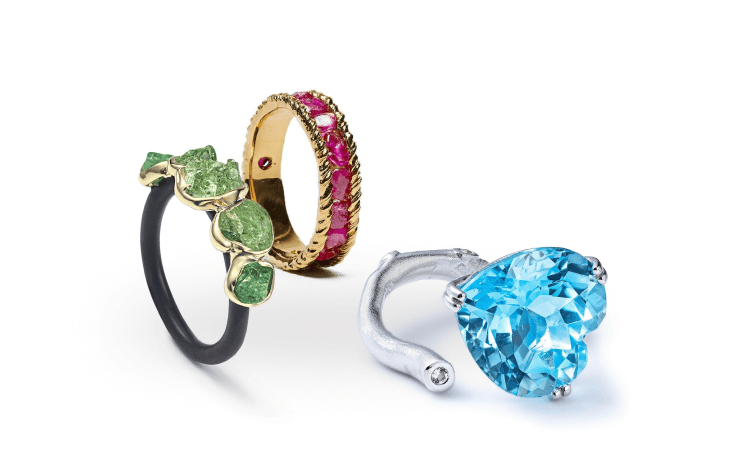
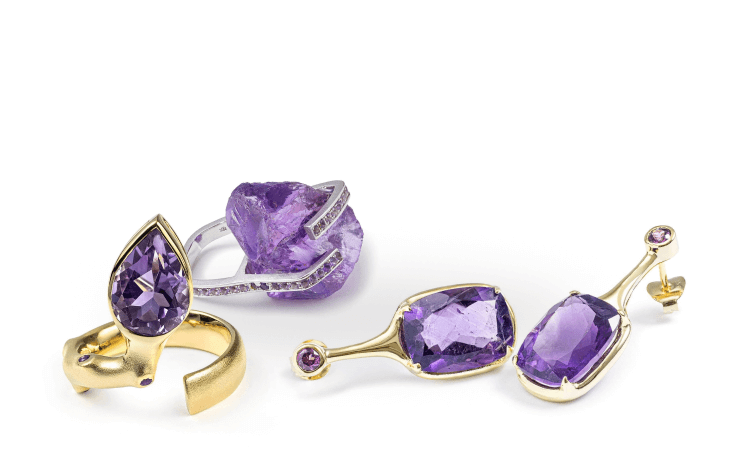
Raw gemstones can make repeated jewelry designs noticeably different from one another because individual stones may vary in shape, inclusions, color, texture, and outline.
Even when the same setting style is repeated, these natural variations can give each finished piece its own character. However, using a raw gemstone does not automatically make a piece formally one of a kind.
Handmade jewelry can have long-term collectible value, but being handmade or produced in limited quantities does not guarantee that a piece will hold or increase its financial value. Resale value can depend on factors such as the designer’s reputation, rarity, provenance, condition, materials, and collector demand.
Raw gemstones can add individual variation and character to a piece, but their use alone does not guarantee scarcity or future appreciation.
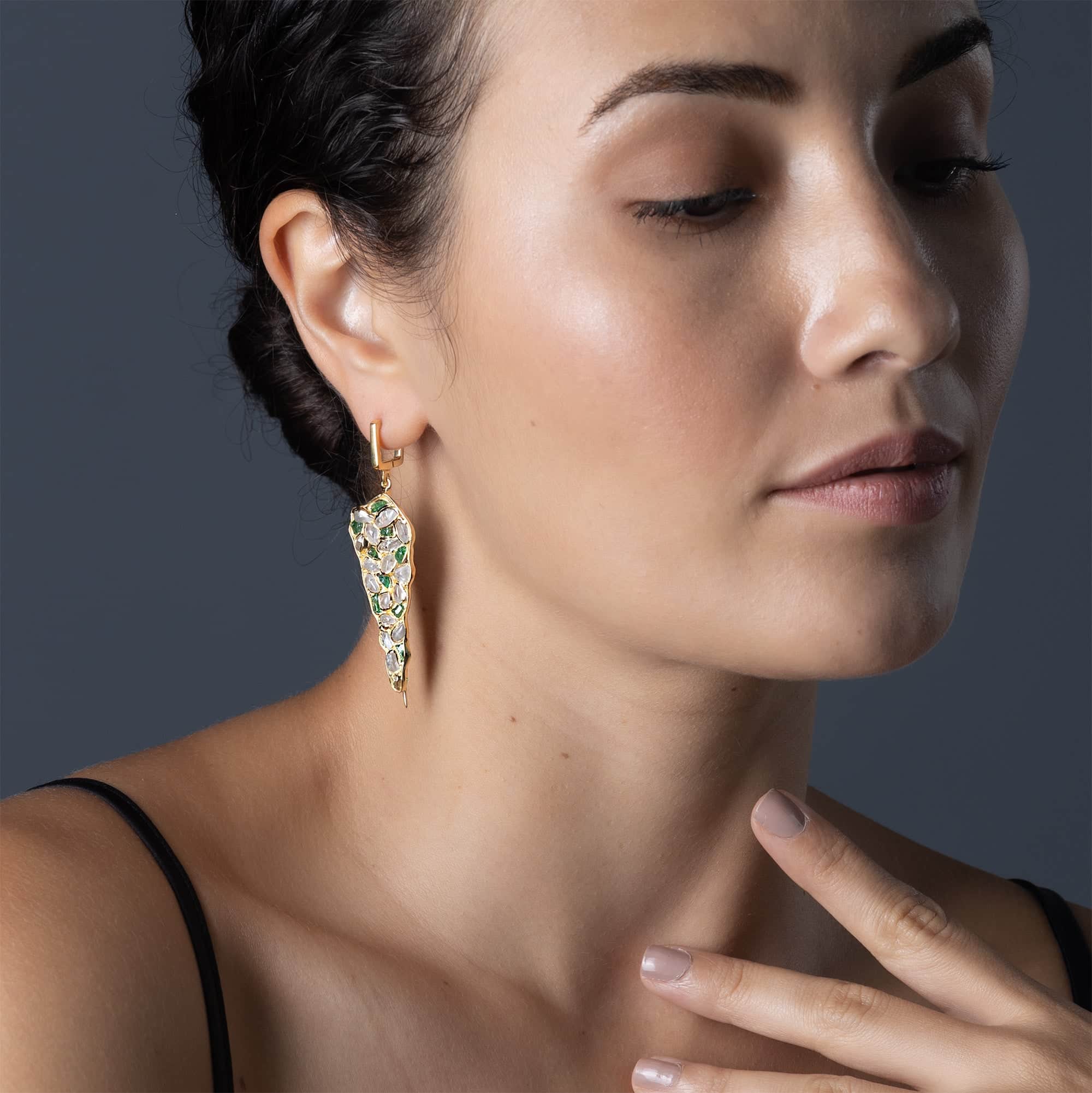
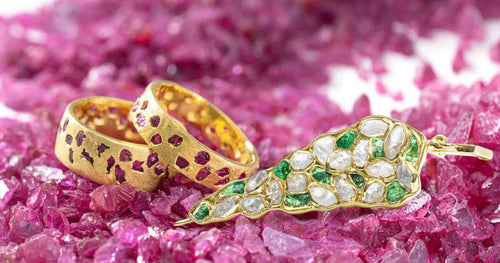
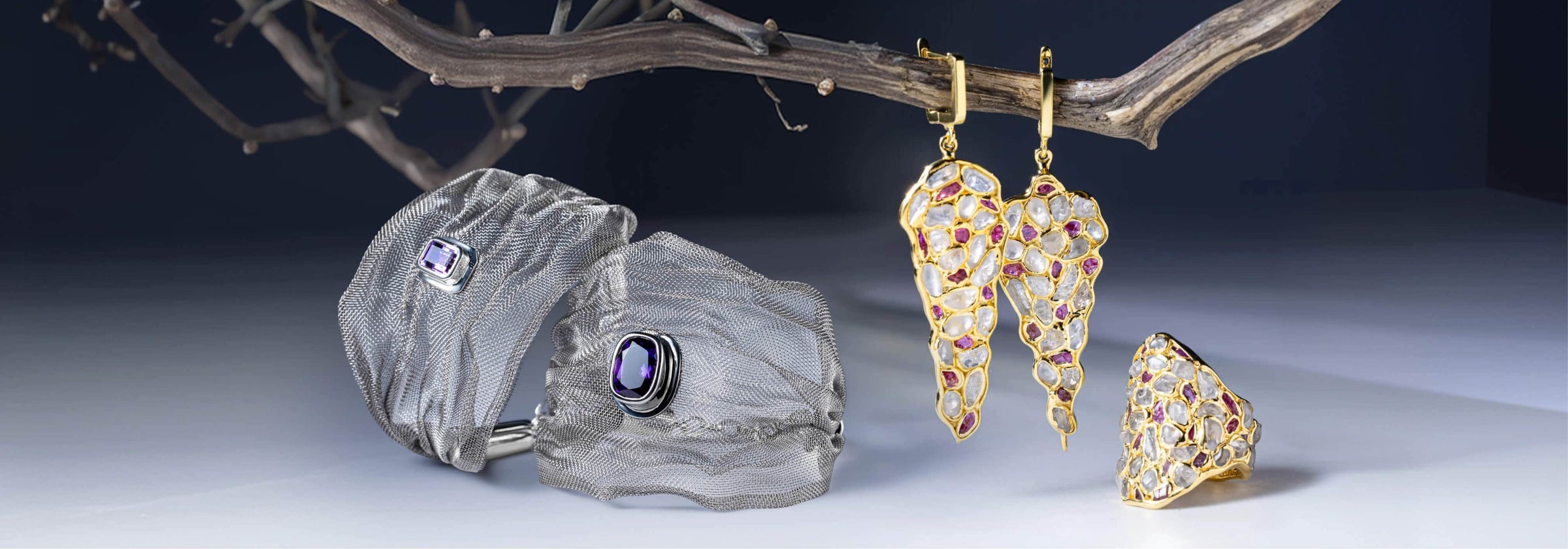
German Kabirski creates jewelry in small collections as well as true one-of-a-kind work, especially when working with raw gemstones. Because raw stones can vary in shape, texture, inclusions, and color, the setting can be built around the characteristics of an individual stone. Even within the same collection, these variations can give each piece its own character.
Handmade jewelry can offer greater transparency when a studio documents where its materials come from and how each piece is made, but handmade production is not automatically more ethical or sustainable. Responsible sourcing depends on traceability, supplier practices, labor conditions, and material choices.
Environmental impact also depends on factors such as production methods, energy and water use, chemicals, waste management, and the durability of the finished piece—not simply whether jewelry is handmade or mass-produced.