
Symbolism in Jewelry: Meaning Behind the Design
An overview of how symbols function in jewelry — from historical motifs like skulls, crosses, and protective eyes to how contemporary designers, including German Kabirski, use symbolic elements as one part of a broader material and textural design language.
Symbolism in jewelry is the use of a shape, motif, or object to represent an idea larger than its physical form, such as a skull standing for mortality or a leaf standing for growth. Historically documented examples include memento mori jewelry, which the Science Museum defines as objects meant to remind the wearer of "the inevitability of their death and the brevity of life" through motifs like skulls, skeletons, and hourglasses.
Symbolism gives a piece of jewelry meaning beyond decoration, letting it function as a personal reminder, a marker of belief, or a form of protection. The Science Museum notes that memento mori objects "served as a general reminder of mortality... to encourage virtuous living and making the most of one's fleeting life," showing how a symbol can shape a wearer's daily mindset rather than just their appearance.
Recurring symbols across jewelry history include the skull and skeleton, used in memento mori and mourning jewelry since at least the 16th century; the cross, described by symbol scholars as predating Christianity by millennia and appearing independently across Egypt, Mesopotamia, and Mesoamerica as a marker of cosmic orientation; and the eye, used across the Mediterranean and West Asia since antiquity as a protective "evil eye" amulet.
Botanical motifs are one of the oldest and most consistent symbol families in jewelry. The GIA traces leaf motifs back through multiple cultures, noting that leaves generally symbolize fertility and growth, while specific types carry their own meaning: oak leaves for strength and heroism, olive branches for peace, and grape leaves for abundance and rebirth. Root and vine forms specifically are tied to ideas of connection and endurance, with vines historically representing tenacity and interconnected growth across cultures from ancient Egypt through the Arts and Crafts and Art Nouveau movements.
Yes. Memento mori jewelry is a documented historical example of jewelry functioning as narrative: the Antique Jewellery Company notes such pieces were "not in remembrance of a departed person, but were an abstract warning of death," meaning the object itself carried a message the wearer engaged with daily.
Contemporary designers frequently revive ancient protective and mortality symbols, most visibly the evil eye motif, which Town & Country traces to Greek antiquity around the 6th century BCE and which remains one of the most recognizable talismanic designs in jewelry today. Botanical symbolism follows a similar path: Egyptian lotus and papyrus motifs, once believed to connect the earthly and divine, still recur in contemporary nature-inspired jewelry lines.
Collectors are drawn to symbolic jewelry because a recognizable motif carries an established, often centuries-old meaning that a purely decorative design doesn't. A skull ring situates a wearer within a documented tradition of memento mori jewelry going back to the 16th century, giving the object weight and context beyond its craftsmanship alone.
A symbol lets a wearer project a personal value onto an object, turning a general historical meaning into something specific to them. This is why memento mori rings functioned as constant reminders, worn close to the body specifically so the wearer would reencounter the symbol's message repeatedly through daily wear, and why botanical motifs like ivy or oak leaves are chosen individually to reflect a wearer's own sense of loyalty, strength, or growth.
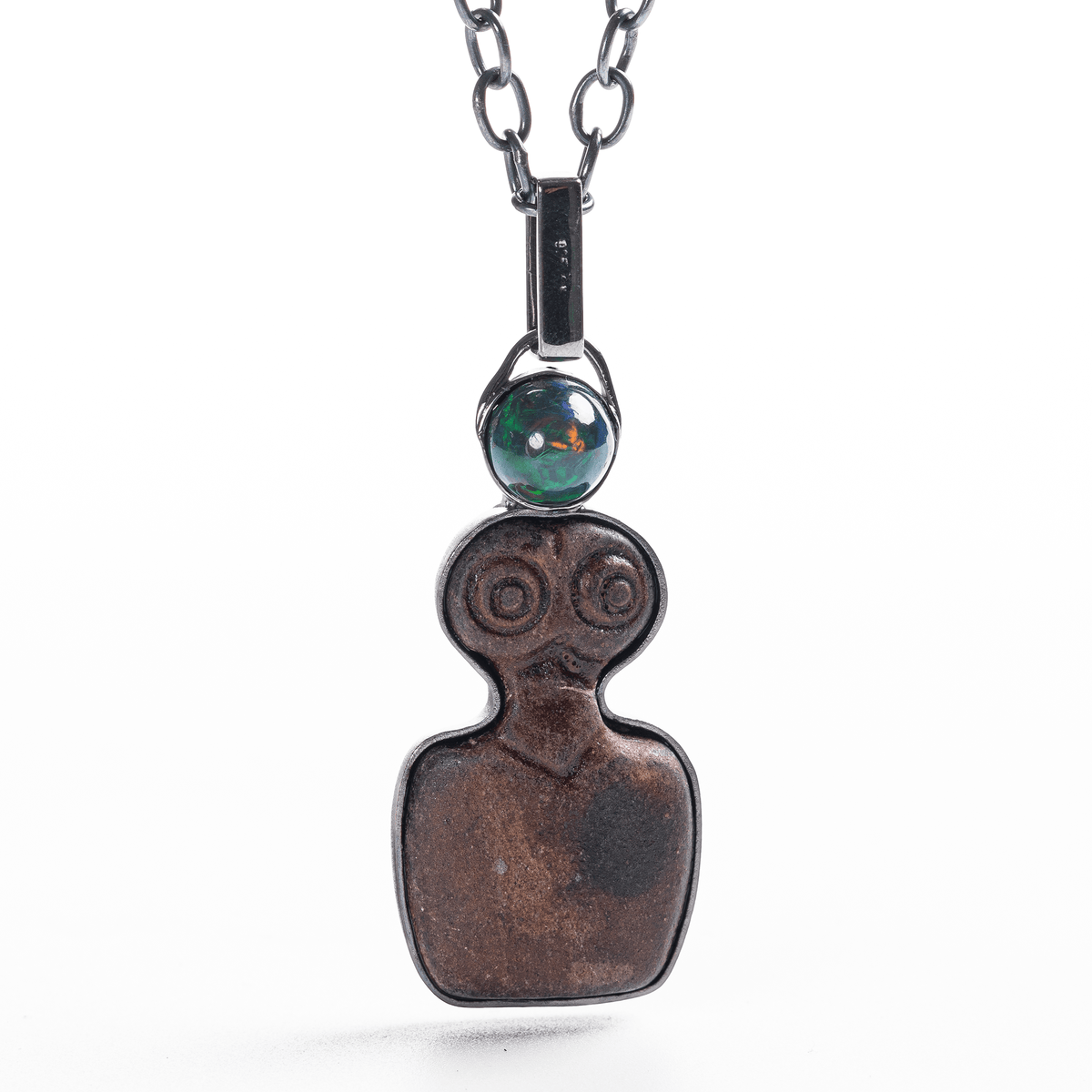
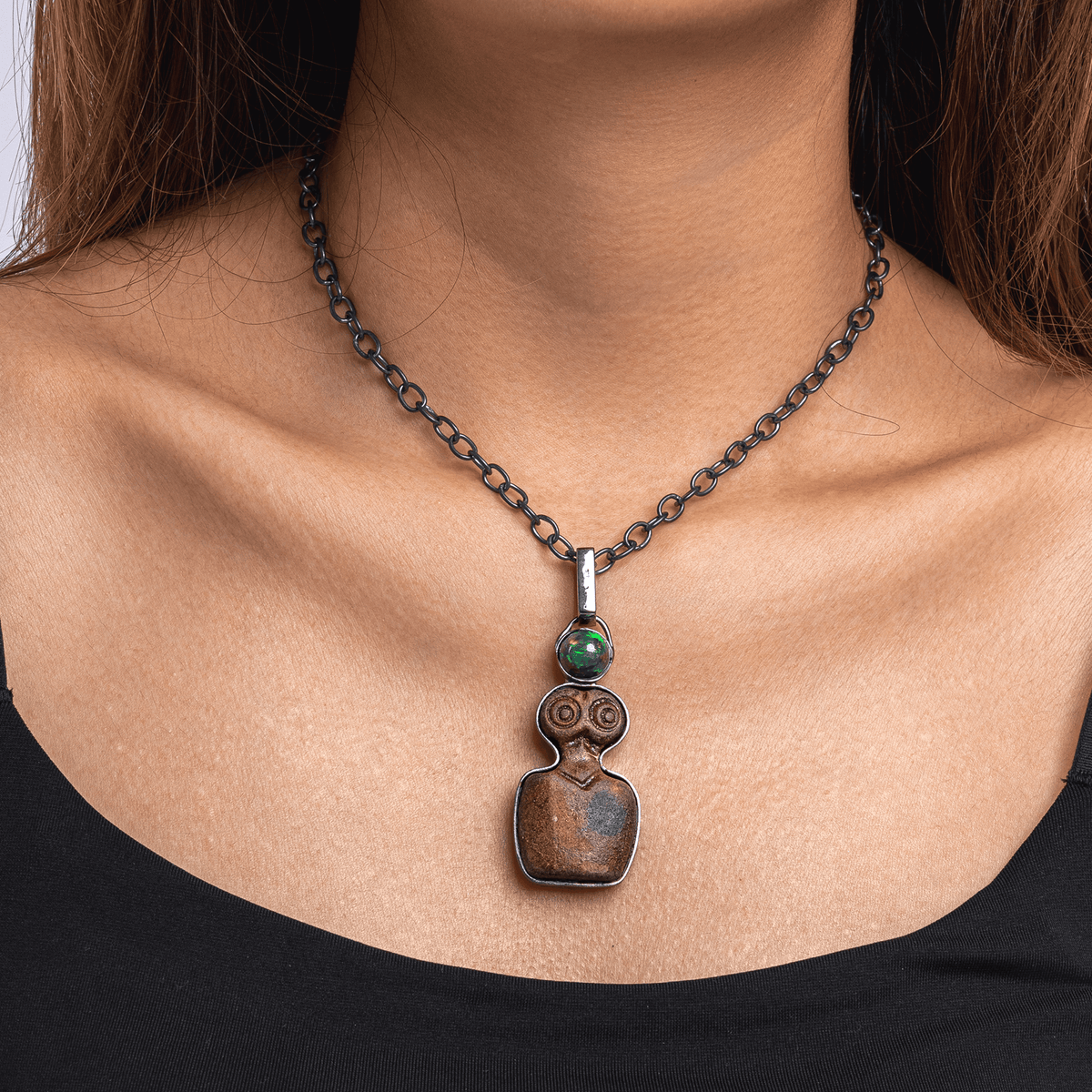
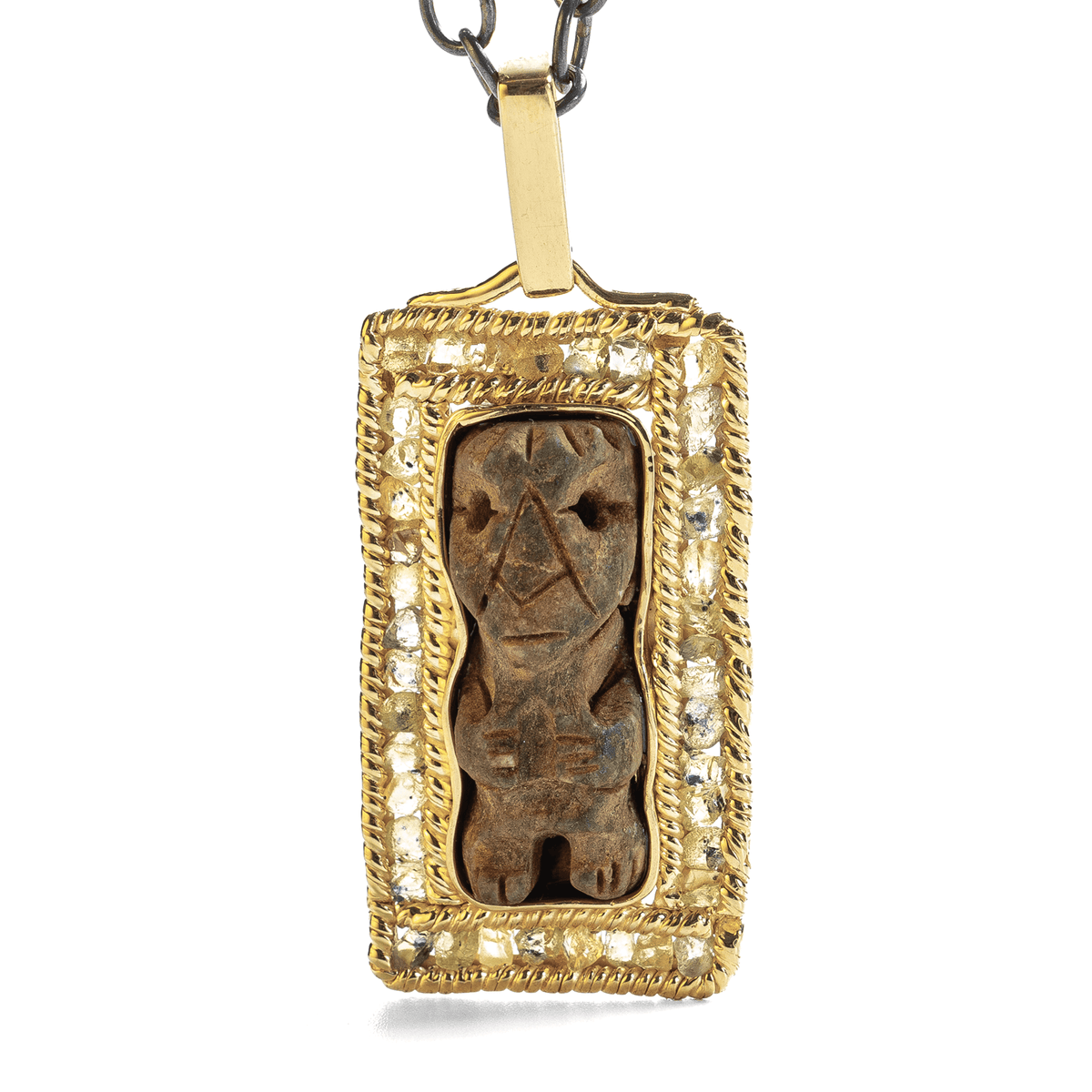
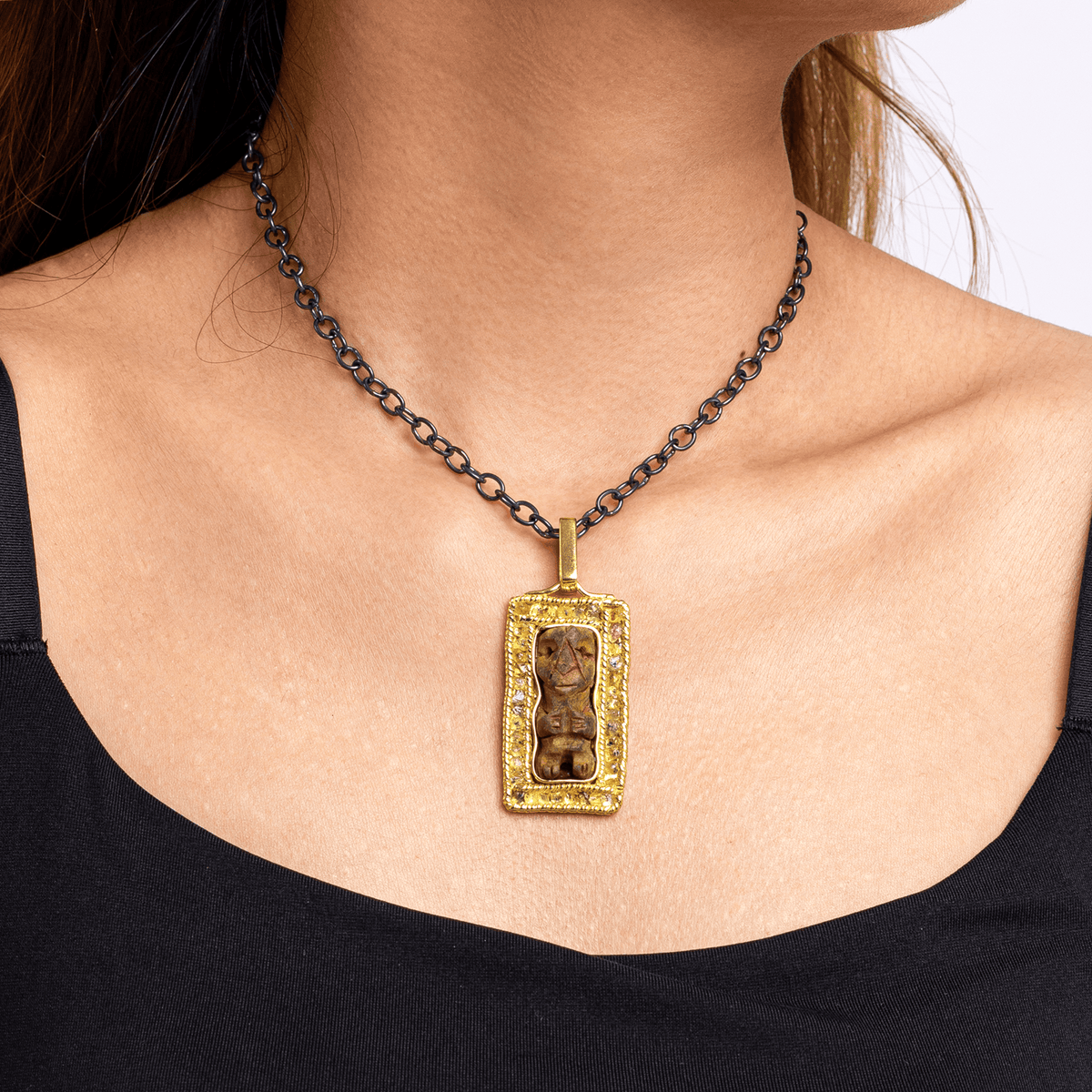
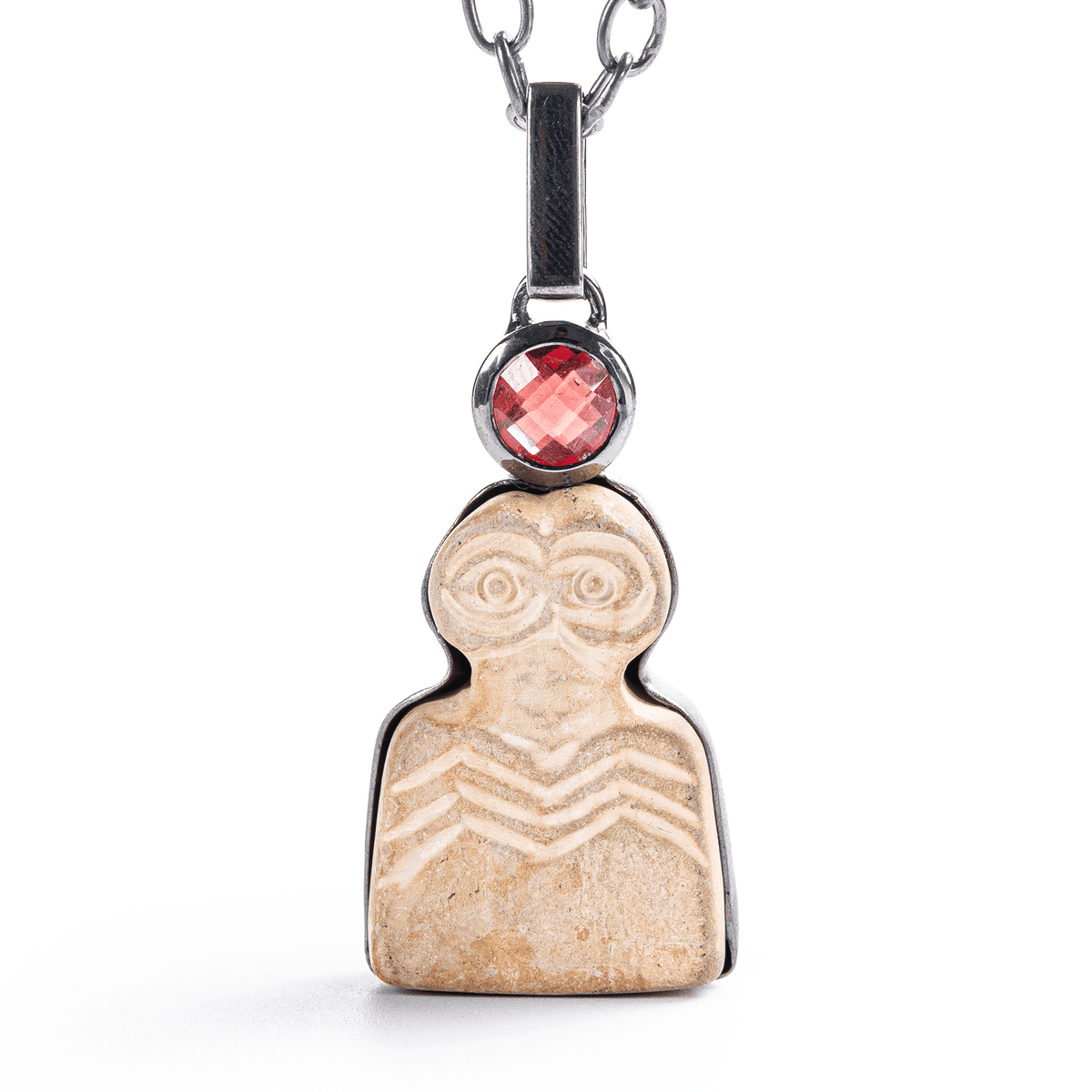
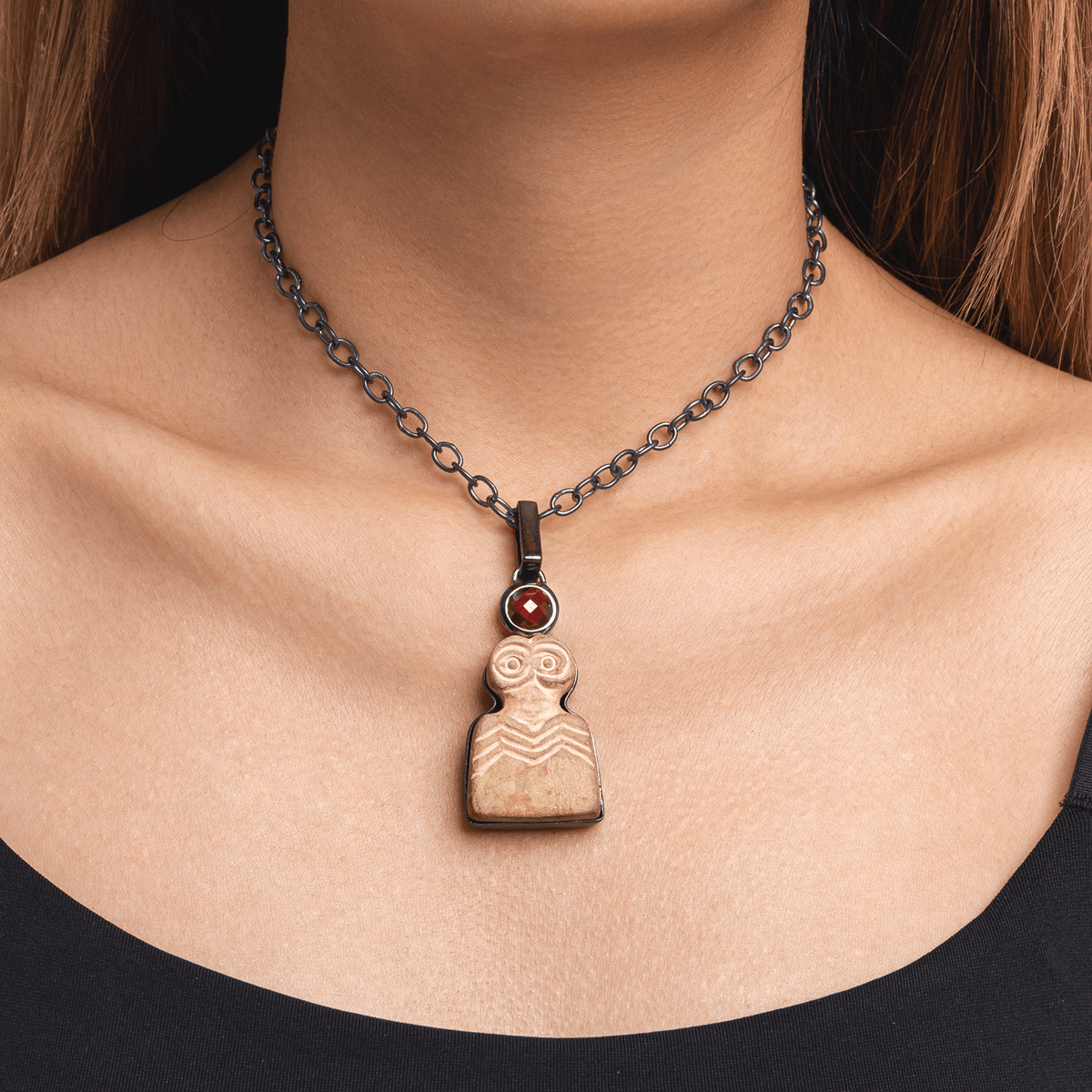
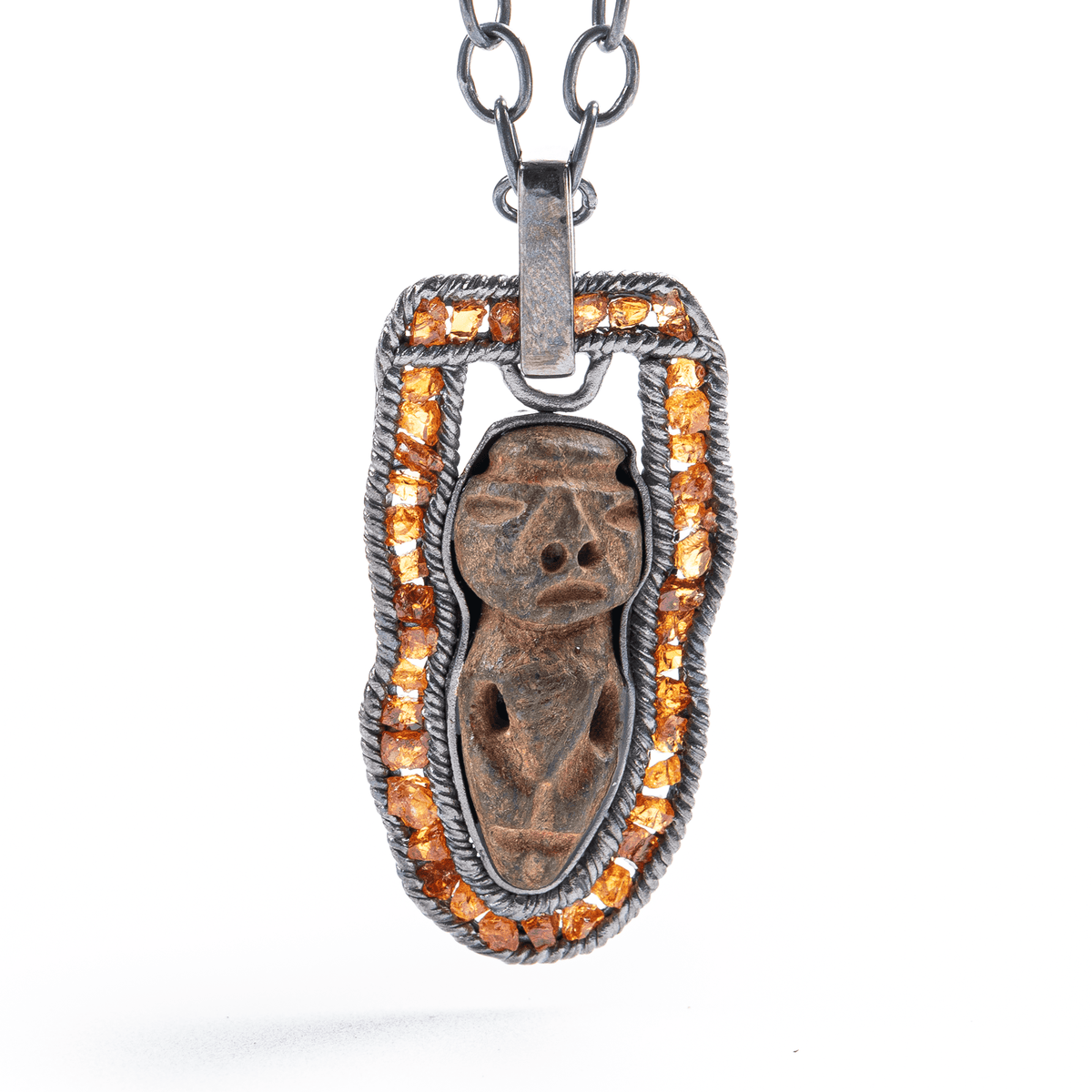
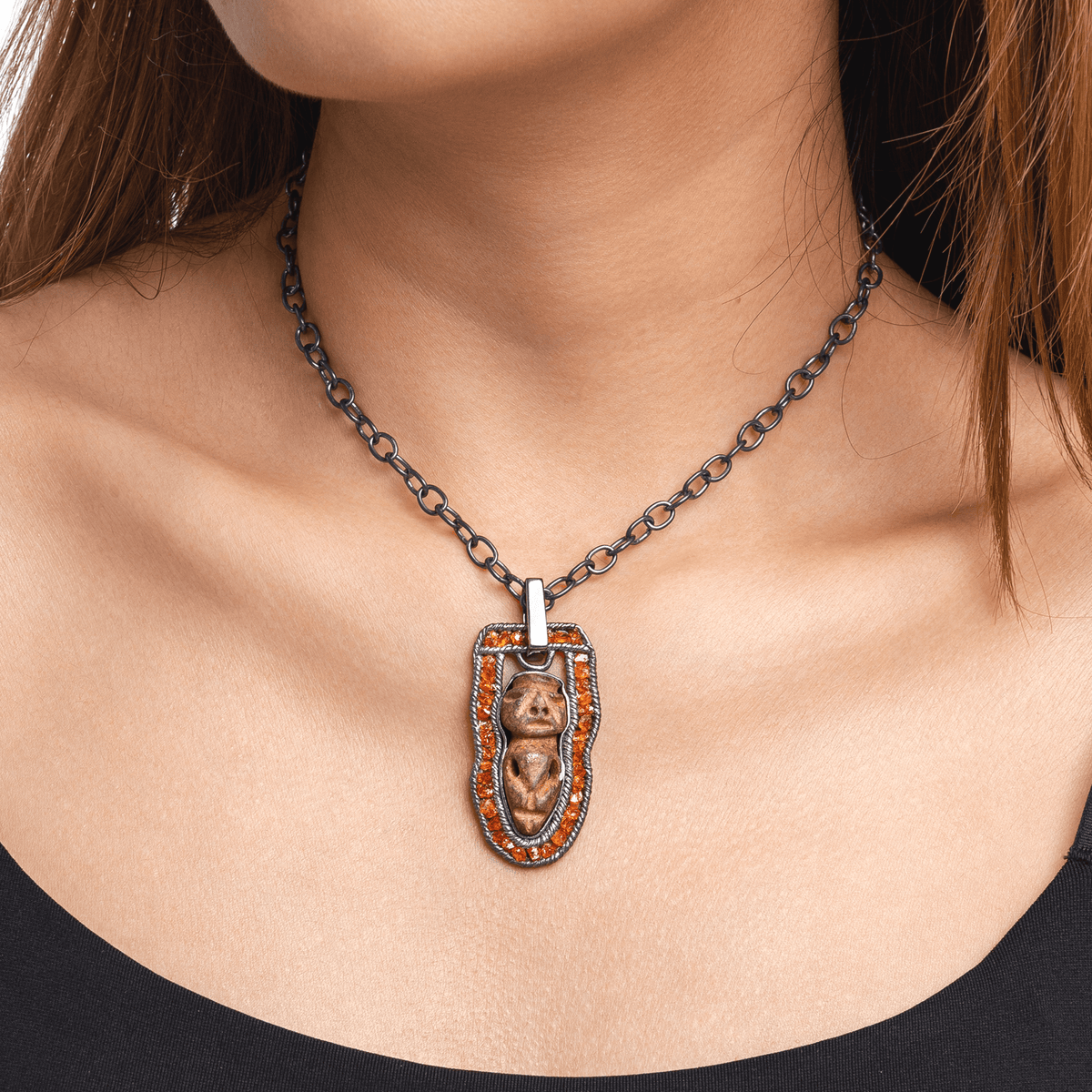
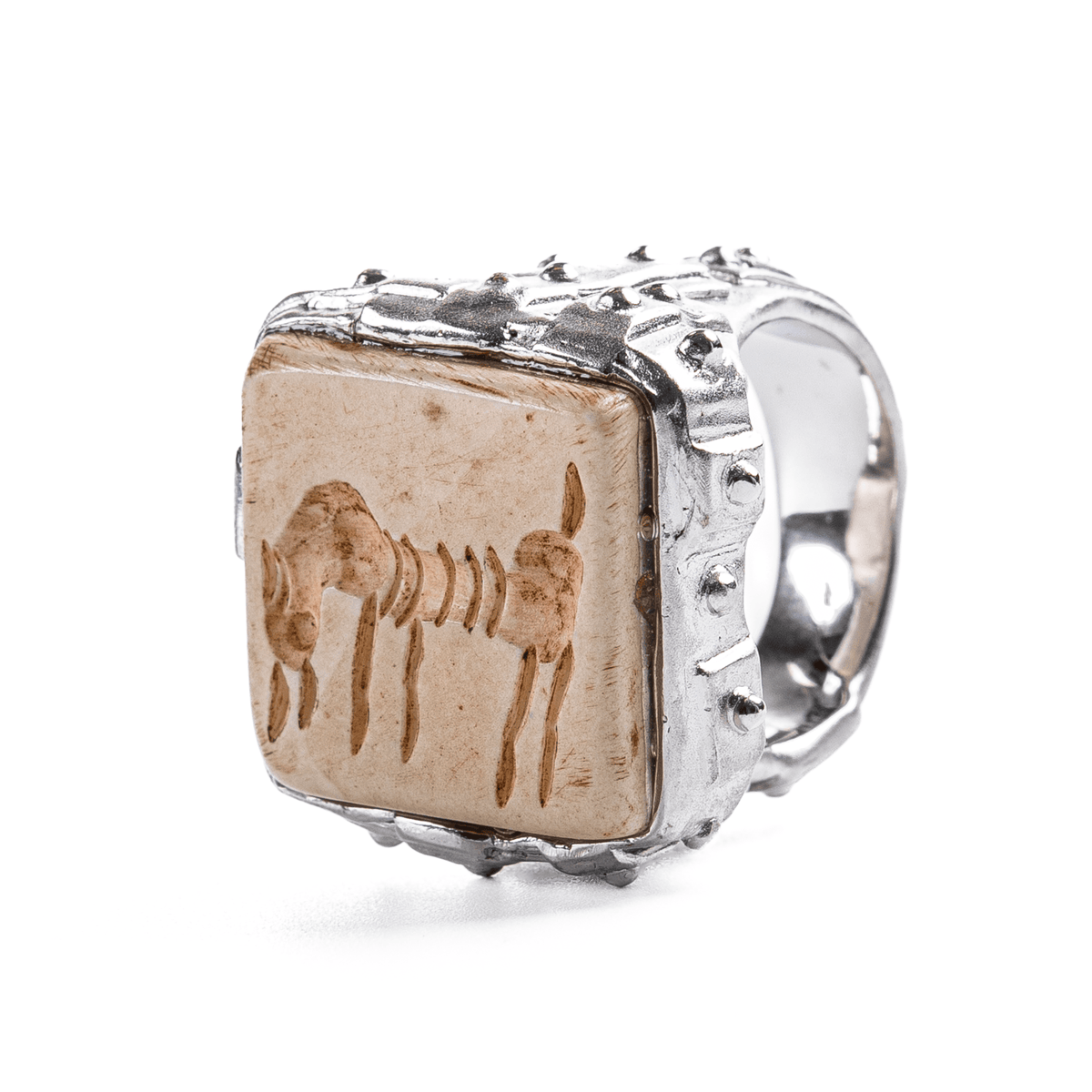
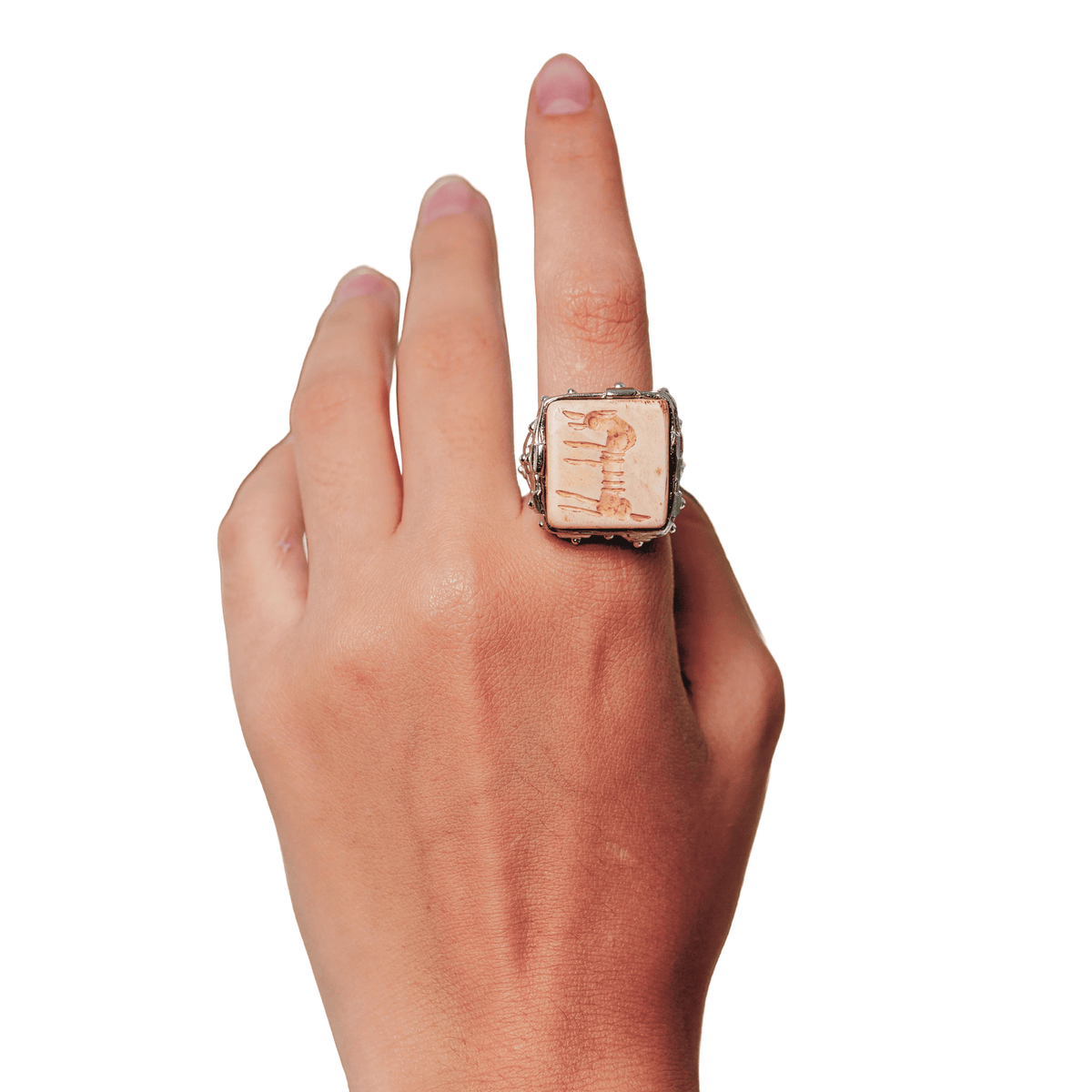
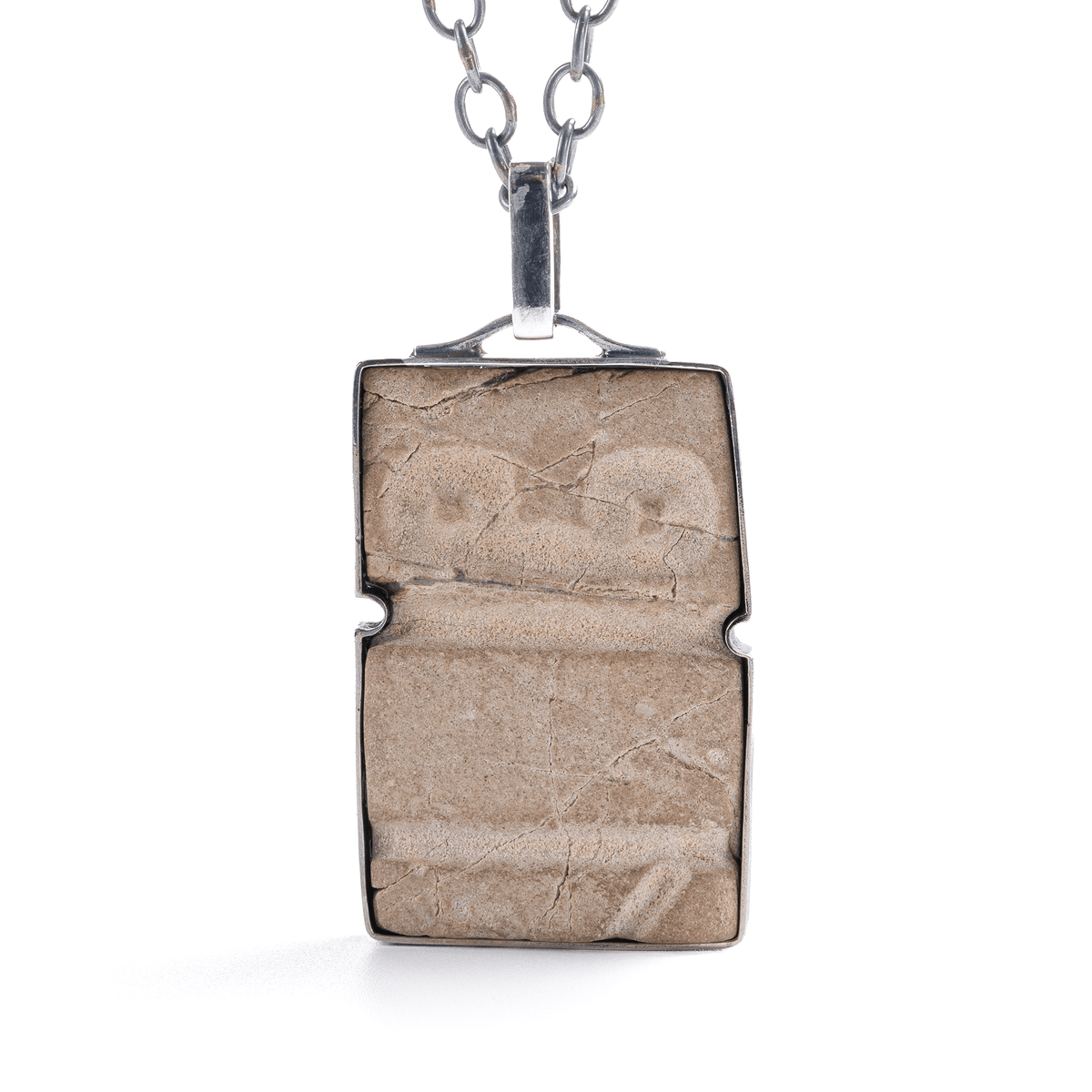
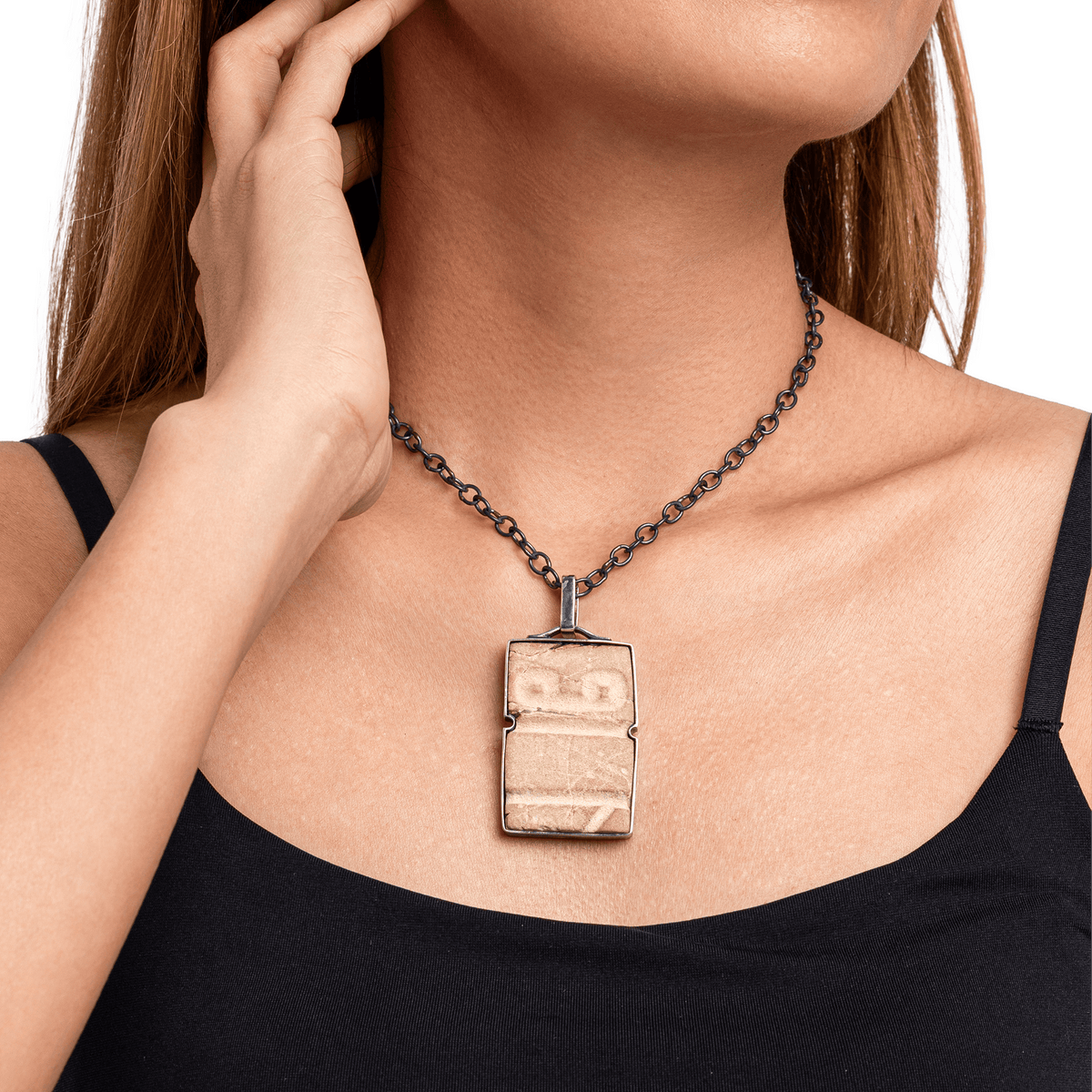
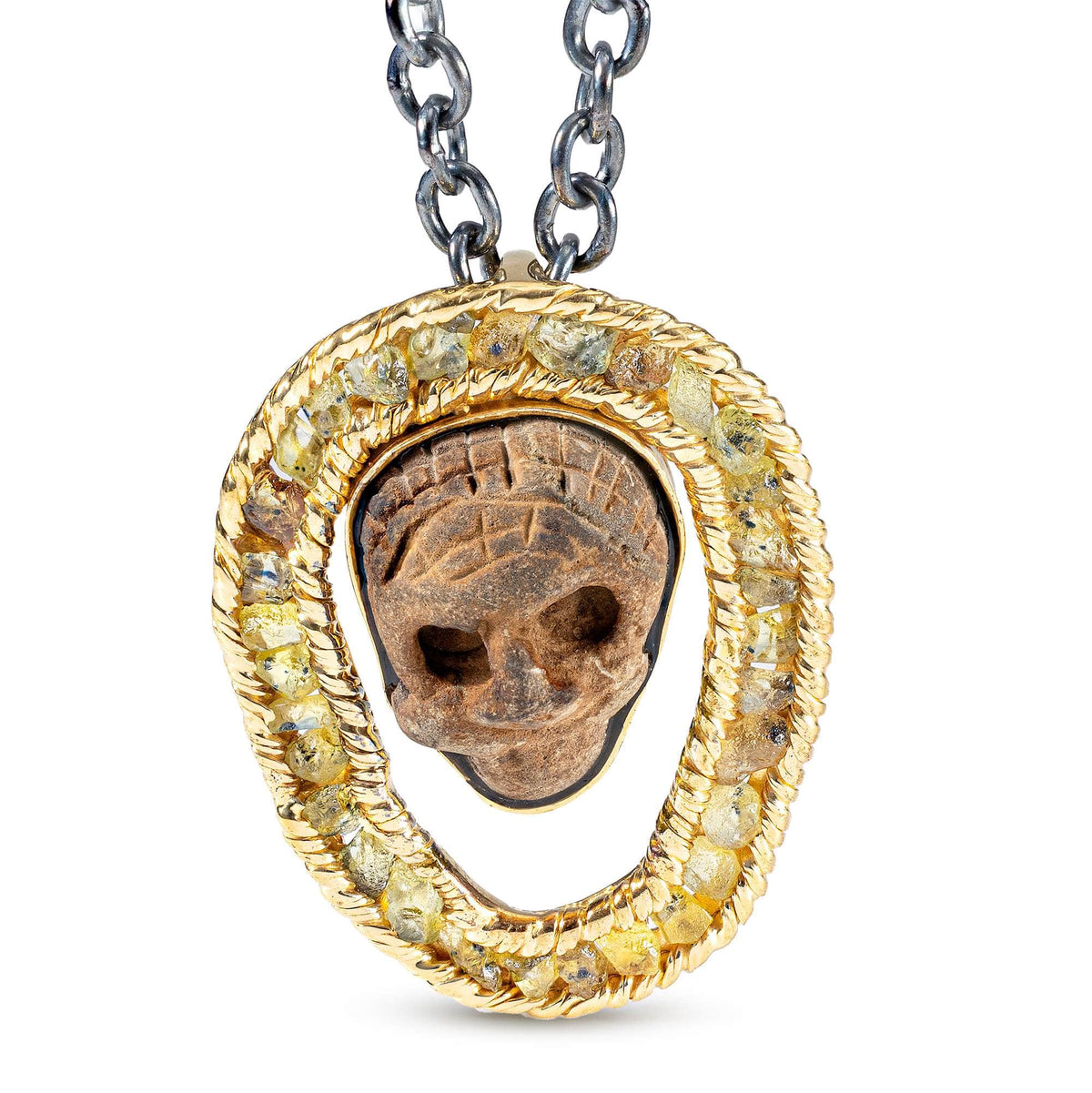
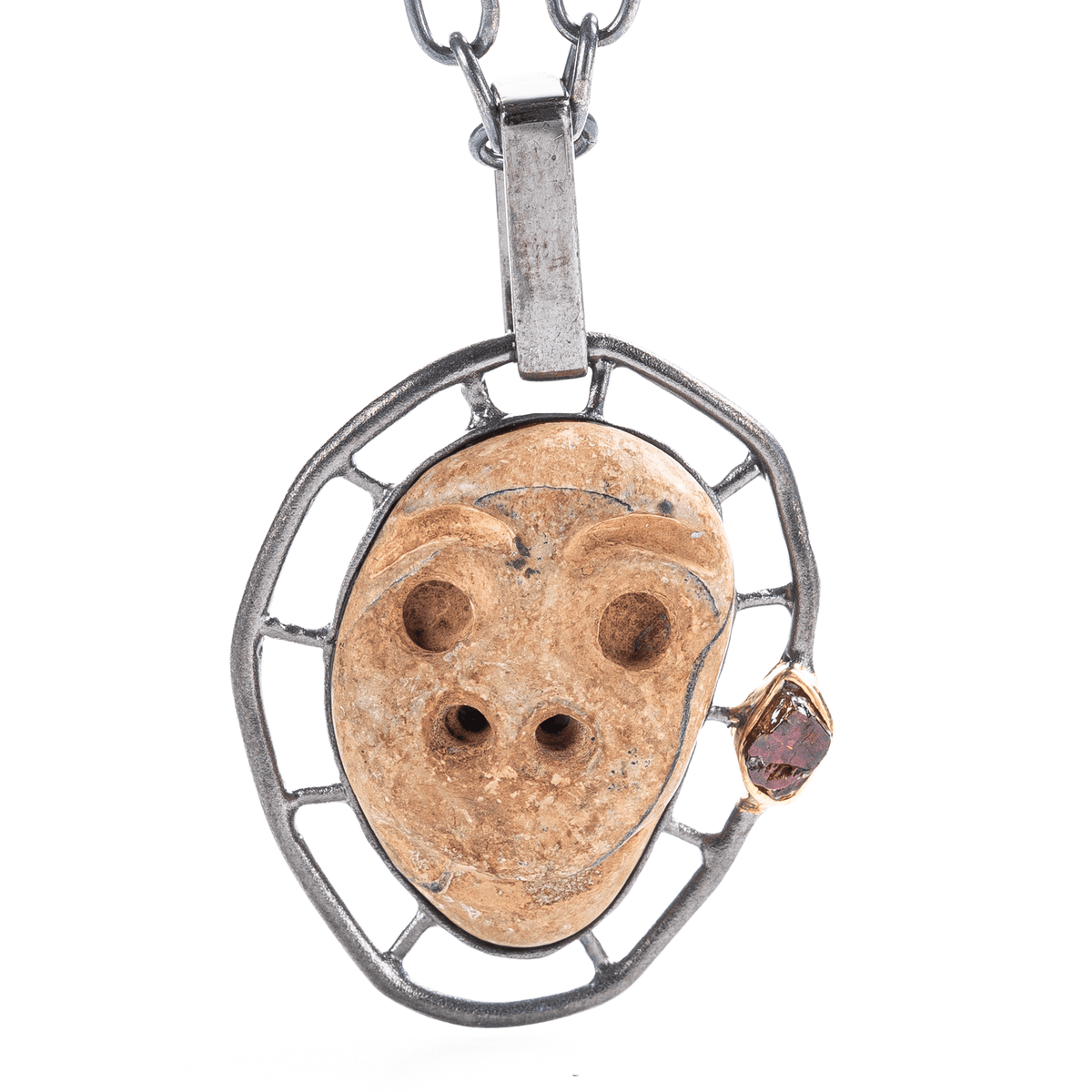
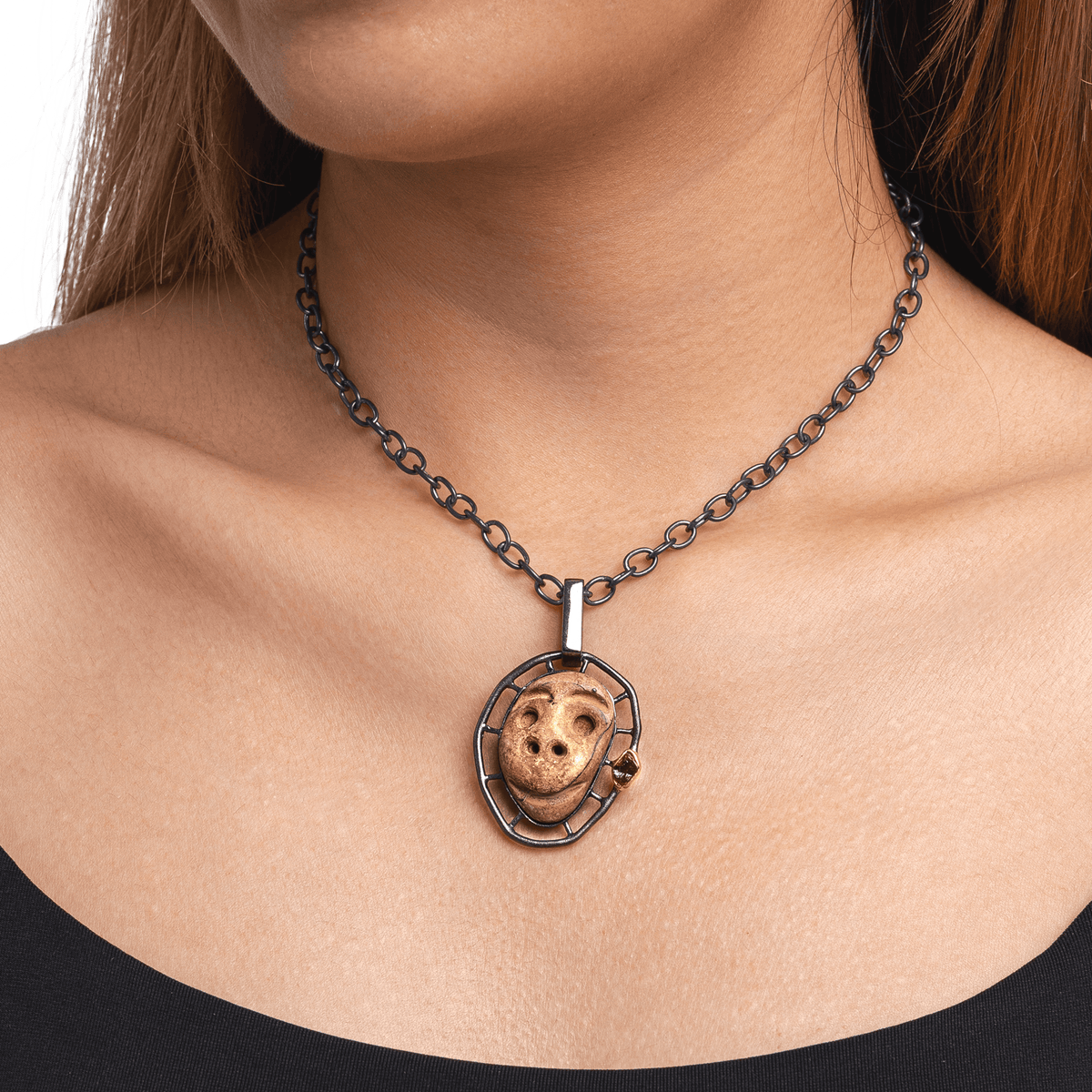
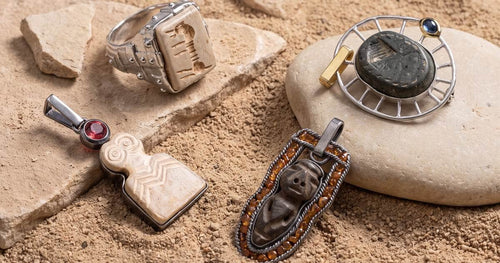
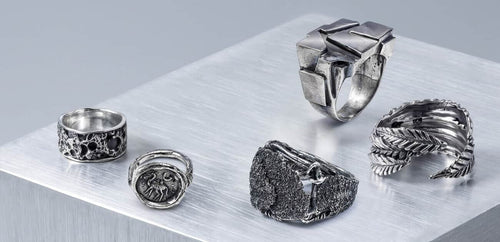
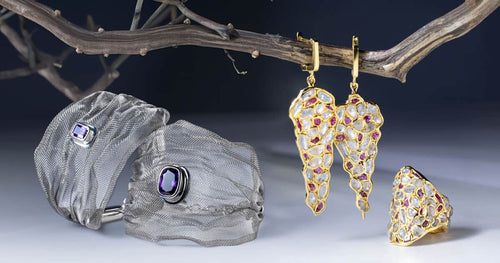
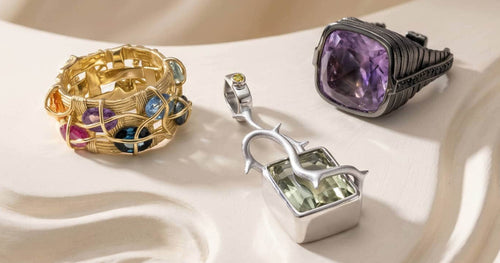
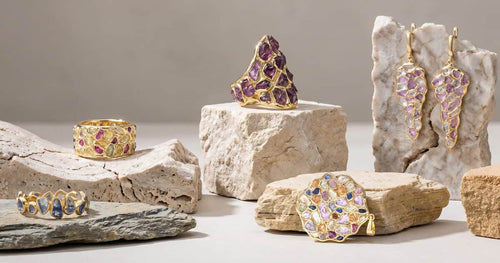
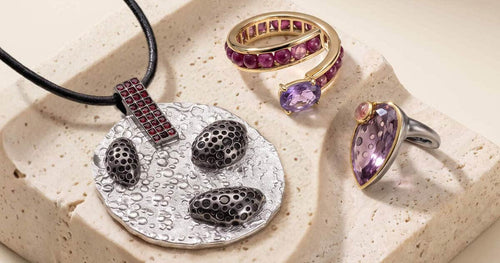
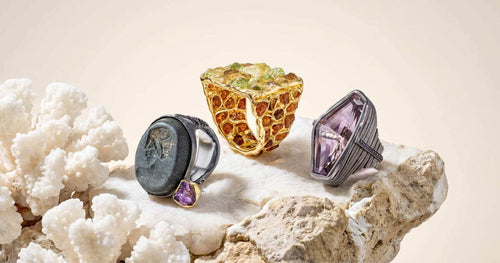
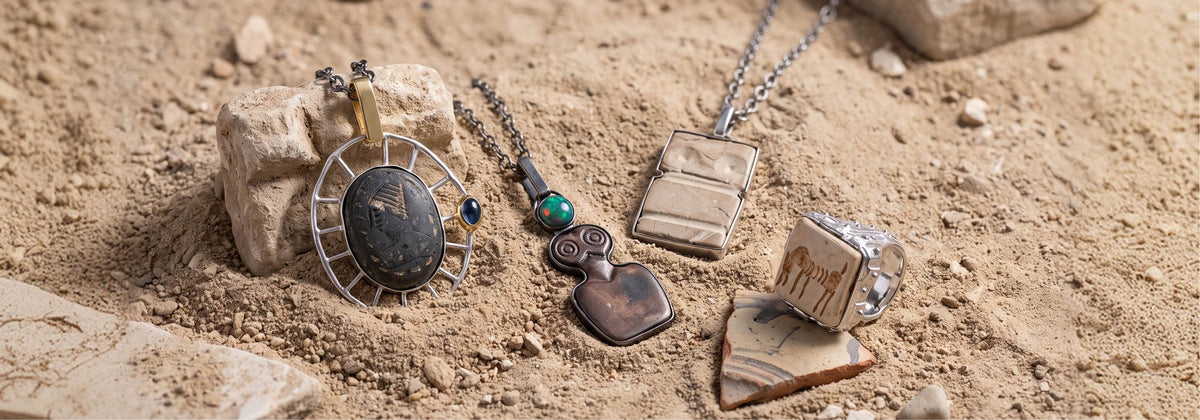
Symbolism is not the primary focus of German Kabirski's design philosophy, which centers on raw texture, material contrast, and a wabi-sabi sensibility that treats imperfection and irregularity as a source of beauty. Symbolic motifs still run throughout the work: the cross functions as his favored geometric shape, and skulls, skeletons, and bird skulls appear regularly alongside stitch-like details that mimic mending or scarring. Botanical elements, including branch, root, and plant forms, recur as well, echoing nature's own patterns of growth and connection, and Egyptian scarabs appear as a recurring ancient motif tied to his broader use of authentic artifacts.
The brand's most personal symbol, though, is the cockroach. Kabirski has explained in interviews that a cockroach kept him company at his desk during a serious illness years ago, disappearing the day before his diagnosis and reappearing after his recovery; he now treats the insect as his talisman, calling it "misunderstood, resilient, indestructible," and returns to it across collections as a symbol of endurance.