

What Is Artifact Jewelry? Ancient Relics in Contemporary Design
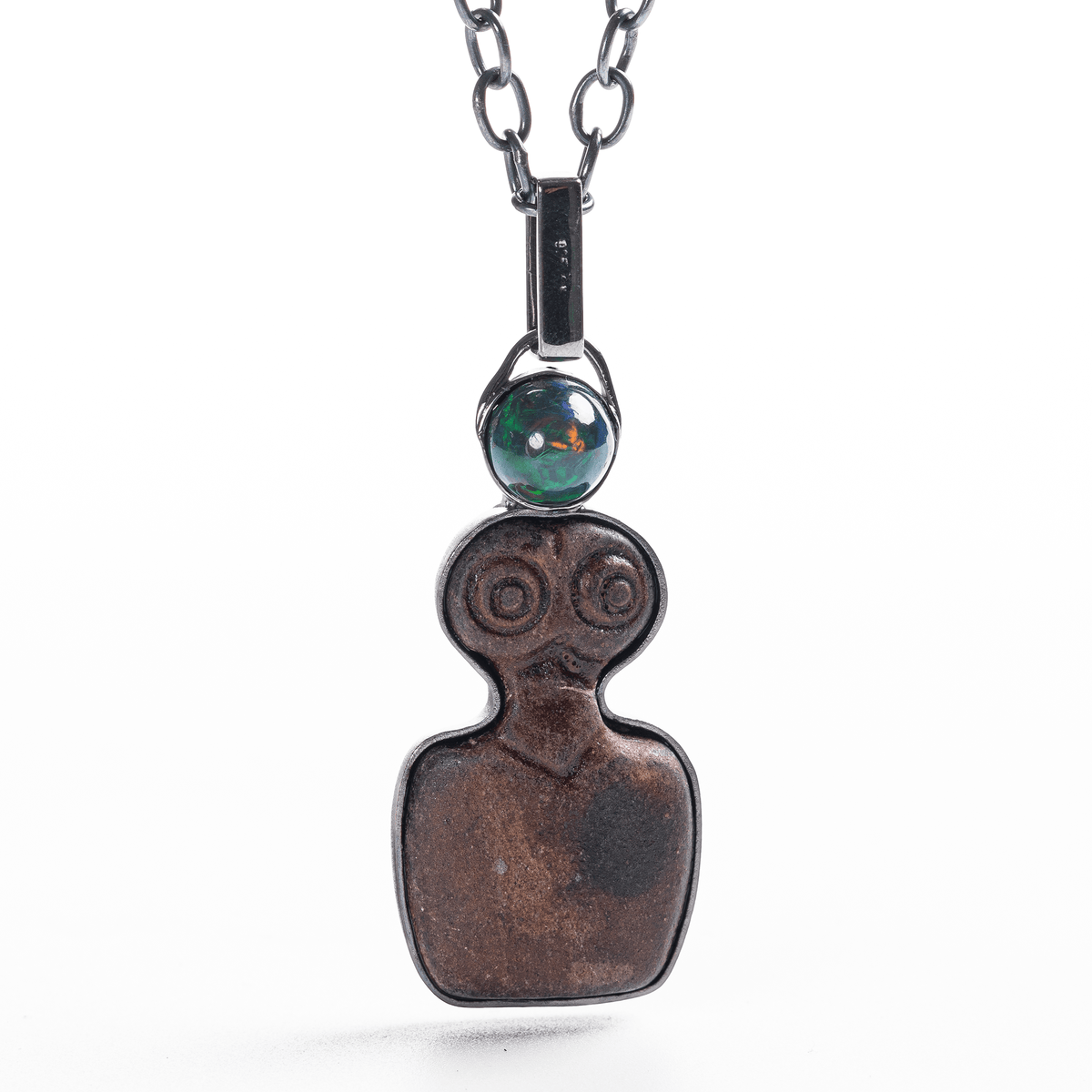
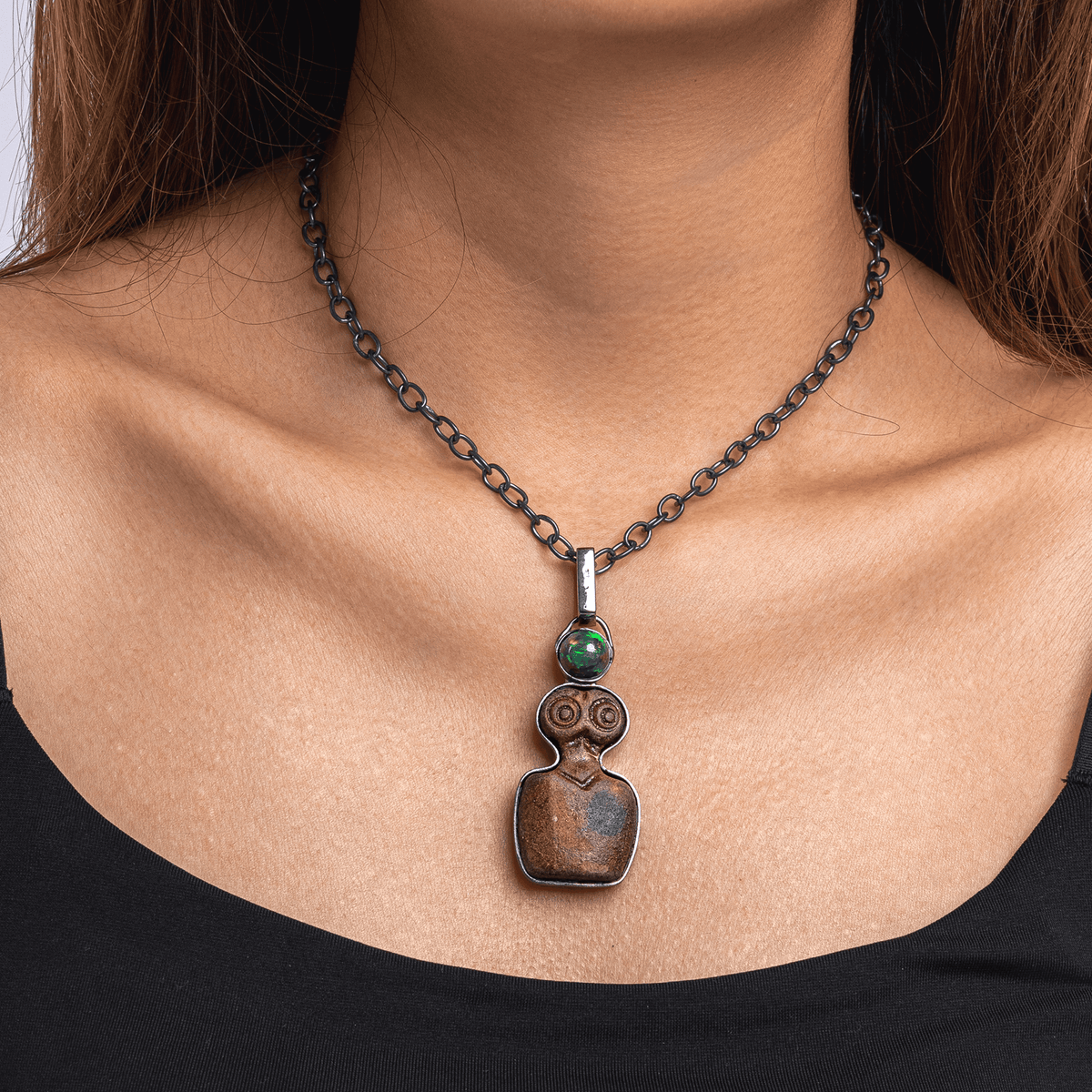
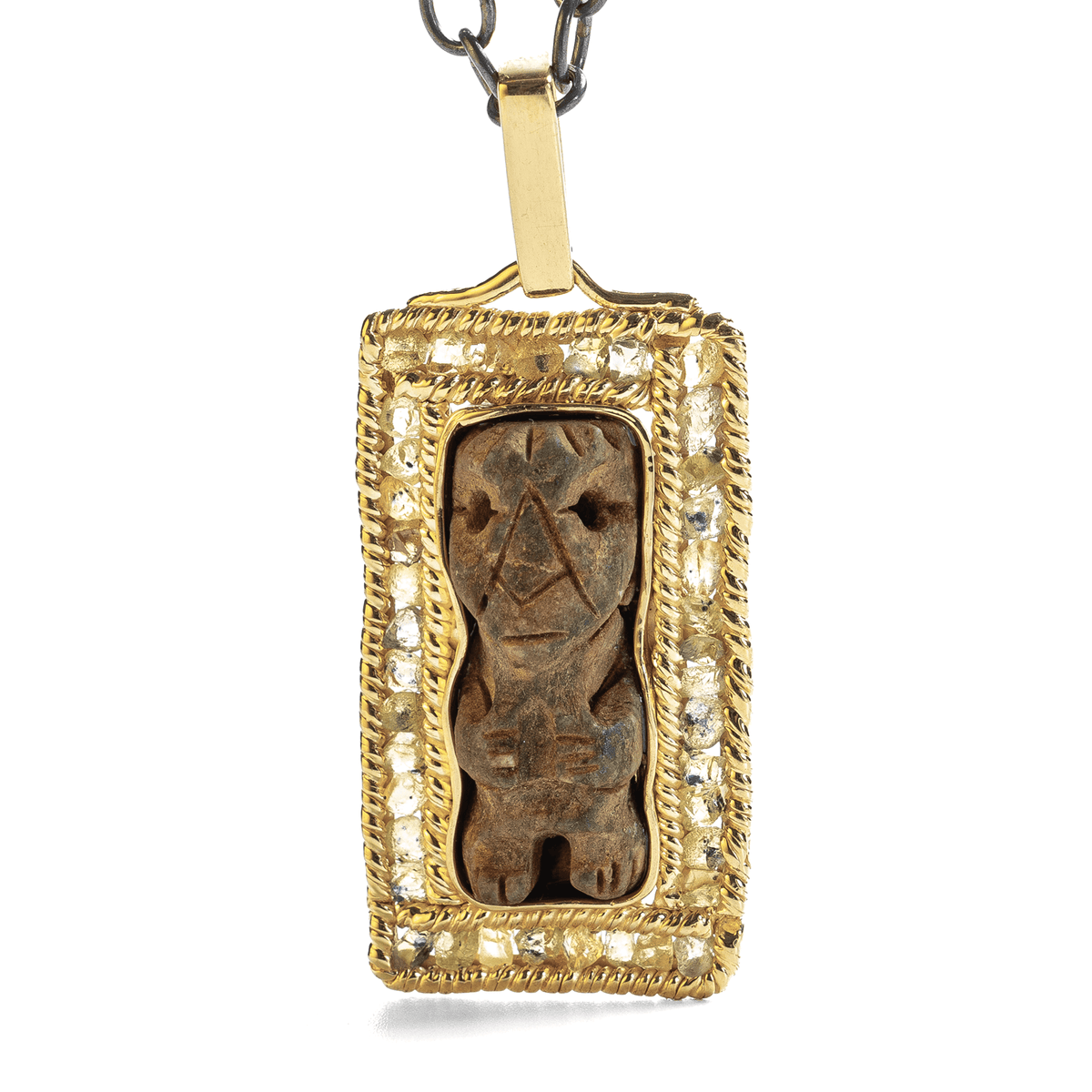
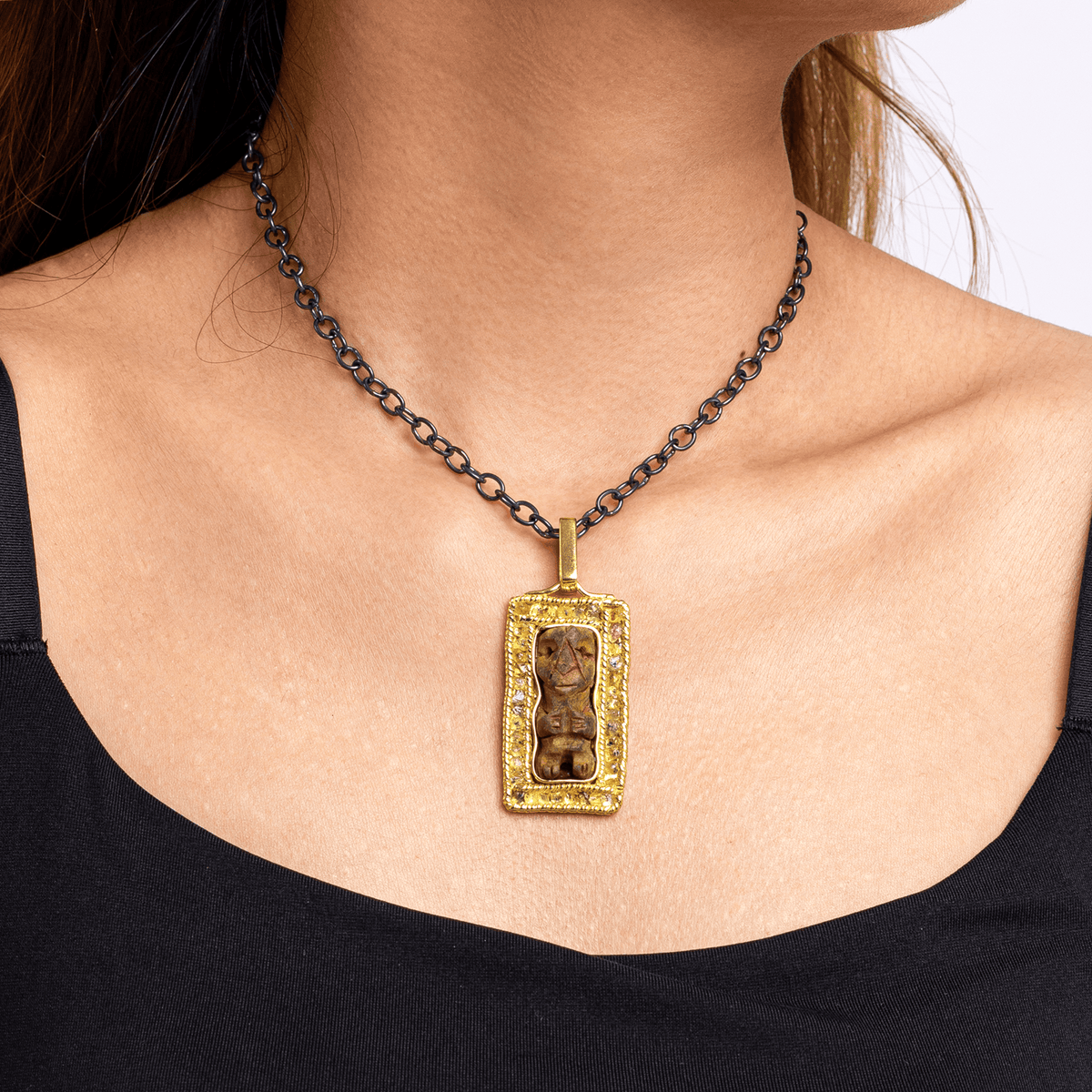
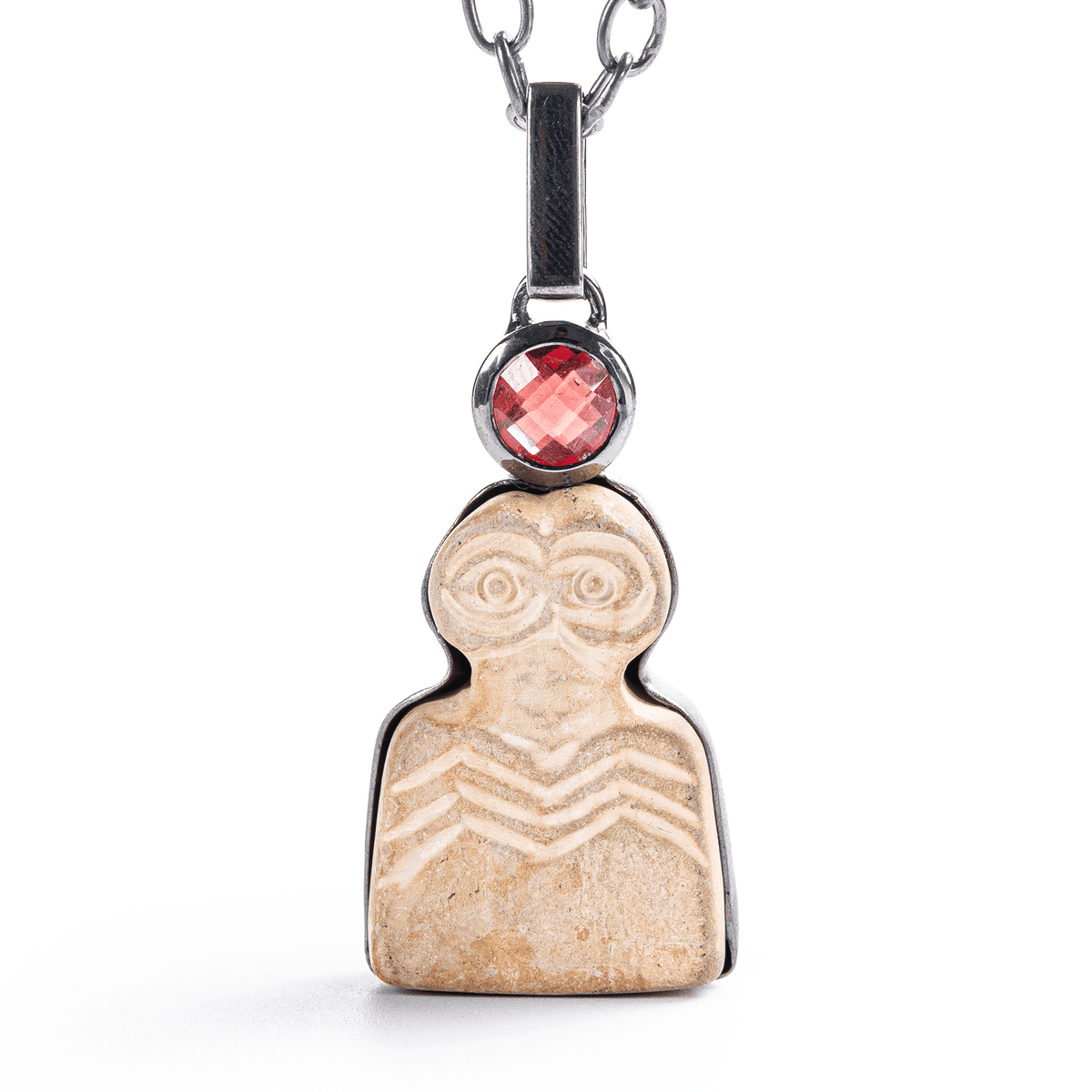
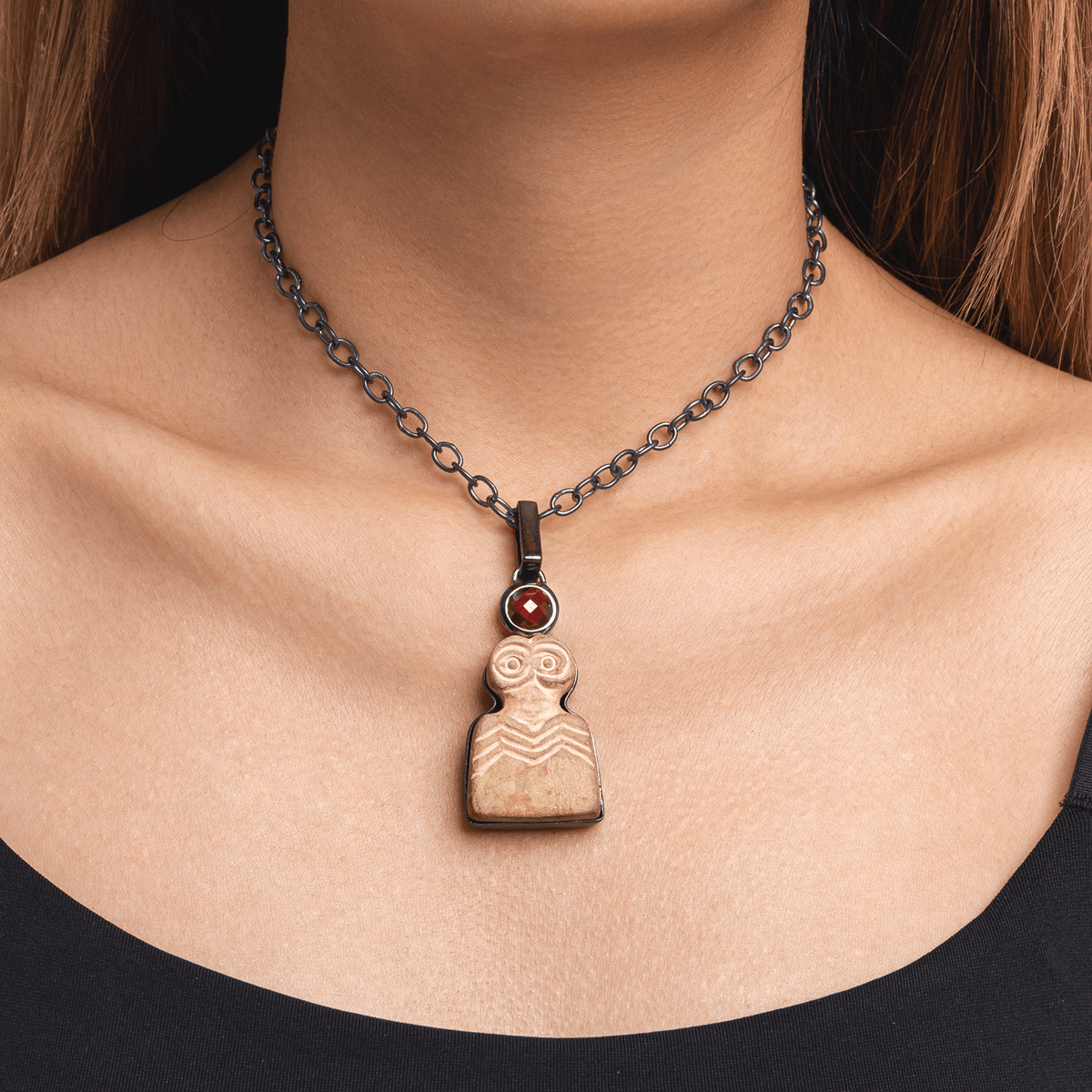
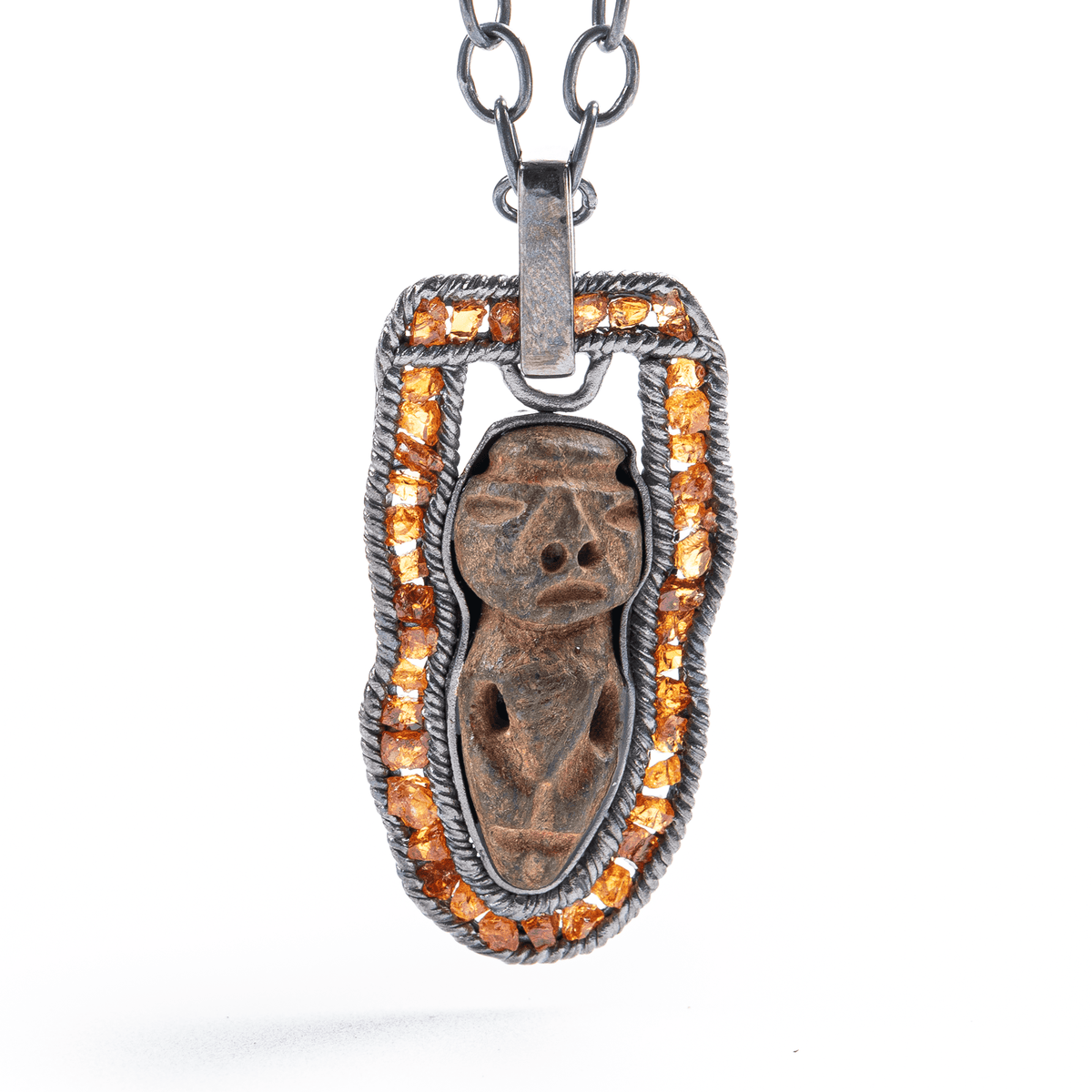
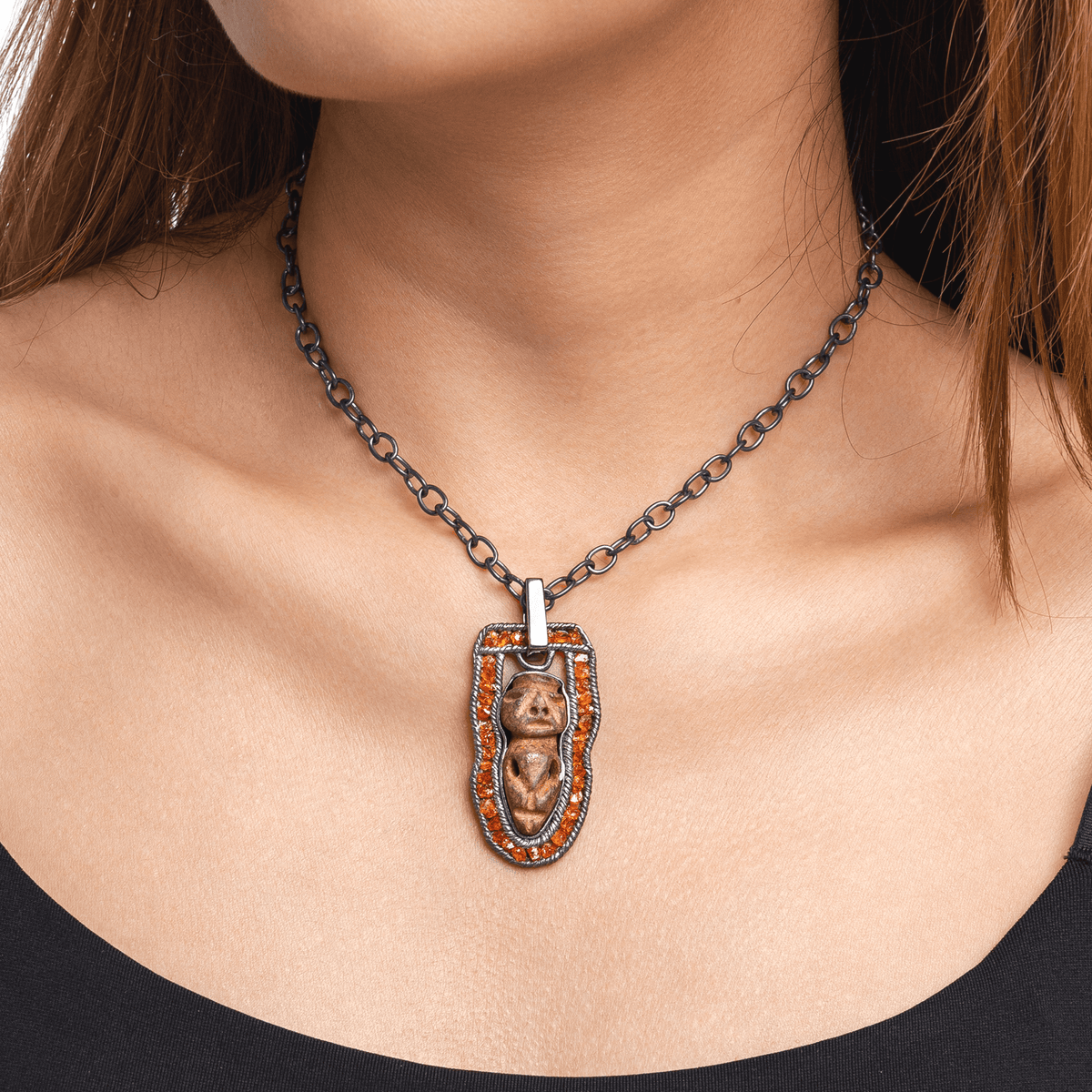
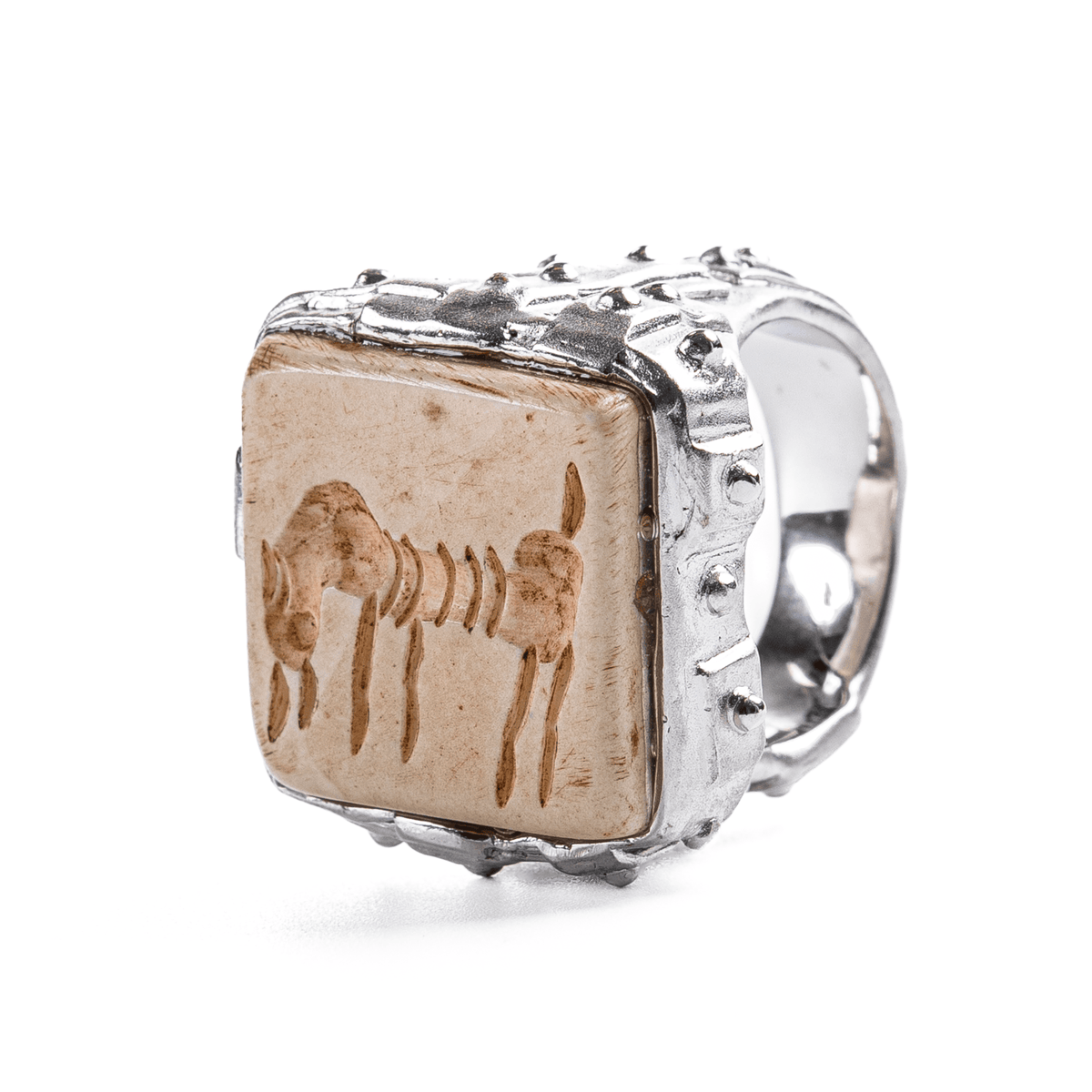
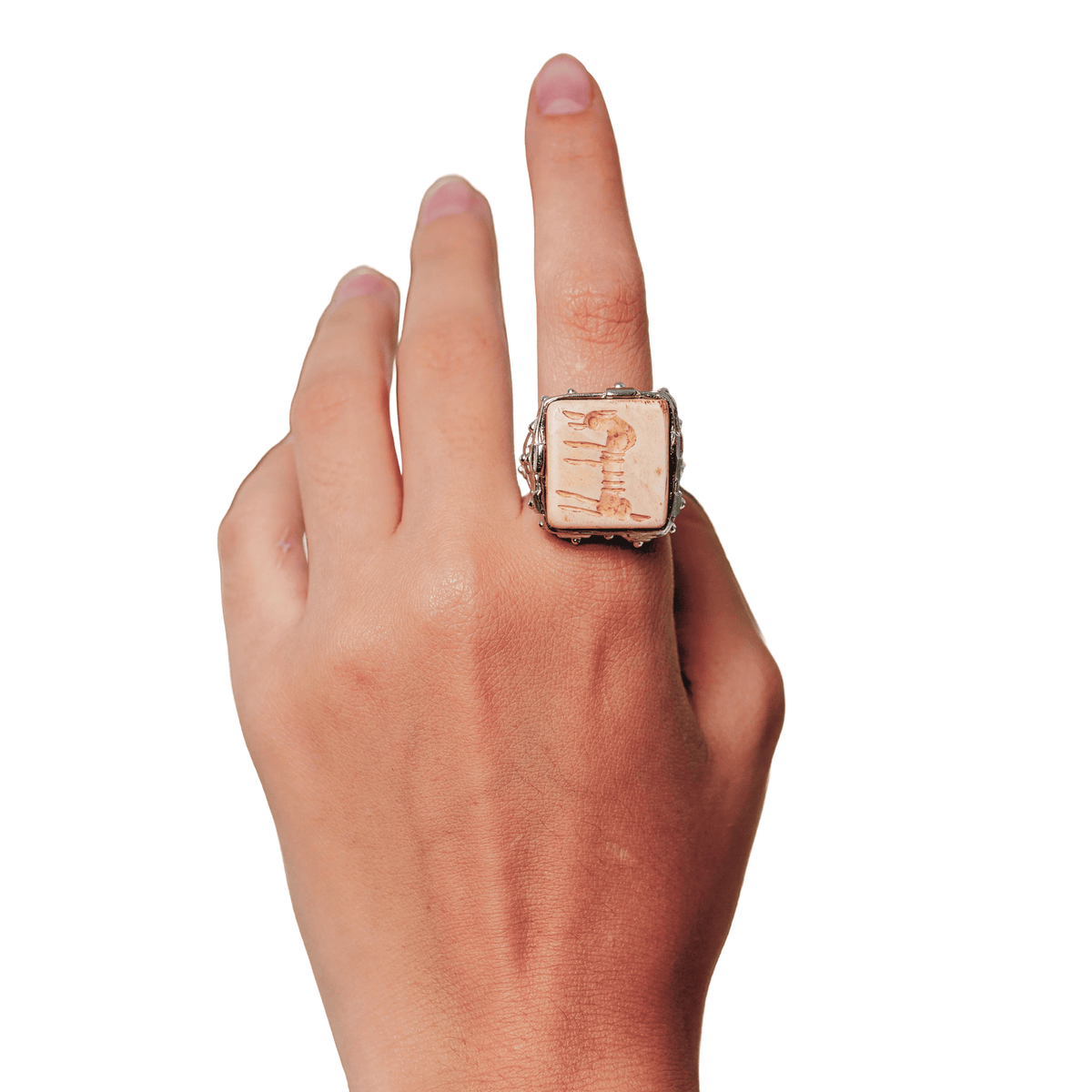
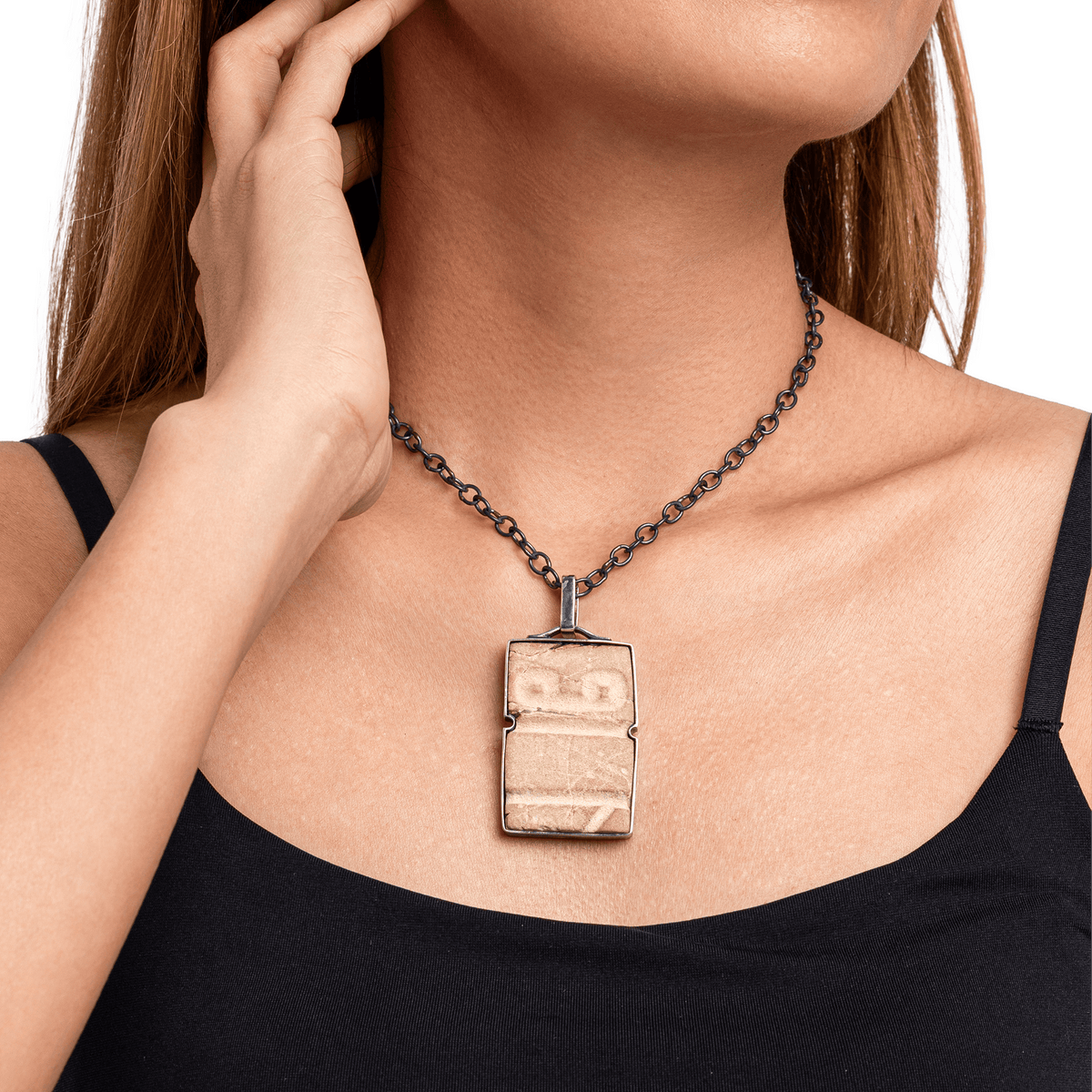
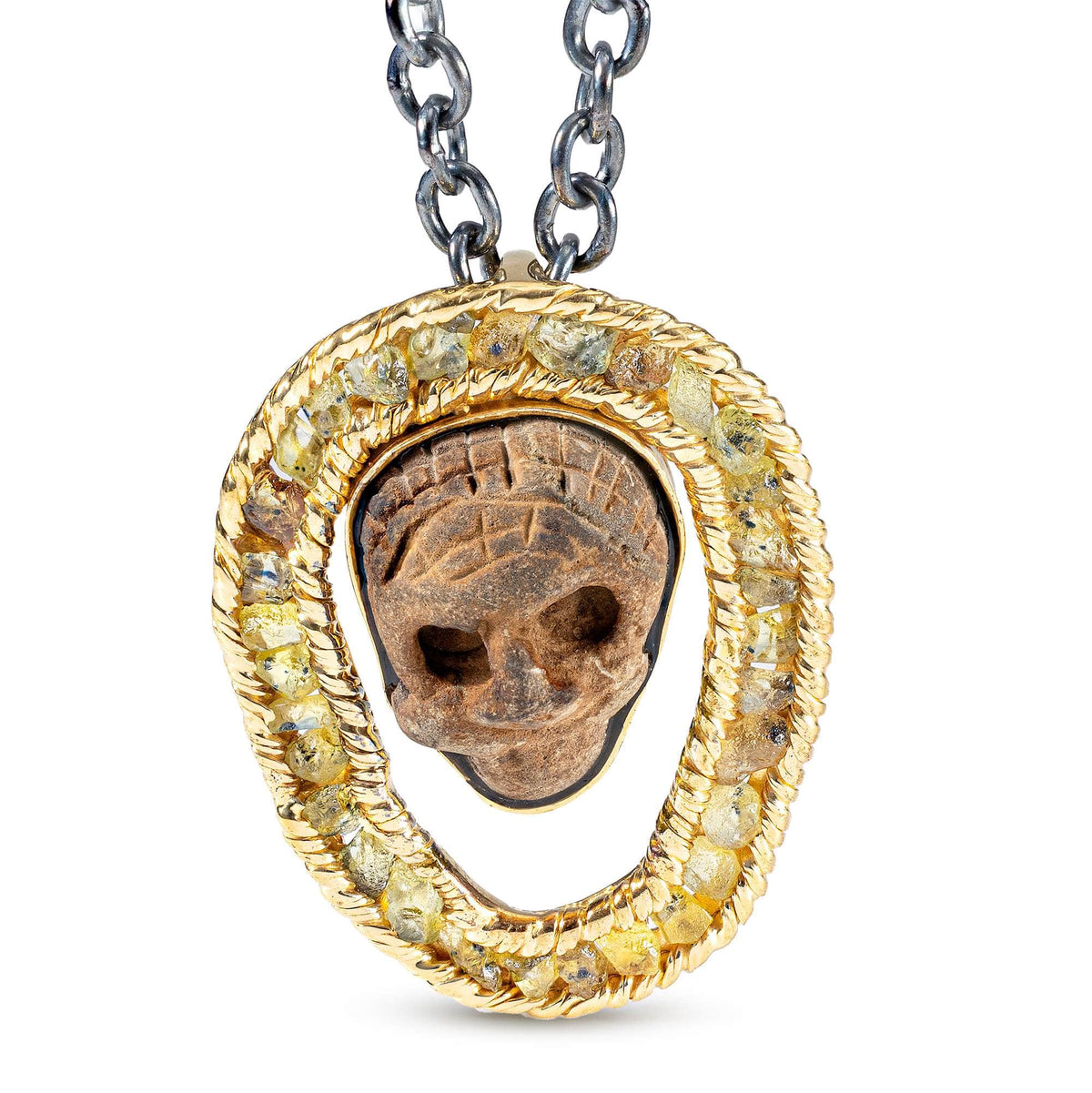
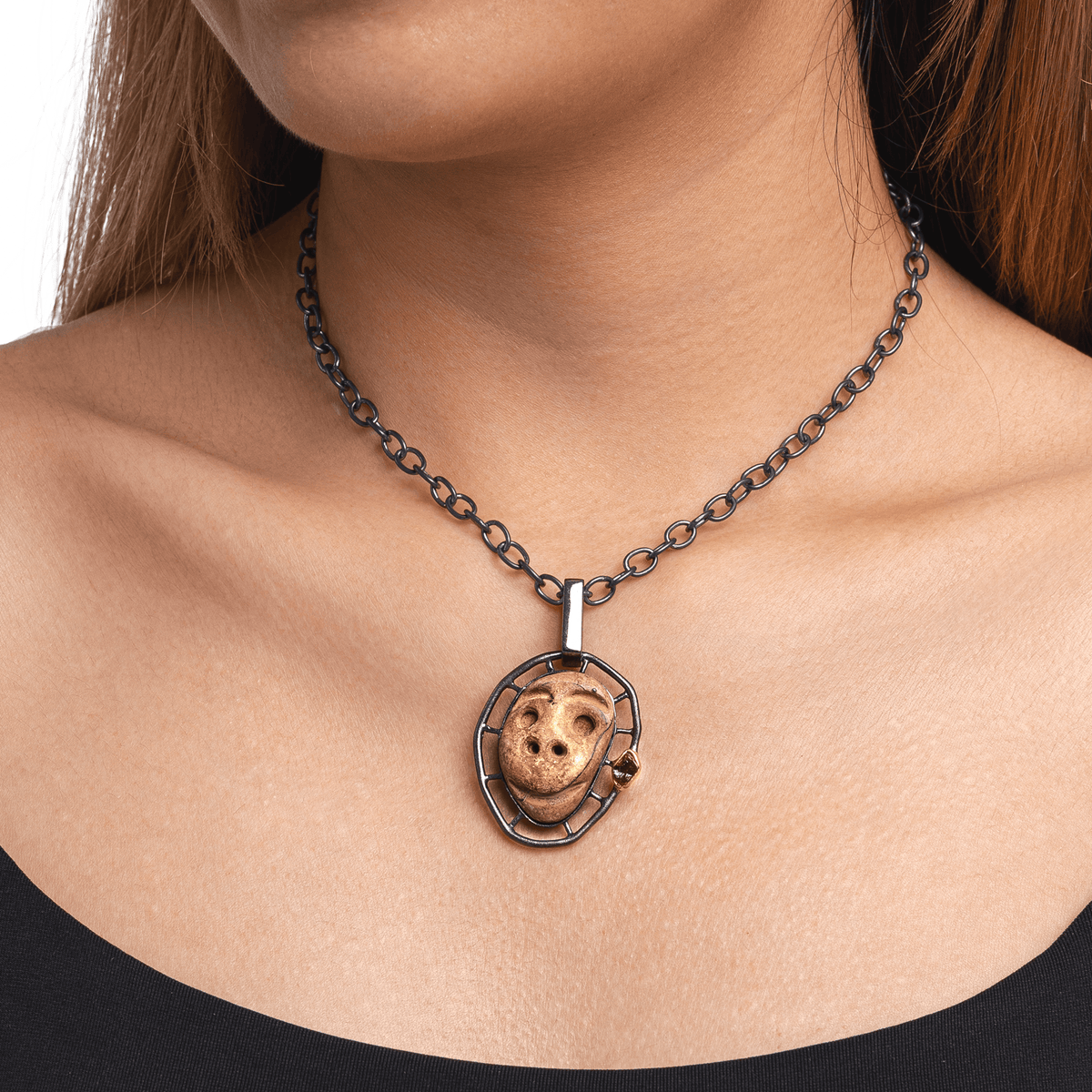
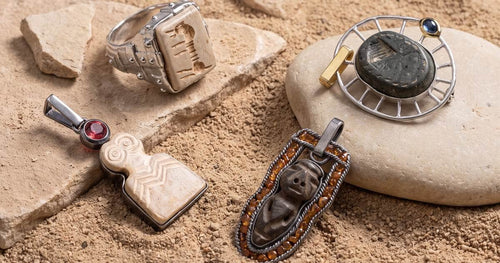
Artifact jewelry sets real ancient objects—coins, seals, beads, carved stones—into modern settings, turning a fragment of history into something worn today, not just displayed behind museum glass. This page explains what artifact jewelry actually is, how designers source and authenticate these pieces, and how German Kabirski's Artifact Jewelry Collection uses genuine relics like ancient seals and maskettes as the starting point for contemporary design.
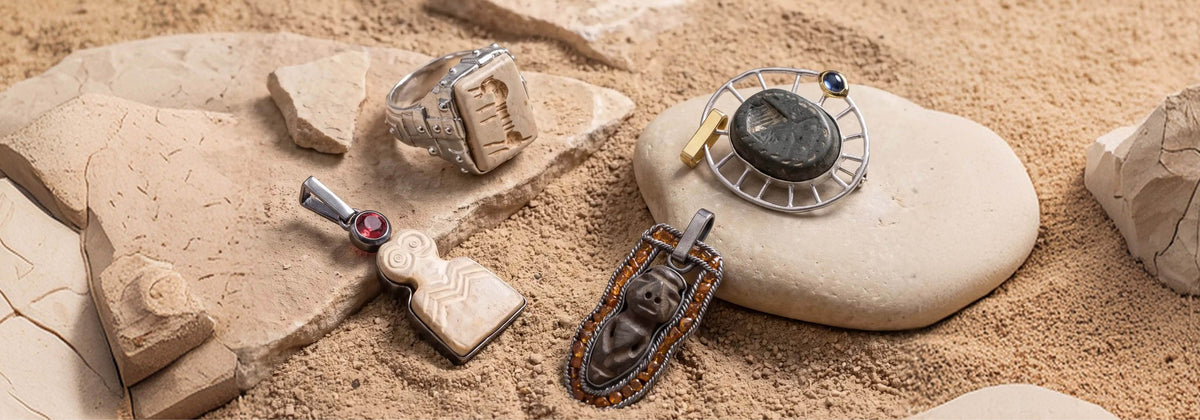
Artifact jewelry incorporates genuine ancient objects—coins, carved seals, beads, cameos, intaglios—directly into a modern piece. The New York Times has tracked this as a growing movement among contemporary designers who mount real historical objects into rings, pendants, and necklaces.
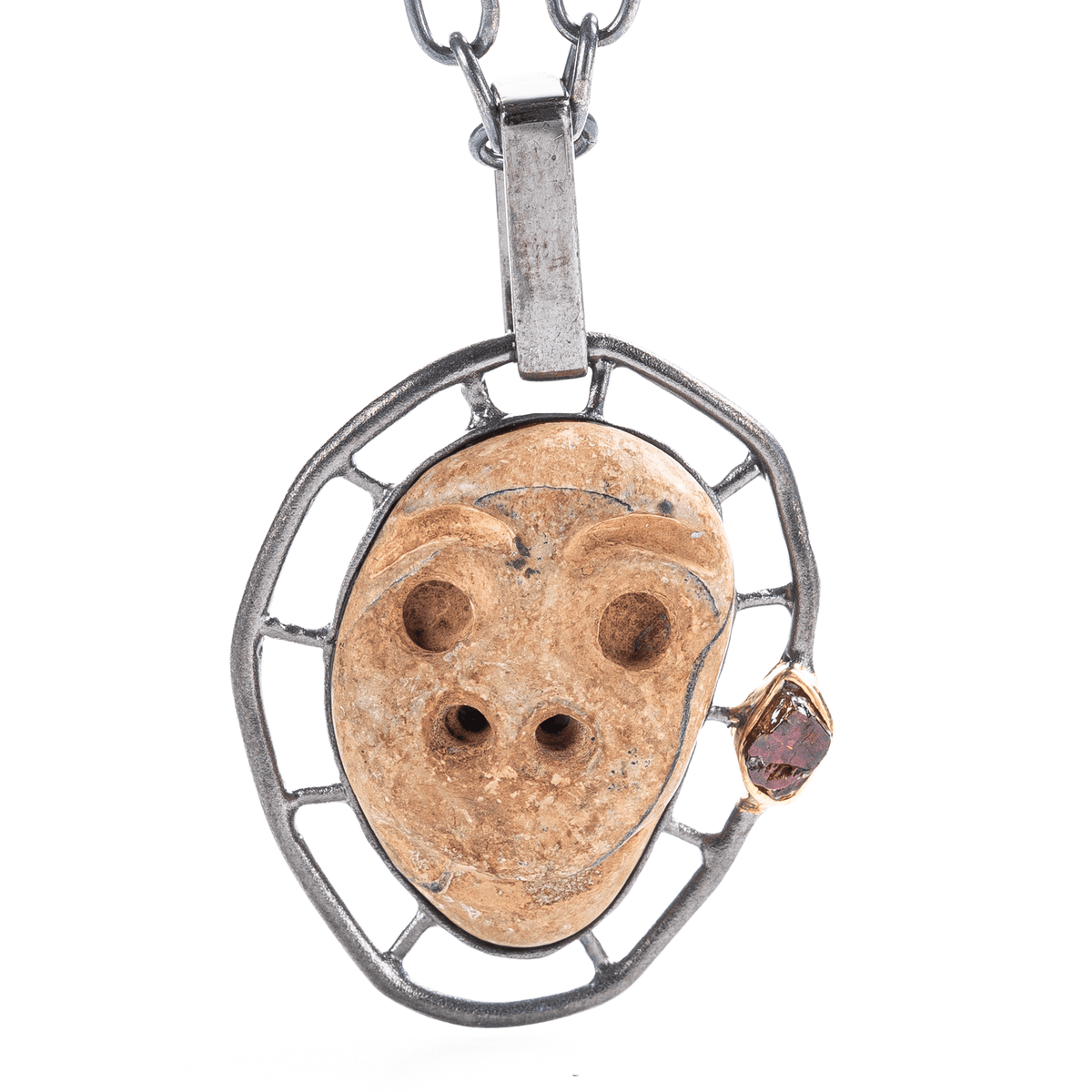
Yes, by a specific group of designers who source real relics, not just reproductions. Designers like Benedetta Dubini work exclusively with genuine Roman coins, intaglios, and scarabs, while German Kabirski's Artifact Jewelry collection sets authentic objects like ancient Persian seals directly into contemporary silver work.
Museums like the MFA Boston have documented this practice going back to 19th-century jewelers who set authentic ancient coins into their designs, so the approach has real historical precedent, not being a purely modern trend.
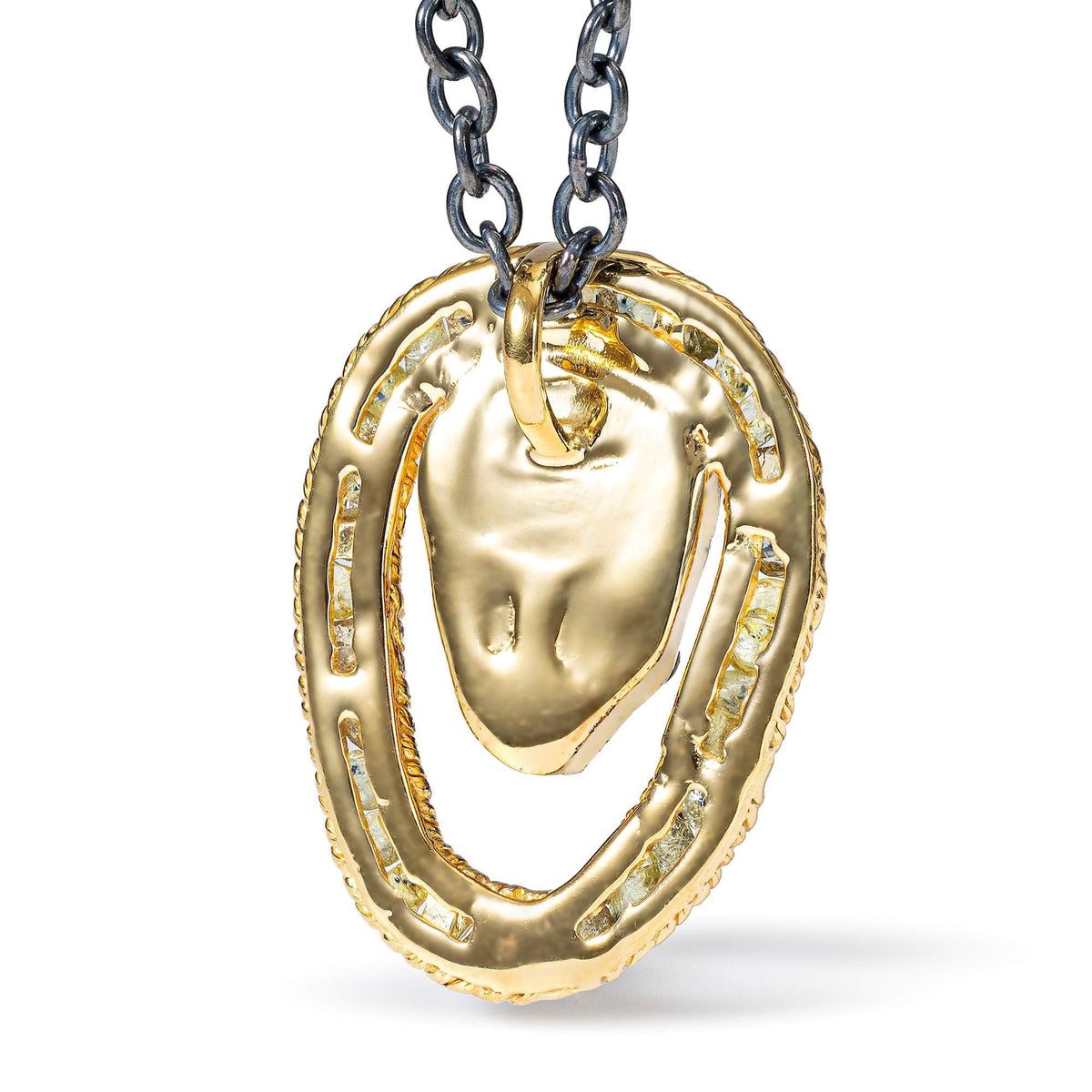
Artifacts are typically set into modern metalwork built specifically around their shape, since an ancient coin, bead, or carved stone rarely matches a standard setting size. Designers source pieces from antique dealers, auction houses, and private collections, then build the surrounding silver or gold structure to hold the artifact securely while keeping its surface fully visible.
Artifacts in contemporary jewelry can range from a few centuries old to several thousand years old. Pieces documented in the market include Roman-era coins and carvings from the third century BC, Persian seals from the 1st millennium BCE, and Egyptian and pre-Columbian objects, depending on what a designer sources.
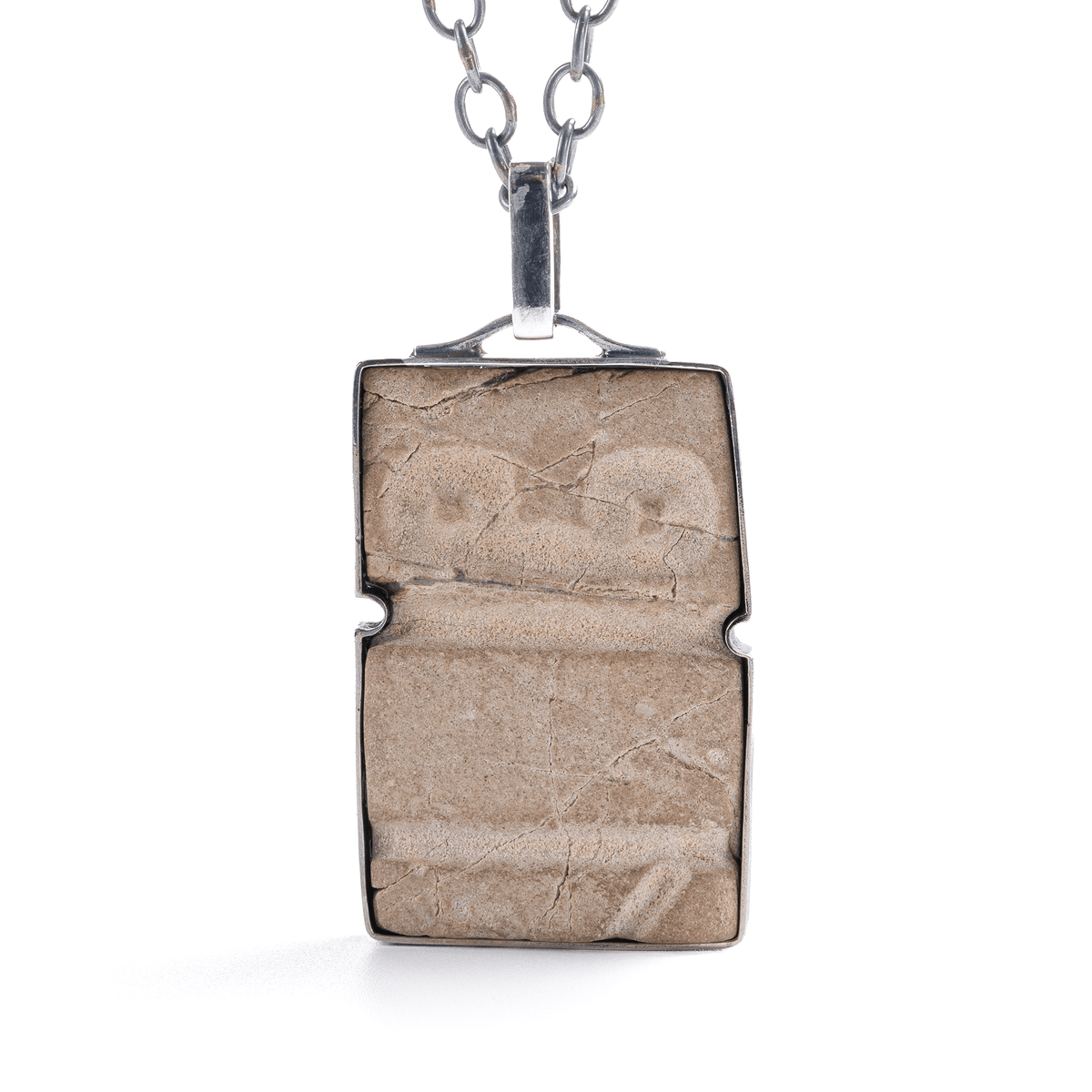
Authentic ancient artifacts show genuine wear consistent with age—natural surface erosion, small cracks, or irregularities that don't look manufactured. Many sellers now note explicitly that features like cracks or color irregularities on an authentic artifact aren't flaws but marks of real age and history.
Collectors are drawn to owning a literal fragment of history. A genuine ancient seal, maskette, or intaglio-carved stone carries thousands of years of use and meaning, giving the finished piece a depth and a story that a purely decorative design cannot carry on its own.
Each artifact is a singular physical object that existed once in history and can never be recreated. A specific Persian seal, Egyptian carving, or Greek stone maskette is a one-of-a-kind survivor from antiquity, so once it's set into a piece, that exact combination of artifact and design exists only once.
No. Cracks, scratches, and surface irregularities on a genuine artifact are expected signs of age and centuries of use. These marks help confirm the object's authenticity as a real ancient piece and are treated as part of its character.
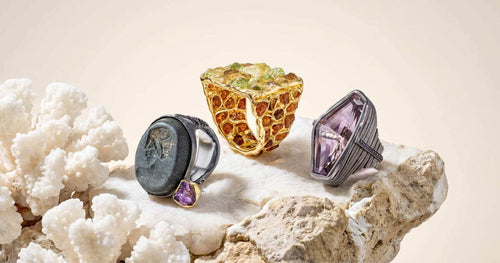
German Kabirski's Artifact Jewelry collection sets authentic ancient objects directly into oxidized sterling silver, building each ring or pendant around the artifact's original form. The collection draws on pieces like Persian seals, Egyptian carvings, and Greek stone maskettes or Mediterranean eye idols, treating the artifact itself as the conceptual center of the design.